
In this article
The number you’ll see quoted for how many people have climbed Mount Everest is almost never the same twice. One list says 6,338, another 7,269, a third 7,563, and none of them stops to tell you they’re counting different things. Ask anyone who actually tracks this and the answer comes back the same way every time: it depends what you mean by “climbed,” and it depends what day you asked.
What follows is the one organized roster the search results keep missing, pulled from the archive that has logged every Himalayan expedition since the 1900s, The Himalayan Database. We’ll cover the real total and why it moves, the genuine firsts, the record holders most people guess wrong, and the climbers who broke barriers nobody thought breakable.
How Many People Have Actually Climbed Everest
Here’s where almost every list goes wrong. They give you one big number, call it final, and move on. The honest version takes thirty more seconds and saves you from quoting a figure that’s either out of date or measuring the wrong thing. The count is soft on purpose, because what it counts has changed over the years.
The headline number
As of December 2025, about 7,563 different people have reached the top of Mount Everest. That’s the figure that matters when someone asks how many have “climbed Everest,” because it counts each person once, no matter how many times they’ve gone up. The number comes from the archive that has logged every Himalayan expedition since the 1900s, The Himalayan Database, the record everyone in the mountaineering world treats as the authority. Of those summiters, roughly 86% are men and 14% are women, a gap that opened in 1975 and never really closed.
Why “people” and “ascents” aren’t the same
Now the part that trips everyone up. Alongside that 7,563 people sits a much bigger number, around 12,800 total ascents. Those aren’t in conflict. One counts heads, the other counts climbs. The same guides go up year after year, so the climbs pile up far faster than the people do.
When you see “more than 12,000 summits,” that’s the ascent tally. When you see “7,500-plus,” that’s the human roster. A list that mixes them is comparing apples to a much larger pile of apples.
When a headline throws a single Everest number at you, check two things before you trust it: people or ascents, and what year. Get those two wrong and you’ll repeat a “fact” that’s off by thousands.
Why the count keeps changing
The total isn’t fixed because the mountain isn’t done being climbed. Every spring season adds hundreds more, and the 2025 season alone put roughly 820 new individuals on top. There’s a second reason the figure stays soft. The Himalayan Database no longer interviews commercial-route climbers to confirm a normal-route summit the way it once did.
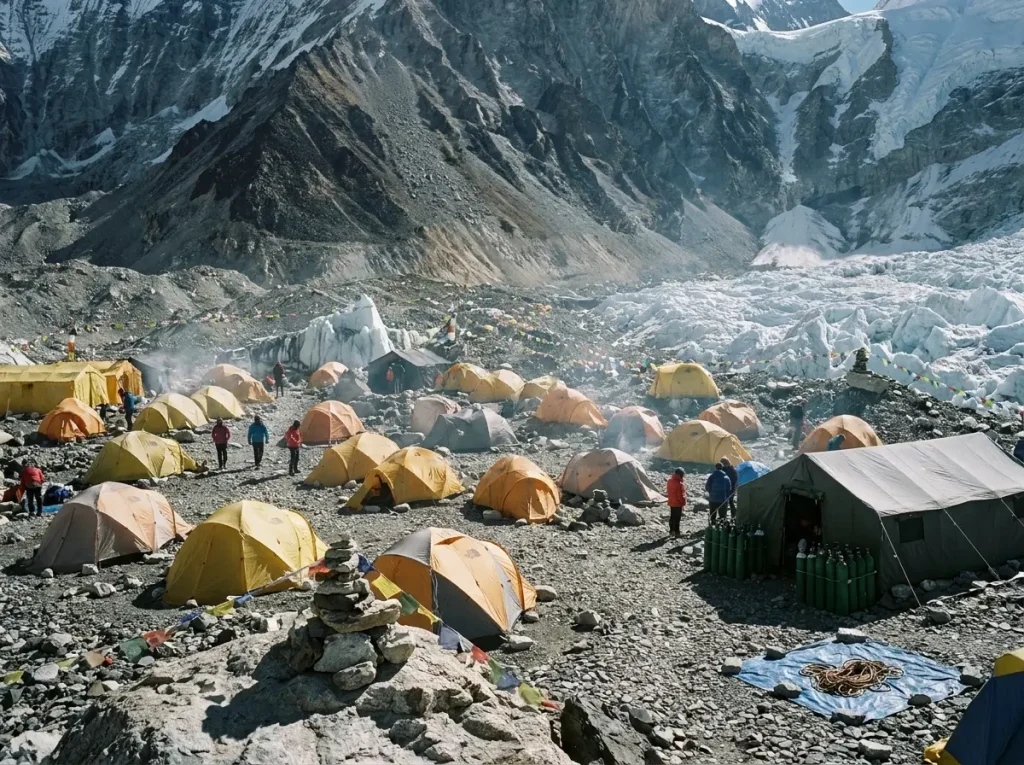
It now logs many of those summits straight off Nepal’s Ministry of Tourism permit lists, which rarely demand proof. That makes the modern count partly an administrative one, and it’s why the database has quietly revised totals before. If you want to see what a single modern attempt actually involves behind that statistic, the breakdown of what a current Everest expedition costs and demands fills in the picture.

The First Ascent and the Firsts That Followed
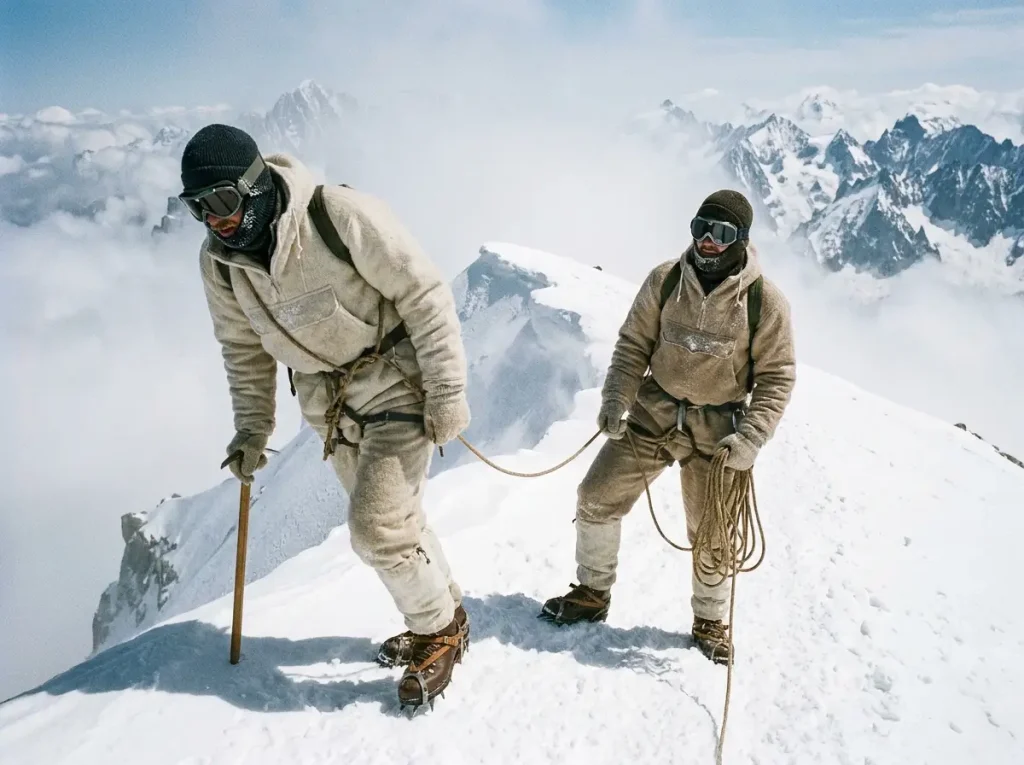
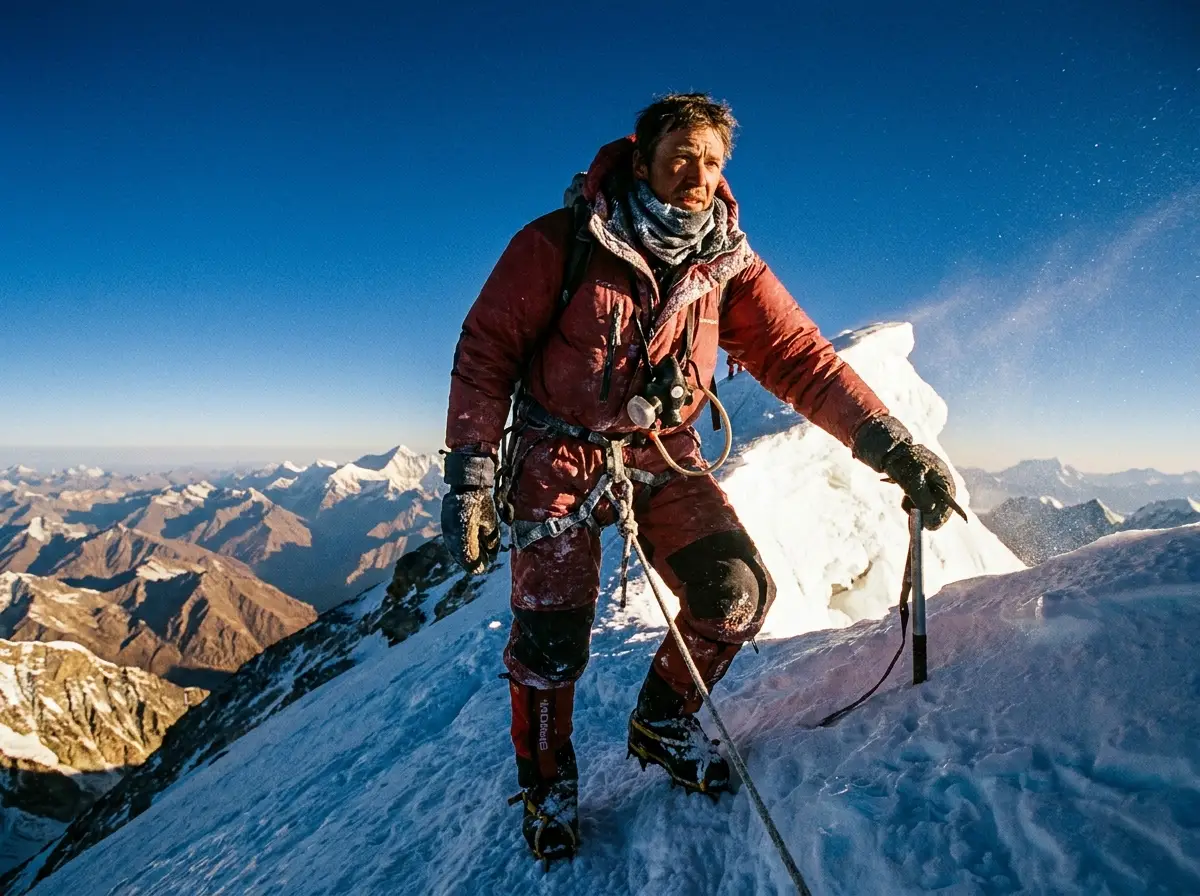
Forget the trophy counts for a second. The roster is really two lists, and this is the one worth memorizing: the handful of people who did something nobody had done before. Everything else is frequency and logistics. These are the genuine firsts, and they all played out on the highest of the eight-thousanders, the 29,032-foot (8,848-meter) peak Nepalis call Sagarmatha and Tibetans call Chomolungma, on the Nepal–Tibet border where all of this takes place.
1953, Hillary and Tenzing
At 11:30 a.m. on May 29, 1953, Edmund Hillary, a New Zealand beekeeper, and Tenzing Norgay, a Sherpa, stood on the summit together, roped as a team. It came out of the 1953 British expedition led by Colonel John Hunt, and it was Tenzing’s sixth attempt on the mountain. That detail matters, because the popular framing of Tenzing as “the Sherpa who helped Hillary” gets it backward. By 1953 he was already the most experienced Himalayan climber alive.
The footage below shows the human scale of what they pulled off with the gear of the day.
Junko Tabei, the First Woman in 1975
Junko Tabei of Japan became the first woman on top on May 16, 1975. The “first” almost never happened. Days earlier, an avalanche buried her at Camp 2 and knocked her unconscious; her teammates dug her out, and she summited eleven days later. She was a working mother who’d fought for years just to get a permit and the funding, and she spent the rest of her life climbing the highest peak on every continent.
Messner and Habeler Break the Oxygen Barrier
In 1978, Reinhold Messner of Italy and Peter Habeler of Austria did what doctors swore no one could survive. They climbed Everest without supplemental oxygen, breathing the thin starved air at 29,000 feet under their own power. Two years later Messner went back and did it alone, the first solo ascent, again with no bottled gas, on a new partial route.
That 1980 climb is still argued to be the purest ascent the mountain has ever seen. Keep this line in mind, because the difference between climbing with oxygen and without it separates two very different sports.
The Most Summits of All Time
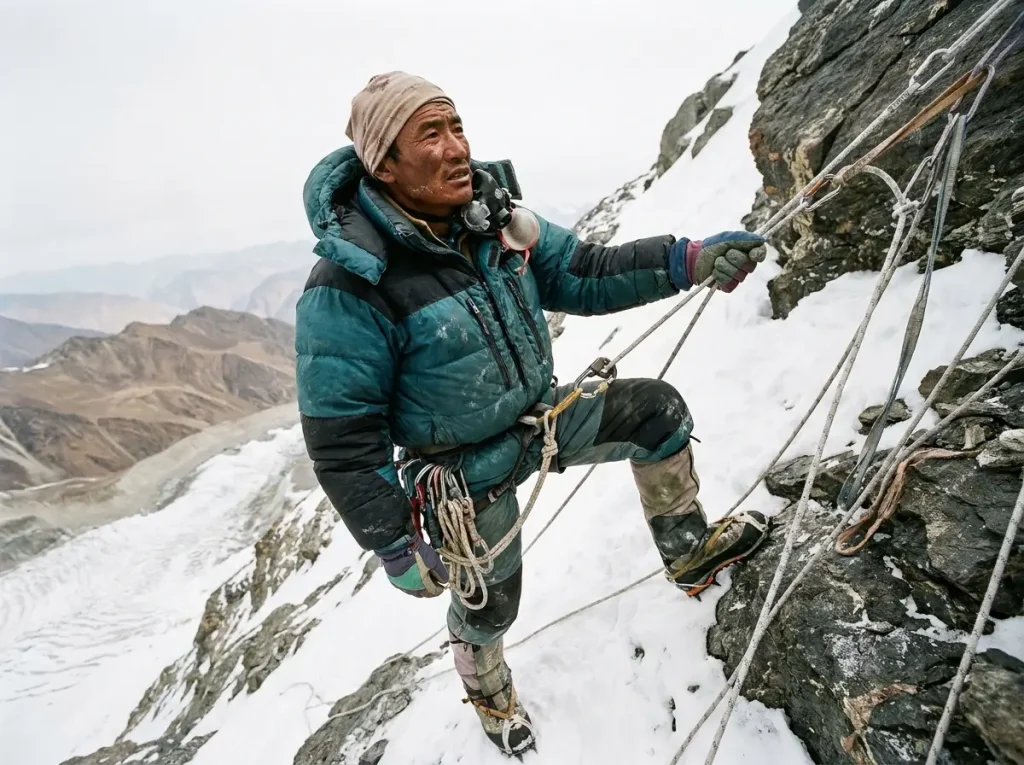
Ask a casual fan who’s climbed Everest the most and they’ll reach for a famous Western alpinist. They’ll be wrong. The entire top of the frequency leaderboard is working Sherpa guides, and it has been for years.
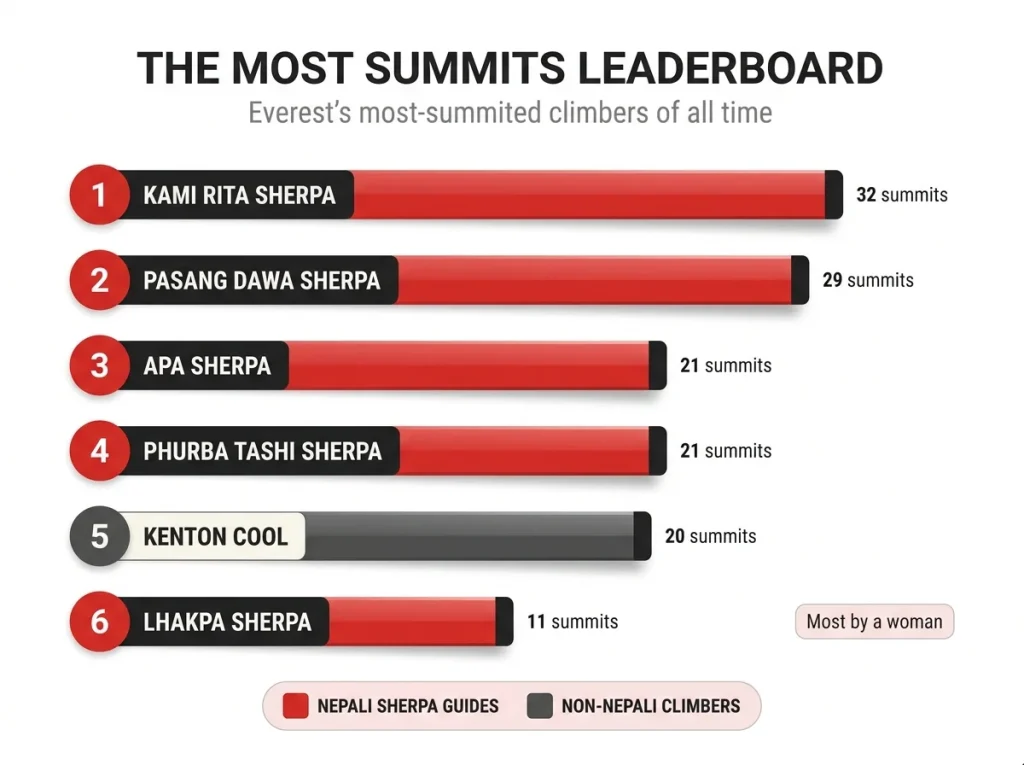
Kami Rita Sherpa, 32 and Counting
Kami Rita Sherpa owns the all-time record. He logged his 31st ascent on May 27, 2025, then went back and made it 32 on May 17, 2026. He first summited in 1994 as a young guide and has returned almost every spring since, not chasing a trophy but doing his job. Guinness World Records, which certified his 31st climb as the most of all time, put an official stamp on what the Khumbu already knew.
The chase pack
The names right behind him tell the same story. Pasang Dawa Sherpa sits at 29 ascents. Before Kami Rita pulled ahead, Apa Sherpa, known as “Super Sherpa,” and Phurba Tashi Sherpa were tied at 21 apiece. Not one of them is the household name a newcomer would guess.
They’re guides who summit on the job, fixing rope and shepherding clients, and the count just adds up over a career.
The records outside the top
For the most by any non-Nepali climber, you have to go down to Kenton Cool of the UK, who reached his 20th summit in 2026. That’s a staggering record on its own, and it’s still dwarfed by the Sherpa leaders. The most by a woman belongs to Lhakpa Sherpa, the “Mountain Queen,” a Nepali-American single mother who notched her 11th summit in May 2026.
The Sherpas Who Carry the Mountain
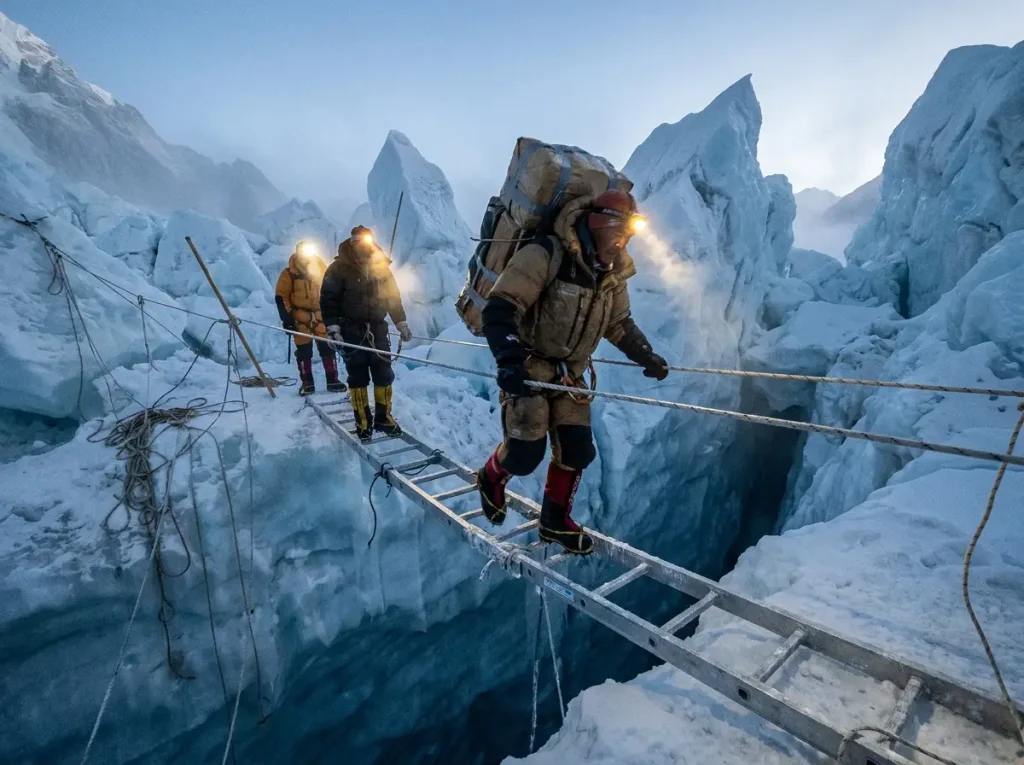
This is the part that should change how you read every “who climbed Everest” list you see again. The famous names are a thin top layer. The mountain itself is carried, fixed, and broken-trail by Nepali guides, season after season, mostly off the record.
Why the leaderboard is almost all Nepali guides
The frequency leaderboard isn’t a fluke of who’s most determined. It’s the clearest proof of who actually does the work. Sherpas now hold more than 80% of all Everest summit records. Every spring, a team of them goes up first to install the lines, a job the community just calls “fixing rope,” and every client who clips into those ropes is climbing a route a Sherpa built.
The repeat summits stack up because the work repeats. They cross the chaos of the Khumbu Icefall that the rope-fixing teams thread before dawn more times in a season than most clients will in a lifetime.
The 2025 season by the numbers
If you want one statistic that captures it, take the 2025 south-side season. Nepalese staff on the mountain (437) outnumbered foreign summiters (272). The people most lists treat as the main characters were, by headcount, the minority on the hill. That ratio isn’t new, it’s just rarely printed.
Next time a roster lists only the famous summiters, read the support column too. On a guided Everest climb, the question isn’t only who reached the top. It’s who carried, cooked, and fixed the rope that got them there.
Ang Rita the Snow Leopard, 10 Summits Without Oxygen
The most overlooked record on the whole mountain belongs to Ang Rita Sherpa, nicknamed the “Snow Leopard.” He summited Everest ten times, and every single one was without supplemental oxygen. Set that against the assisted speed and frequency records and it stands alone. Climbing high on the mountain on bottled gas is hard; doing it ten times on your own lungs, through Camp 4 on the South Col where the oxygen clock normally starts, is a different order of achievement.
The video below reframes Tenzing and the guides who followed him as the world-class mountaineers they were, not the porters the old story made them.
Age and Speed Records and What They Really Mean
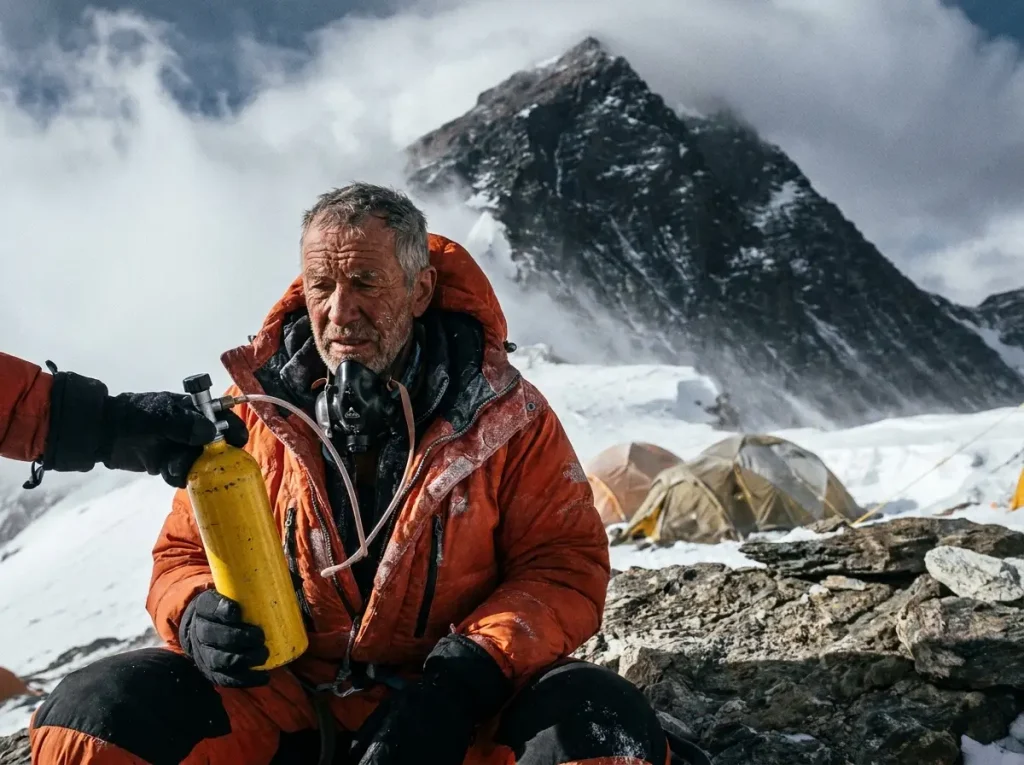
These are the stats that go viral. Youngest, oldest, fastest. They’re worth knowing, and they’re worth reading honestly, because most of them are stories about money, support, and an oxygen bottle more than raw mountaineering skill.
Youngest and oldest
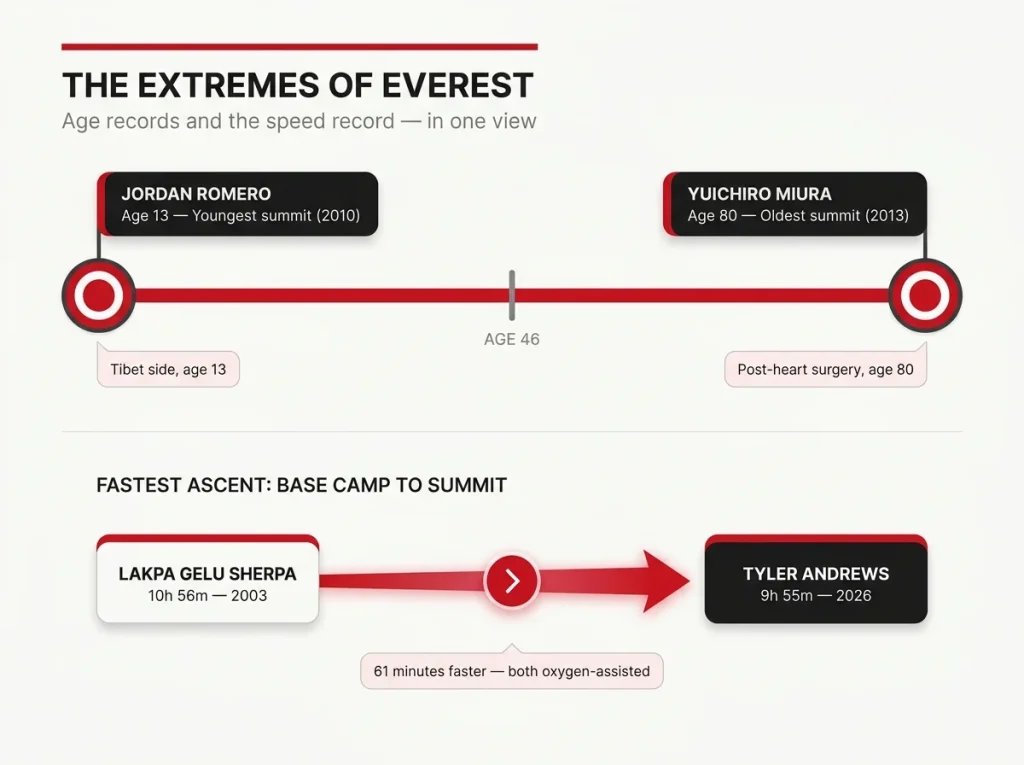
The youngest person to summit is Jordan Romero of the USA, who was 13 in 2010, climbing from the Tibet side. The oldest is Yuichiro Miura of Japan, who reached the top at 80 in 2013, years after heart surgery. Both are genuine accomplishments. Both are also, plainly, logistics-and-support stories.
A 13-year-old and an 80-year-old standing on top tell you how far a well-run, well-funded operation can carry a determined climber, not how skilled that climber is.
The speed record
The fastest ascent on record belongs to Tyler Andrews of the USA, who in spring 2026 ran from Base Camp to summit in 9 hours and 55 minutes, beating Lakpa Gelu Sherpa’s 2003 mark of 10 hours and 56 minutes. The speed lineage traces back through Sherpa names like Babu Chiri Sherpa, who set the early benchmarks decades ago. It’s an astonishing feat of trail-running fitness.
It was also oxygen-assisted, and that asterisk matters. A fast ascent on bottled gas is a different event from a no-oxygen climb, because supplemental oxygen is the single biggest factor in why thin air breaks climbers down at extreme altitude. Lump the two together and you flatten the most important distinction on the mountain.
Why these records aren’t aspirational targets
Read these numbers as records, not as a to-do list. The normal routes are climbed with fixed ropes, bottled oxygen, and a Sherpa team doing the heavy lifting, and that’s exactly why a teenager and an octogenarian could both get up. If the superlatives have you tempted, the honest place to start is what it actually costs and demands to climb Everest yourself, not a stopwatch or a birthday.
Run every viral Everest record through two questions before you’re impressed: was it on bottled oxygen, and who carried the loads? The honest superlatives are the no-oxygen climbs, and those almost never trend.
Barrier-Breaking Climbers Worth the Most Respect
After all the counts and clocks, end where it matters. A few climbs on this roster say more about what’s actually possible than any speed record, and they came from people the mountain had no business letting up.
Mark Inglis, First Double Amputee in 2006
Mark Inglis of New Zealand reached the summit in 2006 as the first double amputee to do it, climbing on prosthetic legs through the most punishing altitude on earth. He’d lost both legs to frostbite on an earlier mountain years before. Getting back onto Everest at all was the harder climb; getting to the top reset what people thought was survivable up there.
Erik Weihenmayer, First Blind Summiter in 2001
Erik Weihenmayer of the USA summited in 2001 as the first blind person to stand on top of Everest. He climbed by sound and feel and trust, his team using bells and constant calls to guide his footing across terrain that punishes a fully sighted climber. It remains one of the most quietly staggering achievements in the mountain’s history.
The fatalities behind the trophy list
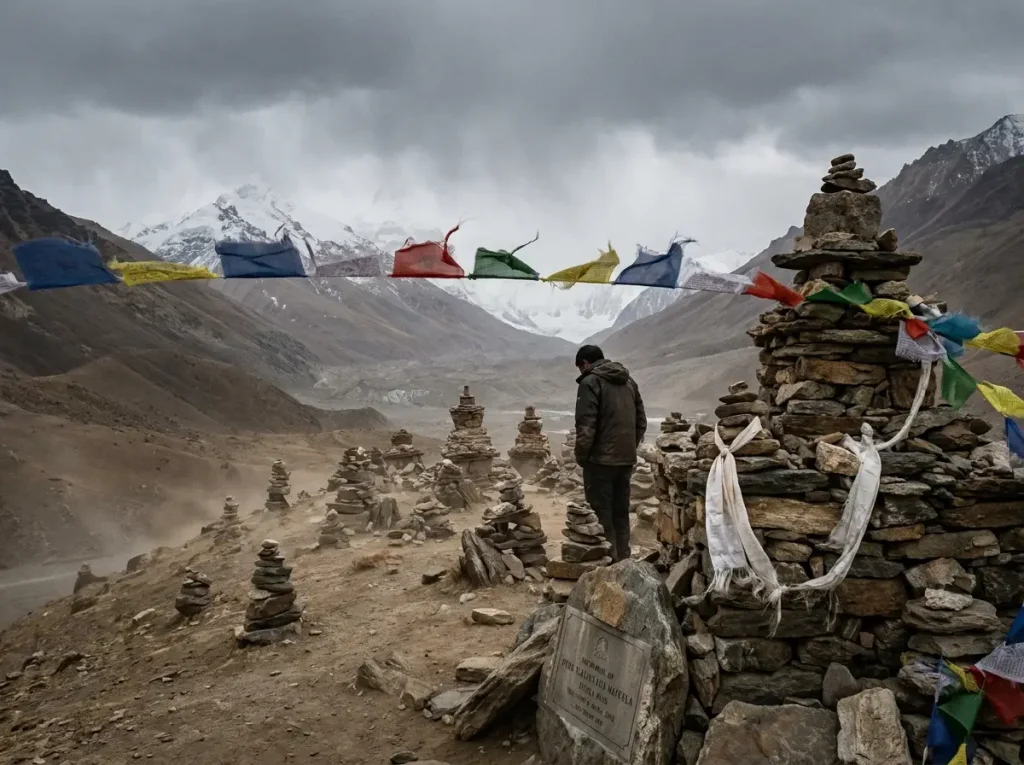
Every record on this page sits on top of a real toll. Since 1953, more than 330 climbers have lost their lives on Everest, a fatality rate of roughly 1% of everyone who attempts it. Put plainly, about one in a hundred who try don’t come back. That’s the sober counterweight to the leaderboard, and it’s also why the genuine human firsts deserve more respect than the superlatives.
If the fame has you convinced Everest is the ultimate test, it’s worth knowing the mountains that are technically far harder to climb barely register with the public. The full picture of what the world’s famous peaks actually demand of the people who climb them puts Everest’s roster in its proper place.
The Bottom Line on Who’s Climbed Everest
The “how many” answer is about 7,563 people as of December 2025, and it moves every spring, so always check whether a list is counting people or ascents and what year it’s from. The record holders aren’t who most people picture; the most-summits leaderboard is almost entirely working Nepali guides, led by Kami Rita Sherpa. And the roster is really two lists, a small set of genuine human firsts worth real respect and a much longer set of frequency, age, and speed records that are mostly logistics stories.
Next time you see a “who’s climbed Everest” headline, read it with the right lens. Separate the firsts from the frequency, the no-oxygen climbs from the assisted ones, and give the guides who carry the mountain the credit the famous names usually take.
Frequently Asked Questions
01How many people have climbed Mount Everest in total?
About 7,563 different people have reached the summit as of December 2025, across roughly 12,800 total ascents since 1953. The people number is far lower than the ascents number because guides summit repeatedly.
02Who was the first person to climb Mount Everest?
Edmund Hillary of New Zealand and Tenzing Norgay, a Sherpa, reached the top together at 11:30 a.m. on May 29, 1953. It was Tenzing’s sixth attempt on the mountain.
03Who has climbed Mount Everest the most times?
Kami Rita Sherpa holds the record, reaching his 32nd summit on May 17, 2026. He first summited in 1994 and has returned almost every spring since, as a working guide.
04Who was the first woman to climb Mount Everest?
Junko Tabei of Japan, on May 16, 1975. She summited just eleven days after being buried and knocked unconscious by an avalanche at Camp 2.
05Who are the youngest and oldest people to summit Everest?
Jordan Romero of the USA summited at age 13 in 2010 from the Tibet side, and Yuichiro Miura of Japan summited at age 80 in 2013. Both lean heavily on logistics and support rather than pure skill.
Safety Notice: Rock climbing and mountaineering are inherently high-risk
activities that can involve physical trauma or fatal incidents. The information on Rock Climbing Realms is for
educational and informational purposes only. Techniques and advice presented here are not a substitute
for professional, hands-on instruction. Conditions and risks vary by location. Always seek guidance
from a qualified instructor before attempting new techniques. By using this website, you agree that you
are solely responsible for your own safety. Any reliance you place on this information is strictly
at your own risk, and you assume all liability for your actions. Rock Climbing Realms and its authors
will not be held liable for any harm, damage, or loss sustained in connection with the use of this information.
Affiliate Disclosure: We are a participant in the Amazon Services LLC Associates Program, an
affiliate advertising program designed to provide a means for us to earn advertising fees by advertising and linking
to Amazon.com. As an Amazon Associate, we earn from qualifying purchases. We are also an official affiliate partner
of Black Diamond Equipment via the AvantLink network. If you click on a Black Diamond affiliate link and make a
purchase, we may earn a commission at no additional cost to you. We also participate in other affiliate programs.
Additional terms are found in the terms of service.