
In this article
Most climbers who type “El Capitan routes” into a search bar already have The Nose in mind, and for a lot of them, that’s the wrong place to start. The roster every guide covers by name, The Nose, Freerider, Salathé Wall, Zodiac, the Dawn Wall, is a thin slice of the 100-plus recorded lines on the wall, and the famous one isn’t the one most first-timers should chase. The trick is matching a route to what you’ve actually done on rock, not what you’ve watched on a screen. This guide walks the major El Capitan routes by grade, pitches, and history, flags the crowding and seasonal traps nobody mentions, and gives you a straight way to figure out which line fits where you really are as a climber.
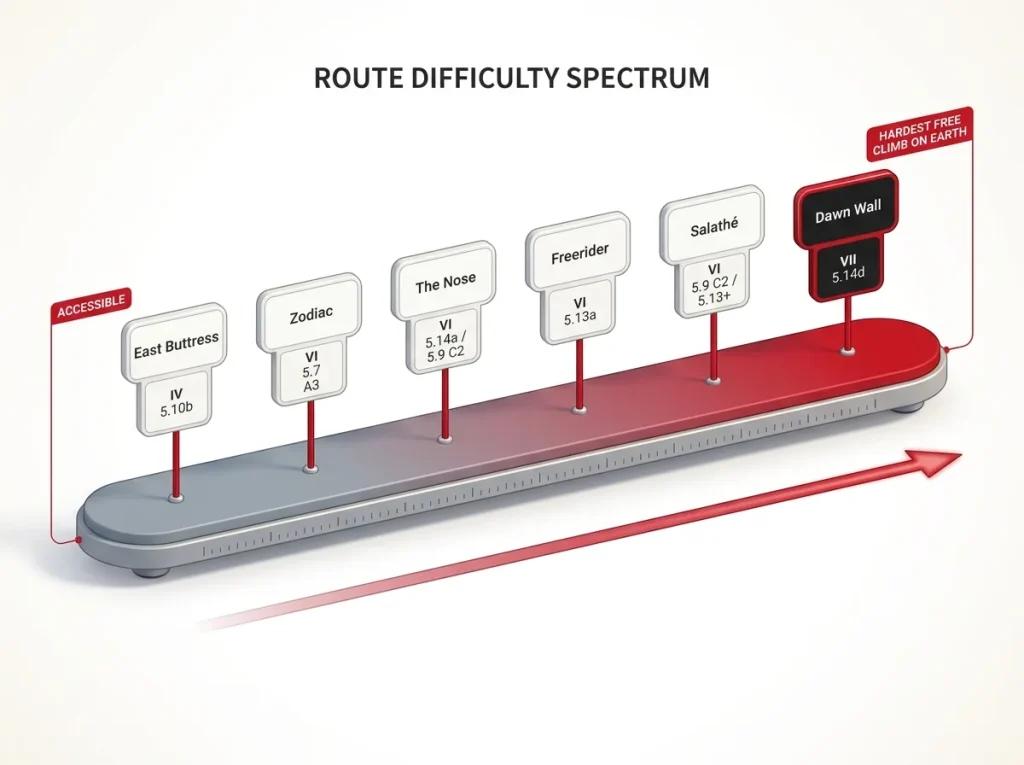
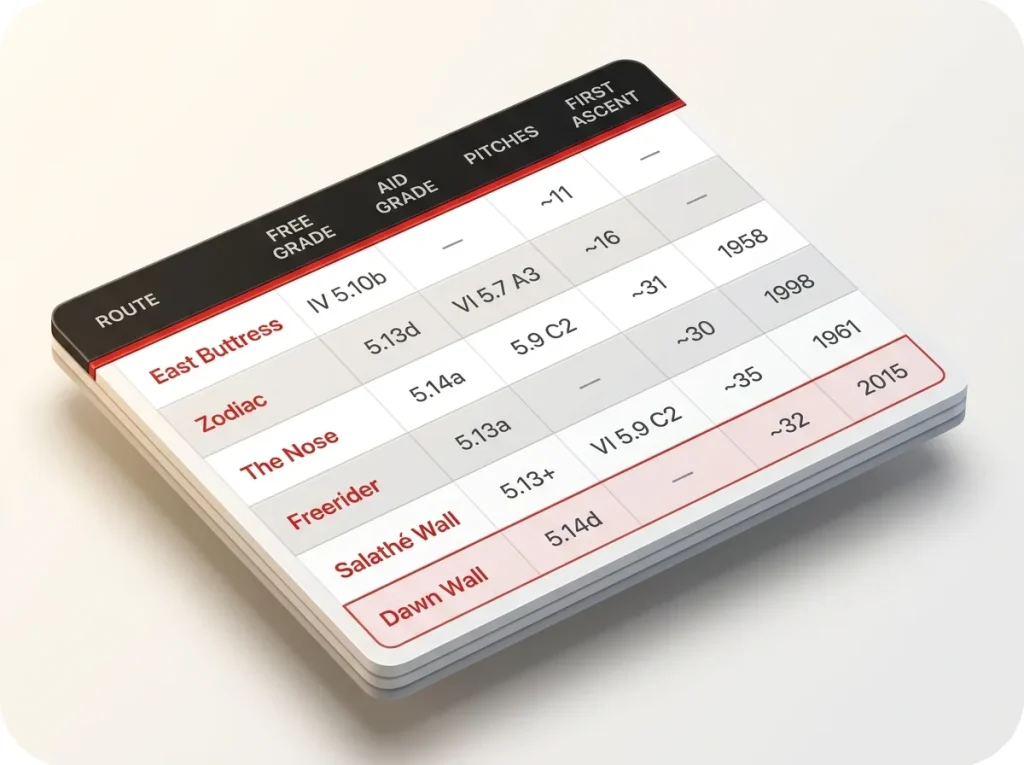
Here’s how the marquee lines stack up before we get into each one.
| Route | Grade (free / aid) | Pitches | Best for |
|---|---|---|---|
| East Buttress | IV 5.10b free | ~11 | Easiest full route, fall only |
| Zodiac | 5.13d free / VI 5.7 A3 aid | ~16 | A first aid wall |
| The Nose | VI 5.14a free / 5.9 C2 aid | ~31 | Experienced wall teams |
| Freerider | VI 5.13a free | ~30 | Expert free climbers |
| Salathé Wall | 5.13+ free / VI 5.9 C2 aid | ~35 | Aid veterans or elite free |
| Dawn Wall | VII 5.14d free | ~32 | World-class free only |
El Capitan at a Glance (History, Scale, and the Grade Spectrum)
A 3,000-Foot Granite Monolith
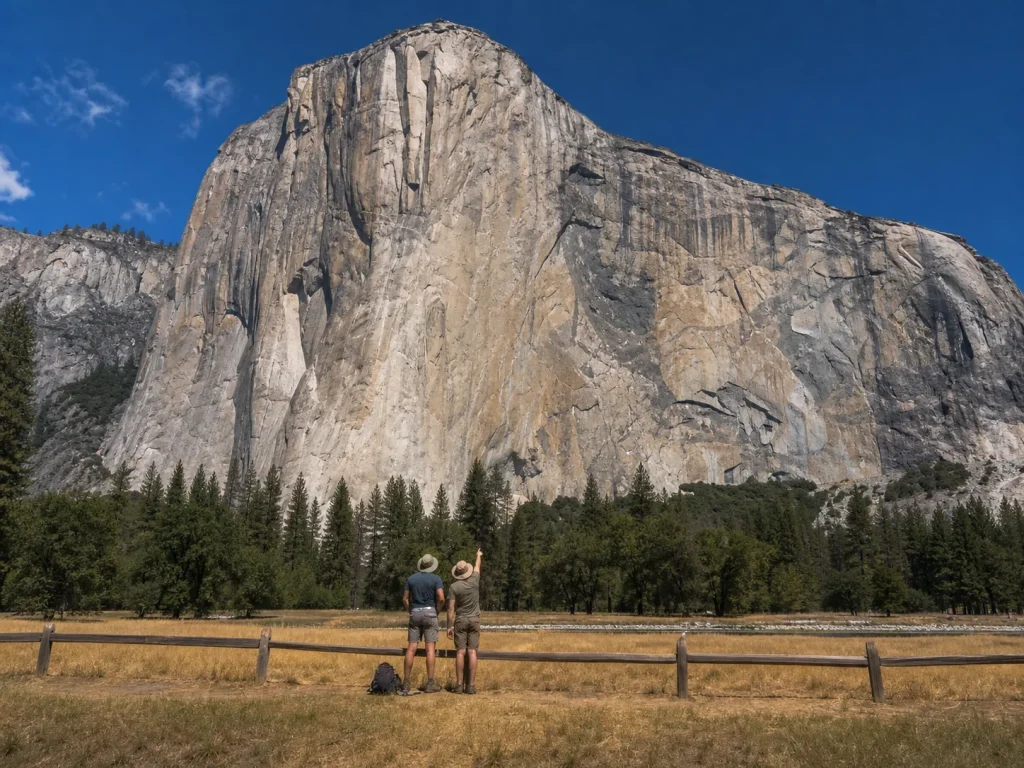
El Capitan rises about 3,000 feet of near-vertical granite straight off the floor of Yosemite Valley. That number is the thing photos flatten. You don’t feel it until you’re standing in El Capitan Meadow with the cars behind you shrunk to toys and a haul bag on the wall reading as a single red pixel. Scale changes everything about how you climb here. A 12-pitch day at your local crag and a multi-day route up El Cap share a rope and not much else.
The wall sits in the heart of the Valley, a short walk from the road, which fools people into treating it casually. It isn’t a remote objective, but the size makes it a serious one. Systems that feel smooth on a single-pitch outing get clumsy and slow when you repeat them thirty times with a bag hanging off you.
Aid vs. Free, and Why Every Route Has Two Grades
Most El Cap routes carry two grades because there are two ways up them. Aid climbing means you pull and stand on your gear to make upward progress, often standing in nylon aid ladders called etriers and placing pitons or cams where the rock won’t take a free move, graded on the A or C scale (C2, A3). Free climbing means you use the gear only to catch a fall and move on the rock itself, graded on the familiar Yosemite Decimal System (5.9, 5.13a). The Salathé Wall is the clearest example: it goes at 5.9 C2 as an aid route or 5.13+ as a free climb, and those are two completely different days out.
If the free-versus-aid split is new to you, it’s worth understanding how aid grades from A0 to A5 actually work before you read a topo, because a “5.7 A3” route can be far more committing than the 5.7 makes it sound. The Roman numeral out front (VI on most El Cap routes, VII on the Dawn Wall) is the commitment grade: it tells you the route is long, sustained, and expects you to be self-sufficient for days.
From 5.6 to 5.14d, the Difficulty Spectrum
El Capitan has more than 100 distinct recorded routes spanning roughly 5.6 to 5.14. The five or six that every guide names are a small fraction of what’s climbable on the wall, which is one of the most demanding faces in the wider world of famous mountain routes and the peaks that define them. The spread runs from the moderate East Buttress all the way to the Dawn Wall, the hardest big-wall free climb on earth. That range is exactly why “which El Capitan route” is a real question and not a formality. The right answer depends entirely on you.
The Route Roster at a Glance (Grade, Pitches, Length)
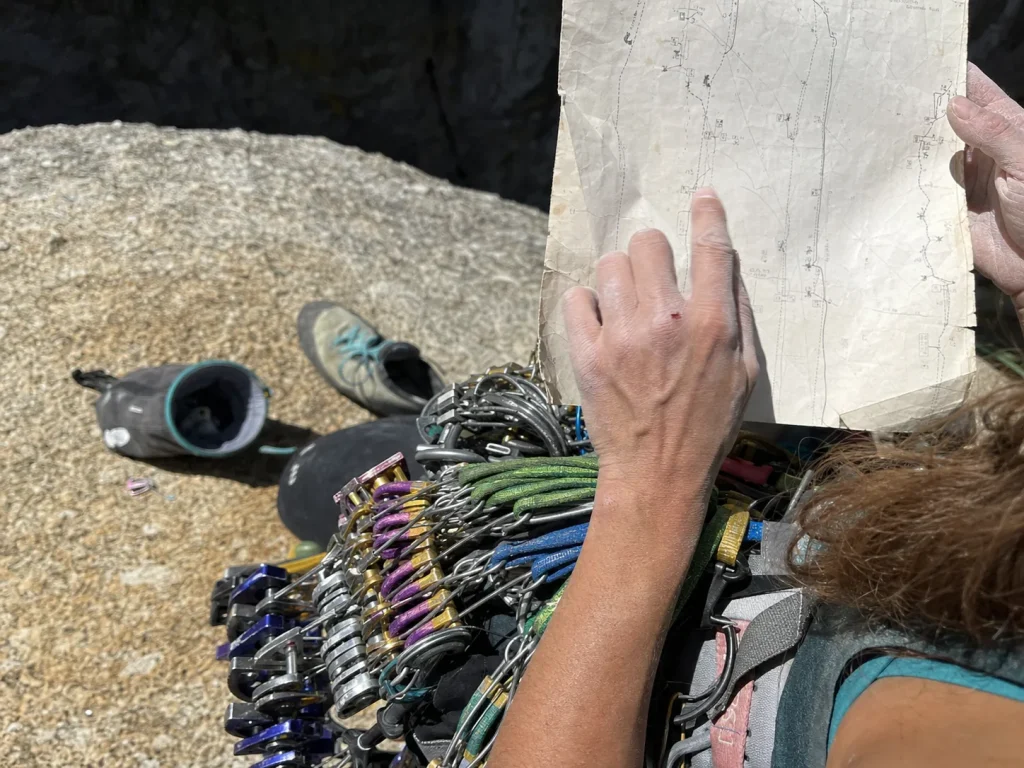
You’ve got the comparison table up top. This is how to read it without getting fooled.
Pitch Count Isn’t Difficulty
The number that misleads people most is pitch count. Zodiac is short at around 16 pitches, but it’s steep and committing, and a slower team can still eat three days on it. The East Buttress runs longer in feel but climbs at a moderate 5.10b, which makes it the easiest full line to the top. Length and grade only mean something together. A short, steep aid route and a long, moderate free route ask for different skills, different racks, and different amounts of patience.
The other trap is trusting a number without knowing how it was assigned. Grades on El Cap have been argued over for decades, and a route’s reputation can lag years behind its real difficulty. Understanding route selection here means reading the whole picture, grade, length, and your own climbing grade progression, before you decide whether a line is within reach or a season away.
The First Ascents Behind the Names
The history matters because it tells you how hard-won each line was. The Nose fell in 1958 to Warren Harding, Wayne Merry, and George Whitmore after a siege that took months. The Salathé Wall went to Royal Robbins, Chuck Pratt, and Tom Frost in 1961. Lynn Hill made the first free ascent of The Nose in 1993, solving the 5.14a Changing Corners crux that had resisted free climbing for 35 years. When a route takes three and a half decades to free, the gap between its aid grade and its free grade is not academic.
The Nose, the Famous One (and Its Traffic Problem)
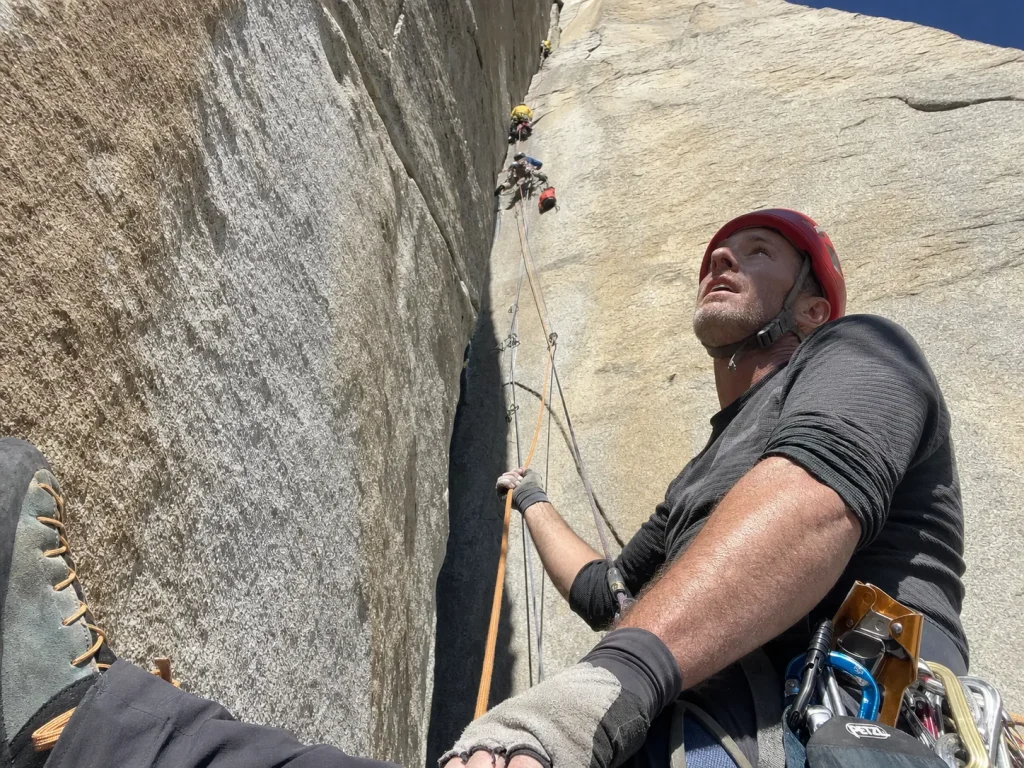
Everyone’s heard of The Nose. What the famous photos leave out is that you’re rarely on it alone, and the sideways start makes it a poor first wall despite the fame.
The Line and the History
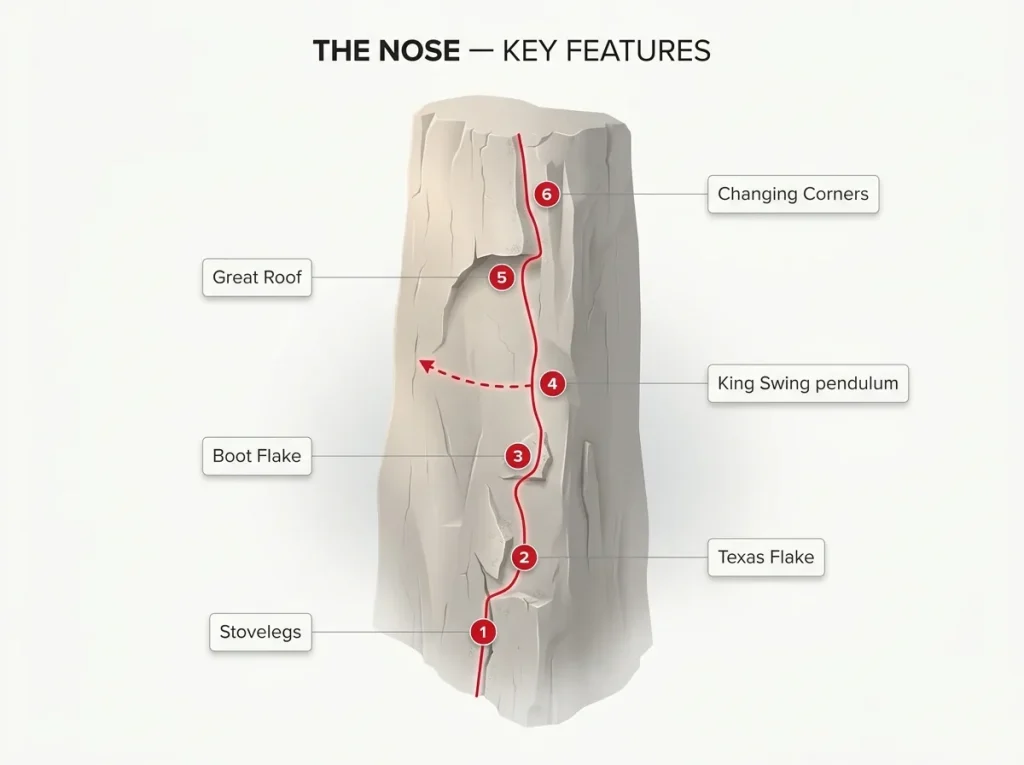
The Nose runs about 31 pitches up the central prow of El Cap, graded VI 5.14a as a free climb or 5.9 C2 as an aid route. It’s the most repeated and most photographed line on the wall, with roughly 600 people climbing it every year, and it’s the home of El Cap speed climbing, where elite teams race the clock on the Nose-in-a-Day. That fame is earned in history, Harding’s 1958 first ascent and Lynn Hill’s 1993 free ascent are landmark moments, and you can read more about how Lynn Hill freed The Nose when the best men of her era couldn’t. The problem is that fame and suitability are two different things.
Why It’s a Bad First Wall
Here’s the part the fame hides: the first six pitches of The Nose traverse roughly 1,000 feet sideways before the route goes properly vertical. Hauling a bag and following a sideways line is a completely different skill than going straight up, and it catches strong single-pitch climbers off guard. Then there’s the King Swing around pitch 16, a 100-foot pendulum where the leader runs across blank granite from Boot Flake to Eagle Ledge. It isn’t optional and it isn’t subtle. Committing to that swing with a crowd watching, and possibly queued behind you, is a real psychological choke point, not a photo moment. If you’re weighing The Nose against its neighbor, this data-backed look at The Nose versus the Salathé Wall lays out the trade-offs.
The Crowding Reality
In peak fall season, 3 to 10 parties on The Nose at once is normal, and one report counted 16 parties visible from the meadow at the same time. That means stacked belays and slow waits at bottlenecks like the Stovelegs and the Great Roof, even when your own climbing is fast. A photographer spent about 30 years documenting every party on the wall from El Cap Bridge, and the takeaway from all those seasons is simple: you are never really climbing this route alone, even when you feel alone up there. Plan your pace and your patience around the traffic, not around your best-case day.
Budget 3 to 5 days on The Nose if you’re not an elite team. A sub-24-hour Nose-in-a-Day push, what climbers call NIAD, is a feat, not the default, and planning around one is how people end up benighted with no water. Carry for the slow day and enjoy the fast one if it comes.
If you’ve decided The Nose is genuinely your route, the practical next step is knowing what it costs to hire a guide for The Nose, because a guided ascent buys the systems you might not have yet.
Freerider & the Salathé Wall, the Free-Climbing Pair
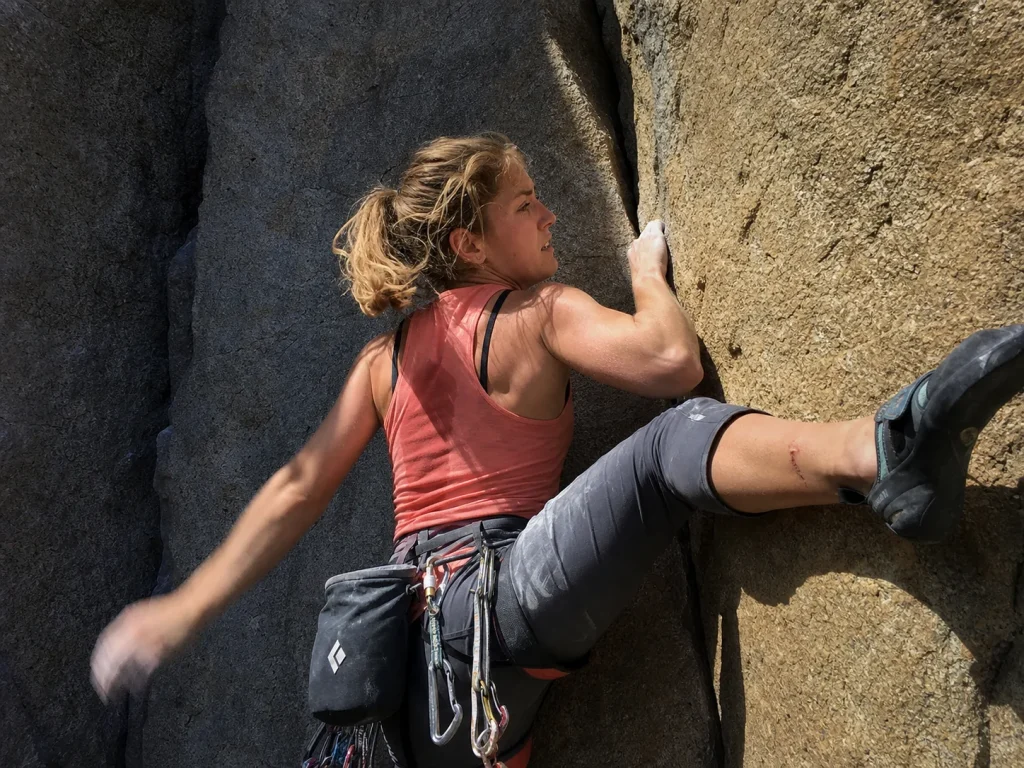
Freerider gets called the easy way to free El Cap. That’s true only in the sense that 5.13a is easier than 5.14, and it’s still a grade almost no one reading this will onsight.
Salathé Wall, the Original Clean Line
The Salathé Wall is the older, more serious of the pair, 35 pitches at VI 5.9 C2 as an aid route or 5.13+ free. Todd Skinner and Paul Piana made the first free ascent over nine days in 1988, and for years it was the harder free test piece of the two. It’s the clean line that Freerider is built on top of, and it remains a proud objective for aid veterans and elite free climbers alike.
Freerider, the 5.13a Variation Everyone Knows
Freerider shares most of the Salathé’s rock but takes easier variations to bring the free grade down to 5.13a, with the Teflon Corner variation going at 5.12d. Alexander Huber made the first free ascent in 1998. It’s the same wall, not a separate one, which is worth saying because people talk about them like distinct climbs. For the full picture on the grade, this breakdown of why Freerider isn’t really a 5.13a for most climbers is worth your time before you commit.
The Honnold Factor (and the Honest Caveat)
Freerider became a household name in 2017 when Alex Honnold free-soloed it, and the fame is earned. But don’t let the documentary set your expectations. “Easiest free route” is a relative term, it’s the easiest of the hardest, not an actual easy day, and 5.12d trad climbing 2,000 feet off the deck is expert terrain by any measure. The preparation behind that climb is the real story, and it’s covered in how Alex Honnold prepared rather than simply not felt fear.
Zodiac and the Accessible Routes (Where First-Timers Should Actually Look)
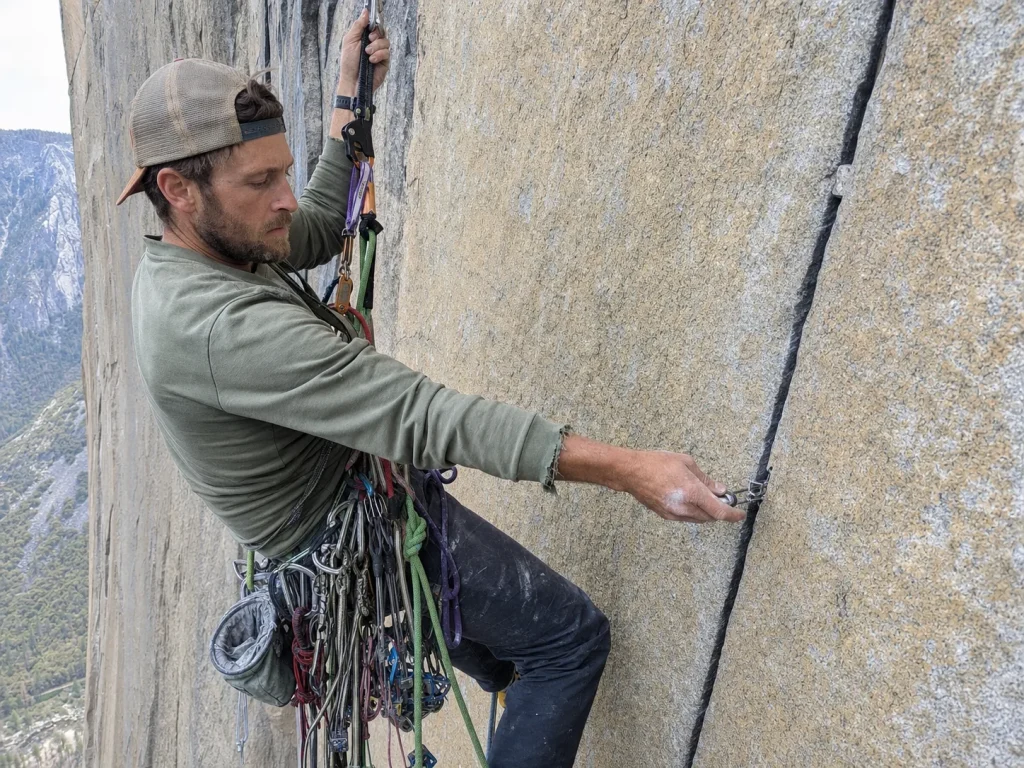
The best first wall isn’t the famous one. It’s the one short and steep enough to finish before your systems fall apart. That’s usually Zodiac or the East Buttress.
Zodiac, the Classic First Aid Wall
Zodiac climbs about 16 pitches at VI 5.7 A3 on the steep southeast face. It’s committing, but the compact length forgives a slower team in a way the longer marquee lines don’t, often meaning a single portaledge bivouac instead of several nights on the wall. A short, steep wall you finish clean teaches you more than a long, famous one you bail off halfway. That’s why it’s the common first-aid-wall pick, and why it belongs on the shortlist of anyone eyeing their first El Cap route.
The East Buttress, the Easiest Line Up (With a Seasonal Catch)
The East Buttress is the easiest full route to the top of El Cap, IV 5.10b over roughly 1,500 feet. Here’s the catch no competitor pairs with route planning: it’s typically soaked by Horsetail Fall from December through May, which puts it out of condition for more than half the year. Autumn is the real window. Show up in spring expecting a moderate warm-up and you’ll find running water where your holds should be.
Pick your route around the calendar, not just the grade. The East Buttress wants fall, the popular lines get slammed with traffic in fall, and the falcon closures can shut specific pitches in spring. The season decides as much as your ability does.
For climbers weighing which Yosemite objective to commit to, it’s worth understanding the two very different climbs on Half Dome too, since the “choose the right objective” problem plays out the same way there.
The Dawn Wall and the Expert Tier (Aspirational Context)
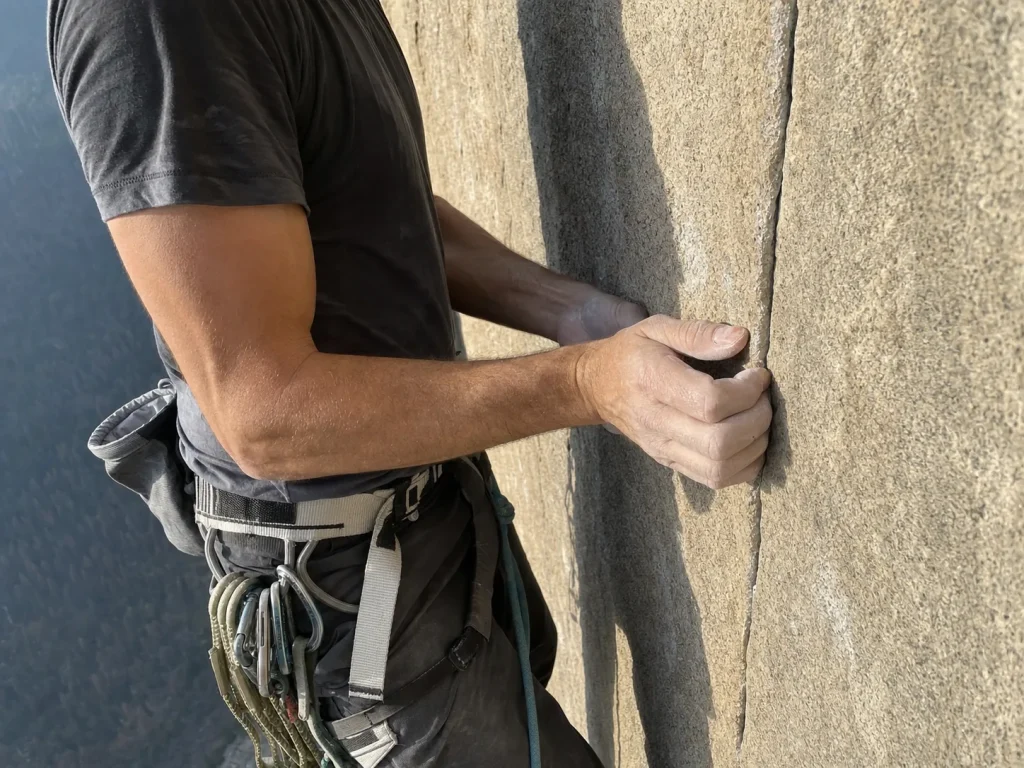
The Dawn Wall isn’t the next step after The Nose. It’s a different discipline that happens to be on the same rock.
The Dawn Wall, a Different Sport
The Dawn Wall goes at VII 5.14d over about 32 pitches, 18 of them harder than anything on Freerider. Tommy Caldwell and Kevin Jorgeson made the first free ascent in January 2015 after 19 days living on the wall. Sit with that number. Nineteen days, by two of the strongest big-wall free climbers alive, on a route one of them had been working for years.
Why “Hardest” Doesn’t Mean “Next”
Treating the Dawn Wall as an upgrade from The Nose is exactly how climbers misjudge every route below it. It’s context, not a to-do item, for almost everyone. The training that goes into this tier is a world of its own, and the training methods behind Tommy Caldwell’s Dawn Wall make it clear this isn’t a level you back into by climbing a few more moderate walls. Admire it, use it to calibrate, and be honest about where you sit relative to it.
Choosing Your Route, an Honest Experience Check
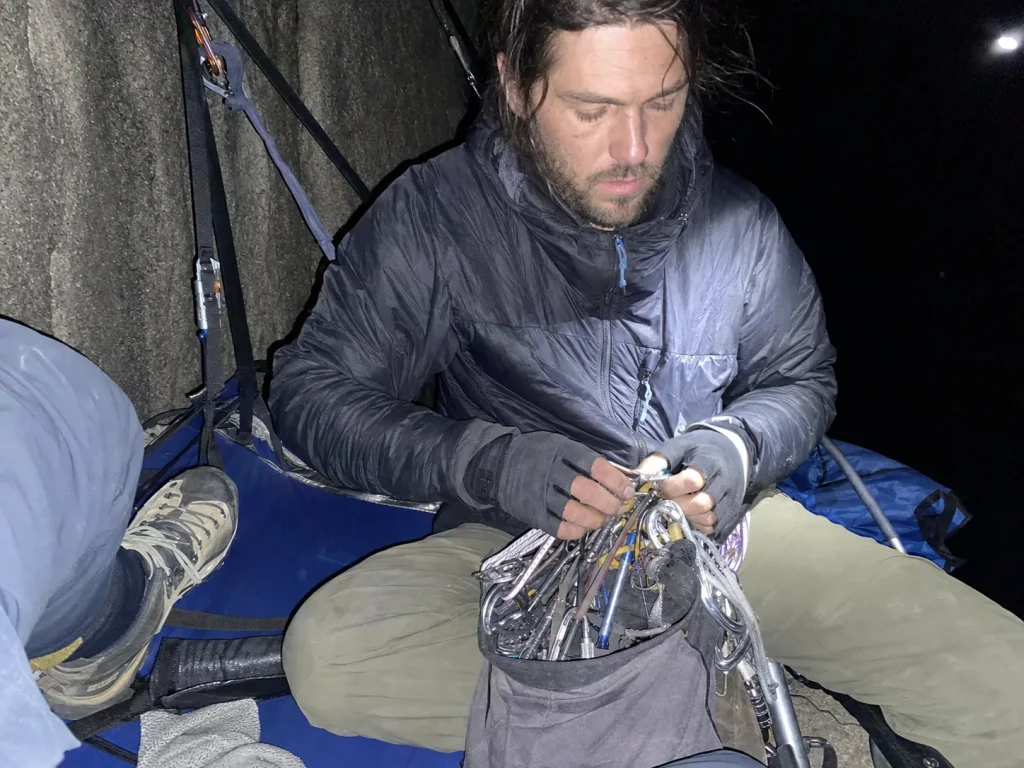
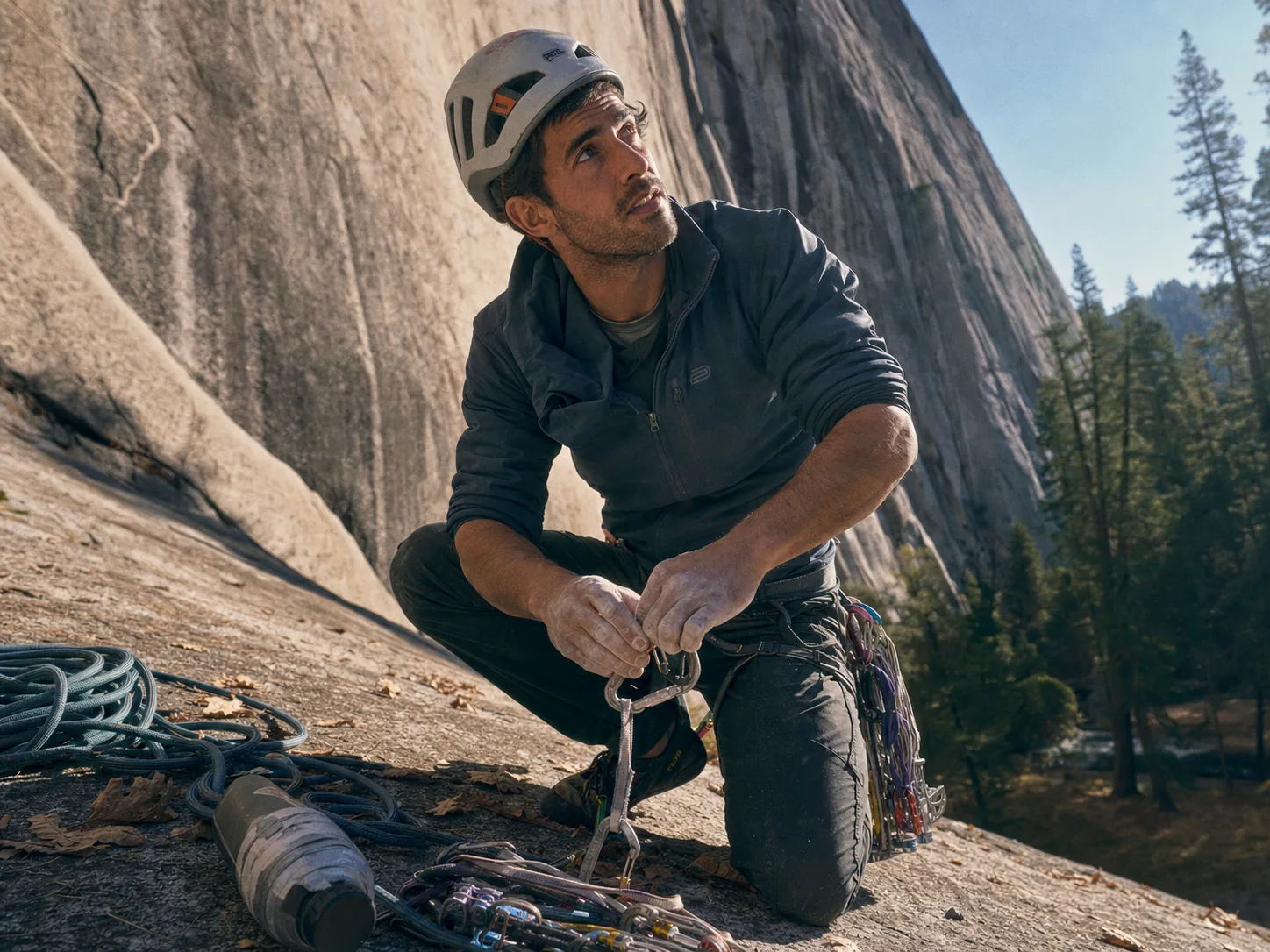
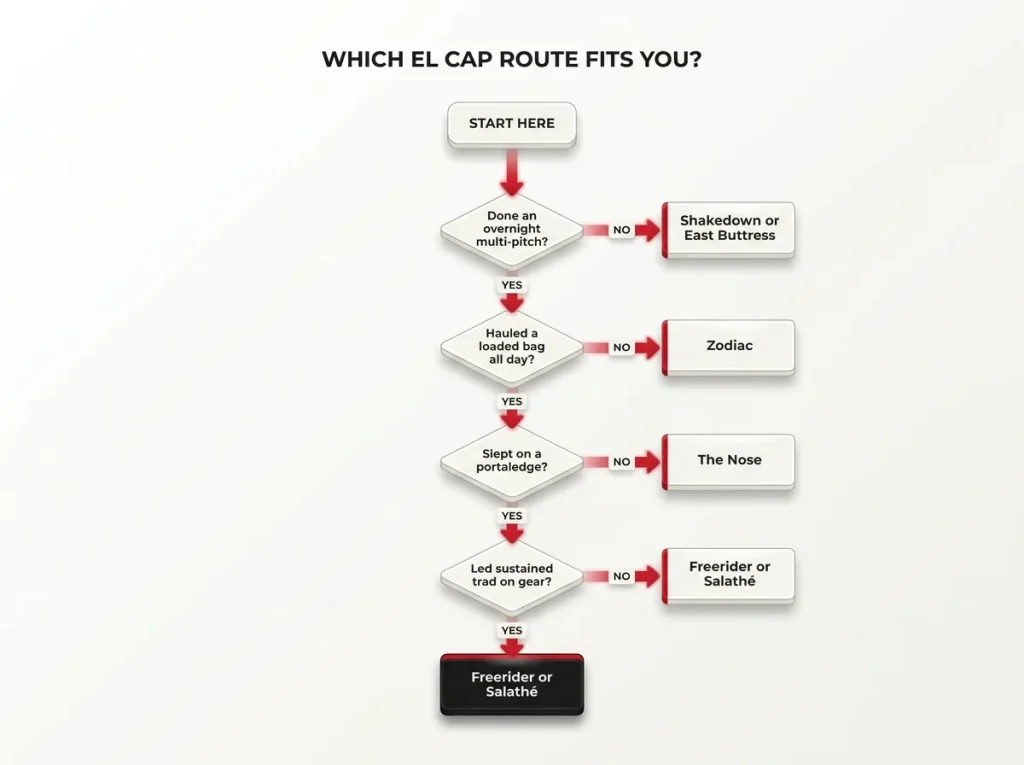
Forget which route looks best on your feed. The real question is what you’ve actually done. Have you slept on a portaledge? Hauled a bag up a wall? Led sustained trad above your last piece? Your answers, not your ambition, point to your route.
The Prerequisite Checklist
Run yourself through four honest questions before you pick a line:
- Have you done an overnight multi-pitch climb, sleeping on the route?
- Have you hauled a loaded bag for a full day?
- Have you spent a night on a portaledge?
- Have you led sustained trad well within your grade, placing your own gear?
Each “no” pulls you toward a shorter, more forgiving objective. This isn’t gatekeeping, it’s the difference between a hard trip you finish and an epic you barely walk away from.
Match Yourself to a Route
If you’ve never hauled or slept on a wall, your El Cap route this year is the East Buttress, or better yet a shakedown on Washington Column first. Solid systems and one wall already under your belt point to Zodiac. Strong trad leading plus real wall experience opens up The Nose, with your eyes open about the crowding. Expert free climbers look at Freerider and the Salathé Wall. Everything at the Dawn Wall tier is aspiration for the rest of us, and that’s fine. The mistake to avoid is defaulting to the classic line because it’s the one you’ve heard of, instead of matching a less-trafficked route to your real skill.
The Shakedown Rule
Do at least one multi-pitch overnight, or Washington Column in a day, before you get on El Cap. Systems and partner communication fail long before fitness does, and a shakedown is where you find the gaps cheaply. If your multi-pitch systems aren’t dialed yet, get your multi-pitch systems dialed first before you even think about a wall.
The honest tell of readiness isn’t your redpoint grade, it’s whether hauling, jugging, and cleaning on lead feel automatic. If you’re still thinking hard about the systems, you’re not ready to add El Cap’s scale on top of them. Get the systems boring first.
Gear, Permits, Guides, and Season (The Logistics Snapshot)
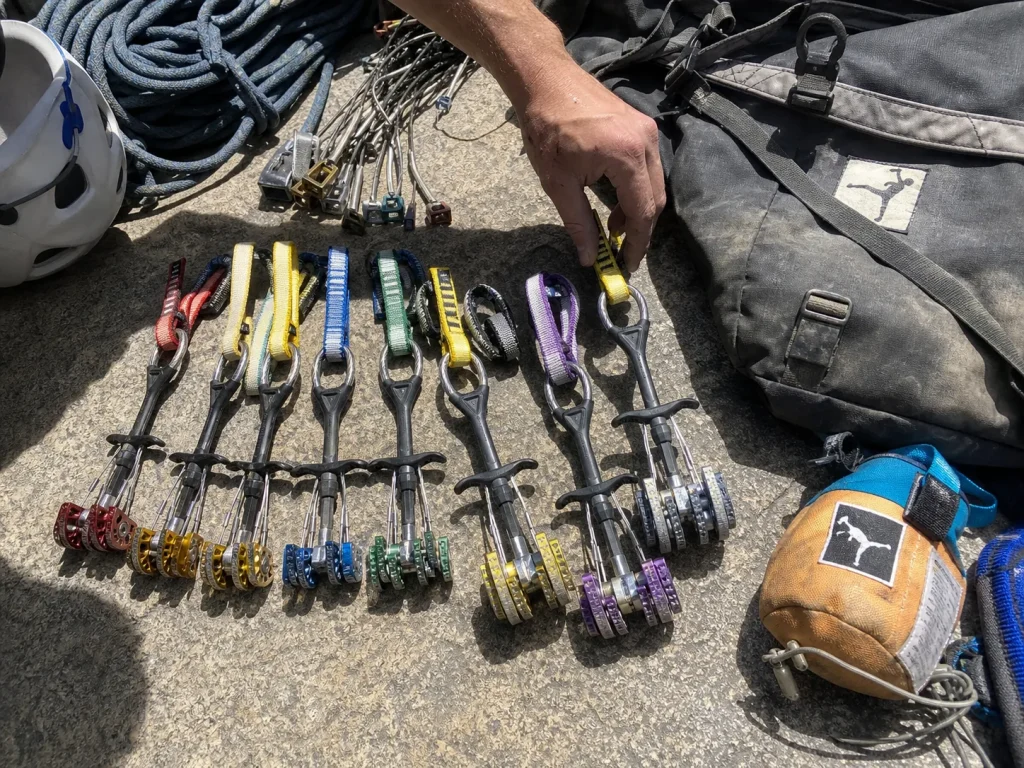
You don’t need the perfect kit to think about El Cap, but you do need to know what the wall demands and when it’s actually open.
What the Wall Demands
A big-wall rack starts with a double rack of cams, backed up with offset nuts for the thin seams, and the Black Diamond Camalot C4 Set is the standard trad and aid protection most teams build around. You’ll need a way to carry days of food and water up the wall, which is where a purpose-built bag like the Metolius El Cap Haul Bag earns its place over a duffel that shreds on the first haul. And because NPS rules require you to pack out human waste on a multi-day route, a compliant kit like the Cleanwaste WAG BAG is not optional, and it’s part of the Leave No Trace standard that keeps the wall climbable.
Permits, Closures, and the Falcon Calendar
El Cap climbing needs a Yosemite wilderness permit for overnight routes, and the season is shaped by more than weather. Peregrine Falcon nesting closures run roughly March 1 through August 1, capped at no more than 5% of routes at a time, and they can shut specific pitches rather than the whole wall. Before you commit to a spring route, check Yosemite’s official climbing closures page so you don’t drive in to a closed line. Most wall climbers base out of Camp 4, the historic climbers’ campground, and one hazard the calendar won’t warn you about is rockfall, which gets worse on the popular lines when parties stack up above you. The closures themselves are a conservation win worth understanding, and the story of how climbers helped bring peregrine falcons back to El Capitan is a good reminder of why they exist.
Guides and the Authorized-Service Rule
If you want to hire a guide, Yosemite Mountaineering School is the only NPS-authorized service inside the park. Unauthorized commercial guiding, what climbers call “pirate guiding,” is against park rules and a real enforcement issue, so it’s worth confirming that any guide you hire holds real credentials rather than just a business card.
The Bottom Line on El Capitan’s Routes
The famous route isn’t the beginner route. Match the line to what you’ve actually climbed and hauled, not to what you’ve watched, and you’ll pick something you can finish instead of survive. And check the season and closure calendar as carefully as you check the grade, because on El Cap the timing decides as much as your ability.
Start where your experience puts you: a shakedown wall or the East Buttress if you’re new to the game, Zodiac when your systems are solid, and the marquee lines when you’ve genuinely earned them. Pick the route that fits the climber you are today, do the homework, and let the wall wait, it isn’t going anywhere.
Frequently Asked Questions
01What is the easiest route to climb El Capitan?
The East Buttress (IV 5.10b, roughly 1,500 feet) is the easiest full route to the top, and Zodiac (VI 5.7 A3) is the common first aid wall. Both beat The Nose as a first objective. Note the East Buttress is usually soaked by Horsetail Fall from December through May.
02How many routes does El Capitan have?
El Capitan has more than 100 distinct recorded routes ranging from about 5.6 to 5.14. The five most famous, The Nose, Freerider, Salathé Wall, Zodiac, and the Dawn Wall, are a small fraction of what is climbable on the wall.
03How long does it take to climb El Capitan?
Most teams take 3 to 5 days on a route like The Nose. Elite parties do sub-24-hour Nose-in-a-Day pushes, but that is a feat, not the norm. Longer routes like the 35-pitch Salathé Wall can run a week for a non-elite team.
04Can a beginner climb El Capitan?
Not as a true beginner. El Cap demands big-wall systems like hauling, jugging, and cleaning that take years to build. Do an overnight multi-pitch or Washington Column shakedown first, then start on Zodiac or the East Buttress rather than The Nose.
05What is the hardest route on El Capitan?
The Dawn Wall (VII 5.14d) is the hardest, with 18 pitches harder than anything on Freerider. Its 2015 first free ascent took Tommy Caldwell and Kevin Jorgeson 19 days on the wall. It is a different sport from the aid and moderate free routes, not an upgrade from them.
Safety Notice: Rock climbing and mountaineering are inherently high-risk
activities that can involve physical trauma or fatal incidents. The information on Rock Climbing Realms is for
educational and informational purposes only. Techniques and advice presented here are not a substitute
for professional, hands-on instruction. Conditions and risks vary by location. Always seek guidance
from a qualified instructor before attempting new techniques. By using this website, you agree that you
are solely responsible for your own safety. Any reliance you place on this information is strictly
at your own risk, and you assume all liability for your actions. Rock Climbing Realms and its authors
will not be held liable for any harm, damage, or loss sustained in connection with the use of this information.
Affiliate Disclosure: We are a participant in the Amazon Services LLC Associates Program, an
affiliate advertising program designed to provide a means for us to earn advertising fees by advertising and linking
to Amazon.com. As an Amazon Associate, we earn from qualifying purchases. We are also an official affiliate partner
of Black Diamond Equipment via the AvantLink network. If you click on a Black Diamond affiliate link and make a
purchase, we may earn a commission at no additional cost to you. We also participate in other affiliate programs.
Additional terms are found in the terms of service.