
In this article
I once watched a climbing partner pull a drill to sink a bolt inches from a thousand-year-old Fremont petroglyph. He assumed faded red pigment was just camp graffiti. After decades volunteering with coalitions and watching gates padlock across the West, I know firsthand: treating sacred tribal rock like a disposable jungle gym is the fastest way to lose it. If you want to stop the closures and understand indigenous land climbing access, this respect guide shows how to honor the original stewards.
Quick Answer: Protect indigenous land climbing access by looking up tribal regulations, treating voluntary ceremonial closures as mandatory, and refusing to place permanent hardware on sacred stone. Climbers assume “public land” means no rules, but ignoring tribal sovereignty forces land managers to implement absolute bans.
The Essential Indigenous Land Climbing Access Respect Guide: Beyond “Public” Lands
The “Public Land” Myth and Stolen Territories
We love that spark of freedom when passing a National Forest sign, claiming a patch of dirt for the weekend. The community drills a specific idea into our heads: these lands belong to everyone, and you have a right to play here. But this mindset skips an uncomfortable reality. Every crag in North America occupies stolen territory. We must stop treating tribal permits as annoying red tape and recognize indigenous sovereignty for what it is.
There are 574 distinct sovereign Indigenous nations in the US. Each holds its own binding treaties and legal rights to manage ancestral lands. Viewing weekend access as an automatic right is like walking into a stranger’s house and rearranging their furniture. If you show up just to log your send, you treat a powerful place like a disposable commodity. Saying a land acknowledgment is a decent start, but tangible respect means changing how you operate before your tires hit the dirt.
Natural Law vs. State Policies
Federal management operates on rigid frameworks, telling you what you can get away with. If the BLM posts an update saying bolting is technically allowed somewhere, developers take that as a green light. But tribes whose ancestors lived there don’t consult policy handbooks; they operate under natural law.
In Western recreation, rock is just a pile of minerals waiting for conquest. To many Indigenous communities, the mountain or desert tower is a living relative deserving the exact deference given to an elder. They view ecosystems through reciprocity, meaning you give back what you take. When a state agency says a cliff is open for recreation, they mean legal permission�not ethical soundness. You wouldn’t drill holes into your grandmother because a sign didn’t forbid it. This clash between state policy and living natural law blindsides climbers when a tribe pushes back against new route development.
Pro-Tip: Treat the rock like a sleeping elder. Assume the stone holds deep meaning, even if you don’t understand the history.
Treating the rock respectfully starts with knowing whose front yard you parked in. If you don’t know the territory, you’ve already failed.
The Native-Land.ca Pre-Trip Check
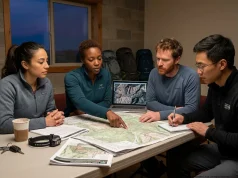
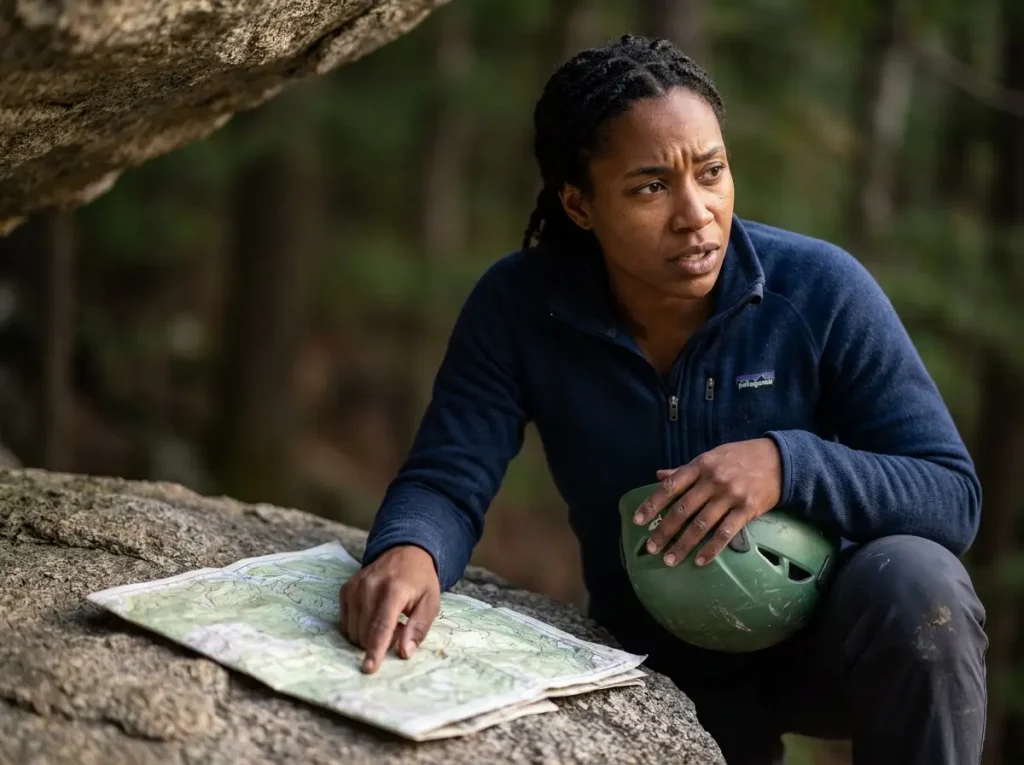
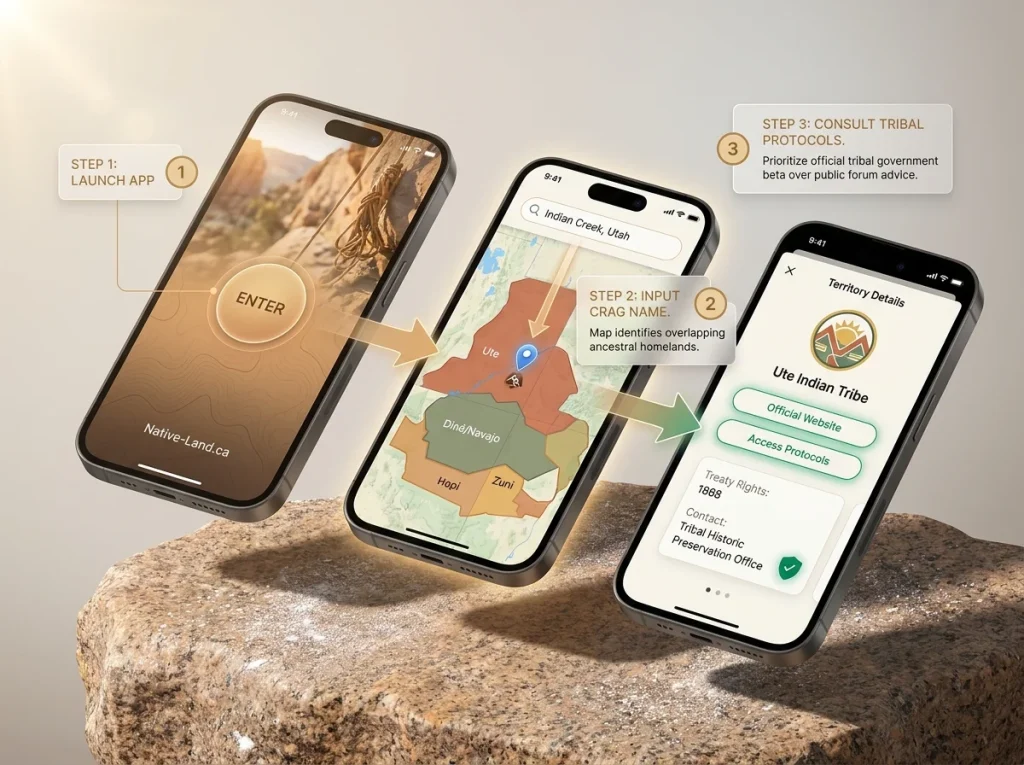
The easiest way to fail the trailhead test is standing in your harness, clueless about whose homeland you are resting on. We spend hours scouring Mountain Project for exact approach beta. But skipping a five-minute tribal research check means you miss step one of the crag respect checklist.
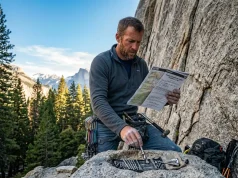
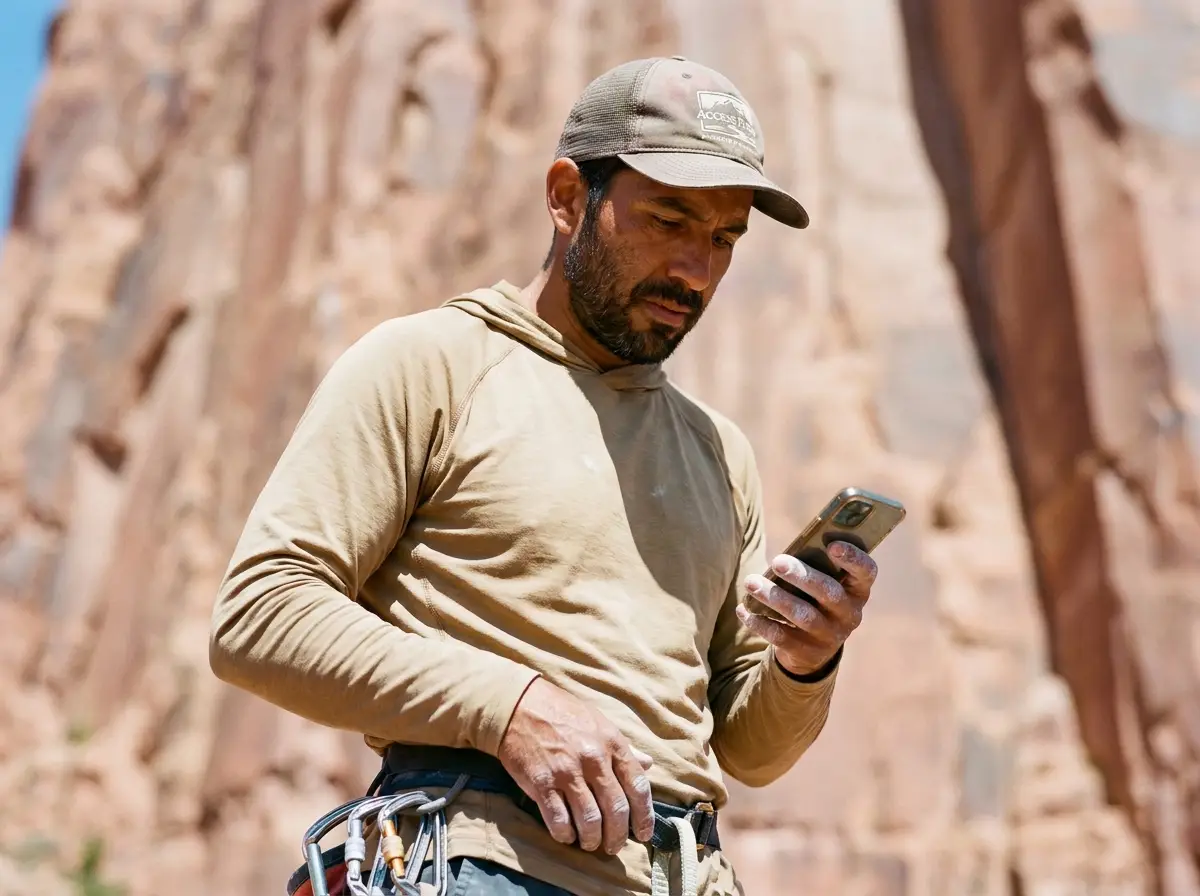
Treat a territory check exactly like your figure-eight knot. Open the Native-Land.ca app, plug in your crag, and see a map of original tribal territories. This starts the process of identifying specific tribal territories and treaties. Then, look up the official tribal government website for access pages. Tribes actively practice digital sovereignty, keeping GPS locations of sacred spots off public apps. Hard beta on a tribal site overrides any forum post. Remember, foundational climbing etiquette applies everywhere, but tribal rules dictate specific boundaries.
Mistake 1: Leaving Permanent Scars in Sensitive Stone
The Hidden Chemistry of Bolts and Sandstone
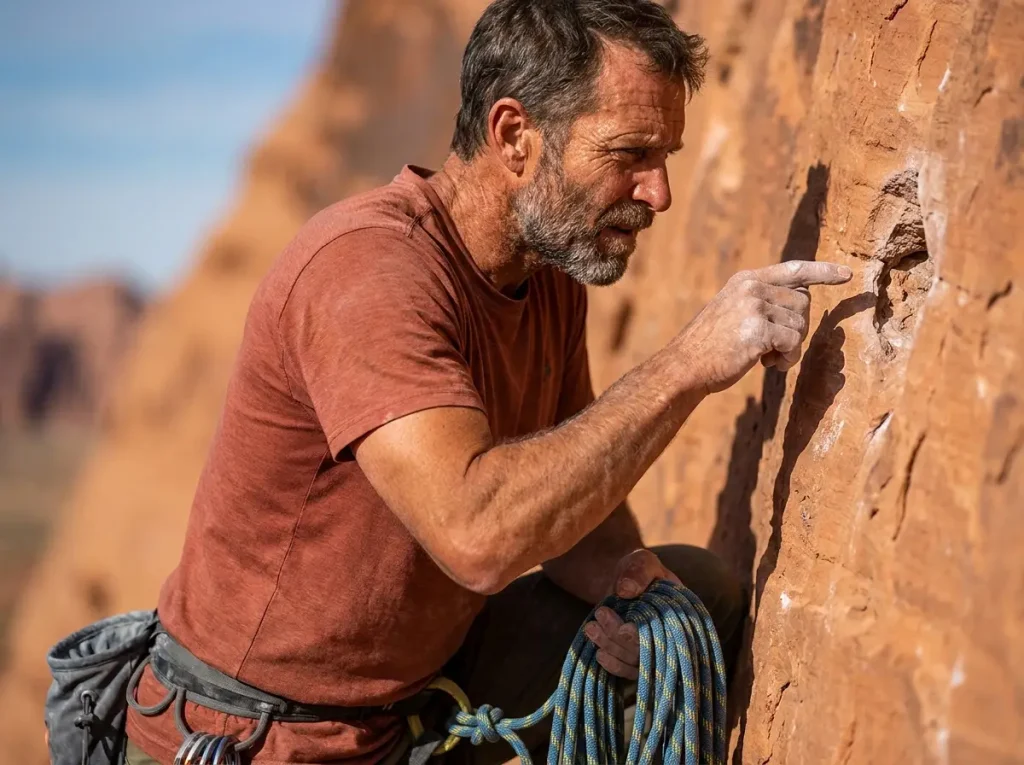
Debates over permanent hardware usually focus purely on visual impact shiny steel hangers on red rock. The real problem runs through the center of the stone itself. I watched a crew establish a sport line in Utah, sinking heavy expansion bolts deep into soft Entrada sandstone. They thought they built a safe route; they actually installed a demolition system.
Sandstone breathes, pulling moisture in and letting it out. A solid steel bolt is non-permeable. It plugs that pore and traps moisture right behind the expander sleeve. When temperatures naturally drop below freezing, that trapped water freezes and expands, creating continuous micro-fractures inside the rock. Over time, those fractures connect, and the rock shatters from the inside out. Giant flakes of sandstone peel off classic routes because fixed anchors compromised structural integrity. This is why the Park Service cracks down hard on NPS climbing management plans regarding fixed anchors around national monuments. You are accelerating the physical degradation of the rock.
The Profanation Principle: Is a Dirty Crag Still Sacred?
Climbers are master rationalizers. When bolting near a tribal site, they use the exact same tired excuse: a paved highway sits a mile away, or a chaotic campground rests below the cliff. This specific mindset is the profanation principle. It assumes that if a wild area has modern development, its sacredness is permanently gone, making it open season for drilling.
To indigenous communities, a cultural site never loses its inherent spiritual power just because society bulldozed a parking lot next door. Think of it like a historic church in a loud city. If a baseball shatters a stained glass window, you don’t use that broken window as an excuse to spray paint the altar. The space remains sacred. Using modern scars to justify your own route development shows zero respect for people who travel huge distances to these exact places for ceremony.
Confusing ancient art for graffiti is how you end up in federal court. That visual gap causes massive, irreversible damage.
Recognizing Ancient Rock Art Before You Drill
The ugly bolting incident at the Sunshine Wall near Moab was a massive wake-up call for the community. An experienced developer drilled sport routes straight across a sprawling panel of thousand-year-old Fremont rock art. His only defense was that the faded markings looked like spray-paint to him. That profound ignorance is an overarching federal offense under the Archaeological Resources Protection Act (ARPA) carrying massive fines and potential prison time.
Before taking your rope out at a desert cliff, scan the entire wall. You are looking for petroglyphs (intentionally pecked or carved) and pictographs (painted on using old iron oxide pigments that fade over centuries). You must clearly understand the irreversible damage that magnesium carbonate does to rock art pigments. Brushing your sweaty, chalky hands across faded paint ruins its chemical composition forever.
Also, check the dirt exactly where you plan to drop your heavy pack. Deep, smooth grooves carved into boulders near the base are very likely ancient grindstones. If you do not know what you are looking at in the desert, you simply have no business doing new route development.
Pro-Tip: Treat the entire base of the cliff as an active archaeological site. If you see anything unnatural on the wall, back off immediately, pack your gear, and climb elsewhere.
Mistake 2: Treating “Voluntary” Closures as a Loophole
The Devils Tower (Bear Lodge) Reality Check
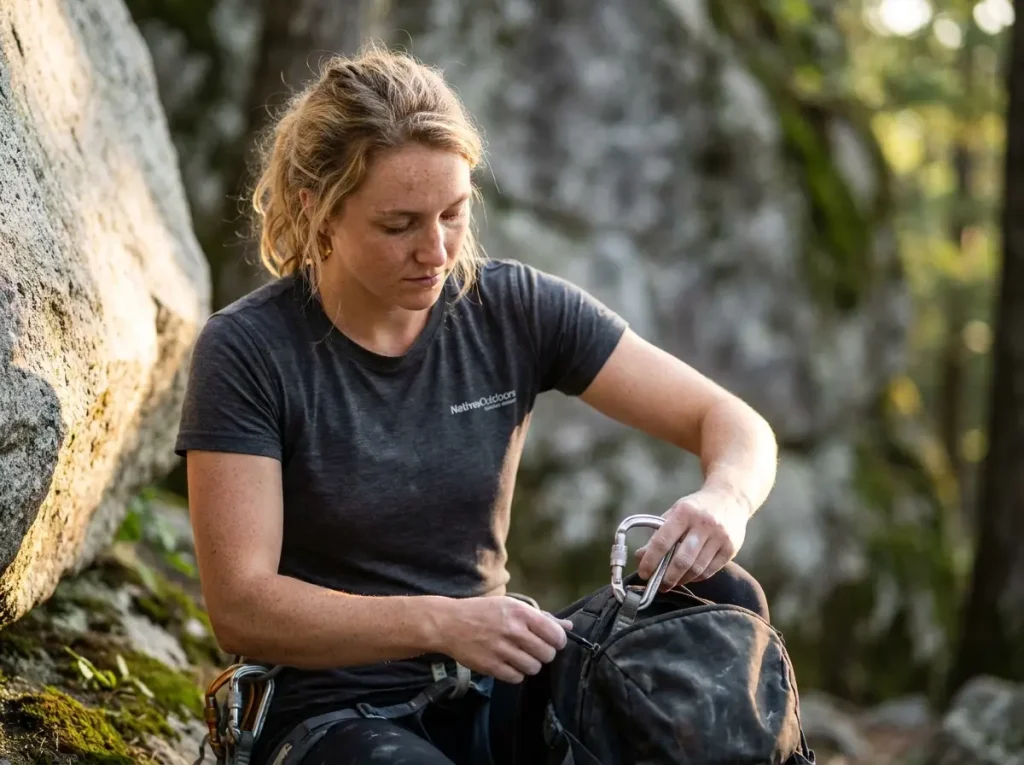
If you are preparing for a trip to Devils Tower, also known locally as Mato Tipila or Bear Lodge, you absolutely need to understand its June closure. In 1994, the climbing scene acted like the wild west. Over a thousand climbers swarmed the iconic tower in June�the most religiously significant month of the entire year for Northern Plains tribes. Shouting commands directly disrupted the sacred Sun Dance happening in the meadows below.
To find a middle ground, the Park Service instituted historic June closure protocols in 1995. They asked climbers to voluntarily stay off the tower for just one month. The community responded well initially, dropping climbing numbers by 85 percent. We proved climbers can put egos aside. But some entitled climbers abuse that word “voluntary.” They treat the closure as a convenient loophole simply because a ranger isn’t threatening a hefty ticket. If you want a world-class crag to stay open eleven months out of the year, treat a voluntary tribal closure like a mandatory law.
The Visibility Fallacy and Contaminating Prayer
When someone breaks a voluntary closure to rope up anyway, their rationalization is entirely based on sightlines. They figure if they climb a route out of view on the backside of the mountain, they aren’t causing harm. We call this the visibility fallacy.
Indigenous ceremonies do not work like a Sunday church service inside a soundproof building. For many tribes, the entire mountain, every crack, and every boulder acts as a living altar. When a climber scales the rock during a ceremony, their physical presence actively contaminates the prayer. I stood at a dusty viewpoint near Bear Lodge years ago alongside Waylon Black Crow Sr., a respected elder. We watched two tiny specks inching up the tower in mid-June. He didn’t yell. He just shook his head slowly and said, “All we can do is watch.” Your good intentions do not matter when your exact physical location actively disrupts someone’s spiritual practice.
Hiding out of sight to climb isn’t okay, and demanding constitutional rights to play outside makes the problem worse.
How “Freedom” Arguments Lead to Absolute Bans
Spend ten minutes in a climbing forum debate, and someone inevitably quotes the First Amendment. They argue loudly that closing public land to protect a religious ceremony is unconstitutional. They complain about their rights as taxpayers, turning a simple human request for decency into a messy federal legal battle.
When climbers fight like spoiled children over a toy, they force land managers’ hands. If the community refuses to self-regulate, agencies have no choice but to turn polite requests into mandatory bans. Every time you cross a marked closure line because you think your freedom to pull on rock trumps local rules, you prove our community cannot be trusted. The “freedom” argument guarantees permanent bans.
Mistake 3: The “Extraction” Mindset of the Modern Climber
Shiprock, Navajo Law, and the Ghost of the 1970s
Standing tall in the New Mexico desert is Tsé Bitʼaʼí, widely known as Shiprock. Decades ago, this massive plug was the ultimate bragging-rights prize for hardcore dirtbags testing sketchy aid climbing skills. Then came a horrific fatal accident in 1970. Following that tragedy, the Navajo Nation acted swiftly, enacting a permanent absolute ban on all rock climbing across their territory.
Western climbers struggle to comprehend why one single accident caused a total nationwide shutdown. We view a crag fatality as an acceptable inherent risk of the sport. But in Navajo worldview, a fatality in a sacred space acts as a severe spiritual contamination. It permanently alters the terrain, turning a powerful place into a taboo. Ignoring the Navajo Nation’s absolute ban on backcountry access and climbing just because you want a cool drone shot is the highest form of disrespect. Even just a few hours north at Indian Creek, climbers routinely operate as if local rules do not apply to their adventure. There is no gray area to negotiate. If a sovereign nation says the rock is closed, the rock is closed.
The Limits of Leave No Trace
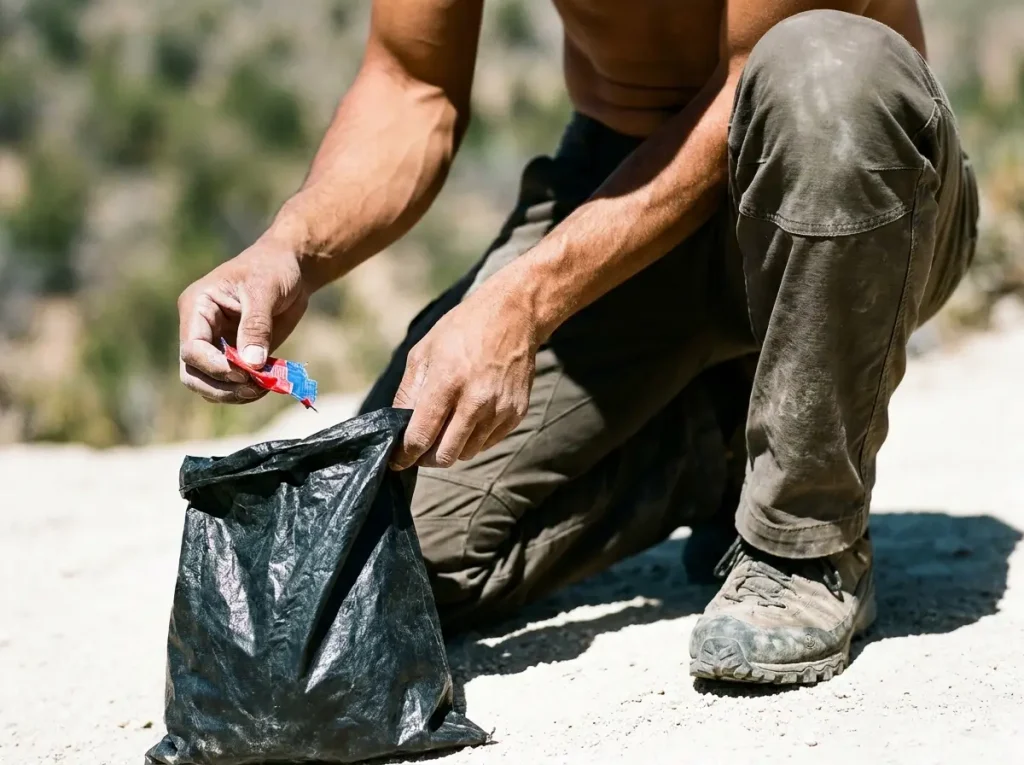
The booming outdoor industry spent thirty years hammering the Leave No Trace (LNT) principles into our heads. We learned how to pack out wrapper trash and avoid building unauthorized smoky fire rings by our tents. But the reality is exactly that LNT acts as the bare minimum required for existing outside. LNT teaches you how to quickly walk through a place without making a physical mess, but it does absolutely nothing to teach you how to be a good neighbor.
You can follow every single strict LNT rule to the letter and still be an entirely extractive visitor. We treat our climbing trips like smash-and-grab operations. We drive our vans in fast, climb our routes, camp in hidden free spots to avoid paying fees, and drive home without engaging the people who actually live there. LNT is the exact equivalent of cleaning up your own plate at a dinner party. It is expected, baseline behavior. Reciprocity means scrubbing the dishes, thanking the weary host, and bringing something of real value the next time you walk through the door.
So, how do we stop taking from the land and actually start giving back to the people who steward it? It starts with where you decide to drop your cash when the day is over.
Shifting from Extraction to True Reciprocity
Transitioning from an extractive climber to a genuinely reciprocal one requires changing where you spend time and money. It means shifting your entire approach to mapping out a trip to indigenous lands. Instead of finding the absolute cheapest way to exist in the desert, look actively for ways to give back.
Consciously practice reciprocity by paying for official camping right on tribal land rather than poaching a sketchy spot on federal land. Hire a knowledgeable indigenous guide for the day, or buy your morning coffee at local tribally owned businesses. If the Bears Ears Inter-Tribal Coalition hosts a trail-building day, burn a climbing day to go swing a heavy pulaski and move dirt all afternoon. Respect requires making sure our presence adds tangible value to local communities rather than endlessly taking.
Mistake 4: Failing the Ethical “Buddy Check”
Why Crag Silence Costs Us Access
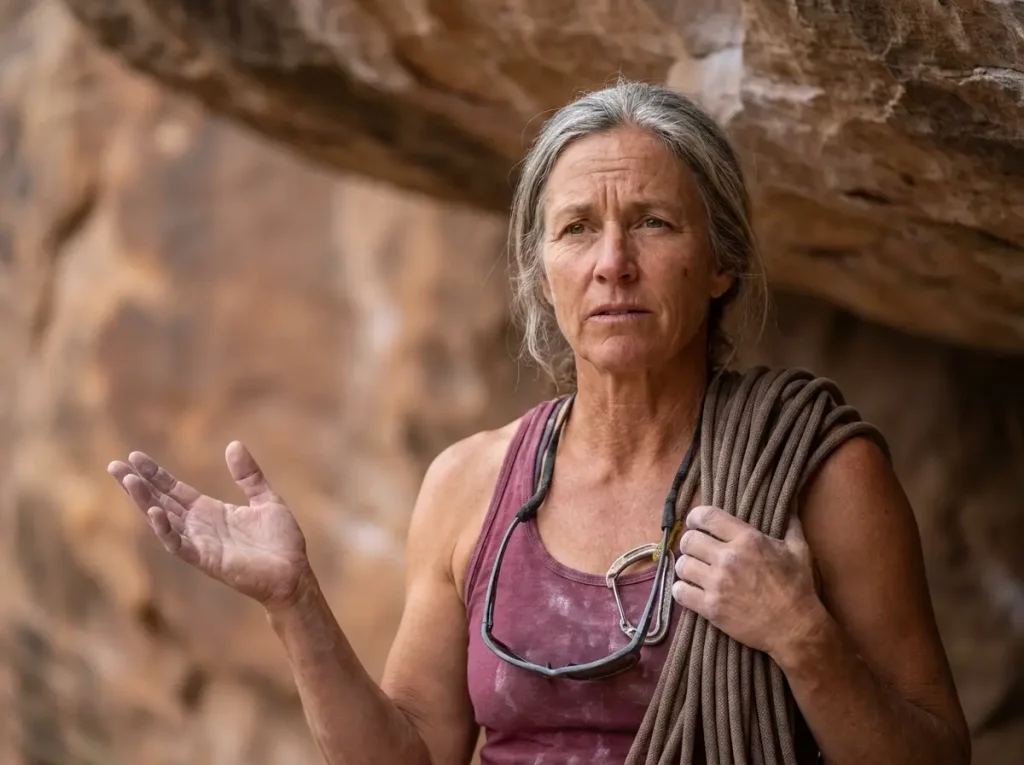
Before every pitch, we do a meticulous buddy check. We stare at each other’s figure knots and verify harness buckles are tight. We do this without fail because missing a safety step is fatal. Yet, regarding basic crag etiquette and access rules, we suffer from cowardly crag silence. We watch friends do stupid things that permanently shut down a cliff, and we stare at our approach shoes saying nothing at all.
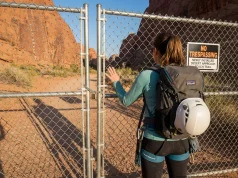
You might think you are being the “chill” partner by not calling out bad behavior. You see a buddy wildly brushing chalk over ancient rock art, or blasting loud music right next to a ceremonial buffer zone. You keep your mouth zipped shut to protect trip vibes. But stressed land managers and tribal leaders do not care how well-behaved you were individually if your group acted like complete fools. Silence is complicity. When the heavy gate gets padlocked, your silence is the direct reason. Mastering the art of crag stewardship means taking full responsibility for the actions of everyone tied into your rope.
The Awkward Conversation Blueprint
Nobody wants to act like a trail cop, especially with close friends. Fear of causing conflict stops climbers from speaking up. But you do not need to deliver a self-righteous lecture to stop a massive access mistake. You just need a practical blueprint for the conversation.
The trick involves rapidly de-escalating by blaming the rules on preserving access for the whole community, removing personal character attacks. If your friend starts eyeing a line right next to a seasonal closure sign, say, “Hey man, I don’t want us to be the reason this entire wall gets permanently bolted shut. Let’s walk ten minutes down the path to the main area.” Keep the ego out of it. If your buddy pushes back hard and insists on climbing anyway, pack up the rope. Refusing a belay is the ultimate boundary, sending a clear message that no route is worth ruining relationships with local tribes.
Pro-Tip: Make the access check part of your morning routine at the car. Ask, “Did anyone double-check the active seasonal closures for the wall today?”
Words only go so far when egos flare up. Managing your partner’s behavior happens effortlessly when you just do the work yourself.
Leading by Example Without the Ego
Internet call-outs and aggressive screaming matches at the base of the cliff rarely change anyone’s mind. People just get super defensive and dig their heels in. The most effective way to enforce the three pillars of respect involves quietly and consistently leading by example.
If you see someone acting out of line, start by fixing the problem yourself. Physically pick up the trash they ignored. Quietly take a brush and scrub off the massive white tick marks they left behind on the boulder. Walk your own heavy W.A.G. bag back to your pack instead of hiding it under a rock like a coward. When you actively demonstrate what a reciprocal guest looks like without throwing a fit, the social pressure naturally forces everyone else to improve their behavior. Your actions set the baseline standard. Positive peer pressure from respected climbers is the only tool that actually works for long-term crag management.
Conclusion
Our right to climb isn’t granted by gravity or guaranteed by the government; it heavily depends on our consistent ability to respect the original stewards of the spaces we play in. You now know that dropping an expansion bolt in sandstone can literally shatter rock history, that voluntary closures are the absolute last line of defense against permanent bans, and that staying silent while your partner breaks the rules actively hurts the community. Focus on what you can control. Pack out your trash, support the local tribal businesses where you climb, and actively lead by example at the crag. Look up Native-Land.ca before you leave the driveway.
FAQ
How do I know whose land I am climbing on without guessing?
Enter your crag’s exact location into Native-Land.ca or their mobile app for a highly accurate map of ancestral territories. It offers the most reliable first step to identify the area. Always verify specific access rules by reading the corresponding tribal government’s official website.
Is it allowed to climb on the Navajo Nation?
No, all rock climbing on the Navajo Nation is strictly prohibited under an absolute ban. Unlike federal lands with seasonal permits, the tribal government enforces this permanently to protect sacred monoliths from physical damage and spiritual contamination.
If there is no sign at the crag, can I assume bolting is fine?
Absolutely not. The simple absence of a sign does not override federal laws like the Archaeological Resources Protection Act. Bolting without community consensus near undiscovered cultural resources permanently ruins historical sites and results in massive felony fines.
What exactly counts as a cultural resource in climbing areas?
Cultural resources include obvious physical artifacts like petroglyphs, ancient pottery shards, and grindstones, but also the natural rock formations themselves. Hidden caves, specific cliff faces, and massive towers used for prayer are protected ancestral sites with distinct cultural rules.
Safety Notice: Rock climbing and mountaineering are inherently high-risk
activities that can involve physical trauma or fatal incidents. The information on Rock Climbing Realms is for
educational and informational purposes only. Techniques and advice presented here are not a substitute
for professional, hands-on instruction. Conditions and risks vary by location. Always seek guidance
from a qualified instructor before attempting new techniques. By using this website, you agree that you
are solely responsible for your own safety. Any reliance you place on this information is strictly
at your own risk, and you assume all liability for your actions. Rock Climbing Realms and its authors
will not be held liable for any harm, damage, or loss sustained in connection with the use of this information.
Affiliate Disclosure: We are a participant in the Amazon Services LLC Associates Program, an
affiliate advertising program designed to provide a means for us to earn advertising fees by advertising and linking
to Amazon.com. As an Amazon Associate, we earn from qualifying purchases. We are also an official affiliate partner
of Black Diamond Equipment via the AvantLink network. If you click on a Black Diamond affiliate link and make a
purchase, we may earn a commission at no additional cost to you. We also participate in other affiliate programs.
Additional terms are found in the terms of service.