
In this article
The last time I waited 45 minutes at a boulder problem I’d been climbing for a decade, I didn’t get angry. I just stood there watching the queue and tried to remember what that spot looked like in 2015 — empty on a Tuesday, maybe one other crew on weekends. You could hear the creek. Now there’s a hashtag for the problem and a four-star rating on Mountain Project, and on Saturday mornings it looks like the line for coffee at a music festival.
Social media didn’t ruin climbing. But it changed it in ways that even the people who love the sport most are still sorting through. I’ve spent years on real rock watching these shifts play out — at the crag, in the gym, in the way my own head works mid-project. Here’s the honest version, with no nostalgia and no cheerleading.
Quick Answer: Social media transformed climbing culture in six measurable ways:
- Democratized the sport, letting any climber tell their story without media gatekeepers
- Accelerated the indoor gym boom and the gym-to-crag pipeline
- Triggered overcrowding at viral crags, raising land access risks
- Normalized beta spray culture — unsolicited route advice — both online and in gyms
- Created performative “for the Gram” climbing that prioritizes the image over the send
- Introduced a new kind of performance pressure that affects climbers’ relationship with failure
How Social Media Built the Modern Climbing Boom
From Magazine Gatekeepers to Anyone With a Phone
Before Instagram launched in 2010, climbing media was a closed shop. Print magazines like Climbing and Rock and Ice controlled the narrative. If you weren’t a sponsored name climbing at a marquee crag with a photographer on assignment, your story didn’t exist in any meaningful public sense. That wasn’t malicious — it was the economics of print. There were only so many pages.
Blogs and early social platforms started cracking that door. Then Instagram opened it completely. Suddenly, a climber projecting a V7 in Hueco Tanks could reach 10,000 people with a phone and decent light. When Seb Bouin finally redpointed DNA at Verdon Gorge — 150 days of effort, 250 attempts on a 5.15d — most of the climbing world heard about it directly from his Instagram post, not from a journalist’s write-up three months later. That’s not a small shift. That’s a complete restructuring of who gets to have a voice, which is part of climbing culture was already shifting before Instagram arrived, but social media accelerated it in a way nothing else could.
The Gym-to-Crag Pipeline Instagram Created
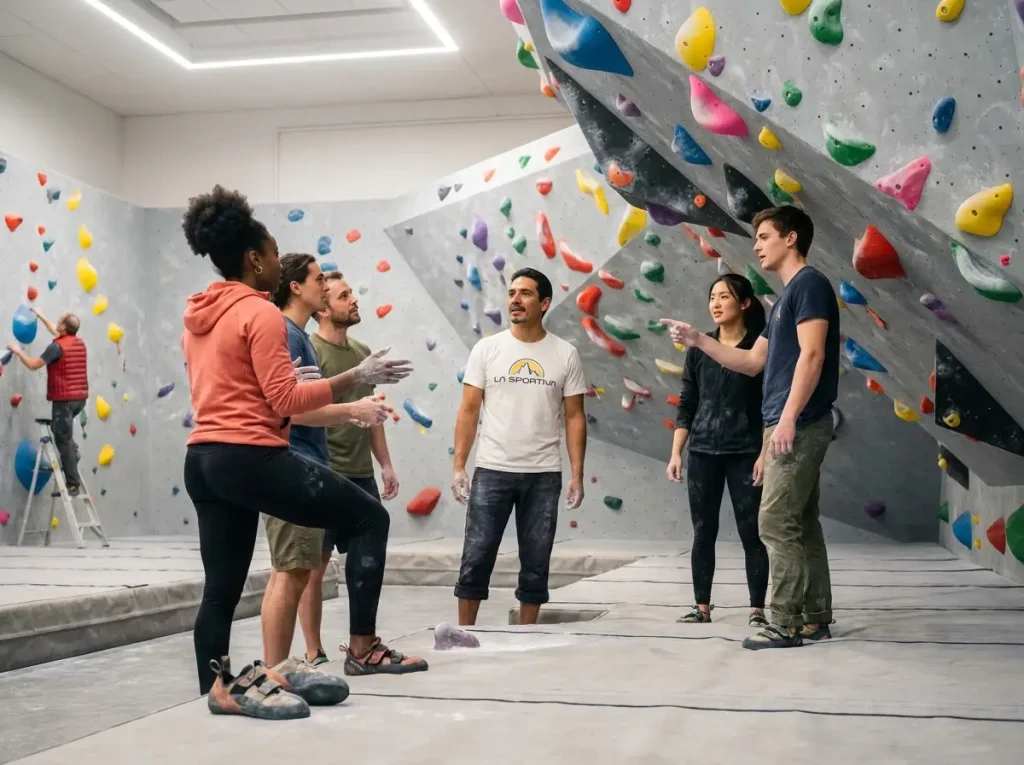
The climbing gym boom is real and measurable. Indoor climbers hit 5.6 million in 2021 — a 7.1% increase from 2019 — and commercial climbing gyms in the US numbered over 600 by 2023. Much of that growth is Instagram-driven: someone sees a clip of a friend on an overhang, tries a gym, gets hooked.
What’s less discussed is what comes after the gym: the pipeline outside. Instagram inspires gym climbers to seek real rock — which is mostly good, except that the volume of newly outdoor-curious climbers at any given crag now exceeds what many areas were built to handle. Outdoor participation actually fell from 2.8 million in 2016 to around 2.4 million in 2021, which tells you that the gym boom hasn’t fully translated to sustained outdoor climbing — but the people who do go outside are concentrating at the same Instagram-famous spots.
Connecting Climbers Across Countries and Cultures
For all the legitimate criticism of social media, the global connectivity argument is real. Climbers in small towns who had no local community — no gym, no partners, no mentors — found their people online. Climbers from backgrounds historically underrepresented in the sport gained a platform to speak directly about the systemic barriers they faced, leading to conversations the sport badly needed. The summer 2020 movement to rename problematic routes at crags like Ten Sleep, Wyoming happened at scale because of Instagram. The Slavery Wall became the Downpour Wall, and it happened because the community could actually talk to itself.
Pro tip: If you discover a crag through social media, spend time learning its specific ethics before you go. Every area has local norms around chalk, brushing, fixed gear, and approach behavior that don’t show up in the Instagram caption.
Your Favorite Crag Is Crowded Because of Instagram
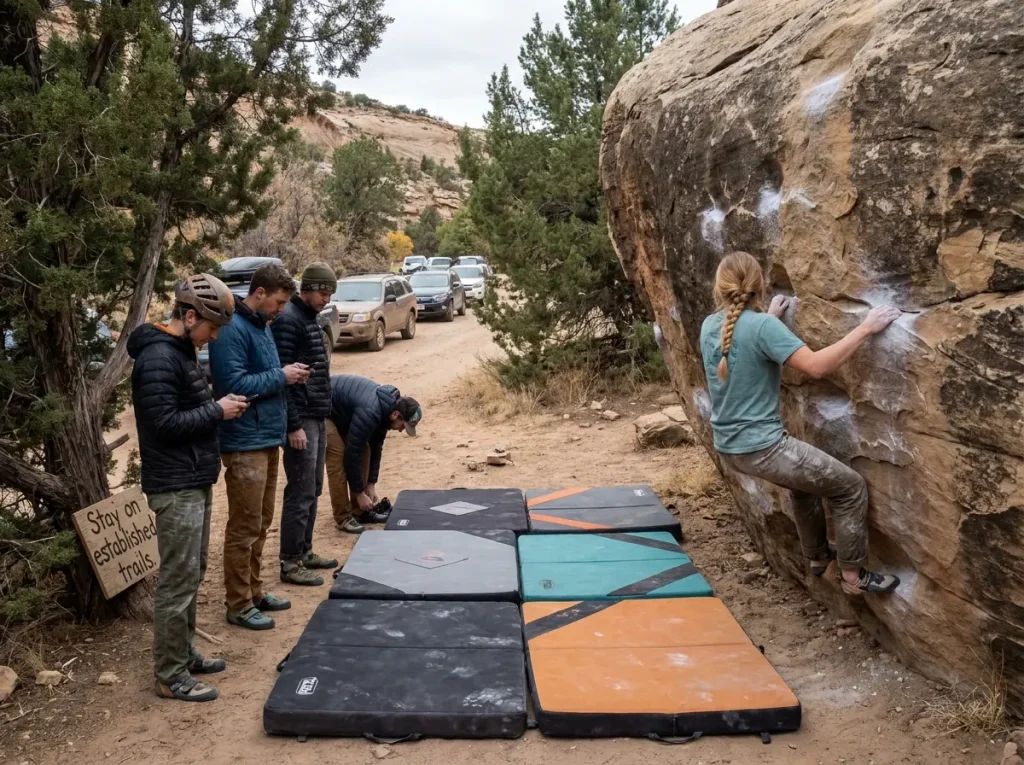
When a Crag Goes Viral — What Actually Happens
The cycle is predictable now. An influencer with 80,000 followers visits a small granite crag, posts three images with geotag and route name, the post gets picked up by a gear brand’s story, it reaches 400,000 people by Sunday morning, and by the following weekend, a parking area that held 12 cars is backed up onto the highway with 40 vehicles. The crag doesn’t change. The experience does.
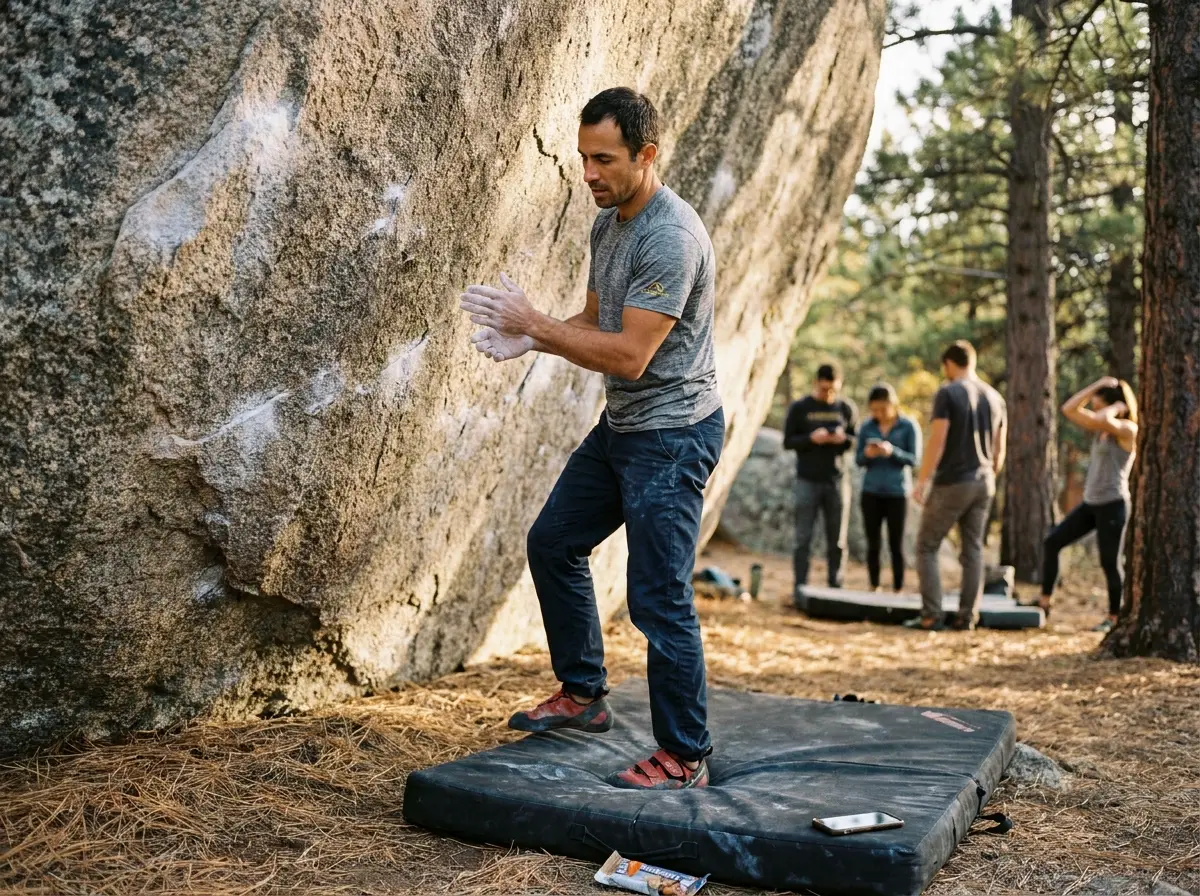
This isn’t hypothetical. The crash pad scene at famous bouldering problems in Eldorado Canyon and the South Platte in Colorado changed visibly and rapidly as Instagram use grew. Problems that once required knowing someone who knew someone are now hashtagged, four-starred, and queued like airport security.
The South Platte Tipping Point: Access Fund Data
The numbers are concrete. The Access Fund documented this tipping point directly: the explosion of use in 2020 at Colorado’s South Platte drove the area to a breaking point, with growth equivalent to the previous five years combined in a single season. The result wasn’t just a bad user experience — it was dispersed camping converted to paid designated sites because the land couldn’t absorb the impact.
Access Fund Stewardship Director Ty Tyler put it plainly: climbing rangers across the country reported parking lots, trails, and crags busier than ever before throughout 2020, with no letup in 2021. That’s not a COVID anomaly. That’s a structural change in how people find and use climbing areas, and social media is the delivery mechanism.
Parking Lots, Trail Erosion, and the New Permit Debate
Parking is now the leading cause of climbing access issues at many crags — a metric that didn’t register significantly ten years ago. Trail erosion from high foot traffic has prompted trail days at crags that never needed them before. The permit debate, once limited to heavily managed national parks, is now a realistic conversation at regional crags.
The practical consequence: climbers who care about long-term access should report access problems before land managers close the crag, because closures happen faster than they used to when overuse signals cross a threshold.
Beta Spray and the End of Personal Discovery
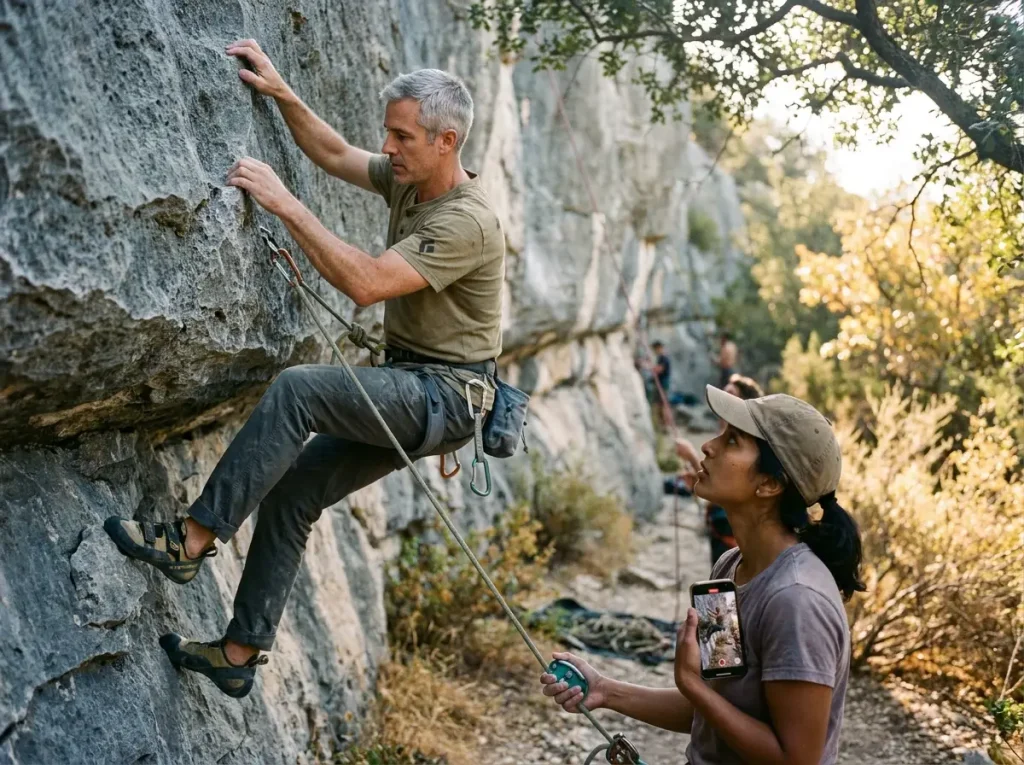
What Beta Spray Is and Why It Used to Be a Social Taboo
Beta spray is the act of giving unsolicited route information — hold sequences, body positions, foot placements — to someone who didn’t ask for it. For most of climbing’s history, this was considered genuinely rude. Figuring out the sequence yourself was the point. You’d accept beta from a trusted partner if you were stuck and asked for it. Volunteering it, especially to strangers, signaled that you’d missed something fundamental about what climbing was supposed to be.
That norm has eroded. Not through malice, but through Instagram.
When Instagram Normalized Knowing Everything Before You Try
The shift is generational and it’s real: climbers who learned to climb in the Instagram era grew up in a world where watching a beta video before getting on a route is the default. As the Gripped Magazine piece on beta spray put it, “the assumption now is that getting beta prior to climbing is what everyone does.” Gyms haven’t caught up with norms — many newer climbers have simply never been in a climbing world where the spray-first approach was considered a social mistake.
The deeper loss isn’t about etiquette — it’s about experience. Figuring out a crux sequence on your own, through repeated failure, through body-awareness and problem-solving, produces a different kind of competence than watching a 47-second video. The physical movement, the muscle memory, the sense of genuine discovery — all of that changes when you already know what’s supposed to happen. Watch the video below for a useful breakdown of how this culture shift developed and where it’s heading.
The Gender Gap: Who Gets Sprayed the Most
Beta spray isn’t equally distributed. Research from the University of Denver on the effects of unsolicited advice in gyms found that 32% of female climbers experience unwanted advice in climbing gyms, compared to 15% of males. That disparity reflects a broader dynamic: beta spray is frequently paired with condescension, and women are on the receiving end at roughly twice the rate.
The solution is simple and the etiquette rules that gyms struggle to enforce now that Instagram normalized spray are worth reading: don’t give beta unless someone explicitly asks for it. The old rule wasn’t arbitrary. It was designed to protect the experience.
Pro tip: If you want to share beta, ask first — “Do you want any beta on this one?” takes three seconds and completely reframes the interaction.
Sending vs. Being Seen Sending
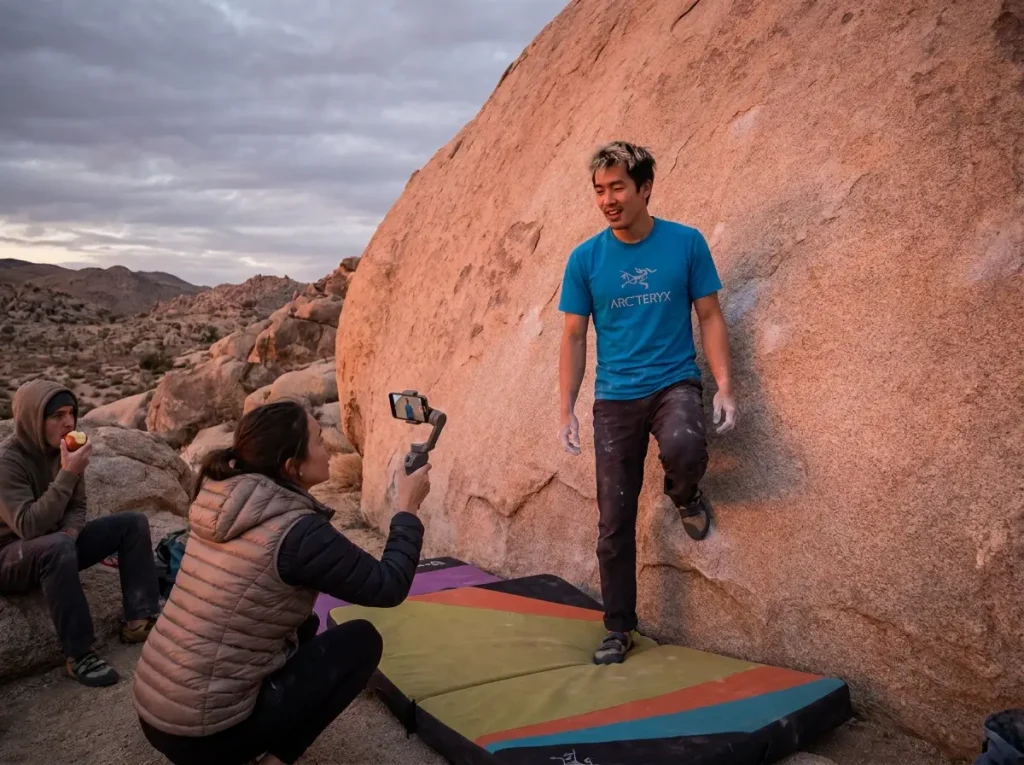
“For the Gram” — The Climbers Who Aren’t Really Climbing
Matt Samet described this scene at a Colorado boulder problem: a rotating crowd of boulderers queuing up, climbing partway into “the move,” having friends take photos, jumping off, reviewing images on their phones — and then leaving without actually attempting to send. One group that arrived later politely declined his beta offer. “We’re good, man,” someone said. They bumbled into the move, took photos, and left to get burritos.
That’s an extreme example, but a real one. There’s a new species of crag visitor who shows up for the documentation, not the climbing. That’s not a moral failing — people engage with outdoor spaces in different ways. But it does change the experience for everyone else at the crag, and it distorts what “climbing” signals in social media feeds.
Who Gets Sponsored Now (And Why That’s Changed Everything)
Pre-Instagram, sponsors followed ascents. An athlete climbed at a high level for years, got noticed by people in the industry, and a relationship developed around genuine performance. That still happens, but it shares space now with a different model: follower count as primary metric. As the Climbing.com piece noted, “the people that are loudest on their platforms earn the most attention, praise, and consequently greater support from companies, regardless of achievement or performance.”
That shift has real consequences for what gets amplified in the sport. But there’s a flip side: social media has also opened access conversations the sport badly needed, surfacing voices and perspectives that never would have reached mainstream climbing media under the old model. Social media has also opened access conversations the sport badly needed around inclusivity, economics, and representation.
Grade Inflation Went Global: From Local Knowledge to Internet Argument
Sandbagging was always local. A classic “sandbag” — a route graded easier than it climbs — was understood within a specific community, part of the tribal knowledge of a crag. Grades drifted regionally and were argued in guidebooks. That was manageable.
Instagram made grades a global internet argument. A climber with 12,000 followers posts a video of their V7 send, and within hours the comments are debating whether it’s soft or stiff. Climbers show up to well-documented problems expecting one experience and find something genuinely different. The grade was argued endlessly online before they ever set foot on the rock.
What Social Media Did to Your Head on the Wall
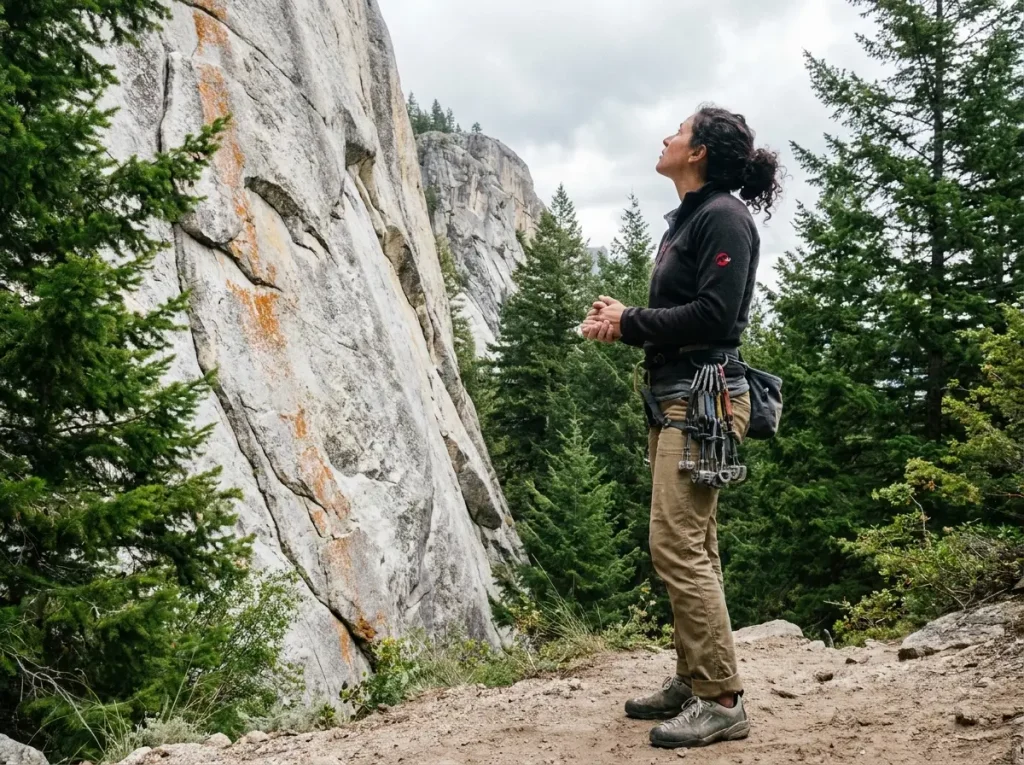
Only Posting Sends — What That Habit Does to Your Brain
Here’s the thing nobody talks about: the psychological cost of a climbing culture that only documents success.
Scroll through any serious climber’s Instagram feed and count the failure content. You’ll find almost none. Sends get posted. Projects in progress sometimes appear, but as aspirational content — “working on this beast” with the implicit promise of a future send video. The actual texture of climbing — the 40-session project, the humbling fall on move three, the entire season of not getting up something you badly want — is almost completely invisible.
That invisibility matters. When your reference point for “what climbing looks like” is an unbroken sequence of successes, your own failure rate starts to feel abnormal. It isn’t. Elite climbers fail on most attempts on their projects. The failure rate is built into the process. But when the feed doesn’t show it, climbers internalize an unrealistic baseline.
Pro tip: Follow at least a few climbers who post their failures and their process — not just their sends. It calibrates your expectations, and honestly, it’s more instructive climbing content.
The Performance Pressure Loop (and Who It Hurts Most)
Social fear of failure is a documented climbing psychology phenomenon. Research published in ScienceDirect in 2024 found that the fear/threat response in climbing disrupts performance through attentional distraction — conscious motor control substituting for the automatic processing that efficient movement requires. Put simply: being watched makes you climb worse. And social media has extended the “being watched” feeling to an indefinite, invisible global audience.
This creates a loop. Climbers avoid projecting routes they’re not confident will produce content-worthy moments. They pull back from big falls on hard routes because the embarrassment feels permanent and searchable. They stop pushing into uncomfortable territory because the uncomfortable territory doesn’t photograph well. The people who don’t care about social media don’t feel this pressure. But the people who do — particularly competitive intermediates trying to build a following — often experience it acutely.
Madison Richardson’s Experiment: Quit Instagram, Win a Competition
In December 2018, competitive climber Madison Richardson deleted her Instagram and Facebook accounts. A few months later, she won the Canadian Open Boulder Nationals.
Richardson attributes the mental shift specifically to removing the audience. Without the performance pressure of the feed, she returned to what she calls a genuine competitive mindset — excited about climbing, unconcerned with results, focused on movement. That’s not a guaranteed formula. But it’s a data point worth sitting with.
The effect isn’t unique to elite athletes. Plenty of recreational climbers describe finding their crag sessions more satisfying, more experimental, and more fun when they deliberately step back from documenting them. The climbing doesn’t change. The head does.
Climbers Are Going Offline — and Climbing Better for It
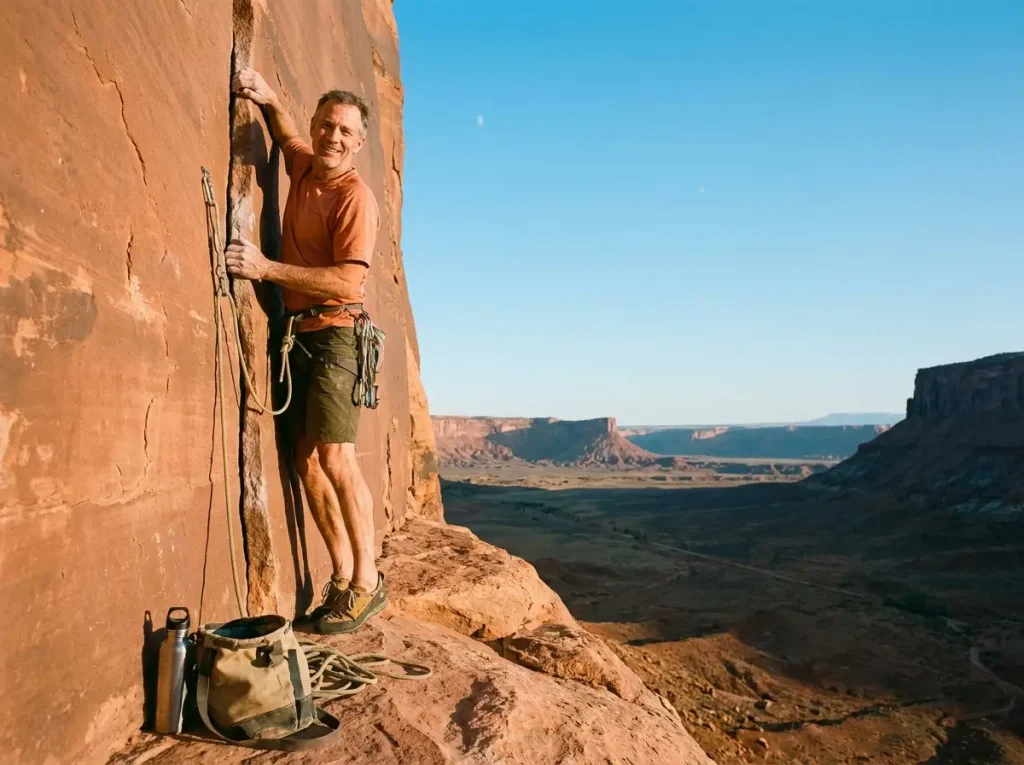
No-Post Zones: The Ethic of Keeping Your Crag Off the Feed
The counter-movement is quiet and largely unorganized, but it’s real.
There are crags — and I won’t name them, which is exactly the point — where experienced local climbers maintain an informal but firm understanding: this area doesn’t go on social media. No geotags. No route names in captions. Sometimes the understanding extends to chalk behavior and approach sharing. It’s treated as a form of crag stewardship, which it is: the stewardship ethic that guides responsible sharing of crag information is one of the few tools climbers have to protect access at areas that can’t sustain traffic increases.
This isn’t about being precious. It’s about understanding that certain climbing areas have a fragile equilibrium — ecological, social, or access-related — and that a single viral post can permanently alter that equilibrium.
What Veteran Climbers Get From Going Quiet
The climbers I know who have deliberately stepped back from social media documentation describe a specific thing: they started falling more freely. When there’s no audience — real or imagined — taking a big fall on a hard route feels different. The embarrassment cost drops. The experimentation cost drops. You try weird body positions because nobody’s filming. You climb things you have no business climbing because the consequences of failing are just physical, not social.
This connects to what the research actually shows: performance anxiety in climbing is audience-dependent. Remove the audience, remove the anxiety. For some climbers, removing the social media audience — even just during crag sessions — functions as a meaningful mental reset.
A Practical Framework for Climbing in the Algorithm Age
The answer isn’t to quit social media. It’s to be deliberate about it.
Some practical heuristics that seem to work: Don’t geotag sensitive or fragile crags. Wait until after a send to post — not during the project phase. Consider the outdoor ethics protocol worth reading before your next crag post if you’re building a habit of sharing outdoor content. And in the gym, remember the old rule: beta only when asked.
The climbers handling social media most gracefully are the ones who treat it as a tool with a specific purpose — connecting, inspiring, advocating — rather than as an audience to perform for. That distinction sounds small. It isn’t.
Conclusion
Social media didn’t ruin climbing. It grew it, connected it, and democratized who gets to tell the story of the sport. Those are real gains. But it also crowded the crags, normalized beta spray, created a performative layer that sits uncomfortably over the act of climbing itself, and introduced a kind of invisible performance pressure that most people haven’t consciously identified, let alone addressed.
Three things worth carrying forward: understand that the overcrowded crag you hate was partially made that way by the content culture you participate in; recognize that beta spray and the “for the Gram” dynamic are symptoms of the same root shift; and know that the climbers navigating this era most successfully are the ones making deliberate choices about what they share and why.
Pick a crag you love. Keep it off your feed for a year. See what changes — in the crag, and in your climbing.
Q1 Has social media hurt or helped the climbing community?
Both, and separating them is the honest answer. Social media genuinely democratized who gets to tell climbing’s story, grew the community globally, and opened conversations about access and inclusion that the sport badly needed. It also created overcrowding at viral crags, normalized unsolicited beta, and introduced performance pressure dynamics that affect how people climb and what they’re willing to try. Whether it helped or hurt depends on which part of climbing culture you’re measuring.
Q2 What is beta spray in climbing and why is it a problem?
Beta spray is giving someone unsolicited route information — hold sequences, body positions, or technique advice — without being asked. It became more common as Instagram normalized pre-loading route beta before climbing. It’s a problem for two reasons: it removes the personal discovery that’s a core part of the climbing experience, and it disproportionately affects women, who receive unsolicited advice at roughly twice the rate of male climbers.
Q3 Why are climbing crags getting more crowded?
The primary driver is social media’s crag discovery pipeline: a post goes viral, an algorithm amplifies it, and a quiet area becomes a destination in weeks. The COVID outdoor recreation boom accelerated this. The Access Fund documented the South Platte experiencing five years’ worth of growth in a single 2020 season. The practical result is trail erosion, parking overflow, and in some cases, land manager restrictions that affect all climbers.
Q4 How has Instagram changed how climbers train and compete?
Instagram accelerated the information transfer of training techniques globally — methods that once spread slowly through print now propagate in hours. That’s useful. But the competitive side has a cost: the performative pressure to only share sends has made the texture of real training — failure, repetition, long projects — largely invisible. Some athletes, like Madison Richardson, found competitive improvement specifically by removing the social media audience from their process.
Q5 Is there an anti-social media movement in rock climbing?
It’s informal but real. A growing number of experienced climbers deliberately avoid geotagging crags, maintain no-post understandings at sensitive areas, and disconnect from social media during climbing sessions as a performance and experience benefit. It’s not organized, doesn’t have a name, and mostly operates through quiet local norms rather than public advocacy. The core idea is treating what you don’t post as an act of crag stewardship.
Safety Notice: Rock climbing and mountaineering are inherently high-risk
activities that can involve physical trauma or fatal incidents. The information on Rock Climbing Realms is for
educational and informational purposes only. Techniques and advice presented here are not a substitute
for professional, hands-on instruction. Conditions and risks vary by location. Always seek guidance
from a qualified instructor before attempting new techniques. By using this website, you agree that you
are solely responsible for your own safety. Any reliance you place on this information is strictly
at your own risk, and you assume all liability for your actions. Rock Climbing Realms and its authors
will not be held liable for any harm, damage, or loss sustained in connection with the use of this information.
Affiliate Disclosure: We are a participant in the Amazon Services LLC Associates Program, an
affiliate advertising program designed to provide a means for us to earn advertising fees by advertising and linking
to Amazon.com. As an Amazon Associate, we earn from qualifying purchases. We are also an official affiliate partner
of Black Diamond Equipment via the AvantLink network. If you click on a Black Diamond affiliate link and make a
purchase, we may earn a commission at no additional cost to you. We also participate in other affiliate programs.
Additional terms are found in the terms of service.