
In this article
I remember dangling from the third bolt of my project, completely pumped out and staring at my sweaty chalk bag, wondering why my hands kept uncurling from the rock. I had spent the entire previous week binge-watching professional climbers online, absorbing hours of content across Reddit and major climbing websites, secretly hoping to find the magic trick that would make the route feel manageable. The truth is, the vast majority of the advice out there is pure hype disguised as progression. You can watch an elite athlete do a one-arm pull-up all day long, but that will never fix your terrifying footwork.
After testing countless tips on the wall to see what actually lowered my injury rate, fixed my body positioning, and showed me how to stop wasting energy, I compiled the creators that actually matter. The internet is flooded with climbers showing off their latest ascents, but very few know how to teach the fundamentals of safety, movement, and recovery in a way that regular people can use. This guide ranks the climbing youtube channels worth watching based on safety accuracy, real-world impact at the crag, and their proven ability to help you climb harder.
⚡ Quick Answer: The top climbing YouTube channels for real progression are Hard Is Easy for mandatory safety habits, Lattice Training for data-based strength metrics, and Hannah Morris for relatable technique improvements. Most climbers waste their time trying to copy elite athletes when they really just need to fix their balance and footwork — here is exactly who you should watch to beat your plateau.
The Safety Guardians: Learning from System Failures
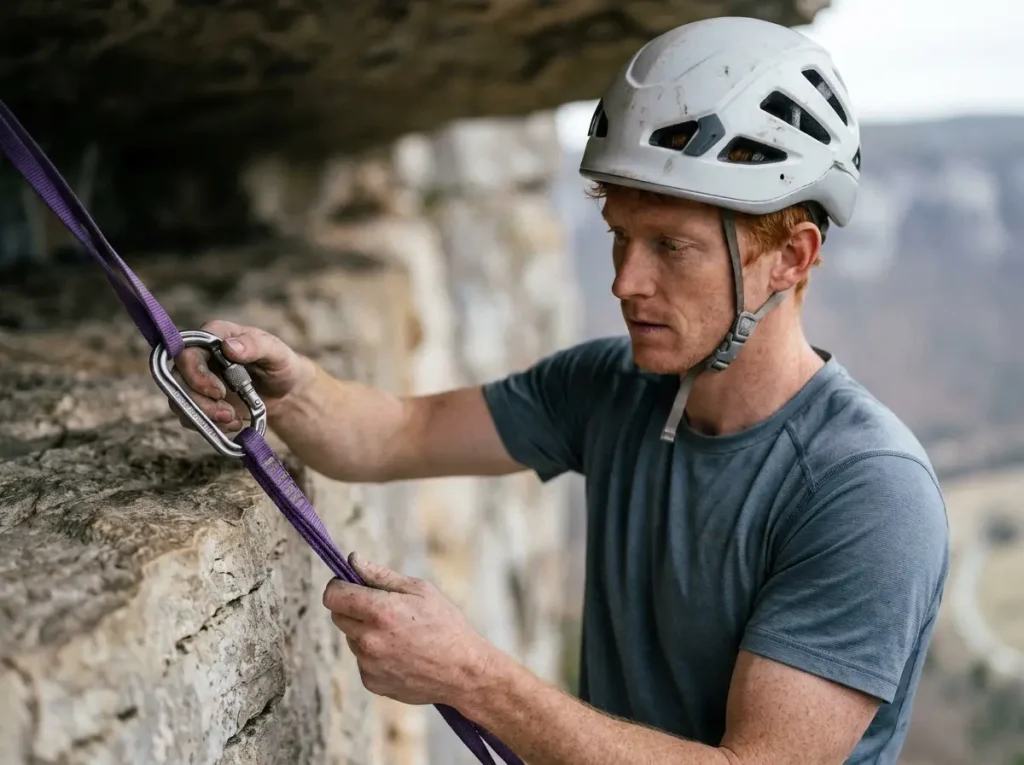
That terrified feeling when you take an unexpected winger, your belayer gives you a hard, rigid catch, and you slam elbows-first into the limestone wall—we have all been there. Most climbing videos show the glorious send, the beautiful sunset, and the high-fives at the anchors. The real practical value lies in dissecting the failures. You do not learn how to stay alive by watching someone clip the chains on a sunny day.
You learn how to stay alive by watching someone explain why a rope unclipped itself in a fall, or why a carabiner snapped under load. Safety is the one area where you cannot afford to guess. When you trust your life to a thin nylon cord and a few pieces of metal, you need creators who respect the stakes.
Hard Is Easy: The Gold Standard for Catching Falls
No channel digs into the gritty reality of climbing risks quite like Hard Is Easy. This channel focuses on safety transparency, taking standard climbing gear and pushing it past the breaking point to show you exactly how and why things fail. The creator breaks down the internal mechanics of belay devices, demonstrating how belayer error—like the dreaded “panic grab” where someone accidentally holds a camming device open—leads directly to climbers hitting the deck.
Before watching Hard Is Easy, I used to be terrified of taking big leader falls. I would over-grip every hold, wasting precious energy because I did not trust my gear to catch me. Seeing them break down the actual force of a fall changed my mental game. They explain that a “KiloNewton” (kN) is not just some complicated physics equation you need to memorize; it is simply a unit of force.
A standard climbing carabiner is rated to 24kN along its spine, which means it can casually hold the weight of a heavy SUV without breaking a sweat. Once you understand that your rope and gear are practically unbreakable when used correctly, the fear of falling fades away. You stop worrying about the carabiner exploding and finally start focusing on your footwork.
Influencer vs. Professional Guide: Who Believes the Data?
Understanding the hazard of generic influence is a mandatory skill if you plan on climbing outside. You have to look for the difference between a random tip from a strong gym climber with a huge subscriber count and the hard safety standards set by an AMGA certified mountain guide. A gym rat might boast that their specific belay method is faster, but a professional guide will point you toward the global standards for climbing equipment testing to prove what keeps you out of a hospital bed.
Real mountain guides talk about keeping fall impact low. If you fall past your belayer with no gear in the wall, you take a massive shock to your body and your anchors. Real professionals talk about calculating these risks, while influencers just post a sketchy clip for the views. Watching reputable channels teaches you how belayer risk normalization leads to accidents, helping you catch terrible habits before they hurt you or the person tying in with you.
Pro-Tip: Check the cross-loading orientation of your carabiner on your belay loop before every single climb. A carabiner rated for 24kN drops to around 7kN if the rope pulls against the gate instead of the solid spine. Fix it before you even say “on belay.”
The Data-Driven Training Science Experts
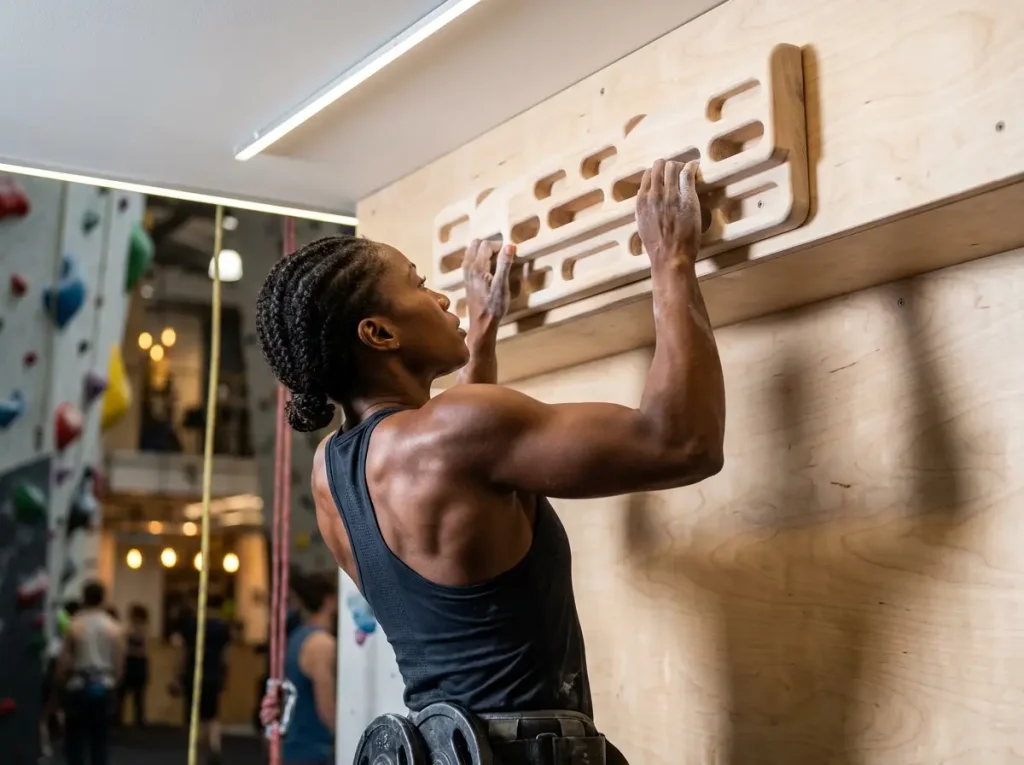
We have all tweaked a finger pulley and frantically scrolled through our phones searching for a quick fix, only to tape it up and make it worse the next day at the gym. The cycle of climbing hard, getting injured, and taking weeks off ruins progression faster than anything else. If you want to get stronger without destroying your tendons, you need to abandon the guesswork entirely.
The training science channels replace gym bro-science with objective, structured data. They look at climbing not as a mystical art form, but as a series of physical capabilities that you can measure, test, and improve through disciplined routines.
Lattice Training: Removing the Guesswork from Progression
Lattice Training represents the absolute peak of evidence-based progression. Based in the UK, they built the world’s largest dataset of climber performance metrics. They employ specialist coaches who use force plates and standard 20mm wooden edges to figure out exactly how strong your fingers need to be for your specific goal grade. If you are permanently stuck on V5 bouldering problems, Lattice can run the numbers and tell you that your fingers are strong enough for V7, but your lack of core tension is keeping you grounded.
They clearly define the difference between aerobic capacity—the ability to climb moderate routes all day long without getting pumped—and anaerobic power, which is the ability to pull hard for three intense moves. My training regimen used to consist of doing endless pull-ups until I felt exhausted. It took watching Lattice to realize my pulling muscles were overworked, while my pushing muscles were dangerously weak. A training routine based on actual numbers ensures you stop wasting gym sessions on exercises that do not translate to better performance on real rock.
Hooper’s Beta: The Medical Authority for Climbers
When your shoulder starts clicking ominously or your elbow burns after a hard projecting session, Hooper’s Beta is the place to consult. Jason Hooper works as a physical therapist who treats climbing injuries with medical protocols instead of outdated folklore. He offers detailed, step-by-step plans to get back on the rock safely after popping a finger tendon or straining a rotator cuff on a wild move.
A massive chunk of his philosophy revolves around building antagonist strength for balanced shoulders. Climbers spend all day pulling down on rock features. If you never push up or work the opposing muscles, your body warps inward and simply breaks. Hooper breaks down exactly why plain push-ups and reverse wrist curls are non-negotiable requirements for longevity in the sport. He also calls out common recovery myths, like using massage guns on inflamed tendons, showing why that practice actually delays your healing timeline. By sticking to his advice, you can save money on medical bills and stay out on the crag year-round.
Elite Performance & Micro-Beta Breakdown
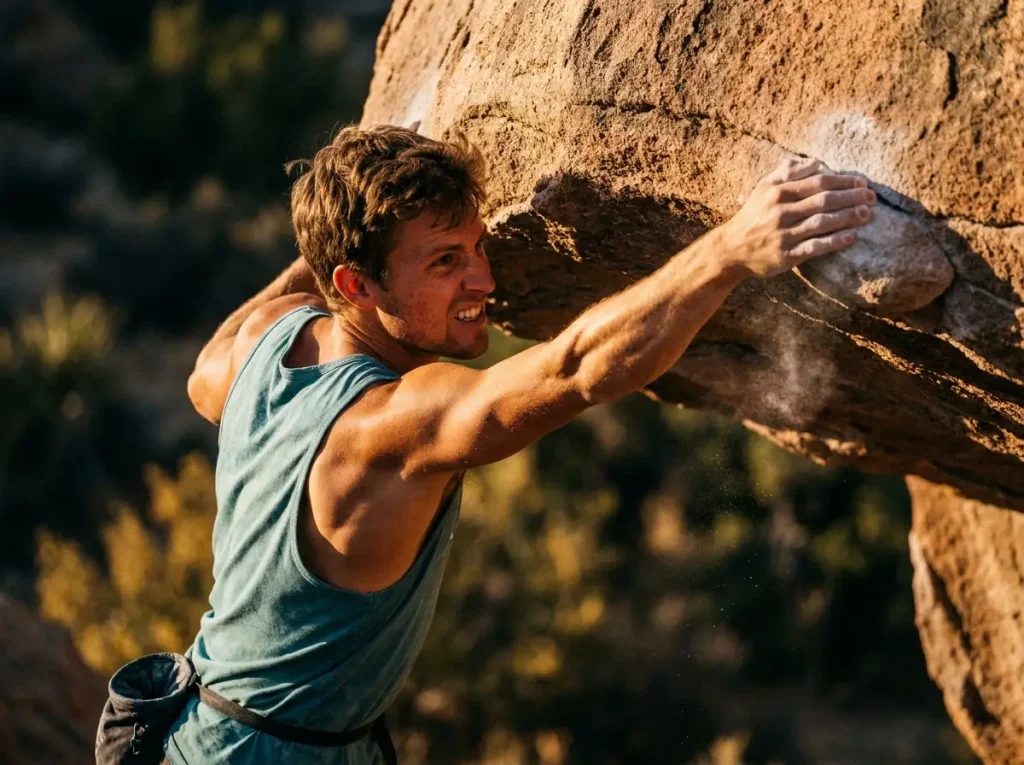
Watching the best rock climbers in the world can sometimes feel pointless because their bodies accomplish things that normal weekend warriors simply cannot replicate. However, if you look closely at exactly how they interact with the rock, you can steal footwork tricks and body positioning hacks that apply directly to your weekend projects.
Adam Ondra: Deconstructing 9c Movement
Adam Ondra established the hardest route on the planet, climbing an absurd line called Silence that ranks at 9c. While his primary niche revolves around extreme sport climbing grades, watching him climb functions as a masterclass in movement economy. He provides a rare look into the world of “micro-beta,” focusing on the tiniest physical adjustments that dictate success or failure on a route.
He does not just tell you to grab a small hold; he explains the vast difference between stuffing three fingers into a two-finger pocket versus wrapping a thumb over the top for a full crimp. The mechanical deconstruction of Adam Ondra’s movement proves that elite climbing relies as much on conscious breathing rhythms and subtle hip drops as it does on raw forearm power. He shows how dropping your left knee just two inches inward changes your center of gravity, allowing your right hand to reach further without your feet slipping off the wall.
Catalyst Climbing: Mastering Dynamic Momentum
Louis Parkinson runs Catalyst Climbing, and his coaching style redefines how you perceive momentum on the wall. Beginners frequently try to lock off every single move, holding their body still while they reach for the next hold slowly. This static movement pattern drains the fuel from your forearms. Catalyst teaches dynamic momentum—showing you how to throw the natural spring of your legs and hips upward to glide between holds effortlessly.
They excel at teaching the concept of a “deadpoint.” A deadpoint sounds intimidating, but it is just grabbing the next handhold exactly at the apex of a slight jump. You snatch the rock right when you stop moving up and right before gravity starts pulling you downward. During that exact split second, you feel weightless. I used to over-grip on slopers until a Catalyst drill taught me to trust my momentum, keep my hips pinned tight against the wall, and snag the hold on my way up. These lessons change the way you move from feeling heavy to feeling weightless on steep terrain.
Pro-Tip: When practicing dynamic moves or dynos, stop focusing on throwing your hands upward. Focus entirely on driving your feet into the footholds and pushing your hips squarely at the wall. The hands simply catch what the lower body provides.
The Gateway to Gym Culture & Bouldering
Sometimes you do not want to analyze the specific angle of a crimp or chart your weekly hangboard routines on a spreadsheet. You just want to watch someone have a good time at the local gym, try ridiculous challenges, and remember why you fell in love with climbing in the first place.
These channels give you that vital psych while secretly feeding you good form and solid technique. They represent the relatable pulse of the modern climbing community, bridging the gap between isolated training circuits and social weekend sessions.
Magnus Midtbø: The Athlete Mainstream Crossover
Magnus Midtbø pioneered the modern climbing vlog format. After retiring from the professional World Cup competition circuit, he built a massive channel focused on the fun, accessible side of the sport. His videos highlight the gym culture that we all know and cherish—the cheering crowds, the friendly rivalries on the spray wall, and the sheer joy of pushing your physical limits alongside close friends.
While Magnus features insane feats of strength, like climbing with heavy weighted vests or bringing professional strongmen into the bouldering gym, an observant viewer can pick up a lot from his fluid movement. When he climbs alongside other famous athletes, you quickly recognize the distinct difference between raw muscle power and refined climbing technique. He brings in guests like Jakob Schubert or Emil Abrahamsson, providing a window into how top-tier athletes approach complex sequence solving on the wall. For anyone wondering how climbing culture looks from the inside, Magnus provides the perfect view.
Hannah Morris Bouldering: Relatability and Technical Growth
If you want to know how to get better at bouldering, Hannah Morris delivers the most practical, relatable progression series on the internet. Rather than just showing off her strengths, she intentionally films herself getting coached by experts on her weaknesses. This setup allows you to learn the drills right alongside her without any ego involved. It feels like documentary-style coaching where slips happen, frustration sets in, and genuine breakthroughs occur on camera.
She provides crucial female representation in a space that defaults to brute upper-body strength metrics. Along with creators like Anna Hazelnutt, she demonstrates that climbing world-class lines relies predominantly on balance, flexibility, and creative problem-solving rather than just completing fifty pull-ups. Watching her progression series made me realize that getting ‘sandbagged’—when a climb feels impossible for its stated grade—happens to literally everyone. Her channel hands you the exact tools you need on how to break a bouldering plateau by adjusting your mental approach and finally trusting your feet.
The Dark Arts: Trad Climbing and The Adventure Narrative
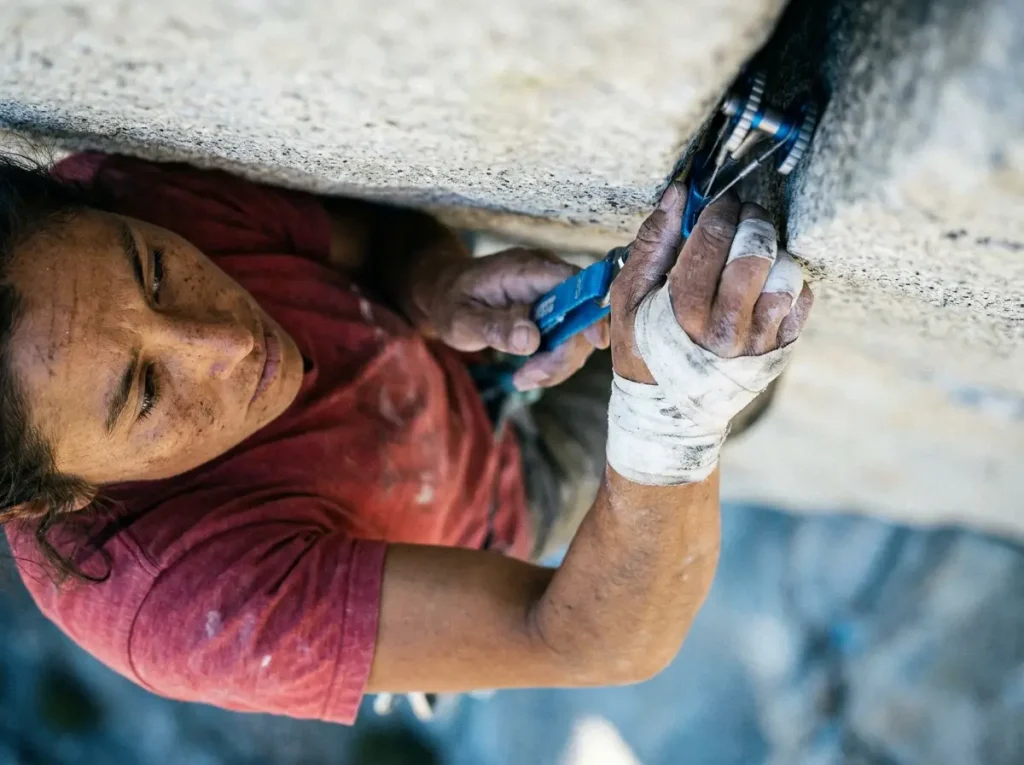
Sport climbing and gym bouldering grab the most mainstream attention, but traditional climbing—plugging your own protective metal gear into cracks as you ascend—looks like magic until an expert sits down and shows you exactly how the pieces fit together.
The channels that cover “trad” capture the original dirtbag lifestyle, the heavy fear management, and the vast vertical adventure that exists far outside the padded gym walls. They remind us that rock climbing started as a backcountry exploration sport, not an indoor fitness routine.
Wide Boyz: Masters of the Crack Jam
The Wide Boyz, consisting of the legendary duo Tom Randall and Pete Whittaker, possess an unmatched mastery of the dark art of crack climbing. They famously demystify the pain associated with the style. Crack climbing initially feels horrible, like you are constantly scraping your knuckles against sandpaper. But they break down how to wedge your hands, cup your fingers, and torque your climbing shoes into the rock so that the crack securely holds your weight without acting like a medieval torture device.
More importantly, they teach the serious ethics of gear placement. Shoving a camming device or a rigid aluminum nut into a rock face requires sharp judgment. They show you exactly when a piece of gear will hold a massive, sweeping fall, and when a piece constitutes what climbers affectionately call “psychological protection”—meaning it will almost certainly rip out if you actually load it, but it makes you feel slightly bolder while climbing past it. Knowing how to read crack sizes and nail every jam changes crack climbing from a brutal sufferfest into an elegant, methodical dance.
Noah Kane & EpicTV: Storytelling and Industry Pulse
Noah Kane brings the relatable dirtbag story directly to your screen. His vlogs document the unpolished reality of being a regular climber trying to survive the van life, fixing broken gear with duct tape, and finding joy on long, exhausting multi-pitch routes in the wilderness. He provides incredible entry-level gear hacks for newer climbers who find themselves on a tight budget, proving you do not need tons of cash to enjoy the outdoors.
On the more structured end of the media spectrum, EpicTV acts as the daily newsroom for the global climbing community. They deliver fast, reliable updates on pro climbing competitions, IFSC World Cup results, and the latest monumental sends from outdoor subcultures. Programs like EpicTV and Mellow give you a consistent pulse on what happens outside your local area. Whether you want to see the latest V16 boulder problem climbed in Switzerland or check up on standardized safety education for climbers recommended by national organizations, these storytelling channels keep your perspective wide.
Pro-Tip: Never buy a full, expensive rack of trad gear just because you watched a cool crack climbing video online. Find an experienced local mentor or hire a certified climbing guide, bring your own harness and shoes, and let them teach you the harsh reality of placing gear using their equipment before you drop a thousand dollars.
Curating Your Watchlist to Beat Plateaus
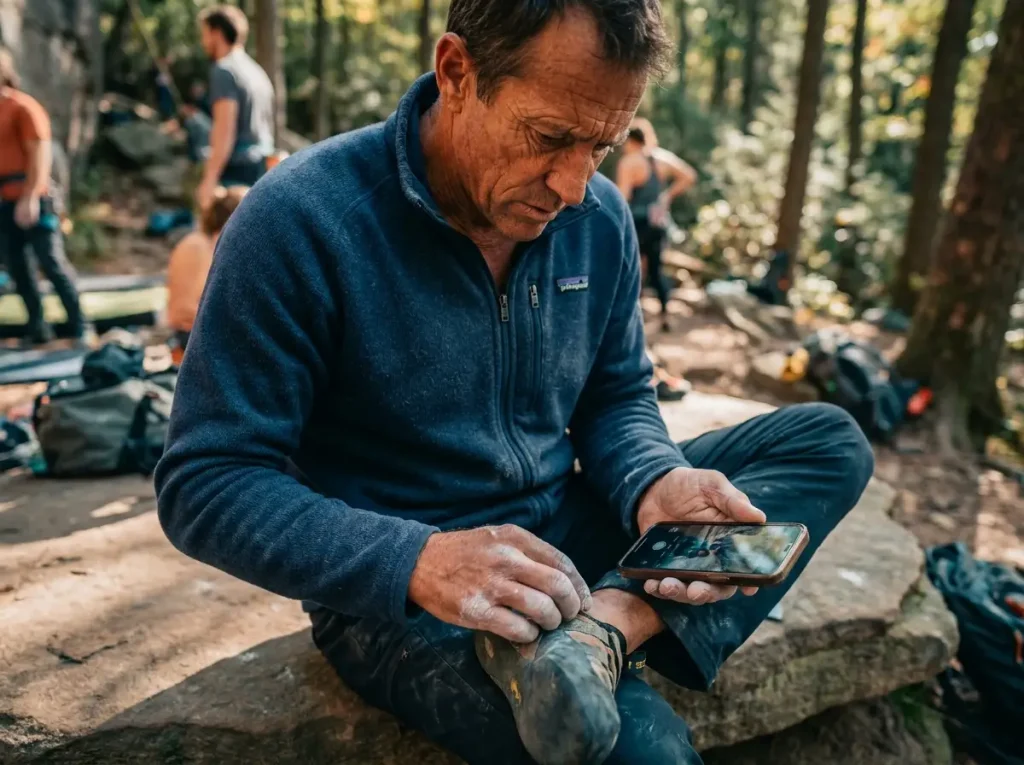
We live in an era of unlimited media. It feels easy to binge five hours of climbing videos on a Friday night, show up eagerly at the crag on Saturday morning, and somehow climb worse than you did the previous week. Consuming endless digital content does not automatically translate to better physical technique.
To see real, tangible improvement in your climbing performance, you have to intentionally match what you watch on a screen with your current physical goals and your climbing grade capabilities. Watching the wrong tier of content can stall your progress by giving you advanced solutions to basic problems.
Matching Channels to Your Current Climbing Grade
If you consider yourself a beginner—climbing anywhere in the V0 to V3 bouldering range or confidently top-roping 5.8s—stick primarily to Hannah Morris for your basic footwork and Hard Is Easy to build those essential safety habits early on. You need to establish a rock-solid foundation before you worry about anything else. You honestly do not need to memorize Adam Ondra’s vocal breathing techniques when you are still forgetting to look down at your footholds before you commit your weight to a step. The best climbers are brilliant at the basics.
As you push into the intermediate grades and inevitably begin hitting performance walls, it becomes time to pivot toward Lattice Training and Hooper’s Beta. This marks the exact phase where small muscular imbalances start causing nagging, chronic injuries. You need their diagnostic tools to figure out if your fingers lag behind, your shoulders lack flexibility, or your core simply collapses backward on steep, overhung walls. Taking the time necessary to understand diagnosing a climbing performance plateau using their proven metrics will save you years of useless, frustrating flailing on the wall.
Avoiding the “Analysis Paralysis” Trap
You cannot mentally hold six different youtube tips in your head while trying to execute a difficult, intimidating crux move high off the deck. If your internal monologue currently yells about your hip angle, your grip type, your breathing cadence, and your swing momentum all at the exact same time, your body simply freezes. This mental overloading is the classic analysis paralysis trap.
Instead of trying to frantically copy everything you see online, write down exactly one specific drill or concept from Catalyst Climbing before your next gym session. Go to the gym, pick a familiar climb several grades below your maximum limit, and practice that single concept ten times in a row. Whether focusing on keeping your right foot solidly planted while you move your right hand, or trying to stick every handhold quietly without adjusting your grip, intentional practice works wonders. My climbing finally flowed properly out on the rock when I completely stopped trying to mimic elite pros and started isolating one specific weakness at a time. This method beats aimless climbing every single session.
Conclusion
You do not need to subscribe to every single creator producing climbing videos on YouTube to get better on the rock; you just need to follow the specific mentors that match your next actionable goal. If you are starting fresh and learning the ropes, find the channels teaching basic balance and fundamental movement. If you find yourself constantly nursing an elbow tweak, stick faithfully to the physical therapists. Every stage of your climbing journey requires a different style of coach.
Safety gear and systems do not have to feel boring when they are explained correctly, so always prioritize the dedicated creators who willingly dig into the gritty details of gear failure over those who just show a flashy highlight reel. Stop scrolling endlessly on your couch and go out to start testing the advice. Take one single dynamic drill from Louis Parkinson, hit the bouldering mats this weekend, and see exactly how much lighter your body feels on the wall. The screen hands you the idea, but the rock always gives you the truth.
FAQ
Who is the best climbing YouTuber for beginners?
Hannah Morris Bouldering claims the top spot for newer climbers setting foot in the gym. She focuses primarily on relatable, steady progression by filming herself learning directly from professional coaches. This format makes technical movement concepts easy to grasp, successfully bypassing the elite climbing jargon that confuses most beginners on their first day.
What is the most famous climbing channel?
Magnus Midtbø currently runs the most massive climbing channel on YouTube. His weekly videos pull millions of overall views by smoothly mixing elite physical challenges with casual gym culture vlogs. He frequently collaborates with non-climbing athletes, creating highly entertaining crossover content that introduces the sport to a massive mainstream audience on a consistent basis.
Where can I watch pro climbing competitions?
EpicTV and the official IFSC YouTube channel serve as your absolute best resources for competitive climbing. They thoroughly cover the entire world cup circuit, provide excellent deep-dives into athlete performances, and give you the latest updates on Olympic climbing events. If you want to follow the global competitive pulse closely, these two channels deliver non-stop coverage.
Are there any good female climbing YouTubers?
Yes, female creators offer some of the most practically useful advice available online today. Hannah Morris and Anna Hazelnutt provide fantastic technical insight and much-needed representation in the sport. They rely heavily on precise balance, deep flexibility, and creative problem-solving rather than brute strength, showing viewers that world-class climbing is a delicate dance rather than a simple pull-up contest.
Safety Notice: Rock climbing and mountaineering are inherently high-risk
activities that can involve physical trauma or fatal incidents. The information on Rock Climbing Realms is for
educational and informational purposes only. Techniques and advice presented here are not a substitute
for professional, hands-on instruction. Conditions and risks vary by location. Always seek guidance
from a qualified instructor before attempting new techniques. By using this website, you agree that you
are solely responsible for your own safety. Any reliance you place on this information is strictly
at your own risk, and you assume all liability for your actions. Rock Climbing Realms and its authors
will not be held liable for any harm, damage, or loss sustained in connection with the use of this information.
Affiliate Disclosure: We are a participant in the Amazon Services LLC Associates Program, an
affiliate advertising program designed to provide a means for us to earn advertising fees by advertising and linking
to Amazon.com. As an Amazon Associate, we earn from qualifying purchases. We are also an official affiliate partner
of Black Diamond Equipment via the AvantLink network. If you click on a Black Diamond affiliate link and make a
purchase, we may earn a commission at no additional cost to you. We also participate in other affiliate programs.
Additional terms are found in the terms of service.