
In this article
The March 2025 recall of the Black Diamond Vision harness ended the era of blind faith in ultralight gear. When structural integrity competes with gram-counting, the margin for error on a high-alpine ridge or a run-out trad route vanishes.
I’ve spent the last season testing the 2026 lineup from the abrasive granite of Squamish to the thin air of the Bugaboos, confirming that the market has bifurcated into two distinct phylogenies. You now have hyper-specialized engineered composites that demand rigorous inspection, and robust utility drivers built to survive a decade of abuse. Choosing the right system is no longer just about comfort; it is an assessment of your operational environment and risk tolerance.
How to Choose the Right Climbing Harness: An Expert’s Framework
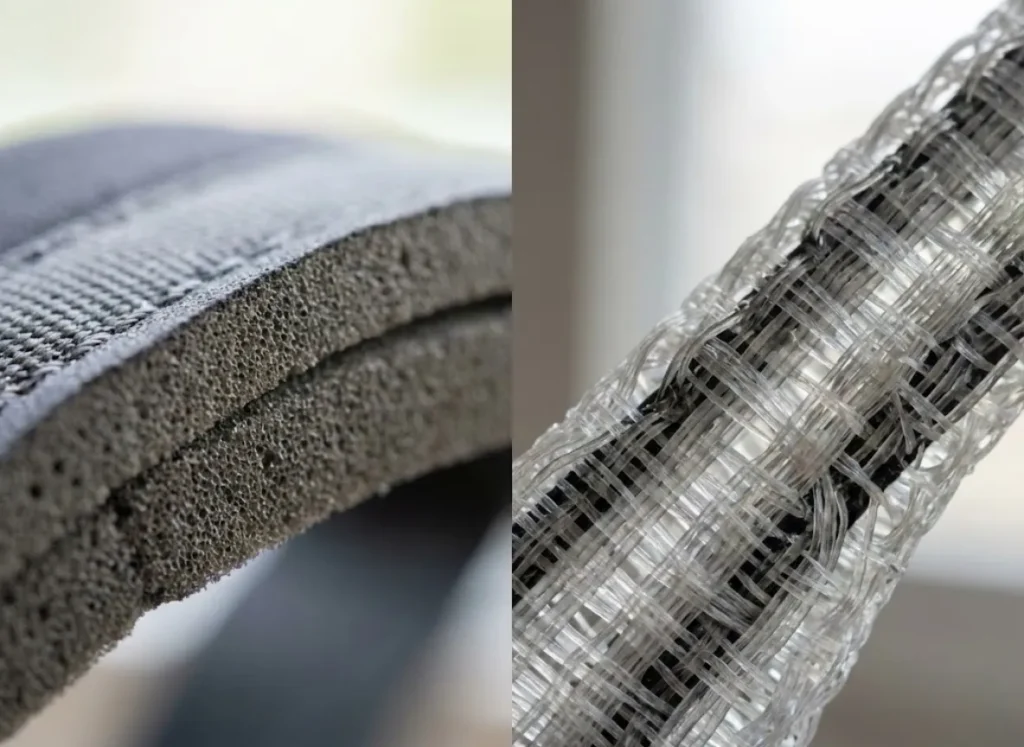
Selecting a harness isn’t about picking the coolest colorway; it’s about matching engineering to your objective. A mismatch here means misery at a hanging belay or, worse, a critical failure point in your safety chain. Whether you are tackling multi-pitch trad routes or focused on sport climbing at the local cliff, the harness is the primary link between you and the rock.
1. Construction Methodology: Laminate vs. Wireframe
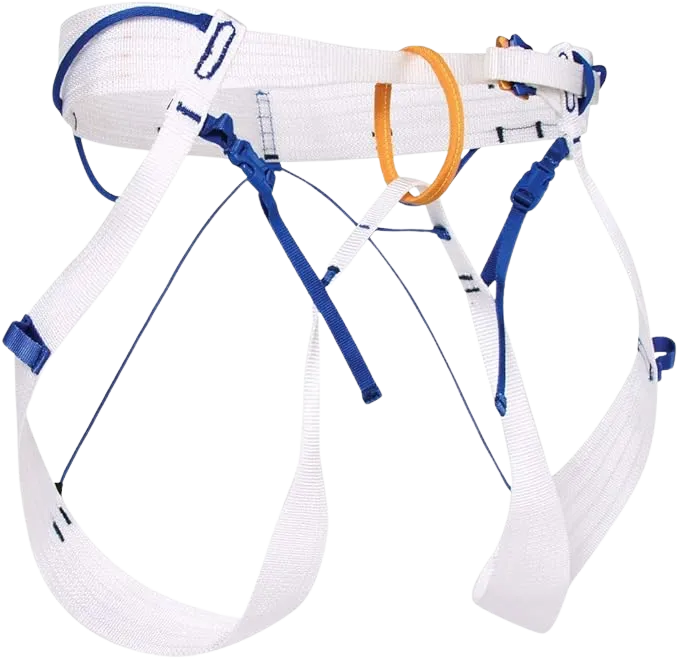
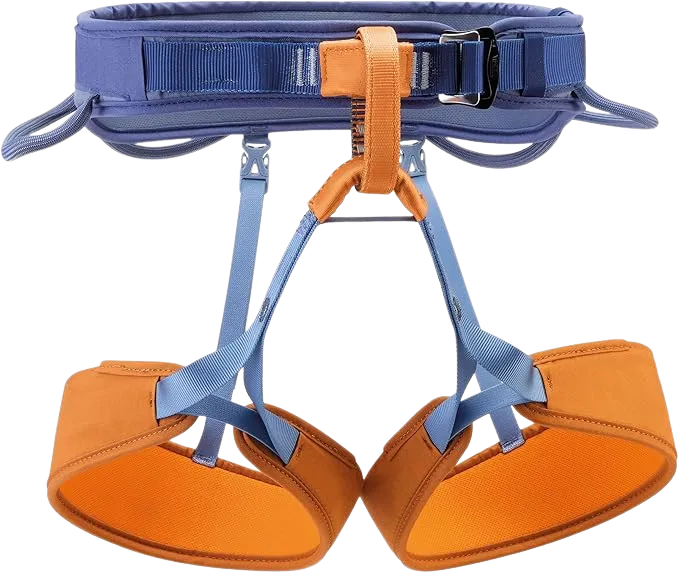
Understanding the skeleton of the harness allows you to predict how it handles the sweat of a summer redpoint or the chill of an ice climb. Traditional laminate harnesses sandwich nylon webbing inside closed-cell foam. This old-school build offers high durability and a “plush” feel that is forgiving during daily abuse, making it a common choice for gym climbing, but it traps heat like a wetsuit.
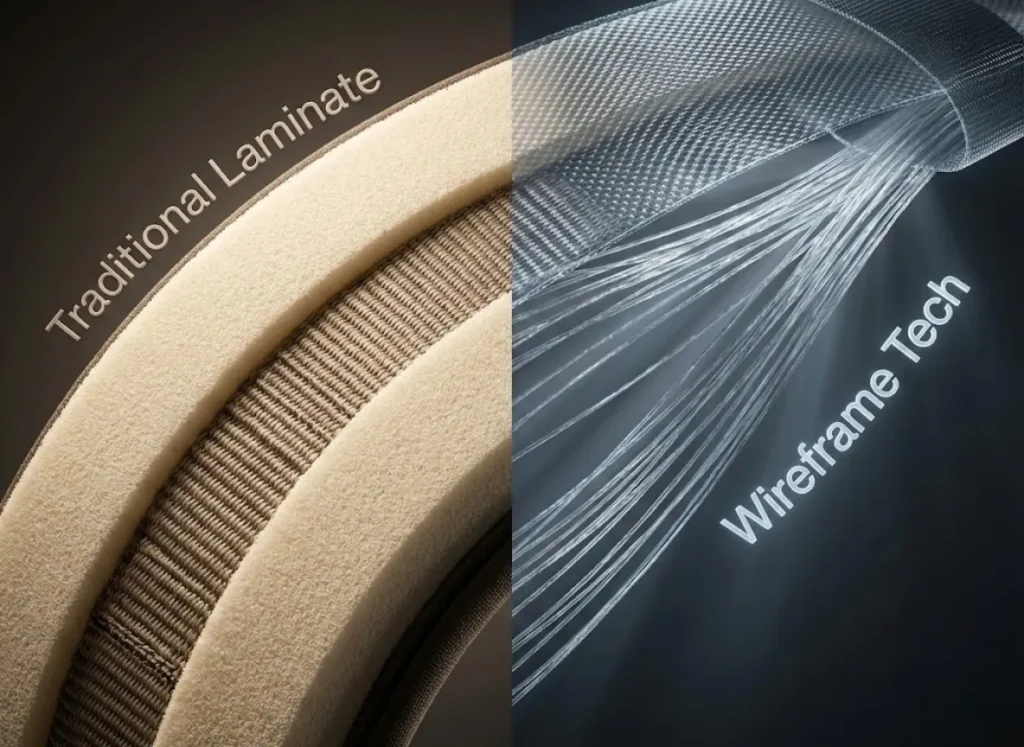
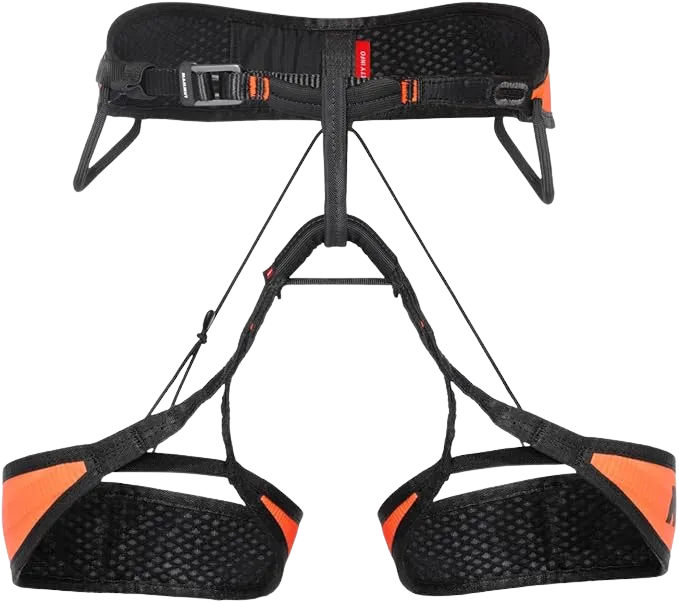
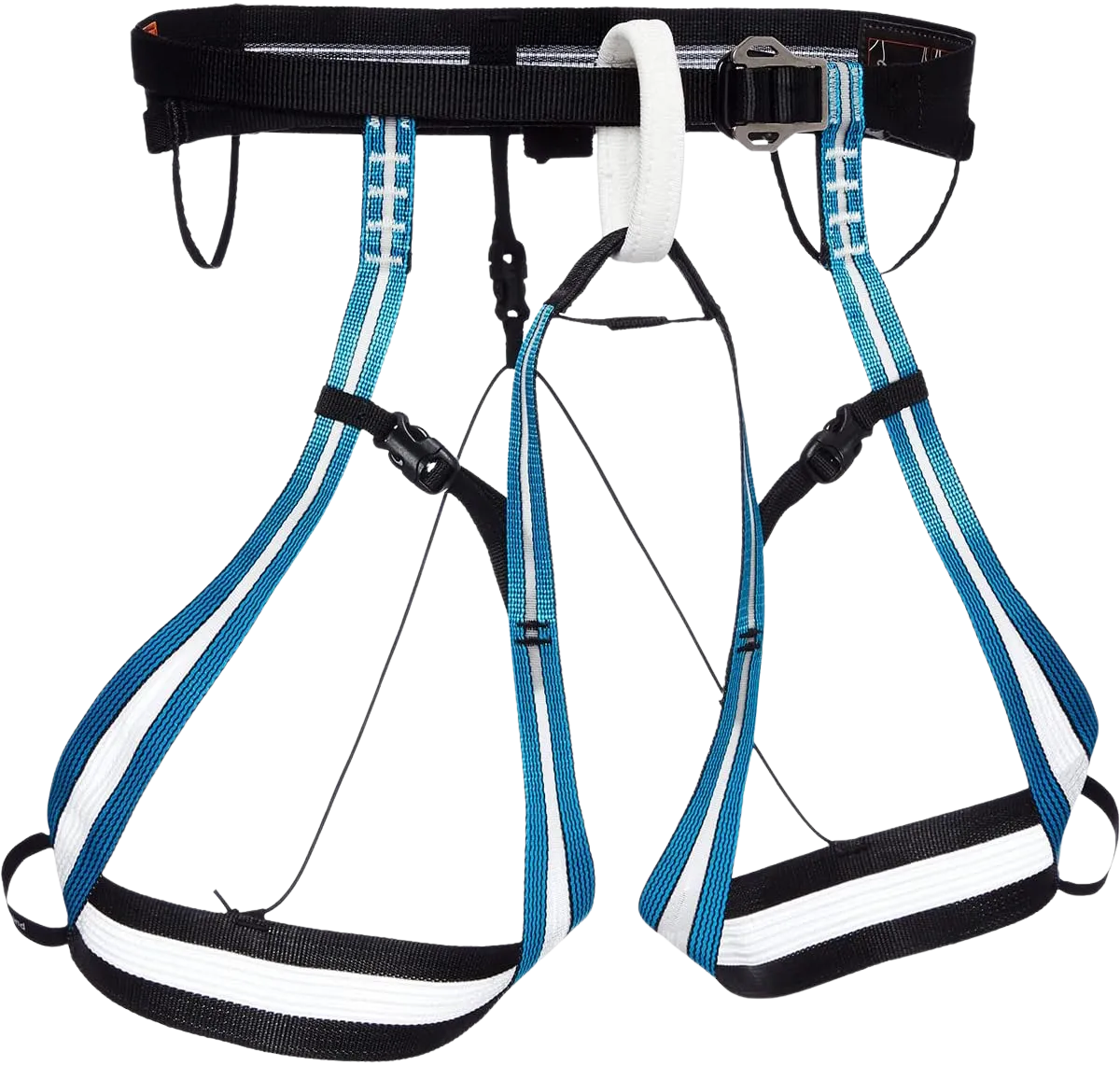
Split webbing technology removes that central strap to increase ventilation, while modern Wireframe and WARP technologies use strands of HMPE or Vectran to spread the load like a hammock. These are zero-pressure-point marvels for the weight-conscious, but their face fabric is vulnerable to abrasion—the classic “Fragility of Performance” paradox seen in lightweight specialty harnesses.
The 2026 breakthrough is the Matryx® weave, a hydrophobic material woven to shape that is essential for alpine climbing where water absorption leads to freezing. Regardless of the tech, routine checks are vital, which is why following UIAA Standard 105 protocols for inspection is non-negotiable for these lighter materials.
2. Racking Real Estate and Utility
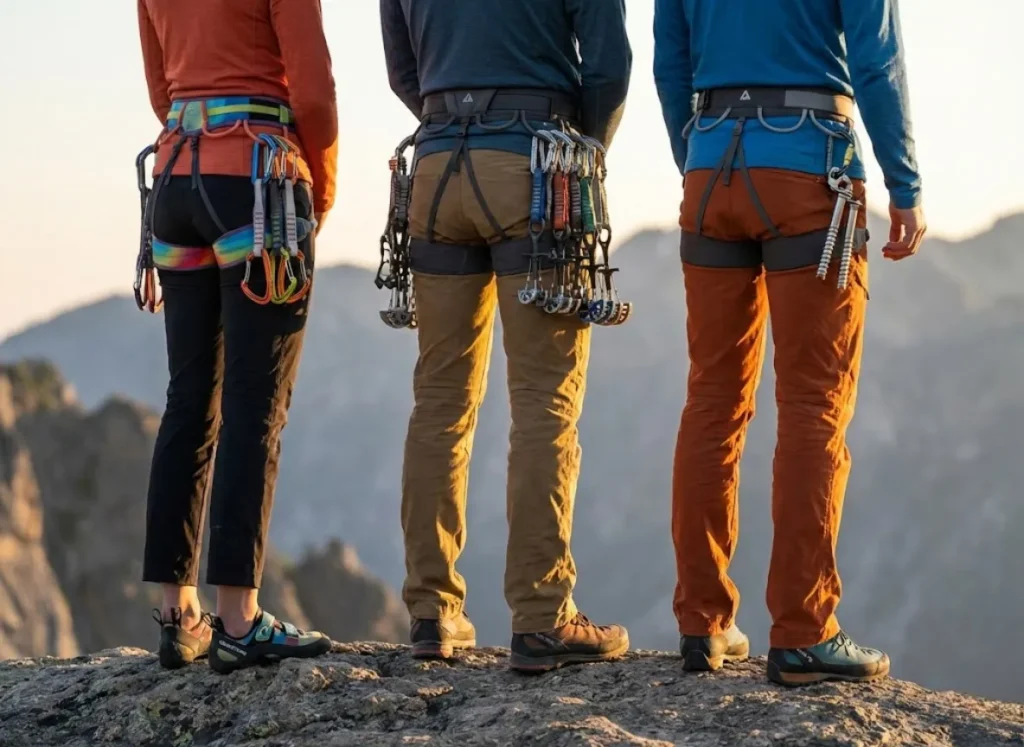
Once the construction suits the environment, the layout must suit the gear you carry. Sport climbers generally prefer rigid gear loops that pop out for fast clipping when you are pumped out of your mind. Conversely, alpine and trad climbers need flexible gear loops that lay flat under a pack to avoid pressure sores on the hips during long approaches or while hauling.
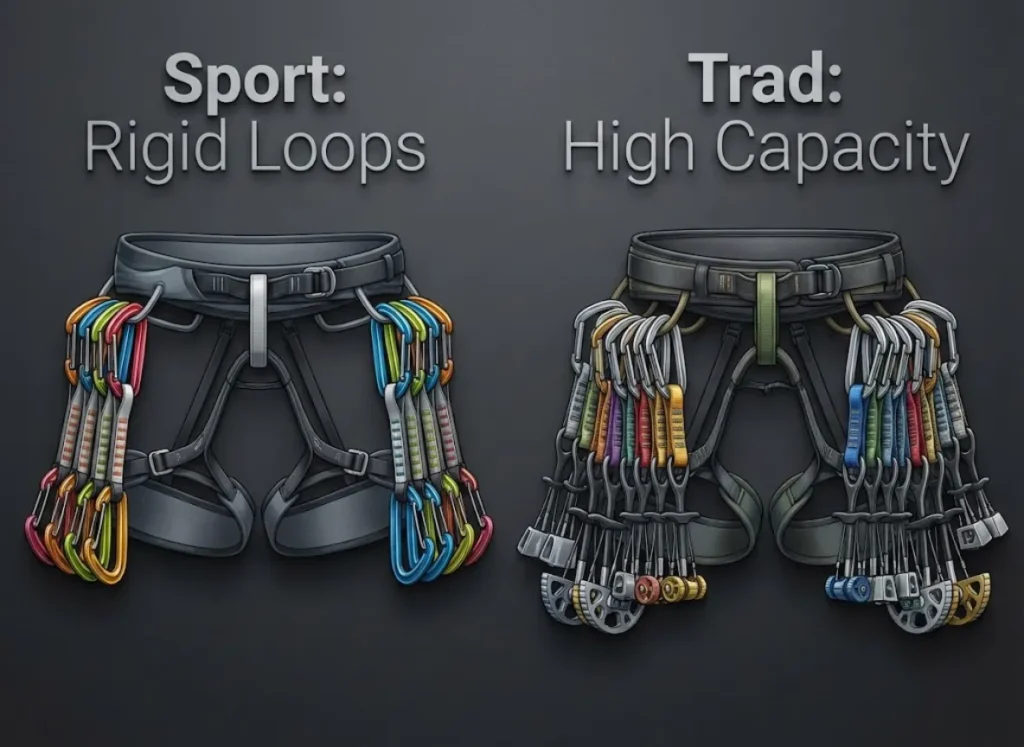
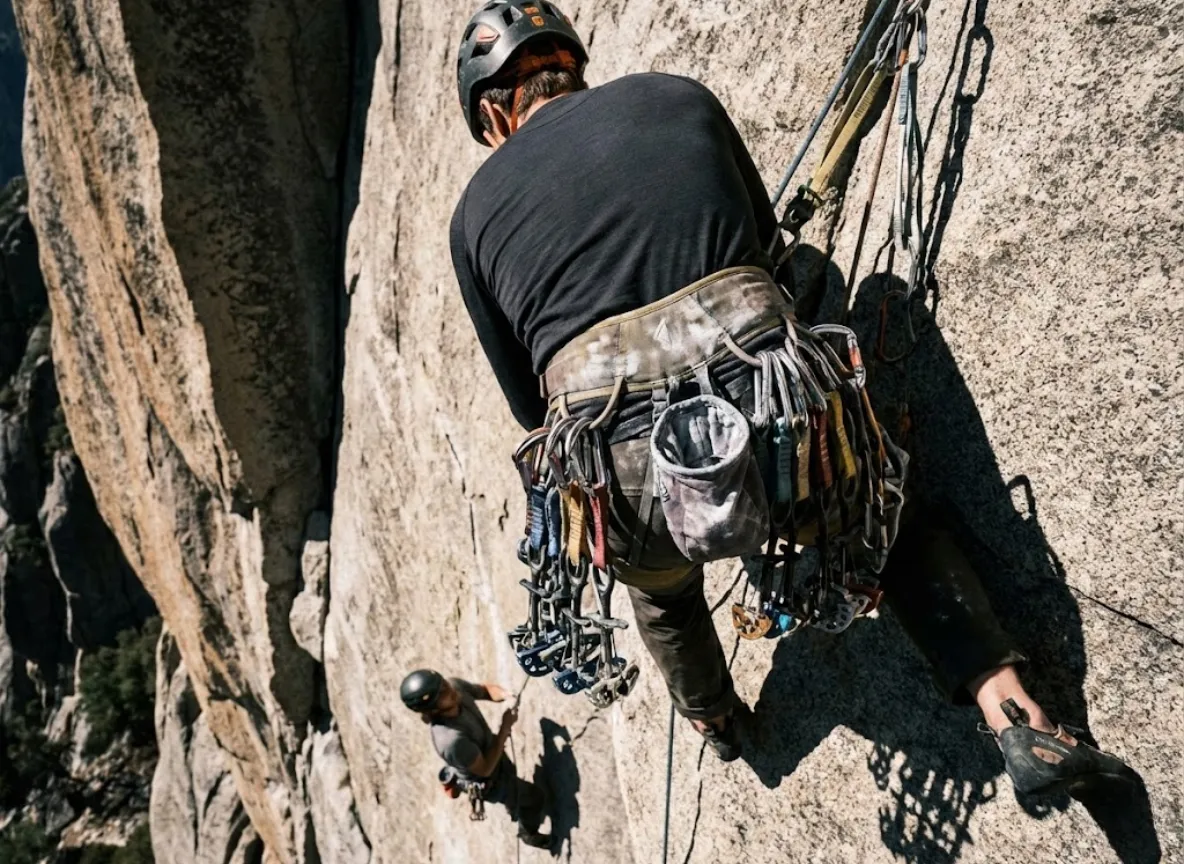
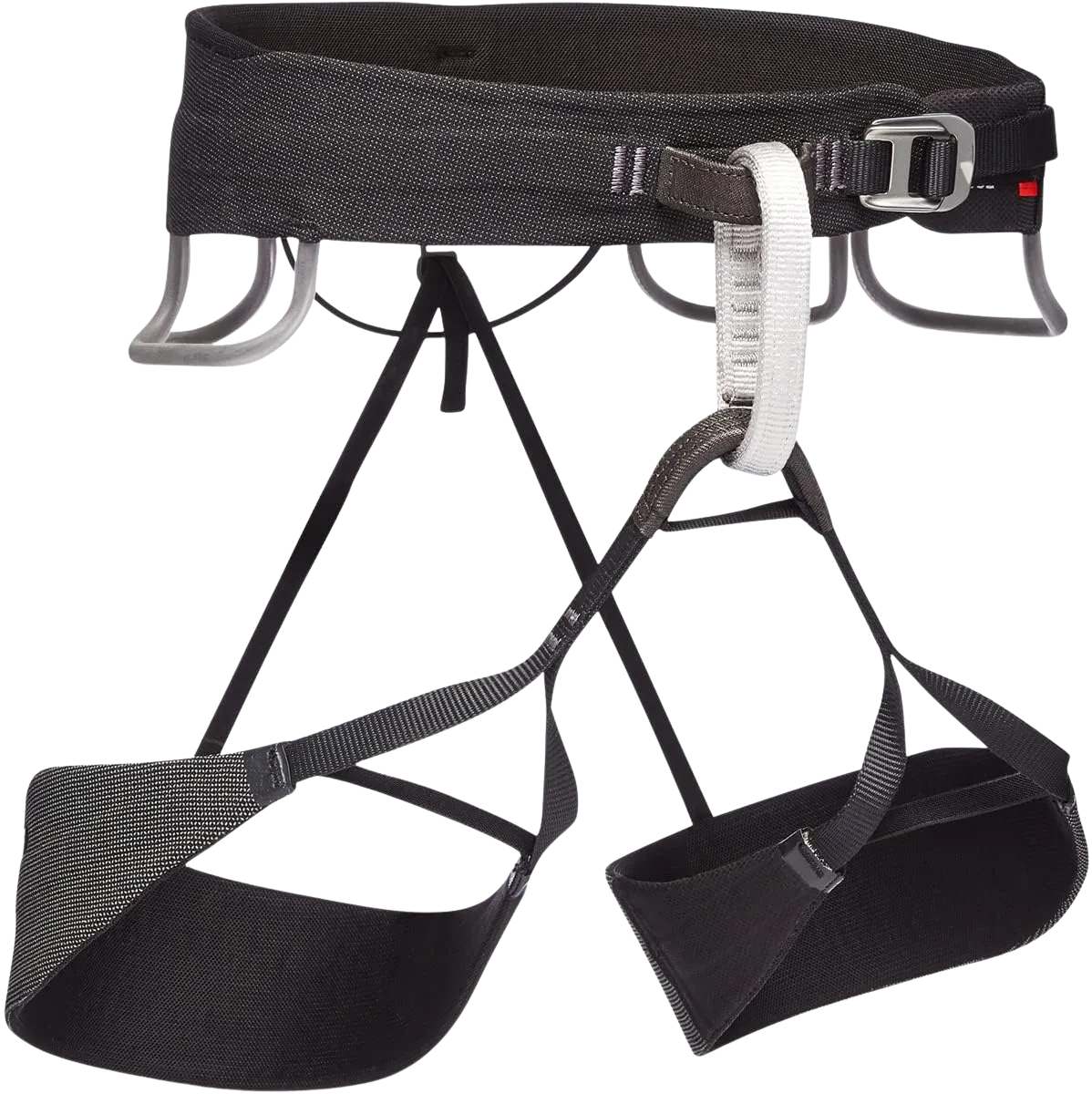
While four gear loops are standard, big wall objectives often demand five to seven loops to manage double racks and taglines without turning your harness into a cluster. You also need to distinguish between haul loops; most are rated for 0kN, strictly for trailing a rope, while some specialist harnesses rate them for a full load, crucial for big wall harness setups.
To ensure your gear stays organized and safe, referencing Petzl’s technical tips on harness inspection can help you monitor wear points on these critical loops. This logic also applies when looking at women’s climbing harnesses, where anatomical fit considerations often dictate the angle and placement of these gear loops.
Pro-Tip: If you are between sizes, choose the larger size for winter climbing to accommodate layers. A harness that is maxed out on the buckle is harder to inspect and leaves no tail for safety.
3. Lifespan and Material Degradation
Even the perfect harness is a ticking clock; recognizing when time runs out is a survival skill. The “10-Year Rule” is a hard line in the sand because polyamide degrades via background radiation and oxidation even when stored in a dark closet.
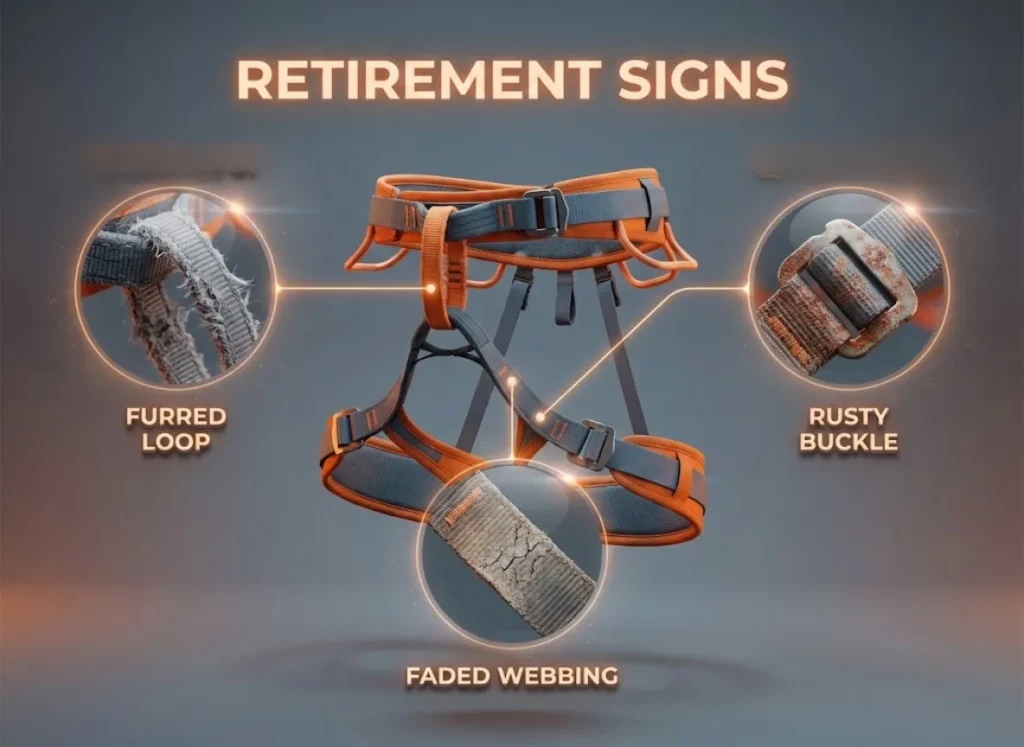
Chemical sensitivity is another Invisible Hazard; stray acid from a car battery can dissolve the core invisibly while leaving the sheath looking pristine. Visual inspection is your first line of defense. Look for “furring” on the belay loop, discoloration, or a “crunchy” feeling in the webbing, which are all indicators that retirement is overdue.
The recent CPSC recall notice regarding fall hazards serves as a stark reminder of why we cannot ignore these signs. For a deeper dive into the degradation process, read our guide on the true harness lifespan to make an informed decision on when to cut the cord.
Our Selection Process: How We Built This Guide
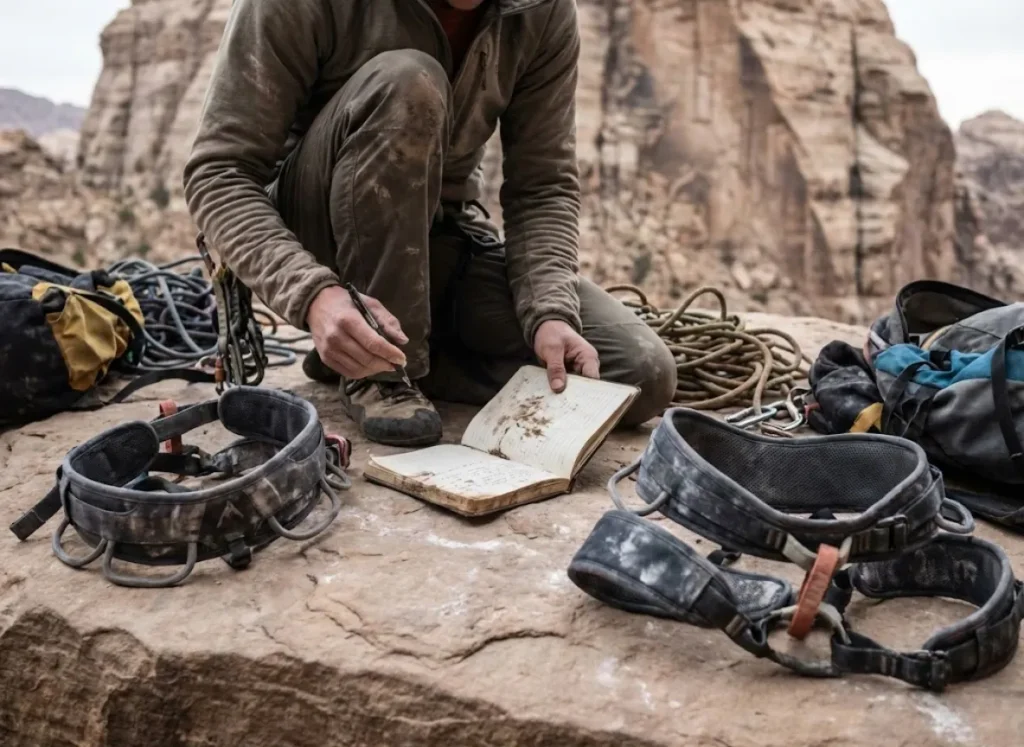
We don’t rely on marketing copy. To build absolute trust, we analyze the market based on engineering specs and verified failure reports, cross-referencing manufacturer data with 2026 field reports.
Our evaluation framework judged products on weight-to-durability ratios, racking ergonomics, and real-world failure modes. We filtered specifically for current 2026 availability, prioritizing gear that has survived our own abrasion tests against coarse sandstone and granite. While we may earn a commission from the links below, our recommendations are driven strictly by safety and utility standards.
The Best Climbing Harnesses of 2026: Our Top Recommendations for Every Need
Our Top Picks for The Sport Performance Climber
Our Top Picks for The Alpinist & Mountaineer
Our Top Picks for The Gym & Daily Workhorse
Final Verdict
The 2026 market has made one thing clear: safety is specific. There is no longer a single “do-it-all” harness that excels everywhere; alpinists need the hydrophobicity of the Choucas Pro, while wall climbers need the armored padding of the Solution Guide. High-tech materials like Matryx offer incredible performance gains, but they require a vigilant eye for abrasion that traditional foam laminates forgive.
A prestigious brand logo means nothing if the waist belt doesn’t sit securely above your iliac crest or if the leg loops cut off your circulation. Don’t let your safety system be the weak link in your chain. Inspect your current gear today—specifically looking for that 10-year expiration date—and if it’s time for an upgrade, choose the tool engineered for your specific vertical reality.
FAQ – Frequently Asked Questions
How often should I replace my climbing harness?
Immediately if it shows signs of structural damage like cuts or heavy abrasion on load points, or if it has sustained a major fall. Otherwise, replace it every 10 years maximum due to invisible nylon degradation, though most active climbers retire them every 1-3 years.
Can I put a climbing harness in the washing machine?
Yes, but you must use a delicate cycle with no bleach and mild soap or a specific tech wash. Never use a dryer; always air dry it away from direct sunlight to prevent UV damage to the nylon.
What is the difference between fixed and adjustable leg loops?
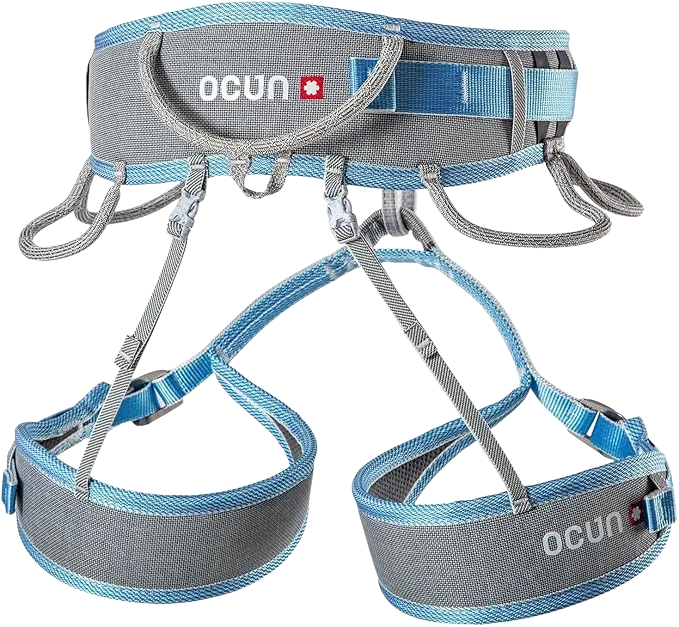
Fixed leg loops use elastic for a lighter, simpler fit that is great for gym climbing but less versatile. Adjustable leg loops use buckles, allowing you to loosen them to fit over mountaineering pants in winter or tighten them over shorts in summer.
Is a lighter harness less safe?
No, all certified harnesses meet the same UIAA or CE safety standards for breaking strength. However, lighter harnesses often use thinner materials that are less resistant to abrasion, meaning they will wear out faster and require more frequent replacement than heavier models.
Safety Notice: Rock climbing and mountaineering are inherently high-risk
activities that can involve physical trauma or fatal incidents. The information on Rock Climbing Realms is for
educational and informational purposes only. Techniques and advice presented here are not a substitute
for professional, hands-on instruction. Conditions and risks vary by location. Always seek guidance
from a qualified instructor before attempting new techniques. By using this website, you agree that you
are solely responsible for your own safety. Any reliance you place on this information is strictly
at your own risk, and you assume all liability for your actions. Rock Climbing Realms and its authors
will not be held liable for any harm, damage, or loss sustained in connection with the use of this information.
Affiliate Disclosure: We are a participant in the Amazon Services LLC Associates Program, an
affiliate advertising program designed to provide a means for us to earn advertising fees by advertising and linking
to Amazon.com. As an Amazon Associate, we earn from qualifying purchases. We are also an official affiliate partner
of Black Diamond Equipment via the AvantLink network. If you click on a Black Diamond affiliate link and make a
purchase, we may earn a commission at no additional cost to you. We also participate in other affiliate programs.
Additional terms are found in the terms of service.