In this article
The air thins, each breath becomes a conscious effort, and the burn in your lungs is matched only by the vast, indifferent beauty of the alpine world. This is the high-altitude challenge, where performance is dictated not by raw power, but by your body’s intricate dance with oxygen. High altitude training is the practice by some endurance athletes of training for several weeks at high altitude, preferably over 2,400 metres (8,000 ft) above sea level, to trigger these adaptations. This dossier moves beyond anecdotal wisdom, providing a comprehensive, data-backed analysis to deconstruct the science of acclimatization, empowering you to forge a profound physiological advantage and achieve significant performance gains for your next ascent.
For any climber, true mastery of the high altitude environment comes from transforming the complex science of sports physiology into an instinctual, data-driven approach to training, altitude acclimatization, and self-care. We begin this journey as dedicated climbers aware of the altitude challenge, but you will finish as an informed strategist, equipped with the scientific knowledge to turn hypoxia from an adversary into an ultimate training partner, ready to plan and execute a safer, more successful ascent. Together, we’ll explore how to understand the body’s cascade of physiological adaptations, select strategic training methodologies, apply on-mountain protocols, and integrate performance from base camp to summit.
What Happens to a Climber’s Body at High Altitude?
This section details the complex, multi-stage physiological journey the body undertakes to adapt to the systemic oxygen deficit, or hypoxia, encountered at high altitude. At high altitudes, the lower atmospheric pressure reduces the partial pressure of oxygen, meaning fewer oxygen molecules enter the lungs with each breath. This is a remarkable process of survival and optimization that begins the moment you step into the thin air.
What are the Acute and Chronic Adaptations to Hypoxia?
The body’s response to hypoxia is a beautifully orchestrated cascade of physiological adaptations, unfolding in two distinct phases. The first is an immediate, rapid-fire reaction to the crisis of low oxygen levels, happening over hours and days, involving compensatory responses like vasodilation to increase blood flow. The second is a deeper, more permanent re-engineering of your physiology that occurs over weeks and months, focusing on long-term endurance improvement.
The acute response begins with your very first breath at altitude. Peripheral chemoreceptors instantly detect the drop in arterial oxygen. They send an urgent signal to your brain, triggering an immediate increase in your breathing rate and depth—a process called hyperventilation. This is your body’s first defense, an attempt to pull more oxygen molecules out of the thin air. This frantic breathing, however, has a significant side effect. You expel large amounts of CO2, causing your blood pH to rise into a state of respiratory alkalosis. To counteract this, the kidneys get to work, beginning a days-long process of excreting bicarbonate to normalize your blood chemistry. Concurrently, your heart rate and cardiac output increase, working harder to circulate the limited oxygen available to your muscles and organs.
If you remain at altitude for a sufficient duration, your body begins the process of chronic adaptation. This is where altitude training triggers EPO production. The key player is the Hypoxia-Inducible Factor-1 (HIF-1) protein complex. In hypoxic conditions, HIF-1 becomes stable and activates genes designed for long-term survival. One of its most critical targets is the gene that stimulates the kidneys to produce the hormone Erythropoietin (EPO). This hormone travels to your bone marrow, where it signals for a red blood cell increase through a process called erythropoiesis. Over weeks, this boosts your concentration of hemoglobin and hematocrit levels. This increase in hemoglobin levels is the central adaptation that enhances oxygen transport and oxygen delivery. The body also fine-tunes muscle metabolism for greater efficiency.
This cascade of internal changes produces measurable signals. Understanding these key biomarkers is how we transform abstract physiology into a practical training dashboard. For a deeper dive, see this research on physiological changes in expeditions from the NIH. This knowledge is the foundation for a proactive protocol to prevent altitude sickness, connecting the body’s natural response to practical management strategies.
How Do Key Biomarkers Like VO2 Max and HVR Change?
To truly master the high-altitude environment, we must shift our focus from traditional sea-level performance metrics to the biomarkers that actually matter. Your body’s success is written in the language of hemoglobin, iron requirements, and ventilatory response.
The most critical biomarkers are Erythropoietin (EPO) and Hemoglobin (Hb). Monitoring the increase in your hemoglobin levels is the most direct way to measure your body’s enhanced oxygen-carrying capacity. However, this entire process is dependent on adequate iron stores. Monitoring your iron is crucial, and athletes should be aware of their personal ferritin thresholds. Without adequate reserves, your body cannot build new hemoglobin.
Pro-Tip: Get a blood test that includes a full iron panel (serum ferritin, serum iron, TIBC) at least 8-10 weeks before a major expedition. If your ferritin is low (below 50 ng/mL), you have time to supplement with iron under a doctor’s guidance. Trying to fix an iron deficiency during the final weeks of training is often too little, too late.
This brings us to Maximal Oxygen Uptake (VO2 max), a key measure of aerobic capacity. At altitude, its relevance changes. VO2 max is not improved by altitude; in fact, it is significantly impaired, decreasing by about 6% per 1,000 meters. The primary benefit of altitude training isn’t VO2 max improvement at altitude, but enhancing the efficiency of your oxygen transport system. This leads to better lactic acid tolerance and muscle fatigue reduction during the sub-maximal efforts that define climbing. Think of it as your Fuel Delivery System. At altitude, performance is dictated far more by the efficiency of your fuel delivery system—your hemoglobin concentration—than the size of your engine.
Another key biomarker is your Hypoxic Ventilatory Response (HVR). This measures how strongly your breathing rate increases in response to hypoxia. A robust HVR leads to better maintenance of arterial oxygen saturation, which improves performance and reduces the likelihood of suffering from Acute Mountain Sickness (AMS). It is a key characteristic that distinguishes elite endurance athletes. A systematic review of altitude training on aerobic capacity provides robust evidence on these changes. This understanding fits into the broader framework of physical training for mountaineering.
What Are the Physiological Costs and Risks of Altitude Exposure?
The adaptive potential of hypoxia is powerful, but it comes at a significant physiological cost. The risks of altitude training include a negative energy balance, suppressed immune function, and impaired recovery time. Individual variability in response is also a major factor.
One of the most insidious dangers is the loss of lean muscle mass, or muscle tissue deterioration. This is driven by suppressed appetite and an increased basal metabolic rate. Above 5,000 meters, this becomes a catabolic spiral. Furthermore, the metabolic shifts induced by hypoxia lead to an overproduction of reactive oxygen species, causing oxidative stress. There is also evidence that hypoxia suppresses immune function, making climbers more vulnerable to infections.
This systemic stress directly impairs the body’s ability to recover. At altitude, muscle repair is slower, contributing to slow recovery and increasing the risk of becoming overtrained. On a multi-week climb, this leads to cumulative fatigue. The combination of muscle wasting, reduced energy, and cumulative fatigue significantly increases the risk of both injury and illness. To harness the benefits of altitude training while mitigating these costs, specific methods have been developed. The Impact of High-Altitude on Performance and Nutrition is well-documented, and understanding these costs is key to preventing and treating common climbing injuries.
Which Altitude Training Method is Right for Your Ascent?
This section provides a data-backed comparison of the primary altitude training methodologies, analyzing the protocol, physiological target, and efficacy of each. The goal is to make an informed, strategic choice based on your specific objective, from gaining a competitive advantage in endurance events to safely summiting a high peak.
Altitude Training Methods Comparison
Explore different hypoxic training protocols for climbers, with expandable details on each method.
Protocol
Live & train at 2,000-3,000 m for 3+ weeks.
Primary Target
Hematological (maximized acclimatization).
Key Benefits
Maximizes adaptation for performance at altitude.
Key Drawbacks/Risks
High risk of detraining, muscle atrophy, and overtraining due to reduced training intensity.
Ideal Climber Profile
Mountaineer on a long expedition where at-altitude performance is the only goal (e.g., 8,000 m peak).
Protocol
Live at 2,100-2,500 m (>12 hrs/day) for 3+ weeks; train at <1,250 m.
Primary Target
Hematological (increased Hb mass).
Key Benefits
Gains hematological benefits while maintaining high training intensity and quality.
Key Drawbacks/Risks
Logistically complex and expensive; requires specific geography or simulated altitude technology.
Ideal Climber Profile
Elite athlete seeking to improve sea-level performance; climber seeking robust pre-acclimatization before a shorter expedition.
Protocol
Live at sea level; train in hypoxia for 60-90 min, 3-5x/week.
Primary Target
Non-hematological (muscle buffering, efficiency).
Key Benefits
Accessible, cost-effective, and less disruptive than LHTL/LHTH.
Key Drawbacks/Risks
Insufficient hypoxic dose for significant red blood cell production; debated benefits for aerobic endurance.
Ideal Climber Profile
Climber focusing on short-duration power-endurance on technical alpine rock routes; athlete seeking marginal gains in anaerobic capacity.
Protocol
Use of normobaric hypoxia to replicate LHTL (sleeping) or IHT (training) protocols at home.
Primary Target
Dependent on protocol (Hematological for LHTL, Non-hematological for IHT).
Key Benefits
Enables precise control over hypoxic dose; allows for LHTL protocol without travel; facilitates "Rapid Ascent" models.
Key Drawbacks/Risks
High initial cost; normobaric hypoxia may not perfectly replicate all effects of hypobaric (real) altitude.
Ideal Climber Profile
Any climber with the resources to pre-acclimatize at home, reducing on-mountain acclimatization time and risk of AMS.
What are the Pros and Cons of “Live High, Train High” (LHTH)?
The “Live High, Train High” (LHTH) method is the classic approach. The protocol is simple: you live and conduct all training at a consistent high elevation, typically between 2,000 and 3,000 meters. The primary benefit is the constant hypoxic stimulus, which maximizes the body’s acclimatization for performance at that specific altitude. For mountaineers on a long expedition whose sole goal is to function on a high peak, LHTH is an effective strategy.
The critical drawback of LHTH is the necessary reduction in training intensity. The lack of available oxygen makes it impossible to maintain the same training volume or power output as at sea level. This can lead to a detraining effect and contribute to muscle wasting. Furthermore, the combination of constant hypoxic stress and training stress elevates the overall load on the body, increasing the risk of illness or becoming overtrained. For a climber focused purely on summit performance, this compromise is often acceptable. A peer-reviewed article on the Physiological implications of altitude training discusses these risks.
Why is “Live High, Train Low” (LHTL) Considered the Gold Standard?
The “Live High, Train Low” (LHTL) method represents the modern, evidence-based gold standard, pioneered by researchers like Ben Levine and Jim Stray-Gundersen. The method involves living at high elevation (2,100 m to 2,500 m) for more than 12 hours per day for at least three weeks. Then, the athlete descends to a lower altitude (below 1,250 m) to perform high-intensity training sessions. This “Best of Both Worlds” approach allows athletes to gain crucial hematological adaptations from living high while maintaining high-quality training, preventing detraining. Famous LHTL high altitude hubs include Mammoth Lakes, California; Flagstaff, Arizona; and Iten, Kenya, where elite athletes like David Rudisha and Galen Rupp have trained.
Research demonstrates that LHTL produces clear increases in hemoglobin mass and improves submaximal running economy. The physiological target is explicitly hematological—boosting oxygen-carrying capacity. The key drawback is logistical complexity and expense, requiring specific geography or artificial altitude simulation. An NIH position statement on the Current knowledge on altitude training for team-sport players establishes its “gold standard” status. This methodology connects to the principles of building a smart rock climbing training program.
How Effective is Intermittent Hypoxic Training (IHT)?
Intermittent Hypoxic Training (IHT) is a form of “Live Low, Train High,” where an athlete lives at sea level but performs training sessions in hypoxic conditions for short periods. The evidence for IHT’s effectiveness on endurance performance is highly equivocal. Unlike LHTL, the hypoxic dose in most IHT protocols is insufficient to stimulate a significant red blood cell increase.
Instead, the proposed benefits of IHT are derived from non-hematological adaptations, such as increased muscle buffering capacity. Some studies suggest IHT, sometimes called repeated sprints in hypoxia, may improve power output and sprint capacity for anaerobic activities, which could benefit climbers on short, powerful cruxes. However, its benefit for the sustained aerobic endurance required for long mountain ascents is contested. The primary advantages are practical: it is more accessible and less expensive. The practical appeal has been supercharged by technology. A Comparison of Live High: Train Low and Intermittent Hypoxic Exposure from the NIH directly compares these modalities. This concept connects to the use of core rock climbing training equipment.
How Do Simulated Altitude Systems Work in Practice?
Modern artificial altitude technology allows climbers to simulate altitude at home. These simulated altitude systems typically create normobaric hypoxia, where the barometric pressure remains at sea-level but the percentage of oxygen is reduced (e.g., to 15.3% to simulate ~2,500 m). This is different from the hypobaric hypoxia of real altitude, which involves lower atmospheric pressure.
The primary tool for executing LHTL at home is an altitude simulation tent or altitude tent. For IHT protocols, athletes use mask-based hypoxicator systems. It is critical to distinguish these systems from simple training masks or elevation training masks that merely restrict airflow; research indicates these masks are ineffective at simulating true physiological hypoxia. The use of these systems, including simulated altitude chambers and the high-altitude house concept, for pre-acclimatization is now widespread. This has enabled “Rapid Ascent” models that can cut traditional on-mountain time by 40-50%. While convenient, a debate continues on whether normobaric hypoxia can perfectly replicate all effects of real hypobaric altitude. A recent survey on Hypoxic Training Systems for Climbing at Extremely High Altitude provides current data on this practice.
How Do You Apply Acclimatization Science on the Mountain?
Theoretical knowledge is useless without practical application. This section translates the science into an evidence-based protocol for managing acclimatization during an actual high-altitude ascent, where discipline and a proper acclimatization time are your most important tools.
What is the “Climb High, Sleep Low” Doctrine in Practice?
The single most important principle of on-mountain acclimatization is to “Climb High, Sleep Low.” This maxim encapsulates the ideal cycle of hypoxic stimulus and relative recovery that drives safe adaptation through gradual acclimatization.
The “Climb High” portion is the stimulus. By ascending to a higher altitude during the day, your body is exposed to a greater hypoxic stress. The “Sleep Low” portion is the recovery. By descending to a lower altitude to sleep, the body is given a period of recovery in a more oxygen-rich air environment. This strategy is implemented through acclimatization hikes and “carry days.” For example, a team will move a load to stock a higher camp (e.g., Camp 2) but then return to a lower camp (e.g., Camp 1) to spend the night. This process allows the body to adapt to the higher altitude in controlled doses. This doctrine provides the rhythm for acclimatization, but the tempo—the rate of ascent—is governed by strict, data-driven rules. This resource on Understanding Acclimatization and High-Altitude Environments explains the principle well. This strategy is frequently employed while mastering multi-pitch systems and safety.
What are the Data-Driven Guidelines for Ascent Rate and Rest?
Discipline on the mountain means following proven guidelines for gradual acclimatization. Authoritative bodies like the UIAA agree that rules generally apply above a threshold of 2,500 m to 3,000 m (8,200 ft to 10,000 ft).
Once above this threshold, the Golden Rule of Ascent dictates that the increase in sleeping altitude from one night to the next should not exceed 300 m to 500 m. To complement this, the Rule of Rest requires that a rest day—a day with no additional gain in sleeping altitude—be incorporated for every 1,000 m of elevation gained. An alternative cadence is to plan a rest day after every two to three days of consecutive climbing. Research has also shown the power of a “staging” period. Spending two full days at an intermediate altitude can significantly reduce the incidence of AMS during a rapid ascent. Adherence to these guidelines is a critical safety protocol.
Princeton University’s OA Guide to High Altitude: Acclimatization and Illnesses provides excellent, evidence-based guidelines. These principles are put into practice in a complete expedition blueprint for Denali, where they are absolutely critical.
What Pharmacological Aids are Sanctioned for Altitude Illness?
While a slow ascent is preferred, certain medications can be used as adjuncts—not replacements—for preventing or treating altitude illness. It is crucial to distinguish legitimate medical use from the illegal practice of blood doping with substances like synthetic EPO to gain an unfair competitive advantage.
The most studied medication is Acetazolamide (Diamox). It acts as a respiratory stimulant. By causing the kidneys to excrete bicarbonate, it induces a mild metabolic acidosis, which drives an increase in breathing rate, especially during difficulty sleeping. The UIAA advises that prophylactic use may be warranted in cases of unavoidable rapid ascent.
For severe illness, Dexamethasone is a potent steroid effective in treating moderate to severe AMS and High-Altitude Cerebral Edema (HACE). It works by reducing inflammation in the brain. It is critical to understand that dexamethasone is a treatment, not a cure. It does not aid acclimatization but serves as a temporary chemical “bridge.” Its primary purpose is to allow for a safe and immediate descent, the only definitive treatment for severe altitude illness. The UIAA Medical Commission Factsheet on Altitude Sickness provides the official consensus guidelines on the use of Diamox.
How Do You Recognize and Respond to AMS, HAPE, and HACE?
Recognizing the early symptoms of altitude illness and responding decisively is a non-negotiable skill for every high-altitude climber.
Acute Mountain Sickness (AMS) is the most common form. The defining altitude sickness symptoms include a headache, accompanied by one or more of the following: fatigue, tiredness, dizziness, nausea, vomiting, lack of appetite, or difficulty sleeping. The Cardinal Rule for managing AMS is to stop ascending until all symptoms have completely resolved. The maxim “Don’t go up until symptoms go down” must be treated as law.
High-Altitude Cerebral Edema (HACE), a form of cerebral edema, is a life-threatening progression of AMS where the brain swells. The hallmark sign is ataxia—a loss of coordination demonstrated by difficulty walking a straight heel-to-toe line. HACE is a medical emergency requiring immediate descent of at least 500-1,000 m, along with oxygen and dexamethasone.
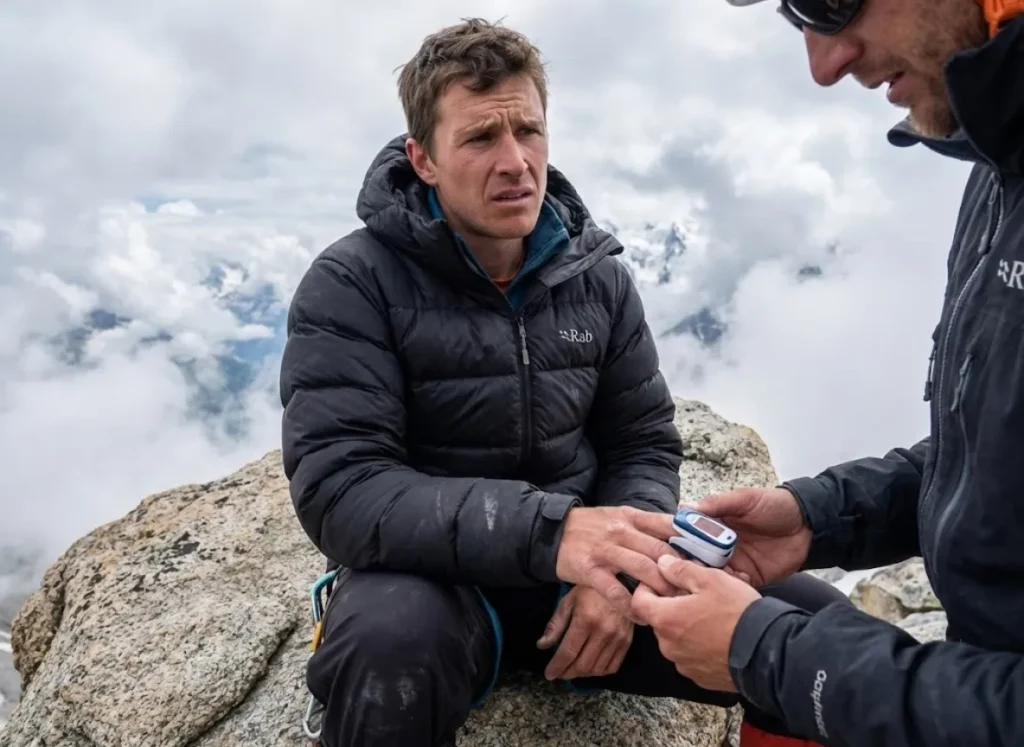
High-Altitude Pulmonary Edema (HAPE), a form of pulmonary edema, involves fluid leakage into the lungs. It is the leading cause of death from altitude illness. The key signs are extreme breathlessness at rest, a persistent, wet-sounding cough, and a gurgling sound in the chest. Like HACE, HAPE is an extreme emergency that demands immediate descent. A dangerous paradox is that hypoxia itself degrades cognitive function, making self-assessment unreliable. Objective signs must override subjective feelings.
.table-responsive-wrapper{overflow-x:auto;-webkit-overflow-scrolling:touch}.compact-brand-table{width:100%;border-collapse:collapse;margin:1.5rem 0;box-shadow:0 2px 8px rgba(0,0,0,0.07);border-radius:10px;overflow:hidden;font-family:’Inter’,-apple-system,BlinkMacSystemFont,’Segoe UI’,Roboto,Oxygen,Ubuntu,Cantarell,’Helvetica Neue’,sans-serif;line-height:1.4}.compact-brand-table th.table-title{background-color:#f8f9fa;color:#212529;font-size:1.2rem;font-weight:700;text-align:center;padding:16px 18px;letter-spacing:normal;text-transform:none}.compact-brand-table thead th{background:#d9232d;color:#ffffff;font-size:0.9rem;font-weight:600;text-transform:uppercase;letter-spacing:0.05em;text-align:center}.compact-brand-table th,.compact-brand-table td{padding:10px 18px;text-align:left;vertical-align:middle;border-bottom:1px solid #e9ecef}.compact-brand-table tbody tr{background-color:#ffffff}.compact-brand-table tbody tr:hover{background-color:#f8f9fa}.compact-brand-table tbody tr:last-child td{border-bottom:none}@media (max-width:767px){.compact-brand-table th.table-title{font-size:1rem}.compact-brand-table td{font-size:0.875rem}.compact-brand-table th,.compact-brand-table td{padding:8px 15px}}| Altitude Illness: Recognize & Respond | ||
|---|---|---|
| Illness | Key Symptoms | Immediate Action |
| AMS | Headache, fatigue, dizziness, nausea | Stop ascent until symptoms resolve (“Don’t go up until symptoms go down”) |
| HAPE | Extreme breathlessness at rest, wet-sounding cough, gurgling in chest | DESCEND NOW (at least 500-1,000 m), oxygen, medical attention |
| HACE | Ataxia (loss of coordination, e.g., can’t walk heel-to-toe) | DESCEND NOW (at least 500-1,000 m), oxygen, dexamethasone |
The U.S. National Library of Medicine provides a definitive clinical description in its article on Acute mountain sickness. Recognizing these signs is one of the essential Wilderness First Aid skills for climbers.
How Can You Optimize Overall Performance in a Hypoxic Environment?
This section outlines an integrated strategy to proactively manage nutrition, recovery, and cognitive function. This holistic approach is required to mitigate the cumulative stress of a high-altitude ascent.
What is the Optimal Nutritional Strategy for High Altitude?
Fueling properly at altitude is about metabolic efficiency. Climbers face massive daily energy expenditures (>4,500 kcal) due to an increased basal metabolic rate combined with extreme physical exertion.
In a low-oxygen environment, carbohydrates become the body’s preferred fuel, as their metabolism requires less oxygen. A diet high in carbohydrates (>60-70% of total caloric intake) has been shown to stimulate ventilation and improve blood oxygenation. Prioritizing antioxidants to combat oxidative stress is also wise. A key strategy is to maximize glycogen stores before the ascent begins.
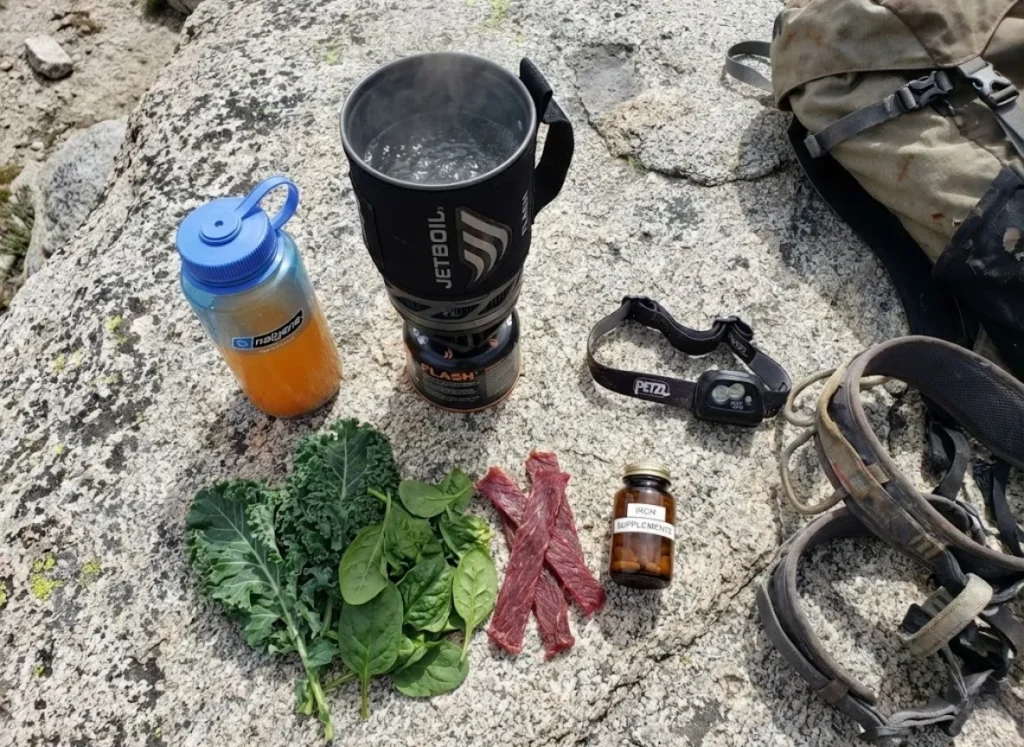
While carbs are king, protein and iron supplements (if needed) play supporting roles. Adequate protein intake (1.3-1.8 g/kg of body weight per day) is essential for muscle repair. Fats are energy-dense but are the most oxygen-intensive macronutrient to metabolize. Finally, hydration is critical. Hydration needs are high due to respiratory water loss in dry air and diuresis, with requirements reaching up to seven liters per day. Inadequate hydration and dehydration impair performance and can exacerbate AMS symptoms. Monitor for a copious output of pale, clear urine.
Pro-Tip: Focus on simple, easily digestible carbohydrates during the day. Complex foods are harder to process at altitude. Things like gummy candies, gels, and simple crackers are excellent for on-the-move energy. Save the more complex meals with protein and fat for the end of the day when your body has more time to digest.
This NIH article provides a detailed review of Nutrition and hydration considerations for mountaineers. It’s interesting to compare this high-carb recommendation with the role of high-protein, low-carb foods in other diets.
How Can You Maximize Recovery with Poor Sleep and High Stress?
Recovery at altitude is an active, multi-faceted strategy. Sleep is notoriously poor, frequently disrupted by periodic breathing. This, combined with the discomfort of a cold tent, leads to sleep deprivation that impairs muscle repair and cognitive function. While perfect recovery is impossible, you can optimize it through strict sleep hygiene and practicing breathing techniques like yogic breathing to calm the nervous system. Prioritizing immediate post-exercise refueling with carbohydrates and protein is also crucial.
On designated rest days, embrace active recovery. Light activity like a slow walk can promote blood flow and reduce muscle fatigue without adding significant training stress. Avoid the “Training Day” trap: this activity must remain light. Diligent hydration is also a key component of recovery time, helping flush metabolic waste. Perhaps the most critical resource to manage is your mind. The impact of hypoxia on cognitive functioning is well-documented and must be taken seriously. The concept of recovery is a core part of any complete rock climbing workout routine.
What Strategies Mitigate Cognitively Impaired Judgment?
Acute altitude exposure is detrimental to cognitive performance. It measurably slows reaction time, reduces response accuracy, and impairs complex decision-making. For a climber, this translates into failing to arrest a slip or making poor decisions in deteriorating weather. The primary defense is a slow, methodical acclimatization schedule.
As experts note, hypoxia can lead to a state of “dangerous/inappropriate euphoria,” making a climber’s own judgment unreliable. To combat this, teams must implement rigid safety protocols. These include mandatory use of checklists for critical tasks, strict communication protocols, and pre-planned ascent schedules. A crucial strategy is fostering a team culture that empowers any member to veto a decision based on objective safety concerns. This commitment to objective protocols extends beyond personal safety. In a NOVA interview with Dr. Peter Hackett on Everest exposure, the renowned physician provides expert accounts of these dangers. This connects the discussion of hypoxia-induced cognitive impairment to a mental training framework for climbers.
What is the Modern Alpinist’s Responsibility to Fragile Environments?
This section examines the ethical and environmental responsibilities inherent in modern high-altitude climbing, connecting our acclimatization strategies to sustainable practices. This forms the basis of a modern Climber’s Altitude Protocol.
How Can You Apply Eco-Friendly Practices on an Expedition?
Responsible alpinism is grounded in the Leave No Trace (LNT) framework, adapted for the unique challenges of the high-altitude environment. This includes concentrating impact on durable surfaces and using existing campsites. These principles of eco-friendly acclimation are crucial for sustainability.
Modern best practices mandate that all waste—including food packaging, used fuel canisters, and solid human waste—is packed out. The “Pack It Out” standard, involving the use of “blue bags” or “WAG bags,” is now a worldwide standard. Sustainability also extends to resources consumed. Innovative practices include using large solar panel arrays to power base camps. Other innovations include wastewater treatment systems and pioneering the use of reusable, refillable oxygen cylinders. While on-mountain practices are crucial, the largest environmental impact often occurs before reaching the trailhead. Alpine Ascents International details many of these modern best practices. These expedition-specific rules are an application of the principles in The Climber’s Guide to Leave No Trace.
This focus on sustainability represents a significant opportunity for our community. By integrating these principles, we can develop comprehensive protocols that address not only the physiological challenges but also the ethical responsibilities of high-altitude pursuits. This includes pioneering climbing-specific applications of LNT, considering the unique demands of vertical-endurance applications on technical terrain like multi-pitch routes, where waste management and impact minimization require specialized strategies beyond what is typically considered in trekking.
How Does Altitude Training Impact a Climber’s Carbon Footprint?
For international climbers, the largest environmental impact is often air travel, which can generate over two metric tons of CO2 per passenger. This creates a fundamental tension. The traditional method of natural acclimatization requires long expeditions, which inherently involve a larger on-mountain footprint.
This is the modern dilemma. Modern technologies like at-home hypoxic pre-acclimatization enable shorter, “Rapid Ascent” expeditions. While this may be viewed as “unnatural,” it significantly reduces the expedition’s direct environmental impact. This presents a complex ethical trade-off: a slow, traditional ascent versus a faster, technologically assisted climb that may be more sustainable. To mitigate this, some expedition operators now offer carbon offsetting programs. Integrating science, strategy, and stewardship is the hallmark of the modern alpinist. Guide companies known for “Rapid Ascents” like Furtenbach Adventures explicitly detail their sustainability practices. This dilemma connects the climber’s personal environmental impact to understanding threats to climbing access.
Conclusion
Successful high-altitude performance relies on efficient oxygen transport, driven by hematological adaptations like increased hemoglobin, rather than a high VO2 max. The “Live High, Train Low” (LHTL) protocol remains the most effective evidence-based strategy for enhancing endurance while maintaining training quality. On the mountain, safe acclimatization is non-negotiable and must be governed by the “Climb High, Sleep Low” doctrine and strict, data-driven ascent rate guidelines. Finally, a holistic approach integrating proactive nutrition, recovery, and disciplined reliance on objective safety protocols is required to combat the catabolic environment and override hypoxia-induced cognitive impairment.
Use this data-backed framework to plan your next high-altitude objective, and share your own experiences with different training and acclimatization strategies in the comments below.
Frequently Asked Questions about High-Altitude Training for Climbers
Does altitude training actually work for climbers?
Yes, altitude training works by triggering physiological adaptations, most notably a red blood cell increase, which improves the body’s ability to transport and use oxygen in a hypoxic environment. Its effectiveness depends on using the correct protocol (like LHTL) for a sufficient duration to stimulate these changes.
How long do you need to train at altitude to see benefits?
Significant hematological adaptations, such as an increase in red blood cell mass, generally require at least three to four weeks of living at moderate altitude (e.g., 2,100-2,500m). Shorter periods may help with initial acclimatization but are unlikely to produce lasting endurance benefits.
What is the difference between Live High, Train High and Live High, Train Low?
Live High, Train High (LHTH) involves living and training at altitude, which maximizes acclimatization but forces a reduction in training intensity. Live High, Train Low (LHTL) involves living/sleeping at altitude to gain adaptations but descending to a lower elevation to perform high-intensity workouts, thus preventing detraining.
Are simulated altitude tents as good as real altitude?
Simulated altitude tents effectively replicate the low-oxygen conditions needed to trigger key adaptations like increased red blood cell production for LHTL protocols. However, they create normobaric hypoxia (normal air pressure, less oxygen) which may not perfectly replicate all physiological effects of hypobaric hypoxia (lower atmospheric pressure) found at real altitude.
Risk Disclaimer: Rock climbing, mountaineering, and all related activities are inherently dangerous sports that can result in serious injury or death. The information provided on Rock Climbing Realms is for educational and informational purposes only. While we strive for accuracy, the information, techniques, and advice presented on this website are not a substitute for professional, hands-on instruction or your own best judgment. Conditions and risks can vary. Never attempt a new technique based solely on information read here. Always seek guidance from a qualified instructor. By using this website, you agree that you are solely responsible for your own safety. Any reliance you place on this information is therefore strictly at your own risk, and you assume all liability for your actions. Rock Climbing Realms and its authors will not be held liable for any injury, damage, or loss sustained in connection with the use of the information contained herein.
Affiliate Disclosure: We are a participant in the Amazon Services LLC Associates Program, an affiliate advertising program designed to provide a means for us to earn advertising fees by advertising and linking to Amazon.com. As an Amazon Associate, we earn from qualifying purchases. We also participate in other affiliate programs. Additional terms are found in the terms of service.