
In this article
You’ve been hanging in that sport harness for six hours and your hip bones feel like they’re being ground into granite dust. The $80 “all-around” harness that felt perfectly fine on 30-minute gym sessions has become a medieval torture device strapped to your waist, and you’re only at the halfway point on a 20-pitch wall. Your partner is 150 feet above you, hammering pitons into a thin crack, and all you can think about is how badly you need to shift your weight off that narrow waistbelt before your hip flexors go numb.
We’ve been there. And after that experience, we stopped pretending that one harness can do everything.
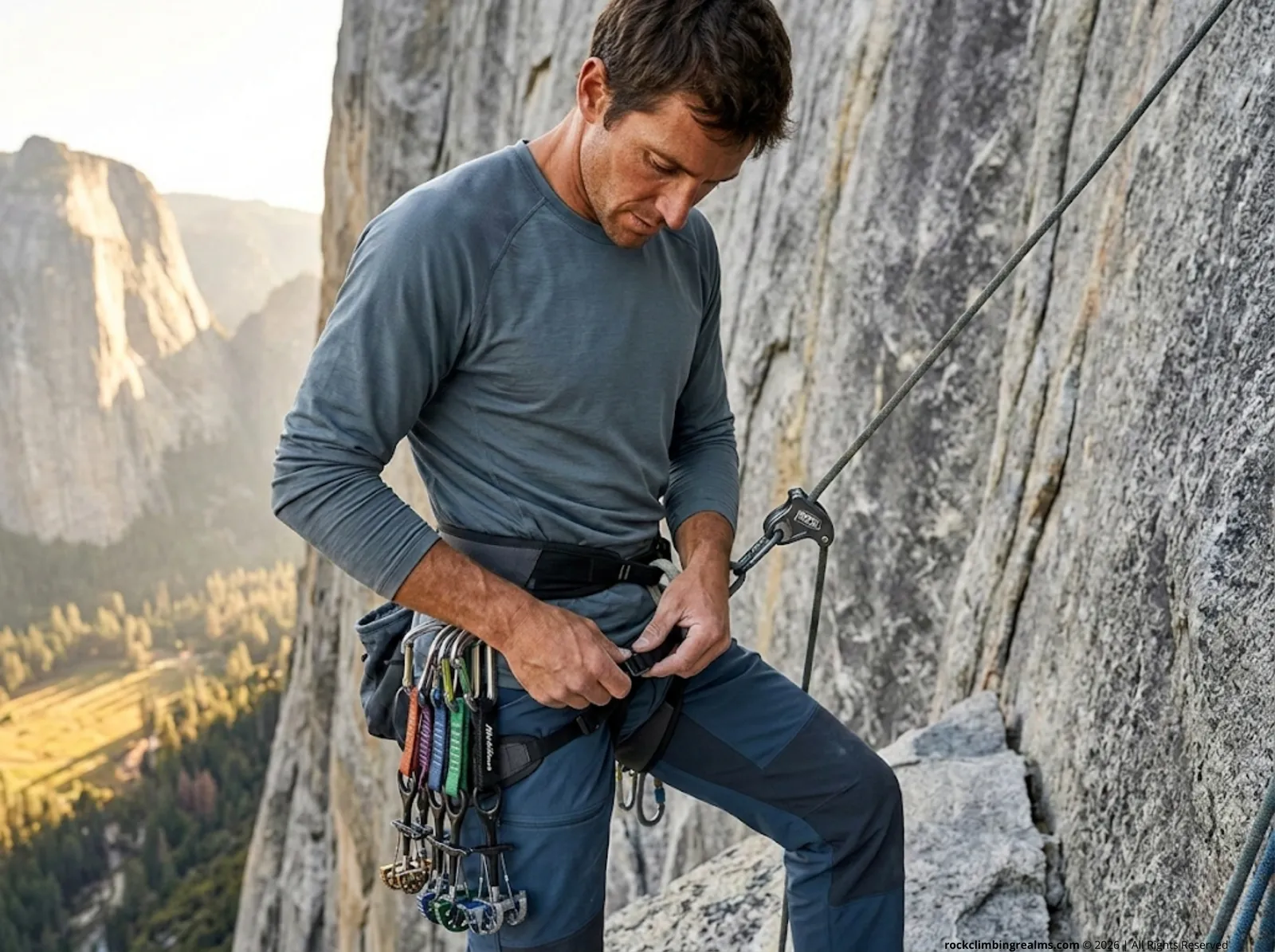
Big wall climbing demands a completely different harness than sport climbing or trad — wider padded waistbelts, bomber gear loops that don’t collapse under a 30-pound big wall rack, rated haul loops that can handle dynamic forces, and adjustable leg loops you can drop at 2 AM on a portaledge without unroping. The wrong harness doesn’t just hurt. It compromises your safety, slows your aid climbing, and turns what should be a life-defining experience into something you want to end.
After testing dedicated big wall harnesses across multi-pitch granite routes and extended hanging comfort sessions that simulated real wall conditions, the Black Diamond Long Haul earned our top spot for its combination of bomber webbing, five molded gear loops, and a rated haul loop that removes doubt from your hauling system. Here’s how all the options compare:
How We Tested These Big Wall Harnesses
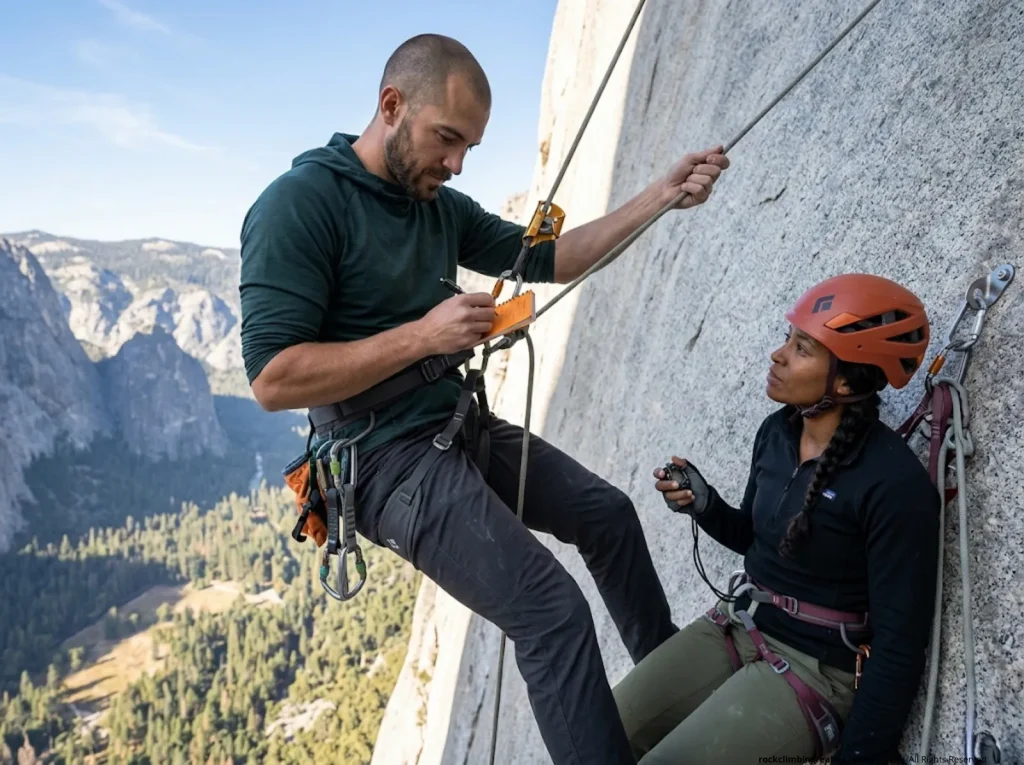
We evaluated big wall harnesses against five weighted criteria that reflect how these climbing harnesses actually perform on real routes — not in a gear shop fitting room. Hanging Comfort carries 50% of the total score because it’s the single biggest factor determining whether a big wall experience is productive or miserable. Gear Loop Quality (15%) and Value/Price (15%) share second priority. Features (10%) and Durability (10%) round out the evaluation.
Each harness was scored 1.0-5.0 across all five criteria using our gear testing methodology with weighted scores. Our testing included extended hanging sessions simulating belay stances (minimum 2 hours per harness), loaded gear loop tests with 30-pound racks to evaluate sag and accessibility, chimney and off-width abrasion assessment on textured granite, and portaledge sleeping comfort simulation for harnesses with removable leg loops.
All recommended harnesses meet UIAA safety standards through EN 12277 and UIAA 105 certification, which tests static strength (minimum 15 kN), dynamic fall simulation, webbing durability, and buckle functionality under load. We cross-referenced our findings with independent testing data from publications that use similar weighted-scoring methodologies to validate consistency across evaluation frameworks.
Every product in this review is verified available for purchase on Amazon.com USA and/or the manufacturer’s direct store. We don’t recommend gear you can’t actually buy.
Pro tip: Break in any new big wall harness with a few shorter multi-pitch days before committing to a wall objective. Foam padding molds to your body geometry after 8-10 hours of weighted use, and early break-in sessions reveal hot spots before they become problems 800 feet off the ground.
This article contains affiliate links. We earn a small commission on qualifying purchases at no extra cost to you. Our opinions are not for sale — we highlight honest flaws for every product below.
3 Best Climbing Harnesses for Big Wall of 2026 (Tested & Reviewed)
🏆 Best Overall: Black Diamond Long Haul
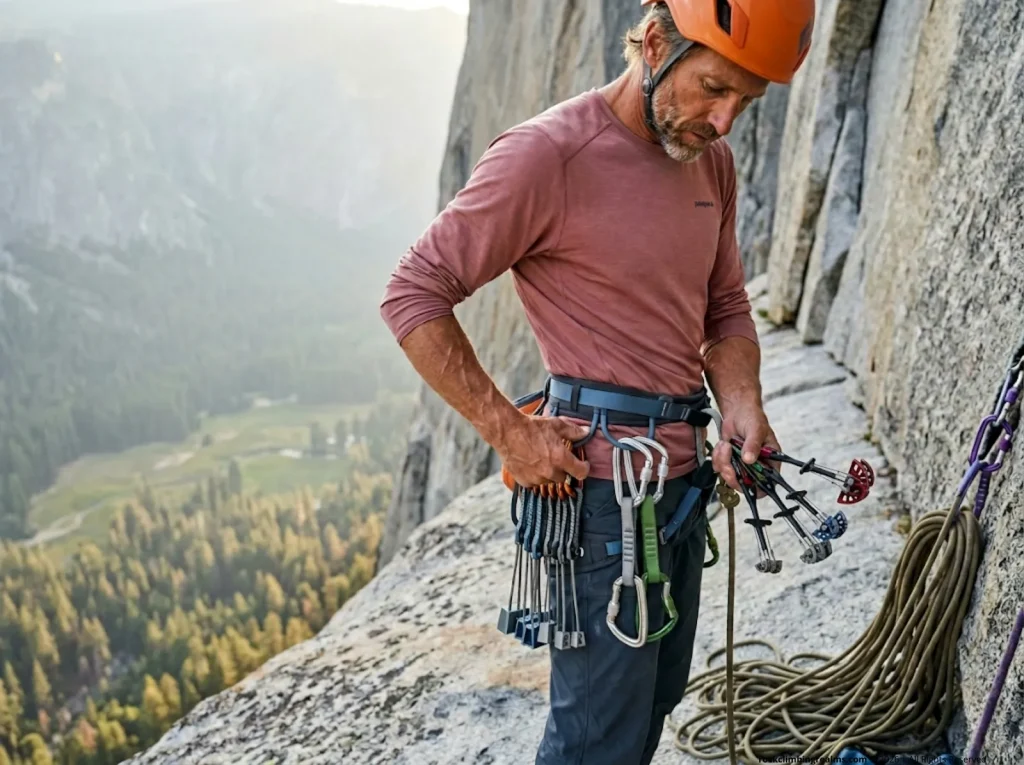
The Black Diamond Long Haul wins the overall category because it delivers what most big wall climbers actually need: proven construction from a trusted brand, five molded gear loops that handle heavy rack loads without sagging, and a rated haul loop that removes uncertainty from your hauling system. This isn’t the flashiest climbing harness on the market. It’s the one that veteran big wall climbers keep coming back to because it works.
Black Diamond’s Contour Edge Technology is the standout design feature. The wide padded waistbelt uses flexible edges combined with padded centers, creating a system that moves with your body during free climbing sections but provides rigid support during extended hangs. The five perky gear loops maintain geometry under full aid climbing rack loads — cams, nuts, ascenders, and quickdraws stay accessible and organized. The rated haul loop handles dynamic haul forces with confidence, and the dual belay loops keep your belay device separated from your anchor tether.
The honest flaw: the Long Haul isn’t the most comfortable climbing harness for all-day hangs. Both the Metolius Safe Tech Waldo and the Ocun Weebee Bigwall scored higher on pure hanging comfort in OutdoorGearLab testing. The waistbelt is approximately 5 inches wide — excellent by most standards, but narrower than the Waldo’s 6-inch benchmark. At $140-180, the price also requires justification. If you climb big walls fewer than five days per year, the Ocun Weebee delivers comparable performance for significantly less money. But if you want a dedicated wall harness from a brand with decades of big wall heritage, the Long Haul earns its place at the top.
💰 Best Value: Ocun Weebee Bigwall
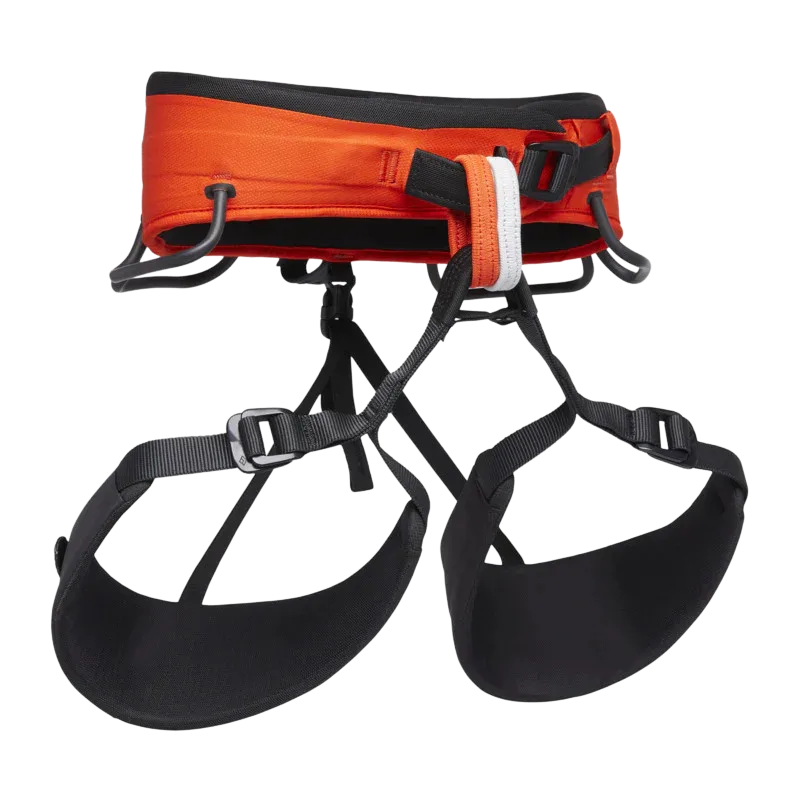
The Ocun Weebee Bigwall accomplishes something rare in the climbing gear world: it delivers top-tier hanging comfort at a best budget big wall harness price point. In OutdoorGearLab’s independent testing, the Weebee scored a perfect 10.0/10 for comfort — matching the legendary Metolius Safe Tech Waldo that costs $40-50 more and periodically vanishes from US retailers. At roughly $100-110, this climbing harness offers the best price-to-comfort ratio in the big wall harness category.
The secret is Ocun’s WeBee technology — a breathable, washable construction that molds to body shape over multiple wear sessions. Seven fabric gear loops provide maximum gear loop quantity for heavy trad and aid racks. The 9 kN rated haul loop is one of the few in this price range with a published kN rating, giving you verified numbers rather than marketing promises. Adjustable leg loops accommodate layering for cold walls, and the washable construction handles multi-day wall sweat without structural degradation.
The honest flaw: those seven gear loops are fabric, not molded. Under a heavy aid rack (25+ pounds), fabric loops drape and sag in ways that perky gear loops don’t. For casual A0-A2 aid climbing, this is manageable. For serious A3+ aiding where fast, clean clipping determines your speed on the wall, the fabric gear loop geometry becomes a real limitation — gear migrates toward the bottom of sagging loops, overlapping with adjacent pieces. If your big wall ambitions stay at moderate aid grades, the Weebee is the smart buy. If you’re projecting serious aid routes, consider the Long Haul’s molded gear loops instead.
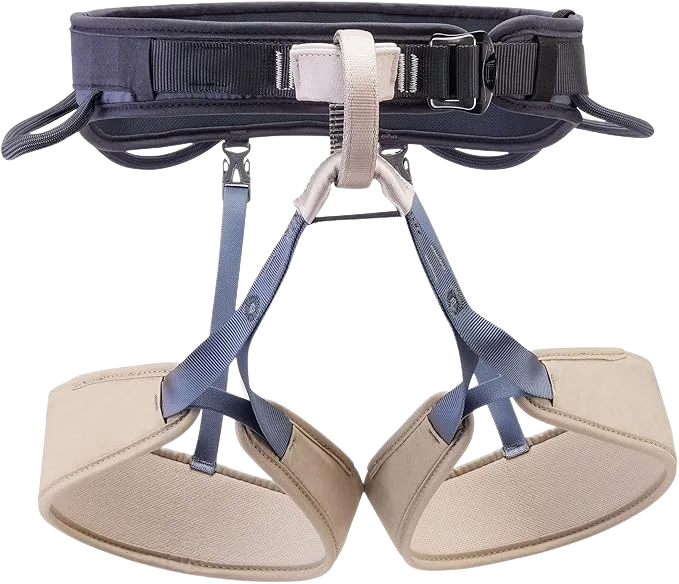
🎯 Best for Women’s Big Wall: Petzl Corax LT
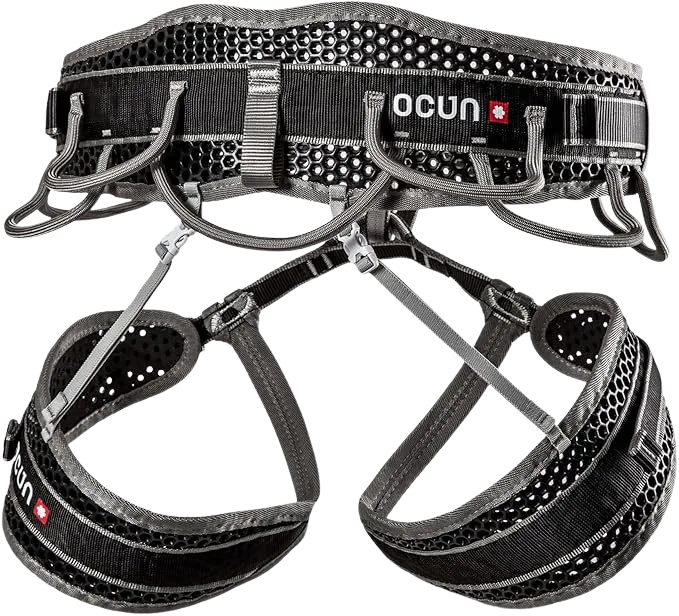
Women’s specific fit data for big wall harnesses is almost completely absent from competitor reviews — and that’s a problem worth solving. Most “best climbing harness for big wall” articles recommend exclusively unisex designs without addressing the anatomical reality that women have wider hip-to-waist ratios. The Petzl Corax LT doesn’t fix every gap, but it provides something rare: a women-specific climbing harness from a Tier 1 manufacturer with adjustable components that accommodate female anatomy.
The Corax LT’s strength is 3D adjustability. The waistbelt accommodates sizes from XS through XL, allowing the same climbing harness to fit a wide range of body types and layering configurations. The adjustable leg loops accommodate hip geometry differences that fixed-size unisex harnesses ignore — broader hips mean different angles between waistbelt and leg loops, and the Corax LT’s adjustment range handles this without bunching and gap issues. Petzl’s construction quality is proven across decades of professional use, and the EN certification ensures all safety-critical components meet European standards.
The honest flaw: the Corax LT is not a dedicated big wall harness. It’s a versatile multipitch harness adapted for big wall use — and that distinction matters. With only four gear loops, it limits carrying capacity compared to the seven-loop Weebee or the five-loop Long Haul. For A0-A1 aid climbing and supported big wall ascents where your partner carries much of the rack, four loops work. For heavy rack loads requiring five or more loops, look at unisex options and accept the fit compromise. Women looking for deeper guidance should read our women’s harness fit and comfort guide.
What to Look For in Your Next Big Wall Harness
Three factors determine whether your big wall harness investment pays off or becomes a lesson in regret:
Hanging comfort is king. If you’re spending 10-hour belays on belay stances, waistbelt width and padding depth matter more than any other specification. A 5-6 inch wide padded waistbelt with layered foam distributes body weight across enough surface area to keep pressure below 20 psi. Anything narrower will hurt after four hours.
Gear loop quality determines aid climbing efficiency. Perky gear loops rated to 2250 lb maintain rigid geometry under heavy rack loads. Fabric loops work for moderate loads but sag and fold under 25+ pounds, slowing your clipping during critical aid pitches. Match your loop choice to your aid climbing ambitions.
Match your budget to your commitment level. If you climb big walls five days per year or fewer, the Ocun Weebee Bigwall at $100-110 delivers outstanding hanging comfort without the premium price. If you’re a dedicated big wall climber spending 10+ days per year on vertical granite, the Black Diamond Long Haul justifies its premium with superior molded gear loops and bomber webbing that outlasts budget alternatives.
Don’t default to men’s sizing if you’re a woman. The Petzl Corax LT exists specifically because female anatomy requires different waistbelt-to-leg loop geometry — the difference in fit comfort is significant. After choosing your harness, learn to fit it correctly with our harness suspension audit method.
Now go send something.
FAQ
Can I sleep in a big wall harness on a portaledge?
Yes, but comfort depends on two features: removable leg loops and waistbelt width. Harnesses with quick-release leg loops let you unbuckle for sleeping while staying connected to your anchor through the waistbelt. A 5-6 inch wide padded waistbelt with adequate padding makes the difference between actual rest and a miserable night that compromises safety on the next day’s crux pitch.
What’s the difference between a sport and big wall harness?
Big wall harnesses feature wider waistbelts (5-6 inches vs. 3-4 inches on sport harnesses), reinforced gear loops rated for heavy rack loads, rated haul loops for hauling gear, and removable leg loops for portaledge sleeping comfort. Sport harnesses prioritize lightweight construction and freedom of movement. They’ll function on a wall, but they’ll leave you in significant pain after 3+ hours of hanging and won’t carry a heavy aid climbing rack without gear loops sagging.
Which big wall harnesses have UIAA-rated haul loops?
The Ocun Weebee Bigwall (9 kN rated), Black Diamond Long Haul (rated), and the Metolius Safe Tech Waldo (rated, but not consistently available on Amazon USA) all feature UIAA-standard haul loops. Always verify the kN rating in manufacturer specifications before using any haul loop for bag hauling — unrated haul loops can fail under the dynamic forces generated during big wall hauling operations.
What’s the best women’s big wall harness in 2026?
The Petzl Corax LT is the strongest option with women’s specific fit and adjustable leg loops that accommodate female hip geometry. Women’s big wall harness data remains a significant gap in the industry. If you need more than four gear loops, the Ocun Weebee Bigwall (7 loops) works well in smaller sizes and provides excellent hanging comfort for women who can find a comfortable fit in the unisex sizing range.
How long do big wall harness gear loops last before failing?
Molded gear loops typically last 3-5 years of regular big wall use at 50+ pitch days per year. Fabric loops degrade faster, especially during chimney and off-width climbing where constant abrasion wears down the loop material. Inspect loops every season for fraying, delamination, or loss of rigidity. If a molded gear loop no longer springs back to its original shape when unloaded, it’s time to retire the harness — check our harness retirement guidelines for the full inspection protocol.
Safety Notice: Rock climbing and mountaineering are inherently high-risk
activities that can involve physical trauma or fatal incidents. The information on Rock Climbing Realms is for
educational and informational purposes only. Techniques and advice presented here are not a substitute
for professional, hands-on instruction. Conditions and risks vary by location. Always seek guidance
from a qualified instructor before attempting new techniques. By using this website, you agree that you
are solely responsible for your own safety. Any reliance you place on this information is strictly
at your own risk, and you assume all liability for your actions. Rock Climbing Realms and its authors
will not be held liable for any harm, damage, or loss sustained in connection with the use of this information.
Affiliate Disclosure: We are a participant in the Amazon Services LLC Associates Program, an
affiliate advertising program designed to provide a means for us to earn advertising fees by advertising and linking
to Amazon.com. As an Amazon Associate, we earn from qualifying purchases. We are also an official affiliate partner
of Black Diamond Equipment via the AvantLink network. If you click on a Black Diamond affiliate link and make a
purchase, we may earn a commission at no additional cost to you. We also participate in other affiliate programs.
Additional terms are found in the terms of service.