
In this article
Introduction
The helicopter didn’t come. Not because no one called—the Garmin InReach had already sent the SOS—but because the Karakoram afternoon heat had pushed the density altitude past the AS350’s operational ceiling. The climber with advancing pulmonary edema was alive, for now, pinned at 5,800 meters. His policy showed a $500,000 evacuation limit. On paper, he was fully protected. In reality, he was waiting for the weather to break and hoping his insurer had a pre-authorized financial relationship with Askari Aviation. They didn’t.
After years of planning expeditions and reading the fine print of dozens of policies, I’ve seen exactly how the system fails when the unthinkable happens. Standard travel insurance acts as a single point of failure for technical climbers. This manual deconstructs the critical red flags that void claims, breaks down the raw physics of high-altitude rescue logistics, and delivers a tri-layer coverage framework that actually functions—whether you’re clipping bolts in Kalymnos or pushing an 8,000-meter objective in Nepal. Here is exactly how to handle your rock climbing travel insurance architecture, so you never have to navigate international banking while fighting for your life.
⚡ Quick Answer: Does standard travel insurance cover rock climbing? Only if the policy explicitly lists “technical rock climbing” as a covered activity. Most agreements void claims the second a rope, harness, or protection piece is deployed. You need a minimum altitude limit of 6,000m for Himalayan objectives, ideally unlimited via a Global Rescue membership. Direct Pay is a strictly non-negotiable feature for helicopter evacuations, as reimbursement policies require $10,000 to $50,000 out of pocket before a pilot spins the rotors. Finally, Search and Rescue requires separate coverage, demanding a stacked system: a satellite device, a SAR rider like the AAC or Global Rescue, and a high-limit MedEvac policy.
What “Covered” Actually Means: The Semantic Trap in Every Policy
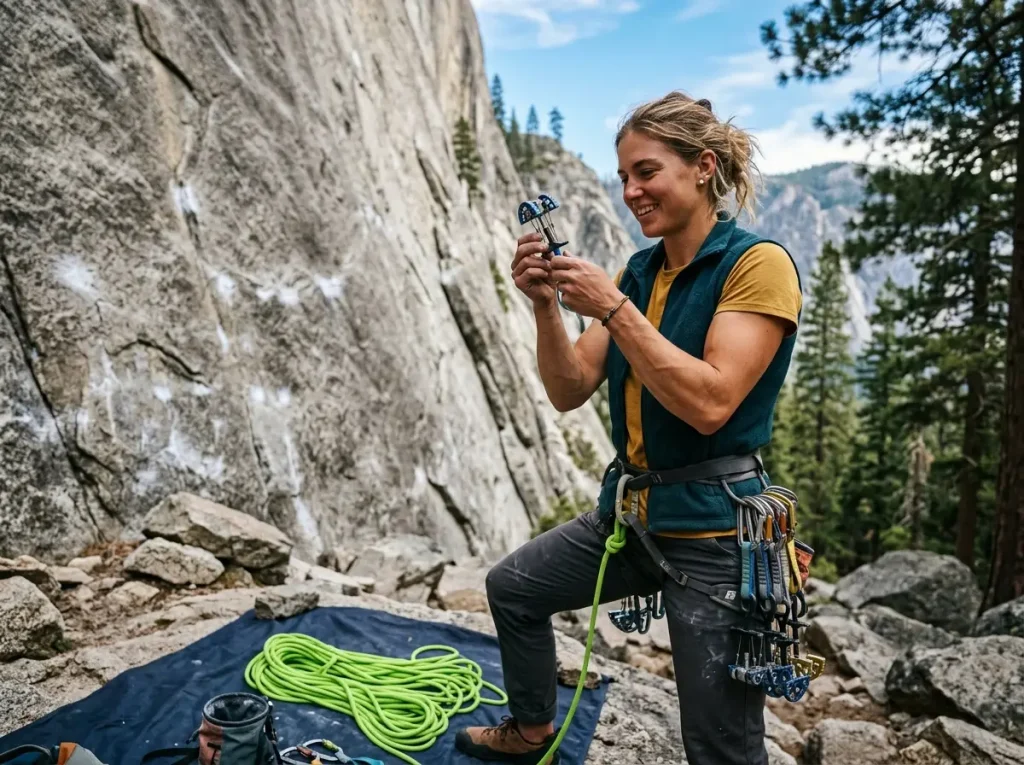
Insurers don’t care about your climbing grade or the Yosemite Decimal System. They operate on binary semantic borders. “Hiking” is a completely different legal entity from “technical mountaineering”—even if the objective looks structurally identical from base camp. The primary failure point in most adventure insurance disputes is not the accident itself, but the linguistic divergence between a climber’s ambition and an adjuster’s definition of risk.
The trigger for reclassification is almost always technical equipment recognition. The moment a rope, harness, crampon, or ice axe appears in an incident report or rescue photo, your assumed trekking injury converts into an excluded mountaineering activity. Suddenly, the claim denial is instantaneous. You might think scrambling a Class 4 ridge is just a spicy hike, but if you used a sling for a handline, you crossed a legal threshold. Standard policies cover basic trekking. If you want coverage for sport and trad climbing, you are looking at specialized explorer or epic plans. For ice climbing or high-altitude operations, you need a dedicated mountaineering rider.
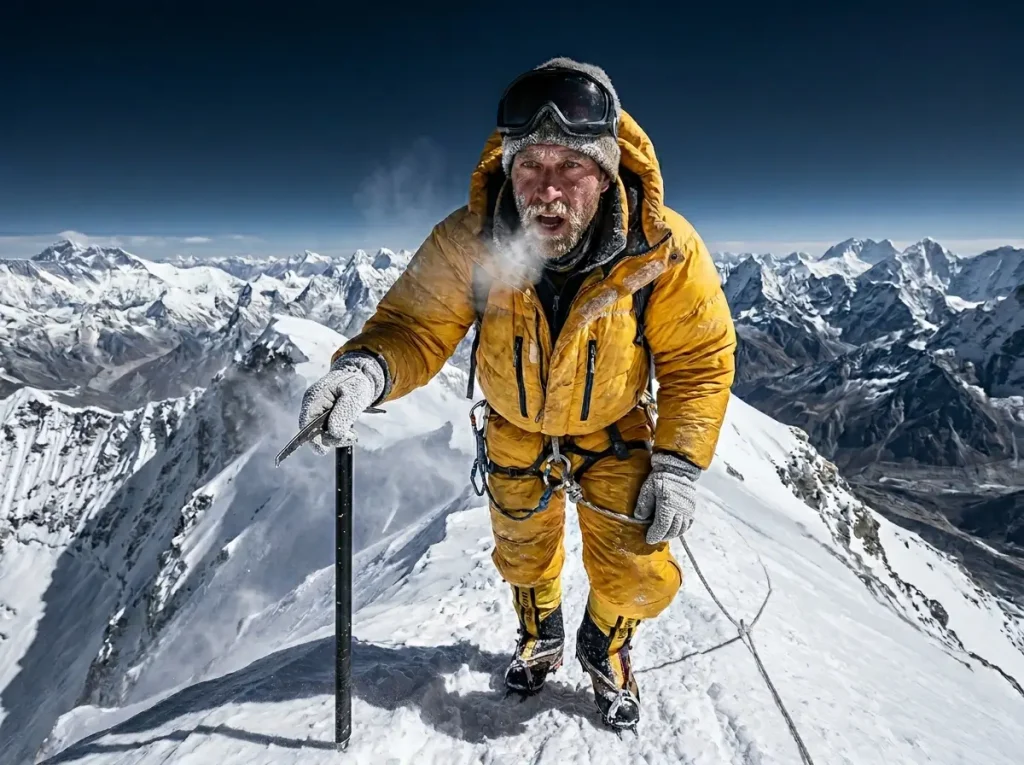
The most common mistake happens before you even pack the haul bag. This is the material misrepresentation trap. A climber buys a basic trekking travel insurance policy, posts their redpoint project on Mountain Project, and takes a bad fall on lead. The insurer reviews the public logs and Instagram feeds. Once they see the carabiners, the policy is terminated. Radical disclosure is your first safety protocol. When selecting a provider like World Nomads or True Traveller, you must declare that your policy covers technical climbing. Ensure that the agreement recognizes the exact systems you use, matching the UIAA standards for activity classification. This is why your pre-trip risk assessment should include reviewing your policy’s activity definitions, not just auditing your rack.
Pro-Tip: When filling out an insurance application, list every single discipline you might touch—sport, trad, alpine, bouldering, ice—even if the primary goal is easier terrain. The premium difference is marginal, but the legal protection difference is absolute.
The Altitude Layer: Why Your Policy Has a Ceiling — And Why It Matters
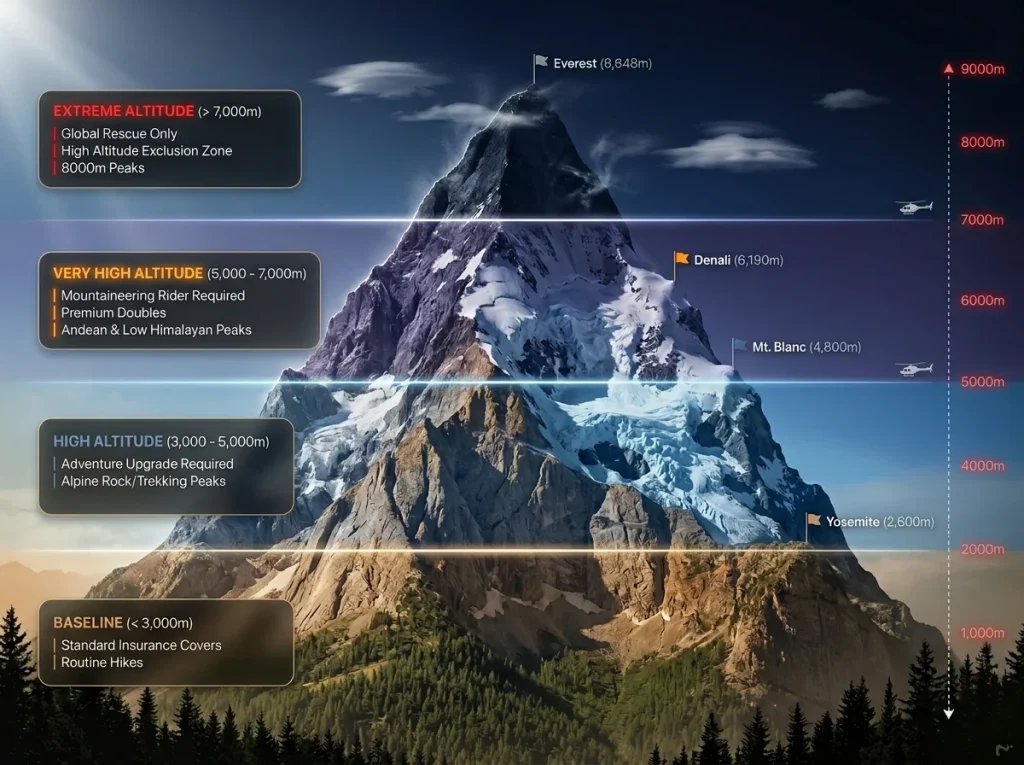
Elevation is the primary variable that dictates both your premium and your coverage validity. Insurance costs are non-linearly scaled to altitude. Keep below 3,000 meters, and universal adventure plans will probably suffice. Push into the 3,000m to 5,000m zone, and you face an adventure upgrade surcharge. Break 5,000m to 7,000m, and premiums double. Once you enter the High-Altitude Zone above 7,000m, the physiological liability is extreme, meaning your only commercially viable options are membership-based rescue organizations that offer massive altitude limits.
This introduces the altitude cap red flag. If you snap a femur at 7,200m while holding a policy legally capped at 6,000m, the insurer will void the entire claim. They won’t just deny the helicopter flight; they will refuse to cover the subsequent hospital bills in Kathmandu, arguing that your presence at that elevation invalidated the entire contract.
Physiological escalation dictates the odds of a rescue. High-Altitude Pulmonary Edema (HAPE) and High-Altitude Cerebral Edema (HACE) are high-frequency, massive-cost events. If an adjuster looks at your GPS track and sees you ascended 1,200 meters in a single push before succumbing to HAPE, they will invoke reckless endangerment. They will claim you intentionally bypassed basic medical standards like the CDC Yellow Book high-altitude acclimatization protocols. The same altitude acclimatization protocol that keeps you breathing at Camp 3 is the exact medical standard an insurer’s doctor will use to evaluate whether you behaved reasonably.
There’s also the pre-existing condition loophole. Say an asthmatic climber suffers HAPE. The insurer will argue the edema was a direct complication of an undisclosed respiratory condition, closing the door on primary coverage. This applies even to relatively low-altitude zones. The standard plan from major providers often caps out at 4,000 meters, effectively excluding the entire High Sierra, the upper reaches of the Alps, and all Himalayan objectives.
Reading Your Policy’s Altitude Cap
You have to locate the altitude cap clause yourself. It rarely sits on the glossy summary page. Dig into the exclusions section or the activity schedule appendix. Look for exact language reading “above X meters the policy is void.” You need to verify whether the cap applies to your max sleeping altitude, your summit altitude, or both.
Some contracts cap operations above a specific height. That means a quick acclimatization day trip above the ceiling from a lower baseline camp violates the terms. Other policies specifically cap the altitude where you pitch your tent. These distinctions are legally binding.
Pro-Tip: Call the provider directly and ask: “If I tag a summit at 7,500m but sleep at 6,400m, which number governs my coverage?” Demand the answer in writing via email. Verbal reassurances from a call center won’t hold up in a claims dispute.
The Helicopter Problem: Physics That No Policy Can Override
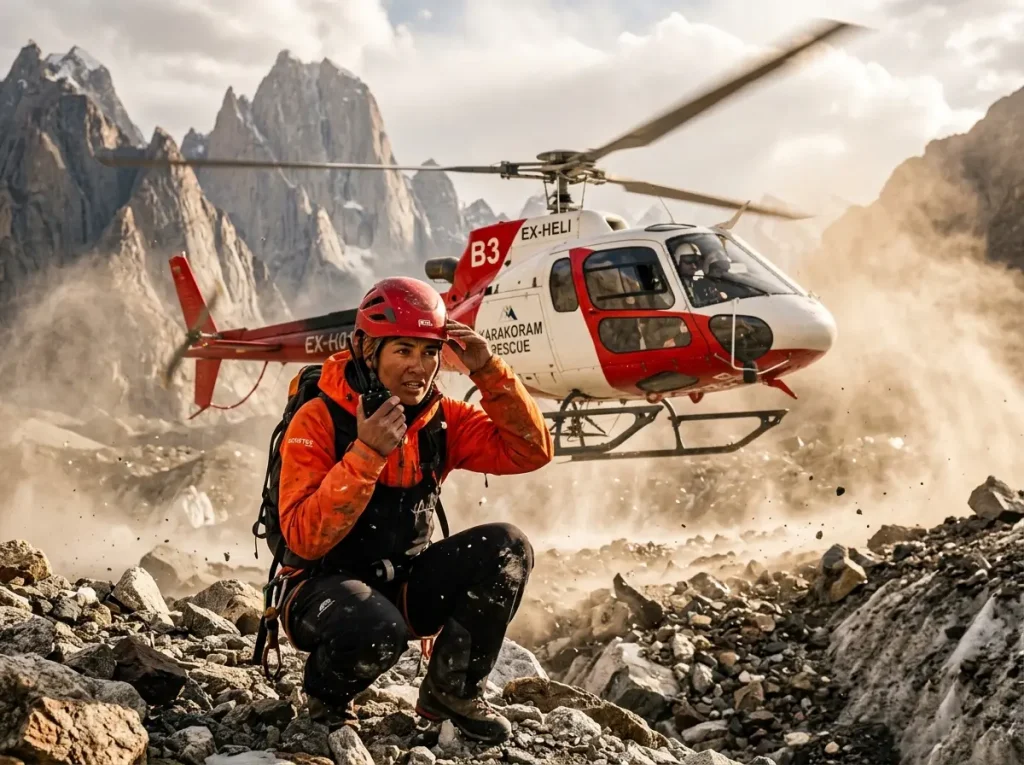
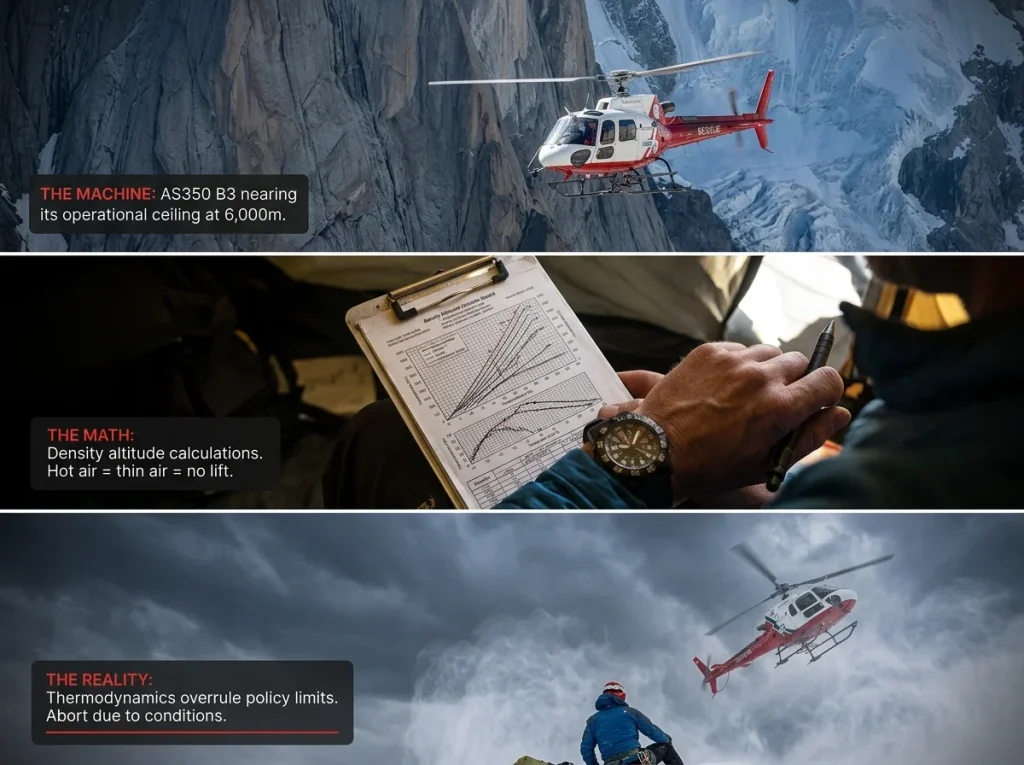
You can buy a million-dollar evacuation policy, but physics strictly controls whether a helicopter launches. Insurance pays for a machine, but thermodynamics govern the rotors. Density altitude is the absolute operational constraint for rotorcraft.
The math is brutal. In hot and high conditions—like a baking summer afternoon in the Karakoram—the air thins out. When the temperature spikes, the rotor blades simply cannot generate enough bite to hover. A commercial helicopter might have a high service limit, but pushing past those boundaries requires aggressive authorization and perfect weather.
Your policy might boast an unlimited evacuation limit, but if the air is too thin or sustained winds rip past 30 knots, no pilot is legally allowed to take off. Insurance offers financial recovery, not a physical guarantee of salvation. This is why seasoned practitioners rely on operational rescue memberships. They don’t just write checks from a desk; they maintain 24/7 coordination centers built to manage complex technical rescue logistics directly with local flight crews.
If you’re planning a Himalayan objective—even a standard trekking peak like those detailed in our Nepal helicopter rescue environment guide—the same strict cost structure applies. The physical and financial realities of extraction remain identical regardless of whether you are climbing Everest or Mera Peak.
Direct Pay vs. Reimbursement: The Red Flag That Costs Lives
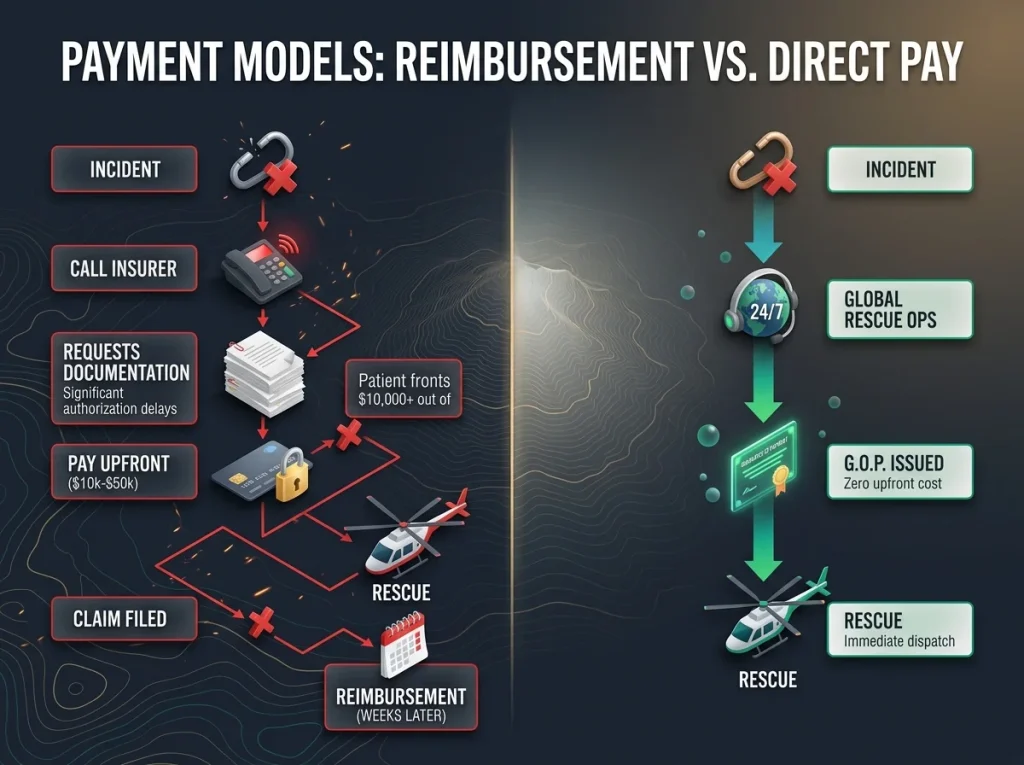
The payment model buried in the fine print matters far more than the massive dollar amount on the brochure. The reimbursement model is a severe trap. Standard pay-and-claim travel insurance dictates that the injured victim pays for the emergency services out-of-pocket, survives the ordeal, and then files a mountain of paperwork months later for secondary coverage recovery.
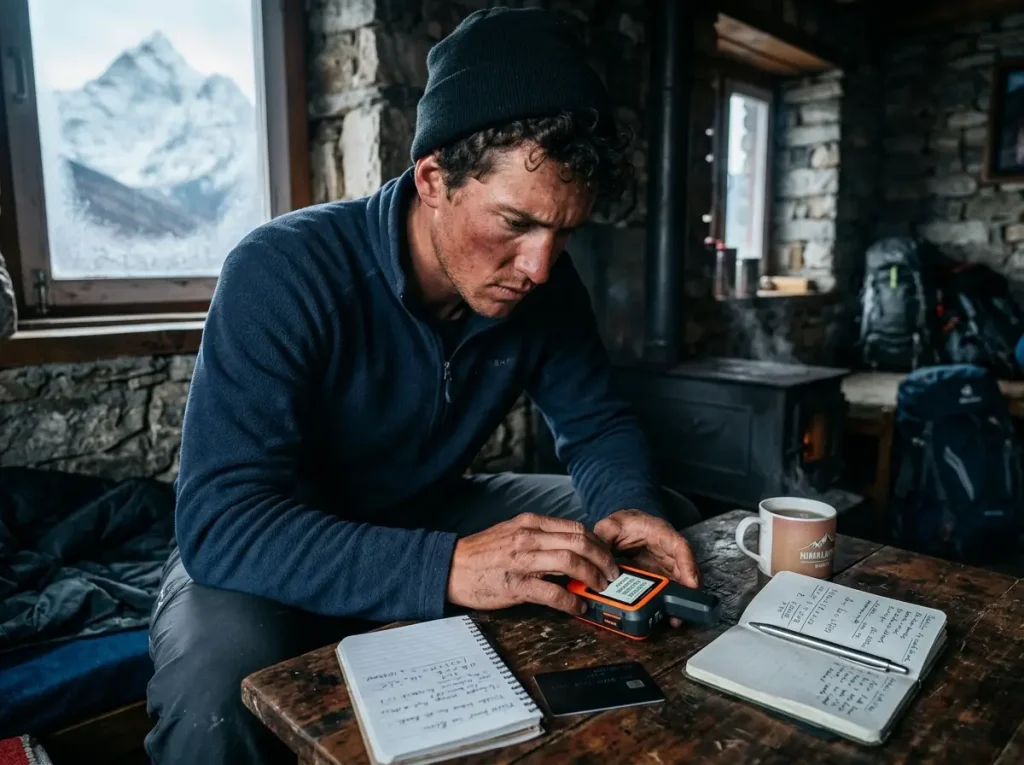
In remote ranges, helicopter dispatchers demand a $5,000 to $10,000 credit card hold before engine start. Try pulling out your card and calculating exchange rates while coughing up pink foam at 5,800 meters. The cognitive function required to execute international banking simply does not exist when your brain is starved of oxygen.
You must secure a Direct Pay model. Providers like Global Rescue and specialized alpine club memberships operate full-time response centers. When things go wrong, they issue an immediate Guarantee of Payment directly to the local dispatch. A helicopter launch is thus triggered strictly by medical necessity, not your liquidity. Reimbursement means fronting massive cash with slow authorization and extreme financial exposure. Direct payment means zero upfront cost.
The most cost-effective entry into the direct pay ecosystem for North American objectives is an AAC membership rescue benefits package, combined with a high-limit medical evacuation policy.
SAR vs. MedEvac vs. Repatriation — Three Different Triggers
Understand that these three operations are legally isolated event categories.
- Search and Rescue (SAR): This covers the act of physically locating a missing person. It is overwhelmingly excluded from standard health and travel insurance. A three-day search and rescue operation dragging a frozen ridgeline easily costs $50,000. Unless you have a specific SAR rider, you own that debt.
- Medical Evacuation: Transporting an assessed patient to the nearest adequate hospital. The catch is that the insurer defines what is adequate, not you. It might be a rural clinic without specialized trauma surgeons.
- Medical Repatriation: Transporting a stabilized patient back to their home country. This is almost always the most expensive phase. An air ambulance flying you flat-on-your-back from Nepal to the United States will obliterate a hundred grand immediately.
If a policy offers a massive medical evacuation limit but caps repatriation at $50,000, you have a major financial void. You might get stabilized locally, but you won’t have the funding to get home.
Claim Denial Case Studies: The Red Flags in Real-World Practice
Physics and fine print intersect violently in the real world. Let’s look at how actual claim denial cases unfold when climbers fail to audit their paperwork.
Case 1: The Material Misrepresentation Trap
A climber purchases a basic hiking plan for a trip to Patagonia. They tie in for a massive multi-pitch, blow a sequence, and take a bad whip, breaking an ankle. The adjuster pulls the climber’s Mountain Project ticks and Instagram stories. The activity is instantly reclassified from hiking to undeclared technical rock climbing. The claim is fully rejected.
The Lesson: Disclose every single discipline. Over-declare your intentions to lock in your protection.
Case 2: The Substance Use Clause
An alpinist returns to the hut, celebrates a summit with wine, and slips on a wet ladder, tearing a meniscus. The medical report notes alcohol consumption. The standard “misuse of alcohol” exclusion is triggered. The medical bills are entirely denied.
The Lesson: The exclusion clause rarely requires you to be legally intoxicated. Any causal link connecting alcohol to the injury is grounds for rejection.
Case 3: The Pre-Existing Condition Loophole
A climber holding a robust high altitude policy develops HAPE at 5,000 meters. During the hospital intake, they mention a mild history of asthma. The insurer’s legal team argues the HAPE was a direct complication of an undisclosed pre-existing condition.
The Lesson: Disclose every medical issue, even controlled ones, and secure a written confirmation of coverage before you approach the mountain.
Building the Tri-Layer Coverage Stack
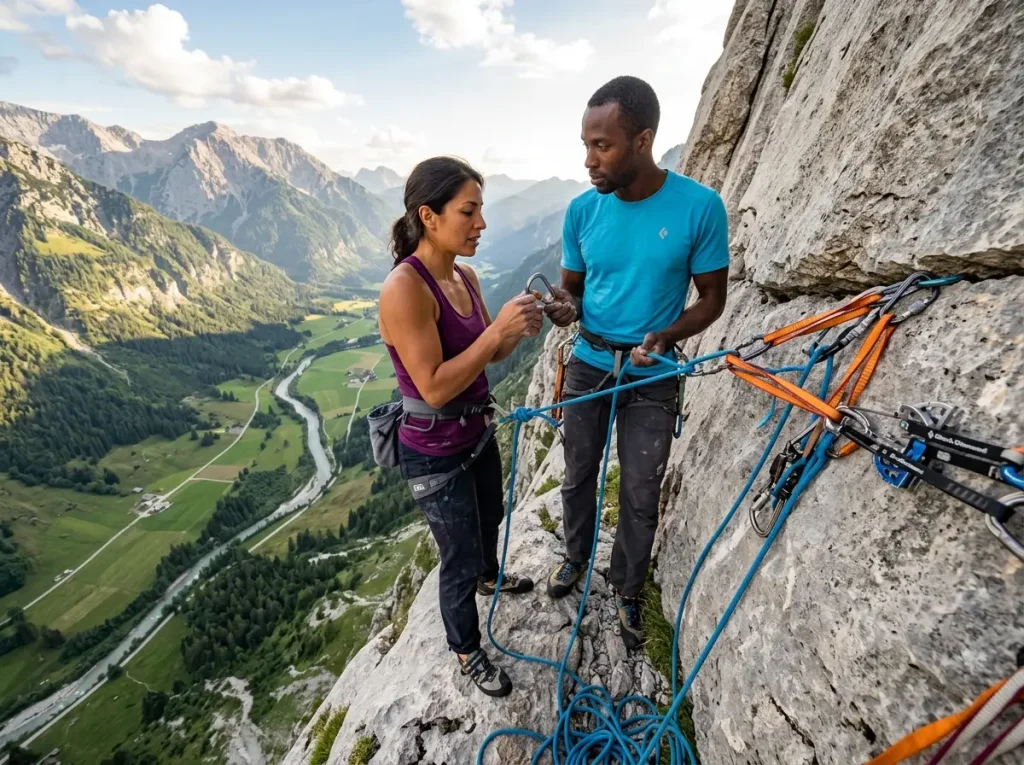
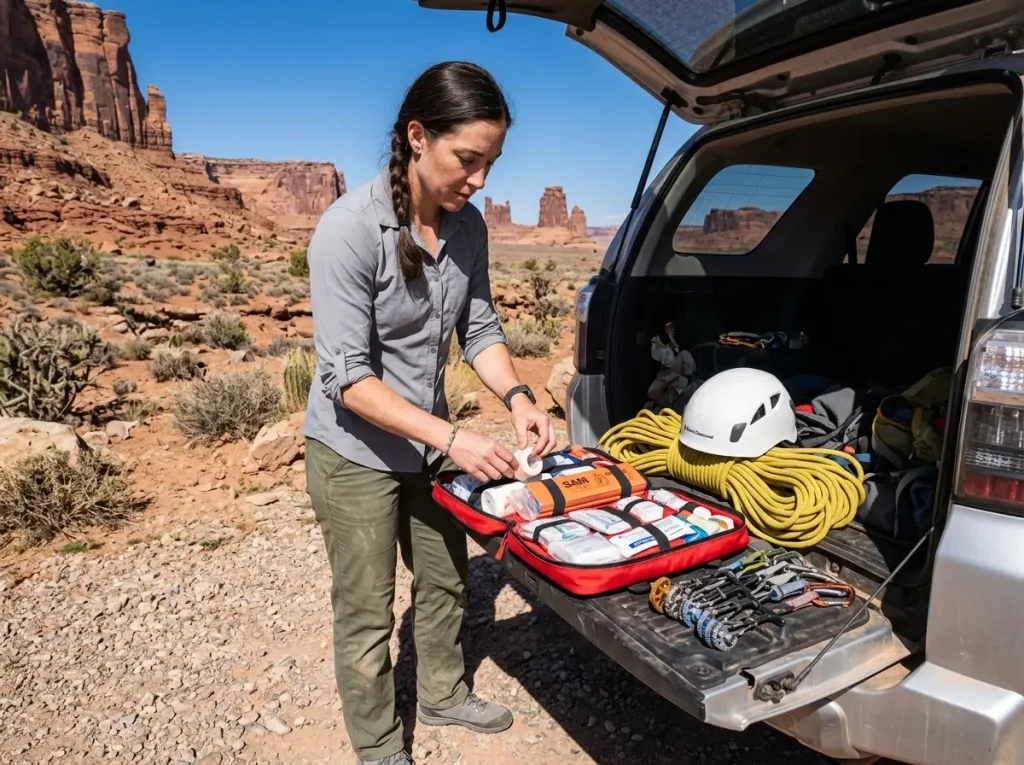
A professional-grade safety architecture relies on redundant systems. None of these policies are sufficient independently; they only work when stacked to back each other up.
Layer 1: High-Limit Medical Insurance
This anchor provides heavy financial firepower. It must explicitly cover technical roped climbing, alpine ascents, and ice objectives, with zero altitude caps restricting your route. You are looking for a baseline of at least $500,000 for the medical limit, $500,000 for evacuation, and $150,000 for repatriation. Providers like World Nomads Epic Plan, True Traveller, and IMG Patriot fit this slot. This handles the massive hospital bills.
Layer 2: Field Rescue Specialist Membership
This provides the operational anchor. A membership with Global Rescue guarantees specialized 24/7 crisis response with direct payment to local operators and absolute zero altitude limits. This completely bypasses the reimbursement trap and pre-authorization delays. Expect to pay around $329 to $429 manually. This layer actually handles the physical extraction dragging you off the mountain.
Layer 3: Alpine Club SAR Rider
This is the community anchor. An American Alpine Club membership costs roughly $85 a year and provides critical search phase benefits. The British Mountaineering Council (BMC) offers similar robust coverage for UK climbers. This layer funds the initial search operation before the medical evacuation team spots you.
The tri-layer framework mirrors what AMGA guide certification standards demand from professional guides. You build a policy that protects at every single phase of a catastrophic incident, rather than relying on what the marketing brochure promises.
Vetting Your Provider Before You Buy
Do not hit purchase until you execute four verification steps. First, ring the insurer and ask explicitly: “Does this contract cover multi-pitch traditional climbing at 4,000 meters?” Second, demand written confirmation of that exact coverage via email. Third, inquire about their pre-authorization protocol. Ask them exactly how long the authorization takes when a rescue crew is waiting on standby. Fourth, confirm they maintain English-speaking operations staff that actually understand the geography of your destination. An insurer sitting in a corporate park in Ohio has zero operational vision during a midnight storm in the Andes.
Pro-Tip: Check the community forums on Mountain Project or Reddit. Look for first-hand reports of claim approvals or denials for your target provider. Real-world incident data carries substantially more weight than polished sales copy.
Insurance Breakdown Summary
Treat your insurance architecture with the same rigorous scrutiny you apply to inspecting a core-shot rope. Your strategy relies on three undeniable truths:
First, read the exclusions completely before checking the maximum coverage limits. An obscure clause concerning altitude ceilings, misunderstood activity definitions, or unapproved gear will instantly terminate a multi-million dollar policy. The fine print is the actual product.
Second, a direct payment system is non-negotiable for remote terrain objectives. The reimbursement model demands overwhelming liquid cash and high-level cognitive function—resources you absolutely will not possess while suffering in a high-altitude storm. The payment mechanics decide if a rotor spins, not who settles the tab later.
Third, insurance is strictly the financial anchor backing up your safety system, not the physical rescue mechanism itself. Build the redundant tri-layer stack, adhere to stringent acclimatization protocols, and respect the fact that brutal physics care absolutely nothing about the wording in your policy.
Sit down and spend an hour holding your exact policy up to this red flag checklist. Then pick up the phone to get your altitude coverage confirmed in text. That administrative chore is as vital as auditing your rack. Now go send something.
FAQ
Does travel insurance cover rock climbing?
Only if the policy explicitly lists rock climbing or technical climbing as a covered activity. Standard travel insurance typically flat-out excludes any recreational activity requiring ropes, harnesses, or protective gear. Always read the deep Activity Schedule appendix, not just the marketing summary on the front page.
Does World Nomads cover climbing?
World Nomads Explorer and Epic plans specifically cover technical roped rock climbing. However, their standard baseline plan caps out around 4,000 meters and routinely excludes technical activities utilizing dynamic ropes and protection. Carefully verify your specific plan and declare every intended discipline—including sport, trad, and alpine—at the point of purchase.
What is the best insurance for high altitude climbing?
For serious objectives exceeding 6,000 meters, a tri-layer stack is critically required. You need a high-limit medical base (like a specialized Epic plan or Travelex equivalence), a Global Rescue membership focusing on direct pay field rescue with zero altitude caps, and an alpine club membership (AAC or BMC) covering the SAR rider. Expecting a single generic policy to flawlessly navigate all three phases is wildly optimistic.
Safety Notice: Rock climbing and mountaineering are inherently high-risk
activities that can involve physical trauma or fatal incidents. The information on Rock Climbing Realms is for
educational and informational purposes only. Techniques and advice presented here are not a substitute
for professional, hands-on instruction. Conditions and risks vary by location. Always seek guidance
from a qualified instructor before attempting new techniques. By using this website, you agree that you
are solely responsible for your own safety. Any reliance you place on this information is strictly
at your own risk, and you assume all liability for your actions. Rock Climbing Realms and its authors
will not be held liable for any harm, damage, or loss sustained in connection with the use of this information.
Affiliate Disclosure: We are a participant in the Amazon Services LLC Associates Program, an
affiliate advertising program designed to provide a means for us to earn advertising fees by advertising and linking
to Amazon.com. As an Amazon Associate, we earn from qualifying purchases. We are also an official affiliate partner
of Black Diamond Equipment via the AvantLink network. If you click on a Black Diamond affiliate link and make a
purchase, we may earn a commission at no additional cost to you. We also participate in other affiliate programs.
Additional terms are found in the terms of service.