In this article
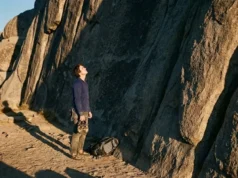
You walk into the climbing gym or arrive at the crag, and the demographic reality hits you before you even tie into the sharp end: a sea of sameness. The faces, the logos on the expensive shells, and the vernacular being spoken all reflect a narrow slice of the population. While the rock faces of Yosemite or The Gunks don’t discriminate, the systems we have built to access them certainly do.
As a certified guide, I view risk management as my primary job description. We are trained to spot loose rock, fraying webbing, and approaching storms. Yet, for years, the climbing community has failed to identify a massive structural weakness: 85% of the “vertical world” is occupied by a single demographic. This is not a systemic anomaly; it is a result of specific economic, cultural, and systemic designs—an architecture of exclusion.
For the dedicated climber, recognizing this disparity is only the first move. The crux is transitioning from passive awareness to active, competent allyship. This guide analyzes the Adventure Gap, breaks down the specific economic barriers acting as invisible gatekeepers, and provides an active ally’s playbook to help future-proof our sport.
How Does the Current Reality Reflect the “Adventure Gap”?

The Adventure Gap is the quantifiable discrepancy between the demographic makeup of the general US population and the largely homogeneous population of outdoor recreationists. This is most visible in technical pursuits like rock climbing, sport climbing, and mountaineering.
What do the demographic statistics reveal about exclusion in climbing?
While the United States population is roughly 40% non-white, “Core Climbers”—defined as those climbing 51 or more times per year—remain approximately 85% white. The American Alpine Club (AAC) and the State of Climbing Report have highlighted these stark disparities. Some data sets suggest 1.5% Black participation in technical outdoor climbing, proving that exclusion is structural, not incidental.
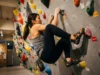
The data reveals a specific funnel of exclusion. Participation numbers show reasonable diversity in entry-level activities like indoor bouldering at urban centers like Brooklyn Boulders. However, as the technical demands and costs rise—transitioning to outdoor sport and trad climbing—the diversity numbers drop sharply. This indicates a specific barrier to transition. While the gender split is improving indoors, with athletes like Janja Garnbret and Ashima Shiraishi inspiring a new generation, the outdoor demographic remains roughly 67% male-dominated.
This gap matters because the future of our public lands depends on it. As the US moves toward a majority-minority population, the conservation of climbing areas relies on a broad base of support. If only a shrinking demographic cares about these spaces, they will lose protection. We can better understand these dynamics by analyzing the sociology of climbing as a “serious leisure” pursuit, which reveals how community norms solidify these barriers.
For raw data, the Outdoor Industry Association Participation Trends Report provides the foundational demographic verification of this disparity between general outdoor participation and core activities.
What are “White Spaces” and how do they impact safety?
White Spaces are environments where whiteness is the normative standard, and non-white individuals are viewed as “space invaders” or temporary guests. In climbing, this creates a tangible safety risk due to cultural alienation.
When a climber enters a space where they are one of the few minorities, they often carry the burden of code-switching. This involves adjusting their speech, behavior, and appearance to signal safety and belonging to the white majority. This creates hyper-visibility. In a homogeneous gym, a minority climber is constantly observed, creating a pressure to perform that white climbers do not experience.
Pro-Tip: Treat psychological safety with the same rigor as physical safety. If your partner is distracted by feeling unwelcome or judged, they are less likely to catch a safety error. A welcoming environment is a safer environment.
This constant low-level anxiety leads to cognitive load fatigue. Human focus is a finite resource. If 30% of a climber’s bandwidth is used for code-switching or anticipating micro-aggressions, they have 30% less available for risk assessment and technical execution. The theoretical framework for this is well-documented in Yale Sociology’s research on “The White Space”.
To be a safer partner, one must understand that exclusion is a distraction. Allies should focus on building a mental training framework to manage fear, which includes mitigating the external anxieties caused by a hostile social environment or toxic masculinity at the crag.
What Are the Systemic Barriers to Entry?
Barriers to climbing are rarely explicit “Keep Out” signs. Instead, they are financial thresholds and social networks that function as effective filters against diversity, creating a pay-to-play dynamic.
How does the “Cost of Entry” act as an economic gatekeeper?
The cost of modern climbing is the most formidable gatekeeper. A “Day 1” investment for indoor climbing—including shoes, harness, chalk, initiation fee, and the first month of dues—averages between $265 and $570 depending on the city. This rivals the economic barriers seen in skiing or golf.
The leap to outdoor climbing is even steeper. Transitioning to outdoor sport climbing requires an additional capital injection of roughly $1,000 for ropes, quickdraws, helmets, and approach shoes. Brands like The North Face and Patagonia produce incredible gear, but the retail price creates a wealth gap filter. This does not account for the “invisible costs” of transportation to areas like Red River Gorge or North Conway, time off work, and park access fees.
We must also deconstruct the dirtbag mythos. The romanticized image of the poor climber living in a van in Bishop (Payahuunadu) often obscures the reality that many who live this lifestyle rely on a safety net of family wealth or education. Given the significant racial wealth gap in the US, high upfront costs function as a racial filter.
Academic research on consolidating whiteness in leisure places suggests these economic barriers are reinforced by social mechanisms. While you can mitigate some costs, safety is the priority; review our purchasing your first indoor gear guide to understand exactly what is necessary versus what is luxury.
How does the “Mentorship Gap” enforce exclusivity?
Climbing is an apprenticeship sport. Knowledge regarding anchors, cleaning routes, and safety checks is traditionally passed down informally from mentor to mentee. This reliance on informal networks creates a Mentorship Gap.
Social networks tend to be self-segregating. People mentor those who look like them or come from similar backgrounds. If the existing expert base is 85% white, and they mentor their friends, the knowledge remains hermetically sealed within that demographic. This affects everything from guidebook representation to leadership development.
To climb safely outside, you need a mentor; to get a mentor, you often need to already be “in the club.” This is the “Knowledge Paradox.” Programs like AMGA scholarships and affinity group clinics act as artificial bridges to bypass these segregated networks. James Edward Mills defines this lack of cultural permission in his work Over the Adventure Gap.
Without mentorship, self-taught climbers are at higher risk of injury rates and technical failure. Allies can help by sharing their framework for learning from every climbing mistake with newer climbers outside their immediate social circle.
How Can Climbers Operationalize Allyship?
Recognizing the problem is the diagnosis; changing behavior is the cure. Allyship is not an identity, but a set of technical skills and actions, requiring DEI training and self-reflection.
What interpersonal protocols ensure psychological safety?
Psychological safety at the crag is established through specific interpersonal scripts, consent, and the avoidance of micro-aggressions.
First, understand Impact vs. Intent. A friendly question like “Where are you really from?” can land as an exclusionary reminder that a climber is perceived as foreign, regardless of the asker’s intent. This behavior reinforces the institutional lens of whiteness.
Second, avoid Beta-Spraying. Unsolicited advice is often directed disproportionately at women and BIPOC climbers. It implies incompetence. Unless there is an imminent safety risk (a back-clipped draw or an unlocked carabiner), let people struggle and succeed on their own terms.
Pro-Tip: The “Hello Protocol.” When you arrive at the crag or the gym mats, simply acknowledging diverse climbers with a nod or a hello breaks the “invisible wall.” It signals that they are seen, they are safe, and they are welcome in that space.
Finally, practice Bystander Intervention. If you witness harassment or aggressive beta-spraying, intervene by distracting the aggressor or checking in with the victim. For a broader view on behavior, refer to our definitive guide to global climbing etiquette. The Access Fund provides frameworks for how gyms and local organizations can formalize these inclusive behaviors.
Which organizations and funds should active allies support?
If you have the financial means, redirecting resources to organizations doing the structural work is the most effective form of allyship.
- Affinity Groups: Support organizations like Flash Foxy (founded by Shelma Jun), Brown Girls Climb, Melanin Base Camp, Latino Outdoors, Outdoor Afro, and Brothers of Climbing. These groups build the community pipeline that is currently broken.
- Adaptive Access: Support the Adaptive Climbing Group or Paradox Sports. They provide expensive adaptive equipment and training, lowering the barrier for climbers with disabilities.
- The Memphis Rox Model: Support facilities like Memphis Rox or those led by industry pioneers like Abby Dione that use a “pay-what-you-can” or sliding-scale gym memberships model. This completely decommodifies access and serves the community’s adjacent needs.
We should also support the Access Fund’s JEDI initiatives and the Black Climbers Collective. Conservation and inclusion are linked; read the climber’s guide to The Access Fund’s mission & impact to understand how they are addressing land management policies that inadvertently exclude local communities.
Summary and Commitment
The Adventure Gap is a measurable reality, not a political opinion. The data shows us that economic barriers and a lack of mentorship have created a sport that is overwhelmingly homogeneous. As climbers, we pride ourselves on solving complex problems on the wall. We must apply that same problem-solving capability to the culture of our sport.
Allyship requires technical competence: using inclusive language, intervening in micro-aggressions, and funding the organizations that are dismantling these barriers.
Commit to one act of structural allyship this month. Donate the equivalent of a carabiner’s cost ($10) to a scholarship fund like the AAC Catalyst Grant, or actively invite a new climber from a different background into your mentorship circle to help close the nature gap.
FAQ – Frequently Asked Questions
What is the Adventure Gap?
It is the discrepancy between the demographic diversity of the US population and the largely homogeneous population of outdoor recreationists. It highlights the lack of cultural permission and access for minorities in wilderness spaces.
Why is climbing so expensive to start?
Indoor climbing requires high overhead for gyms (insurance, rent, holds), passing costs to members ($75+/month). Outdoor climbing requires specialized safety equipment (ropes, racks) that acts as a significant capital barrier, reinforcing pay-to-play dynamics.
What is code-switching in the context of climbing?
It is the psychological effort BIPOC climbers exert to adjust their language, behavior, and appearance to fit into white-dominated climbing spaces. This constant performance drains mental energy and can impact safety and focus.
How can I support diversity if I don’t have much money?
You can practice interpersonal allyship by using inclusive language, welcoming new climbers, and intervening if you witness exclusion. You can also volunteer time with local adaptive or youth climbing programs like those supported by USA Climbing or Kai Lightner’s Climbing for Change.
Risk Disclaimer: Rock climbing, mountaineering, and all related activities are inherently dangerous sports that can result in serious injury or death. The information provided on Rock Climbing Realms is for educational and informational purposes only. While we strive for accuracy, the information, techniques, and advice presented on this website are not a substitute for professional, hands-on instruction or your own best judgment. Conditions and risks can vary. Never attempt a new technique based solely on information read here. Always seek guidance from a qualified instructor. By using this website, you agree that you are solely responsible for your own safety. Any reliance you place on this information is therefore strictly at your own risk, and you assume all liability for your actions. Rock Climbing Realms and its authors will not be held liable for any injury, damage, or loss sustained in connection with the use of the information contained herein.
Affiliate Disclosure: We are a participant in the Amazon Services LLC Associates Program, an affiliate advertising program designed to provide a means for us to earn advertising fees by advertising and linking to Amazon.com. As an Amazon Associate, we earn from qualifying purchases. We also participate in other affiliate programs. Additional terms are found in the terms of service.