
In this article
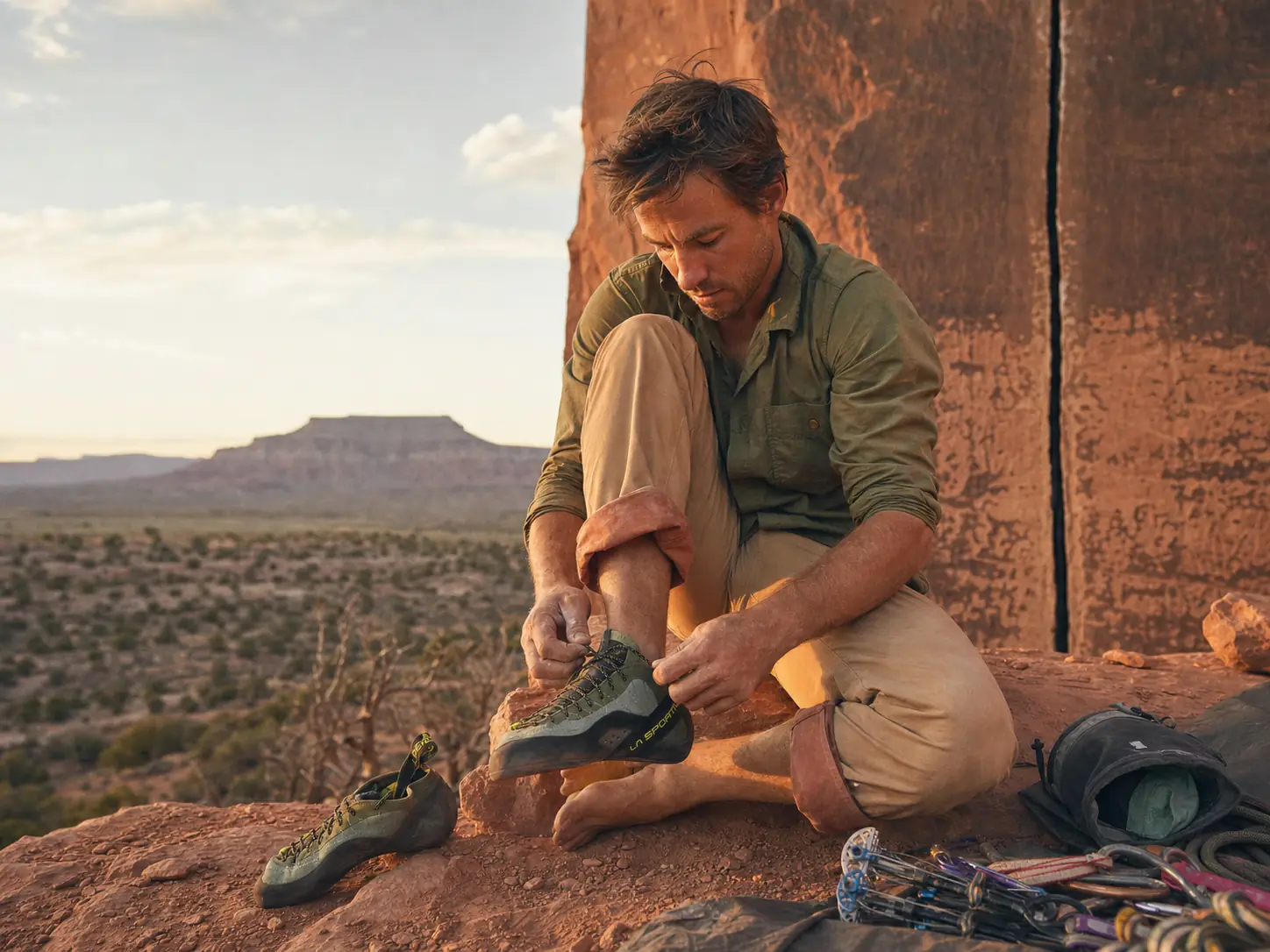
Pitch four of a splitter, your toes have gone numb, and the shoe that felt perfect on the shop carpet turns out to have been sized for a boulder problem instead of a 120-foot crack. That is usually the moment someone starts hunting for the best crack climbing shoes, and it is a rough moment to find out that crack shoes are a separate tool with separate rules. The pick is made by crack width, not by brand ranking, and a flat lace-up you already own will out-jam a downturned sport shoe every single time.
Below you get eight shoes sorted by jam size, the fit rules that keep your feet alive on pitch six, and the durability math nobody prints. Some of you will finish this page and buy nothing, which is a completely legitimate outcome.
Here is the short version before the mechanics.
| Shoe | Best Crack Size | What Earns It the Slot | Wrong For |
|---|---|---|---|
| La Sportiva TC Pro | Fists and off-width | 1.1 mm LaspoFlex plate under a high leather cuff | Narrow feet, and back-to-back off-width weekends |
| Scarpa Generator Mid | Fists and off-width | Mid-height cuff over a trad-stiff platform | Climbers who want full ankle movement |
| La Sportiva Mythos | Hands, all day | Wraparound lacing loosens the forefoot alone | Steep technical sport pitches |
| Five Ten NIAD Moccasym | Thin to hands | Nothing over the instep to catch on rock | Feet that need real lockdown |
| Scarpa Instinct VS | Thin splitters and ring locks | 1 mm midsole and a split sole you can feel through | Anything fist-sized or wider |
| La Sportiva Katana Lace | Mixed trad, crack plus face | Lace-to-toe tension you change between pitches | Full days of wide jamming |
| La Sportiva Finale | Trying crack for the first season | Flat last, full lace-up, real Vibram XS Edge | Hard technical face climbing |
| Evolv Defy and Elektra | Hands, wide and high-volume feet | A genuinely roomy last instead of a bigger number | Precision edging on small holds |
What the Best Crack Climbing Shoes Do Differently
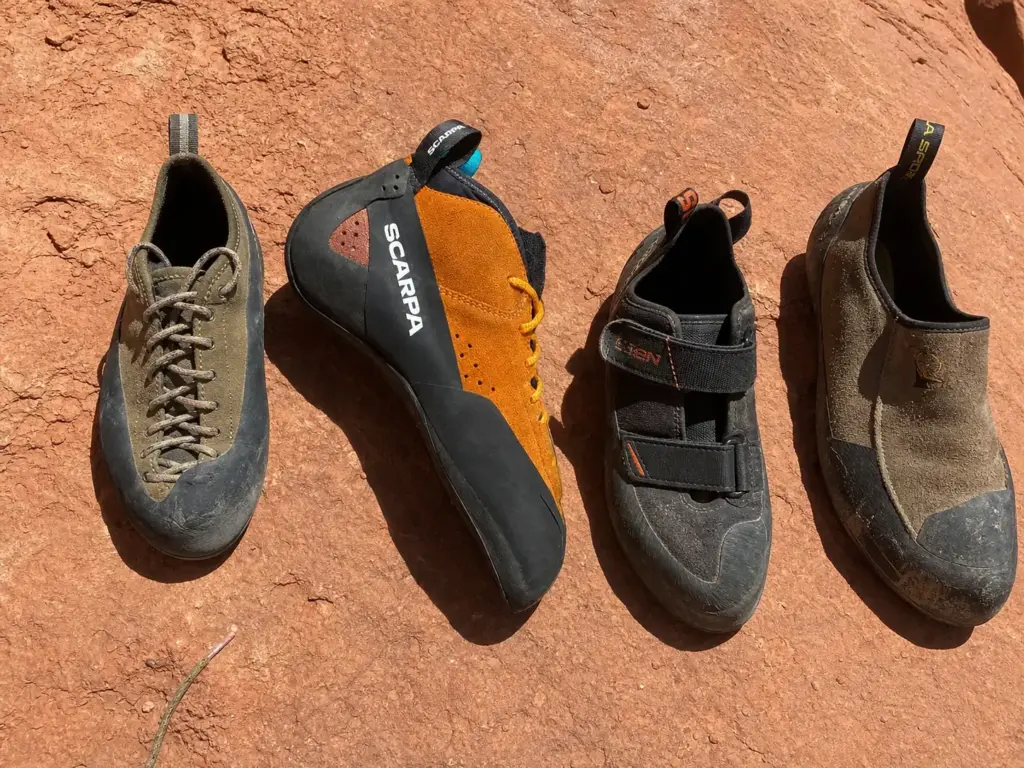
Pick up a crack shoe next to a sport shoe and the differences are all visible before you ever put it on. Four features define the category, and once you can spot them in a shop you stop needing anyone’s ranking. This is also the fastest way to check whether the shoes already in your pack are secretly fine, which the wider guide to how climbing shoes are built for the way you actually climb covers across every discipline.
Flat Last, Not Downturned
A flat last lets the toe box slide into a crack at the angle the crack gives you. A downturned shoe presents a curled toe and a bunched forefoot to an opening that is perfectly parallel, then holds that curl under tension for the length of the pitch. You can jam in a downturned shoe. You will just feel every second of it.
The Midsole Is the Whole Argument
The midsole is the plate that refuses to fold when your foot twists inside the crack. La Sportiva’s TC Pro runs a 1.1 mm LaspoFlex plate with P3 construction under 4 mm of Vibram XS Edge. The Scarpa Instinct VS runs 1 mm over a split sole, which is roughly half the platform.
Neither is better in the abstract. They are built for opposite ends of the width scale.
Rand, Toe Patch, and Why They Wear Out First
The rand is the thin rubber band wrapping the toe box and the sides, and the toe rand specifically is the part that takes the abuse. It is not load-bearing rubber and it was never meant to be. In a crack it gets dragged across sandstone and granite constantly, which is why crack shoes get an oversized toe patch and why the rand still fails before the sole does.
High-Top, Mid, or Slipper
Cuff height is a width decision, not a comfort preference. Thin cracks reward a low-profile upper with nothing bulky over the instep. Fist and wider scrape the bone right above the shoe line, which is where a mid or high cuff stops being optional. If you have read a review that talked about moccs, splitters, and going down to red Camalots, that last one is climbers sizing cracks by cam rather than inches.
Why Stiff Soles and Big Rands Actually Cut Jam Pain
Every roundup on this topic says stiffer hurts less and then stops. Nobody explains why, which leaves you unable to judge any shoe that is not on their list. The mechanism is simple enough to explain standing at the base with a shoe in your hand.
Jamming Is a Twist, Not a Step
A foot jam is a jam-and-twist. The foot goes in sideways at an angle, then rotates until it locks against both walls. That rotation, not your weight, is the load case the shoe has to survive.
Every other kind of climbing loads a shoe straight down through the toe. This one loads it in torsion.
Where the Pain Actually Comes From
A soft shoe folds around your foot under that twist. Once it folds, the load stops spreading and concentrates on whichever bone happens to sit closest to the rock. That grinding, hot-spot pain climbers describe is not the crack being sharp. It is a shoe that collapsed and let two small contact points take everything.
A stiff plate plus a full wraparound rand builds a rigid shell instead. The shell spreads jamming pressure across the whole foot, which is the real reason stiffer hurts less. It also scales with width: wider crack, more torque, more midsole needed. Take a split-sole Instinct VS into a fist crack and you will feel exactly how deliberate that flex is.
Why a Tired Rand Spits You Out
There is a second failure mode nobody names. A well-tensioned rand keeps the shoe suctioned to your foot. When the shoe is loose, or when the rand has packed out after a season of scumming, the shoe can roll out of the jam while your foot stays put.
You do not just hurt. You come off.
Best Crack Climbing Shoes for Finger Cracks and Thin Splitters
Below red Camalots, everything changes. Thin cracks do not reward the stiff platform that saves your feet in hand size, because you need to feel a micro-edge or a shallow ring-lock foot placement before you commit to it. Learning to read the crack before you pick the shoe matters more here than any brand loyalty.
Scarpa Instinct VS: Best for Thin Splitters
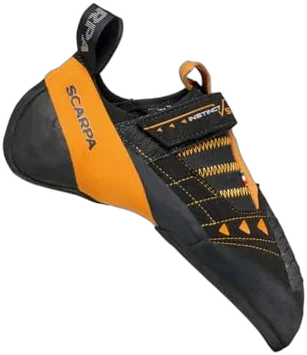
This is the shoe that answers the question people keep typing into Google about whether Scarpa Instincts work for crack. They do, for fingers and ring locks, and they are miserable in anything fist-sized. Do not read that as a flaw. A 1 mm midsole over a split sole is a design decision aimed at one end of the width scale, and it hits it.
La Sportiva Katana Lace: Best for Mixed Trad Pitches
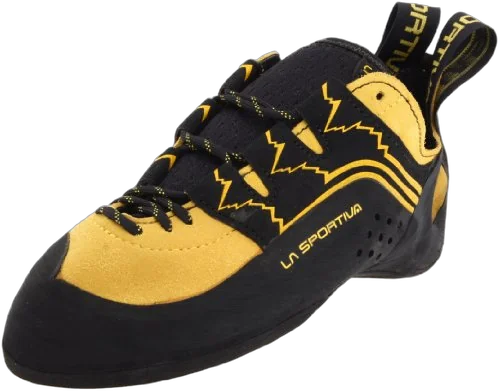
The slight asymmetry is also what keeps it honest on the face sections between jams, where you are edging and smearing rather than torquing. One thing the brand will not put on the box: the women’s Katana Lace uses a split sole and is genuinely less stiff than the men’s. That is not a color change with a different size run. On a full day of jamming you will feel the missing platform, so if you are buying the women’s model for crack specifically, size and expect accordingly.
What Changes Below Red Camalots
Every shoe has a crack-size floor, and finding yours is worth more than any review. The pattern climbers repeat is a stiff high-top down to red Camalots, then a switch to old slippers resoled with thin sticky rubber for anything thinner. Shoe choice is a width call. Treating it as a brand call is how people end up with one expensive shoe that is wrong for two thirds of the routes they want to climb.
Best Crack Climbing Shoes for Hand Cracks and Long Days
Hand cracks are an endurance problem, not a precision problem. Nobody blows a hand jam because the shoe lacked sensitivity. They blow it on pitch six because their feet stopped working forty minutes ago. That is the whole design brief for this section, and it is why the shoes here look unremarkable next to a sport shoe.
La Sportiva Mythos: Best for All-Day Hand Cracks
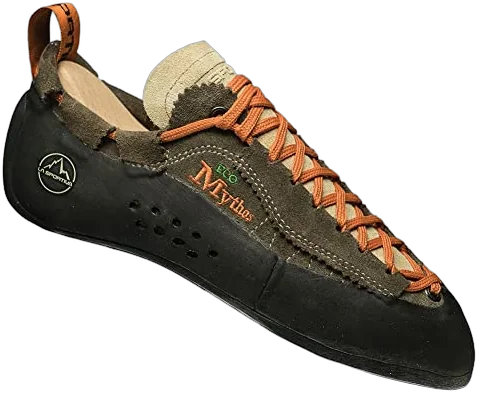
The Mythos runs about a full size big, so order down. That is not a quirk to work around, it is the single most common ordering mistake with this model.
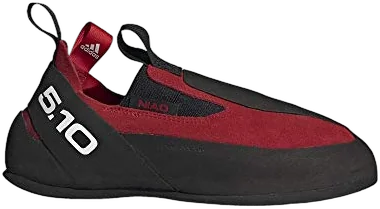
Five Ten NIAD Moccasym: Best Slipper
Sizing a Shoe You’ll Wear for Six Pitches
Both shoes here are leather, and leather moves. The Moccasym is unlined, which means it can stretch a full size before it settles.
Buy unlined moccs with your toes noticeably curled and then climb them into shape. The protocol climbers repeat is a week of gym sessions, after which you are flat-footed in them. Do not pre-stretch with ice, heat, or a shoe tree. You will overshoot, and a slipper that has gone loose has no closure to take the volume back.
Indian Creek is where most of this gets tested, and it is an actively managed place rather than an open playground. If this page sends you there, note that pack-it-out rules and matte hardware are requirements, not etiquette. The Access Fund’s Climber Steward program at Indian Creek exists because the traffic outgrew the desert. Planning a Creek trip’s rack, skills and access rules is worth doing before you worry about which shoe to bring.
Best Crack Climbing Shoes for Fist Cracks
Fist jamming produces the highest torque of any jam you can still make with a normal foot placement. The sole is being levered, not loaded. This is the width where a soft shoe stops being a preference and starts being the reason you are hanging on the rope.
La Sportiva TC Pro: Best Overall for Fist Cracks
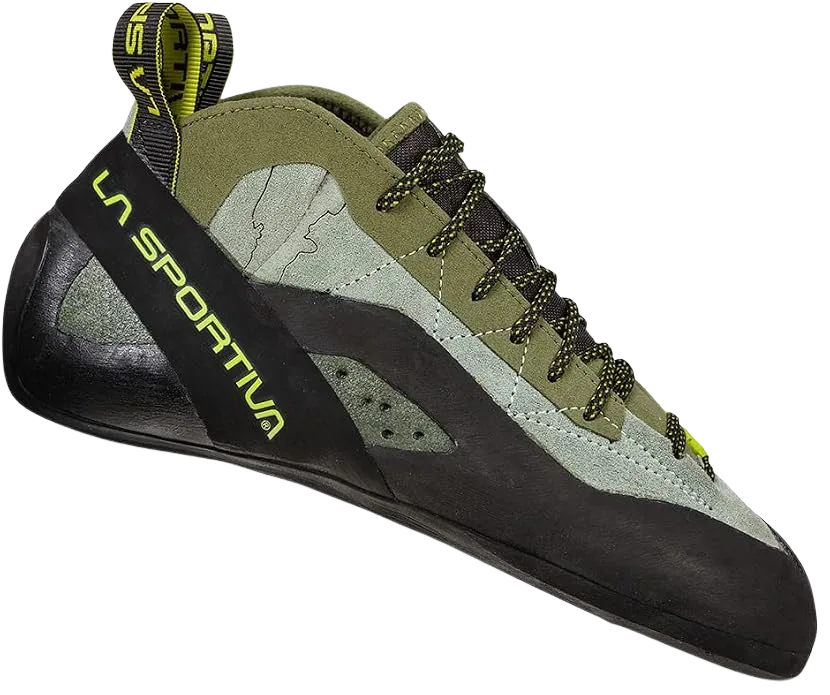
Order the comfort number, not the performance number. For the TC Pro that means half a US size down from street, not the full size or size and a half a performance fit calls for. Then expect another half to a full EU size of stretch as the leather packs out. You are standing in this shoe for six pitches, not thirty seconds.
The Rand Problem Nobody Mentions
Here is the part the glowing reviews skip. A hands-on comparison of crack shoes found TC Pro rand delamination after only a few off-width climbs. The shoe everyone calls indestructible peels its rand if you feed it wide cracks.
That is not a defective pair, it is what off-width does to rubber that was never load-bearing to begin with. Plan for repair rather than immortality, and know that a lifted rand is fixable if you catch it early and much less fixable once it has split.
If It Doesn’t Fit Your Foot Shape
The TC Pro runs narrow. Climbers with wide feet and narrow heels report it is simply too narrow for them, and no amount of break-in fixes a last shape. Leather stretches in volume, not in geometry. If your foot is wide, skip ahead to the wide-last section rather than buying the internet’s favorite shoe twice.
Best Crack Climbing Shoes for Off-Widths
Off-width is the width where the shoe stops being a platform and becomes a friction surface. Toe scumming loads the top and the sides against rock, dragging rubber that was designed to sit still. That is why off-width eats shoes faster than every other jam size combined, and why the shoe conversation here is really an ankle conversation.
Scarpa Generator Mid: Best Ankle Protection
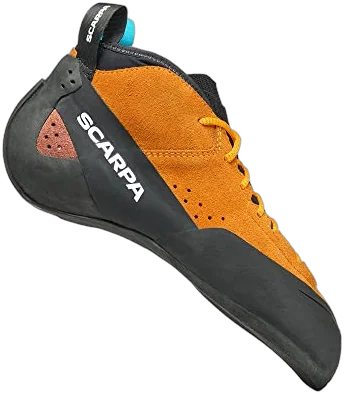
Say that clearly, because it matters when you order: the mid-height cut is a men’s-sizing option right now. Women shopping this platform get the Generator V, which is the same trad chassis in a low-top. Same stiffness argument, no cuff. If ankle coverage is the reason you are here, that gap is worth knowing before you click.
The Shoe That Should Be Here and Isn’t
The Butora Altura belongs in this section and cannot be recommended, which is a frustrating sentence to write. It is the only shoe from a major brand sold in two width-specific lasts, Regular and Wide, with a hemp lining, and it is the off-width pick on the one page that ranks above this article for the exact search. It is also not currently being sold anywhere we would send you. Named here because the wide-last argument in the next section only makes sense if you know the shoe that proved it exists.
The Cuff Trade-Off Worth Knowing
Nobody prints the other half of the ankle argument. The same cuff that saves your ankle bones from a hundred feet of scraping also restricts ankle articulation, and off-width falls are exactly the committing, awkward falls where you want that joint free. Both facts are true at once.
The American Alpine Club, which publishes the accident data climbers actually learn from, is a better place to build that judgment than any gear review, including this one. Pick your side of the trade knowingly rather than by accident.
Best Budget Crack Shoes and What Actually Fits a Wide Foot
Every roundup on this topic recommends premium shoes and stops. Nobody offers a way in for someone who is not yet sure crack climbing is for them, and nobody separates the wide-foot problem from the sizing problem. Those are the two most common reasons people end up with expensive shoes that live in a closet.
Don’t Buy Anything Yet
If you already own a flat, stiff-ish, lace-up shoe, go jam in it before you spend money. A lot of readers do not need a new shoe. They need to stop wearing their bouldering shoes at the Creek.
Renting is also a real option and not a compromise, since university outdoor programs that rent climbing shoes will let you find out whether you like jamming for the price of a lunch. Learning to jam before you buy the shoe will teach you more about what you need than any spec sheet.
When you do buy, the numbers are worth knowing as ranges: dedicated crack and trad shoes generally run about $150 to $240, while competent budget lace-ups sit around $90 to $130. That second band is where the honest answer lives for most first-year crack climbers.
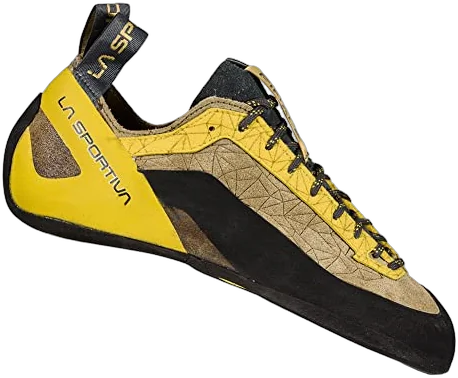
La Sportiva Finale: Best Budget Lace-Up
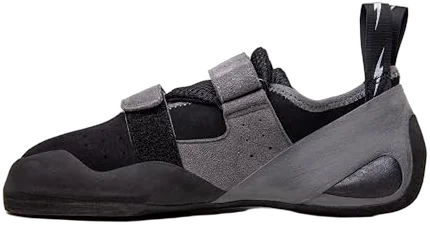
Evolv Defy and Elektra: Best for Wide Feet
Why Sizing Up Never Fixes a Narrow Last
A wide foot in a narrow shoe is a geometry mismatch, not a length mismatch. Go up two sizes and you get a shoe that is still narrow across the forefoot and now too long everywhere else, so your toes float and the heel pumps. That is the entire reason the Altura mattered: two lasts, one shoe, and nothing else in the category offers it. Until something replaces it, a roomy flat last like the Defy is the workaround.
How a Crack Shoe Should Actually Fit
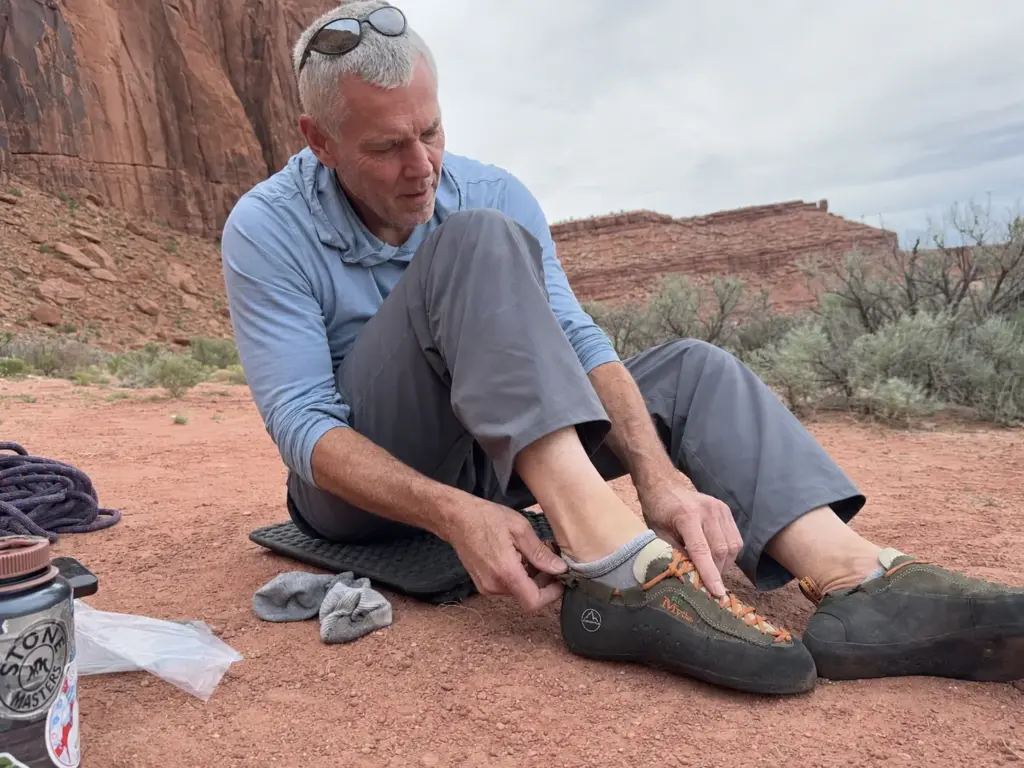
Fit is where most of the money gets wasted, because people import a sizing rule from a different discipline and then blame the shoe. The rule for crack is short: snug, with your toes flat. Not curled, not knuckled, not folded.
Snug, But Toes Not Curled
The community warning is consistent and worth taking at face value. Aggressive downsizing belongs to people climbing V10 or 5.13, and even then it belongs to the twenty seconds of the crux. For everything else, if your toes are curled inside a crack shoe, you sized wrong. There is a longer version of this argument in the guide to why most climbers buy shoes too tight, and crack is where that mistake costs the most.
Leather, Unlined Leather, and Synthetic Stretch Differently
The same size-down advice cannot possibly apply to all three uppers, which is where most ordering mistakes come from. Lined leather stretches about half a size. Unlined leather stretches up to a full size. Synthetic uppers stay essentially true to size.
Before you pick a number, find out which of those three you are buying, because the shoe you order is not the shoe you will be climbing in three weeks from now.
For the TC Pro specifically the numbers are published: comfort fit is half a US size down, performance fit is a full size to a size and a half, and you can expect another half to a full EU size of stretch as the leather packs out. Crack climbers buy the comfort number and are still tightening the laces by mid-season.
Thin Socks Are Not Cheating
Plenty of experienced multi-pitch climbers run thin running socks inside their jamming shoes, and they are not apologizing for it. You lose almost nothing in sensitivity in a shoe that is already stiff, you get fewer hot spots over a long day, and you pick up a hair of volume in a shoe that has stretched past ideal. If someone at the crag gives you grief about it, check what they are wearing on pitch six.
Why Sport Shoe Sizing Wrecks a Long Crack Day
Most climbers learn to size shoes in a gym or on a sport route, and the logic there is sound for that job. It is the wrong logic here, and nobody says so out loud.
Sized for a Crux vs Sized for a Day
Sport and bouldering sizing optimizes for one short, brutal sequence. You pull the shoes on, you fight for twenty seconds, you take them off between burns. Crack shoes get worn continuously across a full pitch, then the next one, then the walk-off. Sport shoes are sized on a completely different logic because they are solving a completely different problem.
The consequence is the part competitors leave out. Numb toes by pitch four on a long finger crack, then a fatigue tax that makes you climb worse on the pitches that actually decide the day. Nobody falls off because their shoe was half a size too roomy. Plenty of people fall off because their feet stopped working.
Heels Out at Every Belay
Pull your heels out at every single belay. Climbers who do long routes rate this above shoe choice itself as the biggest fatigue reducer on a multi-pitch day, and it costs nothing. It also changes your sizing math: if you decompress at every anchor, you can run a slightly tighter shoe than you otherwise could.
When Two Pairs Is the Right Answer
The quiver of one dies on a route with a splitter pitch and a face crux. Experienced climbers size with the crux in mind, and some just carry two pairs and swap at the belay. It sounds fussy right up until the pitch where it obviously is not. Size for the day, not for the move, and if the day genuinely has two jobs in it, bring two shoes.
How Fast Crack Climbing Eats a Pair of Shoes
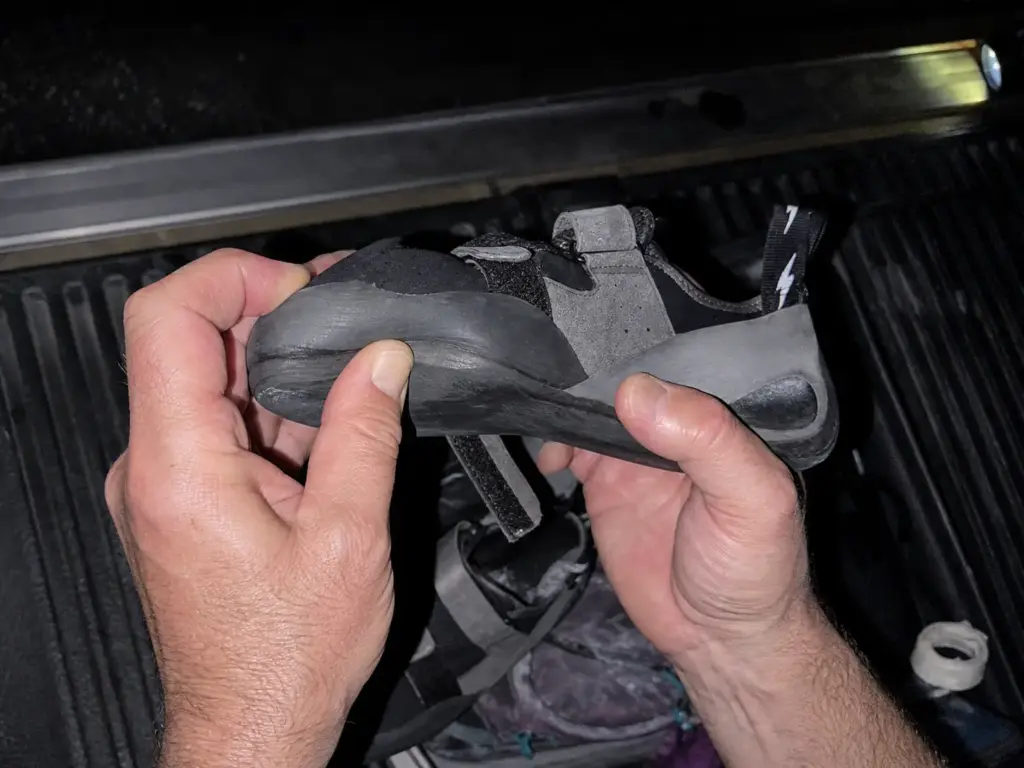
This is the section that saves money, and none of the readable competitors go near it. Crack climbing does not just wear the sole. It destroys the structure of the shoe, and that changes the whole cost calculation.
Two Resoles, Not Twelve
Here is the number nobody prints, adjusted for discipline. A shoe climbed on moderate slabs can take roughly a dozen resoles before it loses its shape. A crack-climbed shoe takes about two.
Baseline resole interval at one or two sessions a week is three to nine months, and crack and off-width sit at the fast end of that band. If your season includes Creek trips, budget a resole a season, not a resole a year.
The Big-Toe Flex Test
About ninety percent of sole wear happens at the big-toe area, and you start with 4 mm of rubber there. Here is the check that takes five seconds.
Flex the ball of the big toe and feel for the edge of the midsole through the rubber. If you can feel that edge, you are roughly one session from going through to the rand. Then run a thumbnail along the toe seam and look for a lifted or split rand. Getting the resole timed so the shoe survives it is the difference between a rebuild and a replacement.
What a Rand Repair Adds
Once the rand splits, a resole alone will not save the shoe. The rand is thinner than the sole and was never meant to carry load, so a cobbler has to rebuild it before new rubber goes on. A resole runs roughly $50 to $60; add a rand repair and it moves toward $75 to $90. Still cheaper than a new pair, and much cheaper if you catch it before the split reaches the upper.
Socks, Tape, and the Field Fixes That Don’t Make Gear Reviews
Everything above is what you buy. This is what people actually do once they are standing at the base with a rack and a partner, and none of it shows up in a spec sheet.
Thin Socks and Hot Spots
Thin running socks inside a jamming shoe come up over and over from climbers who do long routes. The reasoning is practical: fewer hot spots on the parts of the foot that grind against the crack, a little extra volume in a shoe that has packed out, and no meaningful loss of feel in a shoe that is already stiff. Nobody who has done six pitches in leather is precious about this.
Keeping a Baggy Slipper On
The Yosemite fix for moccs sized for comfort rather than performance is a shoelace tied around the ankle. It looks improvised because it is, and it keeps a nearly baggy slipper on your foot while you jam granite all day. Once you understand that a slipper sized for a full day is going to be loose, the strap stops looking like a hack and starts looking like the missing closure.
Two Pairs and the Width Handoff
The handoff is the thing to internalize. Stiff high-tops down to red Camalots, then something thinner and softer below that, often an old pair resoled in a grippier compound like Vibram XS Grip, because the shoe that saves you in fists is the shoe that blinds you in fingers. Off-width flips it again: the sides and top of the shoe become the wear surface, which is why off-width climbers armor the rand before the trip instead of after. Tape your hands, stiffen your feet, and accept that both decisions come from the same problem.
Loosen your laces at the belay before you take your heels out, not after. Trying to peel a tight leather shoe off a swollen foot one-handed while clipped to an anchor is how people drop things. Ten seconds of laces first, then heels, then a real rest.
The Bottom Line
Thin cracks and ring locks go to the Instinct VS or the Katana Lace. Hands and long days go to the Mythos or the Moccasym. Fists go to the TC Pro. Off-width goes to the Generator Mid, with the ankle trade-off understood rather than assumed.
If you are testing the waters or your feet are wide, the Finale and the Defy or Elektra do the job for a fraction of the outlay.
The rule outlives every model on this page: flat, stiff-ish, laced, and sized for the day rather than the move. If the shoes in your pack already tick those boxes, climb them until they are cooked and put the money toward a resole and a Creek permit instead.
Set your expectations on durability now so you do not feel cheated in six months. Two resoles is a realistic life for a crack shoe, and the rand goes before the sole does. And no shoe on earth makes off-width comfortable. It just makes it survivable.
Frequently Asked Questions
01What shoes did Alex Honnold wear?
Honnold climbs in La Sportiva, and the model most associated with his Yosemite big-wall climbing is the TC Pro, developed with Tommy Caldwell for that terrain. The takeaway is not the endorsement. It is that granite crack rewards a stiff, flat, high-top shoe.
02What is the most durable climbing shoe?
Durability is discipline-dependent, not model-dependent. A stiff leather lace-up with a full rand, like the TC Pro, Mythos or Finale, outlasts a soft synthetic slipper. But a crack-climbed shoe takes about two resoles where a slab shoe takes a dozen. Watch the big-toe wear zone.
03Are Scarpa Instincts good for crack climbing?
Yes for finger cracks and ring locks, no for anything wider. The 1 mm midsole and split sole give you real feel for thin foot placements and micro-edges, and that same flex becomes punishing the moment the crack opens to hand or fist size.
04Is crack climbing difficult?
It is difficult in a different way. Crack technique is skill-dominant rather than strength-dominant, and it hurts before it feels good. The learning curve is mostly jam quality and pain tolerance, which is exactly why footwear matters more here than it does in sport climbing.
05What size should crack climbing shoes be?
Snug with your toes flat, never curled. Roughly half a size down from your street shoe, versus a full size or more for an aggressive sport shoe. Then adjust for the upper: unlined leather stretches up to a full size, while synthetic stays true.
Safety Notice: Rock climbing and mountaineering are inherently high-risk
activities that can involve physical trauma or fatal incidents. The information on Rock Climbing Realms is for
educational and informational purposes only. Techniques and advice presented here are not a substitute
for professional, hands-on instruction. Conditions and risks vary by location. Always seek guidance
from a qualified instructor before attempting new techniques. By using this website, you agree that you
are solely responsible for your own safety. Any reliance you place on this information is strictly
at your own risk, and you assume all liability for your actions. Rock Climbing Realms and its authors
will not be held liable for any harm, damage, or loss sustained in connection with the use of this information.
Affiliate Disclosure: We are a participant in the Amazon Services LLC Associates Program, an
affiliate advertising program designed to provide a means for us to earn advertising fees by advertising and linking
to Amazon.com. As an Amazon Associate, we earn from qualifying purchases. We are also an official affiliate partner
of Black Diamond Equipment via the AvantLink network. If you click on a Black Diamond affiliate link and make a
purchase, we may earn a commission at no additional cost to you. We also participate in other affiliate programs.
Additional terms are found in the terms of service.