
In this article
It’s 1 a.m. at Bunny Flat, the headlamp beams are bobbing toward the snow, and you’re standing there with a rented ice axe wondering if you actually need to drop a month’s pay on a guided trip up Mount Shasta. Here’s the honest answer most guide services won’t lead with: Avalanche Gulch is a walk-up, and plenty of fit, level-headed people climb it without a guide every season. The catch is that the mountain doesn’t care that it’s labeled “non-technical.” Almost nobody who gets hurt up here falls off something steep and scary. They summit too late, then posthole down through afternoon slush into the rockfall zone, which makes Mount Shasta climbing less about bravery and more about timing. This guide covers the Avalanche Gulch route end to end, season, permits, the kit, camps, and hazards, and it answers the two questions an honest write-up owes you, since Shasta sits among the most approachable peaks on any list of famous mountain routes and what they demand: is it safe to go right now, and where exactly is the line below which you hire a guide.
Mount Shasta and the Avalanche Gulch Route at a Glance
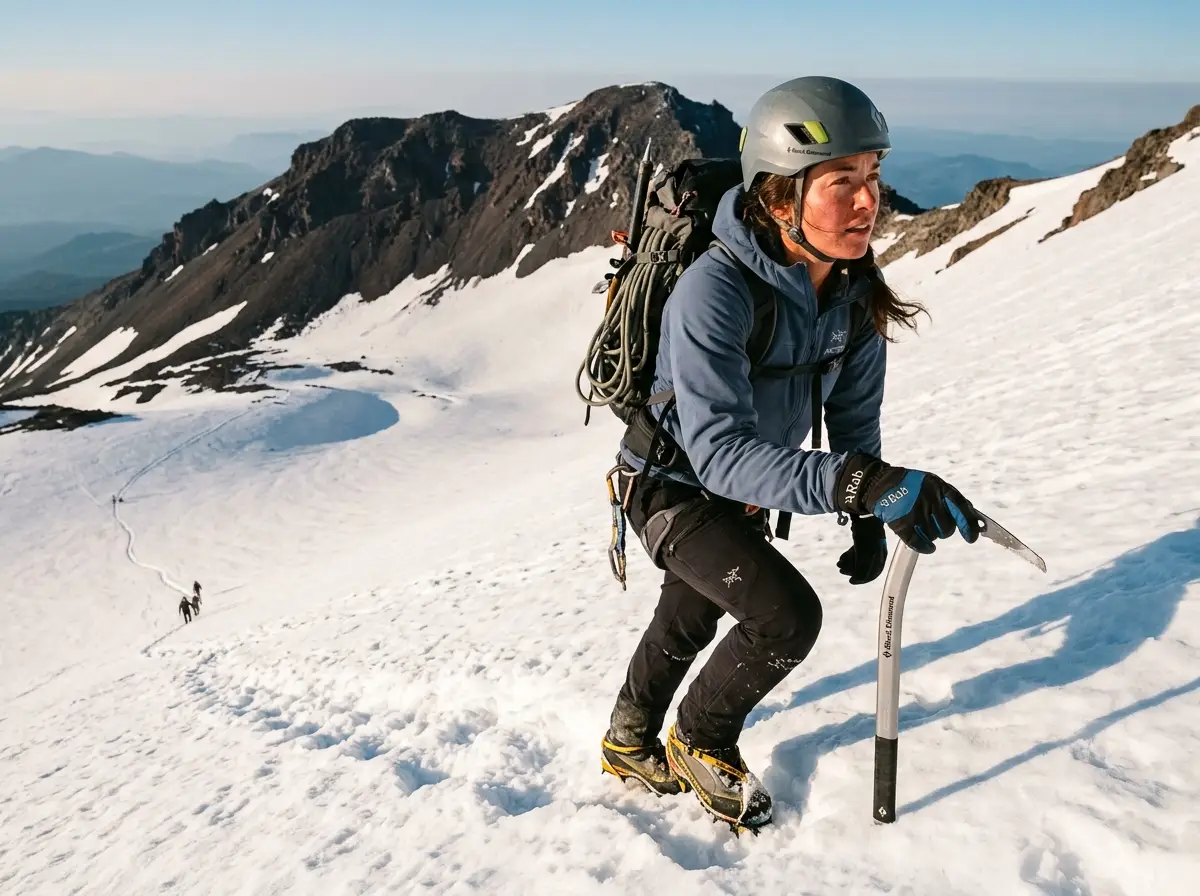
Most first-timers picture a climb and think about the hard part being technical. On Shasta, there is no technical part in the usual sense. The hard part is that you gain roughly 7,300 vertical feet on snow with no flat spot to catch your breath, and your legs have to keep firing for hours after the novelty wears off. People who treat Avalanche Gulch like a long, patient stair-climb summit far more often than the ones who sprint the first thousand feet and blow up at Helen Lake.
What “non-technical” really means on Shasta
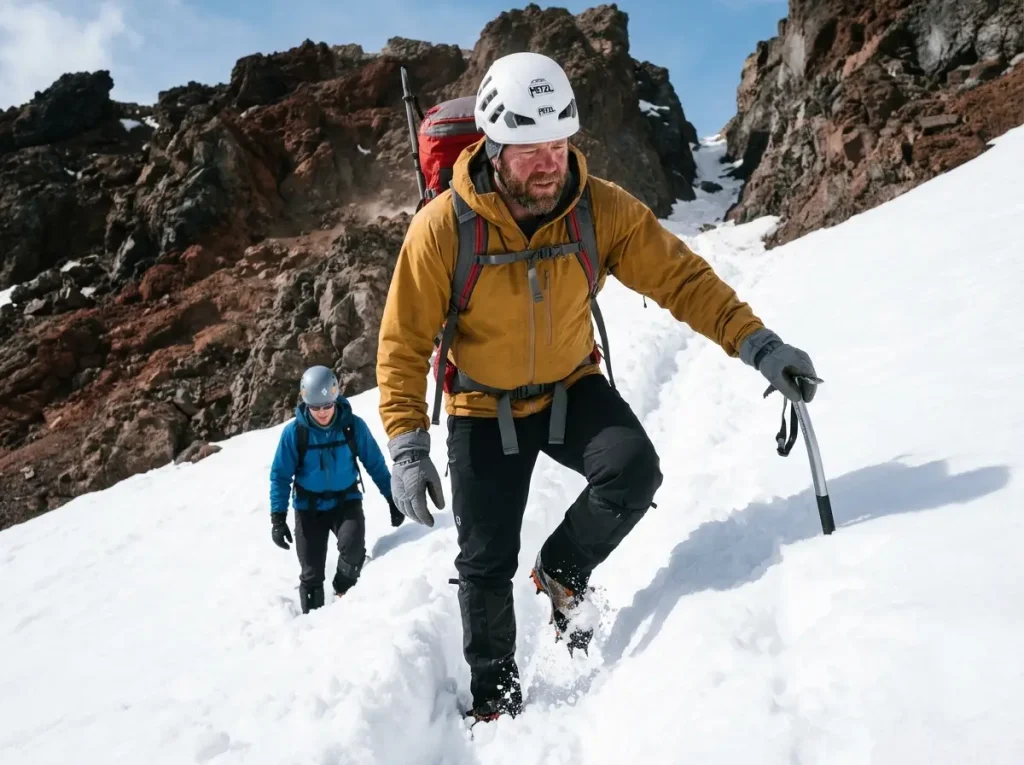
Non-technical means Class 1 to 2 on snow, no ropes, no rock moves, no placing gear. What it does not mean is “no consequences.” The standard line runs across firm snow angled at roughly 30 to 35 degrees, steepest near the top of the gulch, and on firm morning snow a simple slip turns into a fast slide in a hurry. That single fact is why crampons, an ice axe, and the ability to stop yourself are non-negotiable, and it’s the same trap that catches people on other underestimated walk-ups like Mount Elbrus. The grade is friendly. The exposure is not.
The numbers that matter
The summit sits at 14,179 feet, the standard climb gains about 7,300 feet, and the round trip runs roughly 10 to 12 miles depending on where you camp. The snow angle tops out around 35 degrees on the steepest pitch below Red Banks. Those numbers are the whole story: a big day at altitude on a moderate slope where pacing, not skill, decides most summits.
Why Avalanche Gulch over the other routes
Avalanche Gulch is the standard line because it’s the most direct snow climb off the most accessible trailhead, Bunny Flat, reachable by car up the Everitt Memorial Highway. Other routes exist, and we’ll get to the pivot options when conditions sour, but the gulch is where the boot pack is, where the rangers expect climbers, and where a first-timer has the best odds of a clean summit day. It is a Cascade Range stratovolcano, and the route is a snow climb start to finish, not a rock scramble.
Avalanche Gulch Route Beta, Step by Step
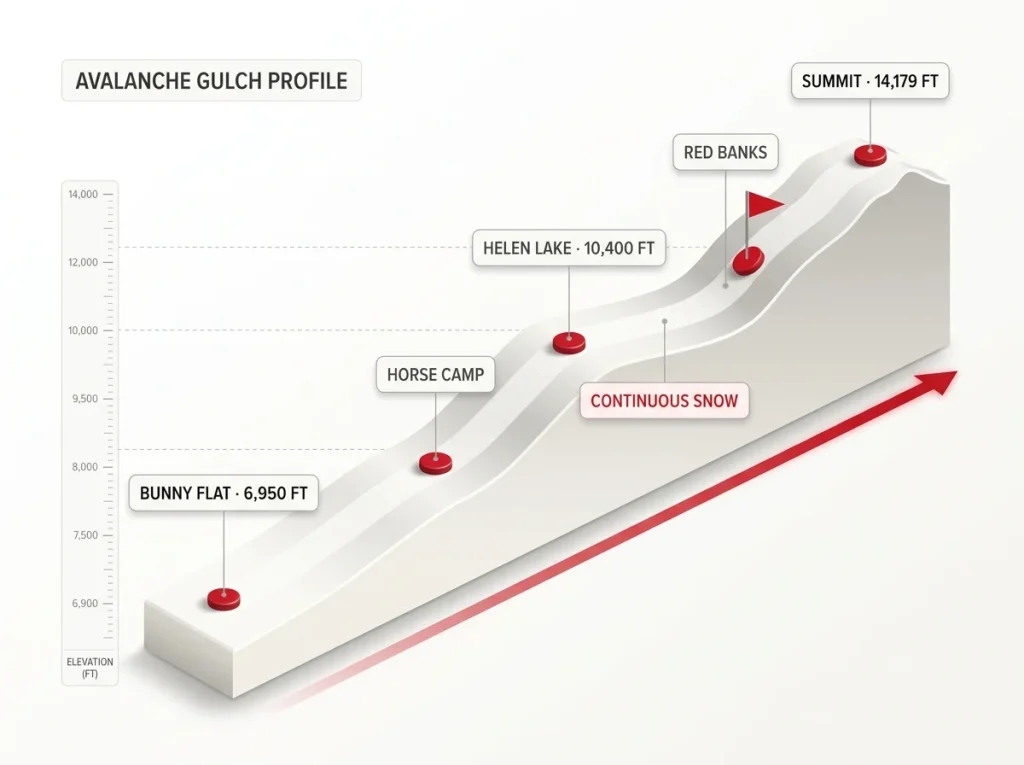
Picture the line the way a partner would sketch it on a napkin: trailhead, lower camp, high camp, then the long white ramp broken by a few named landmarks you’ll be glad you recognized in the dark. None of it is hard to follow in daylight. In the pre-dawn black, knowing what comes next keeps you calm and on route.
Bunny Flat to Helen Lake (the approach)
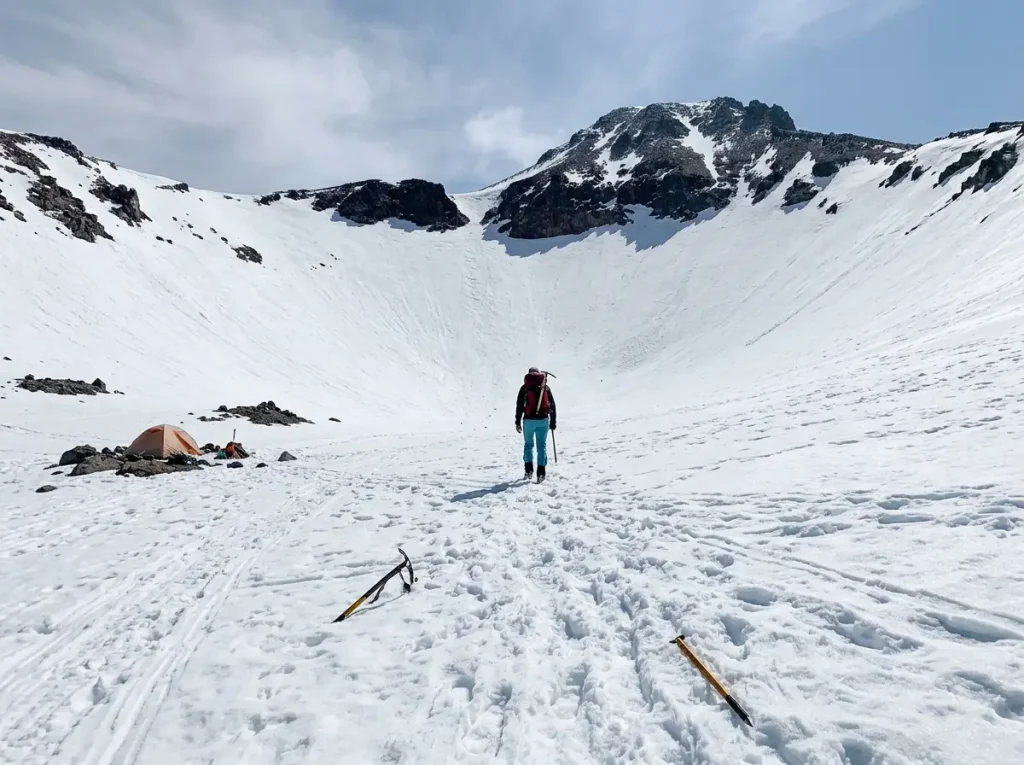
You start at the Bunny Flat trailhead around 6,950 feet and climb through the trees toward Horse Camp at about 7,900 feet, home to the Sierra Club’s Shasta Alpine Lodge and a reliable spring. From Horse Camp the trees thin and the real snow slog begins up toward Helen Lake at roughly 10,400 feet, the standard high camp. Most parties carry to Helen Lake on day one, which splits the climb into two manageable pushes instead of one crushing single-day grind. If you want the route on video before you go, this trip-report walk-through covers the landmarks in order.
Helen Lake through The Heart and Red Banks (the crux of the slog)
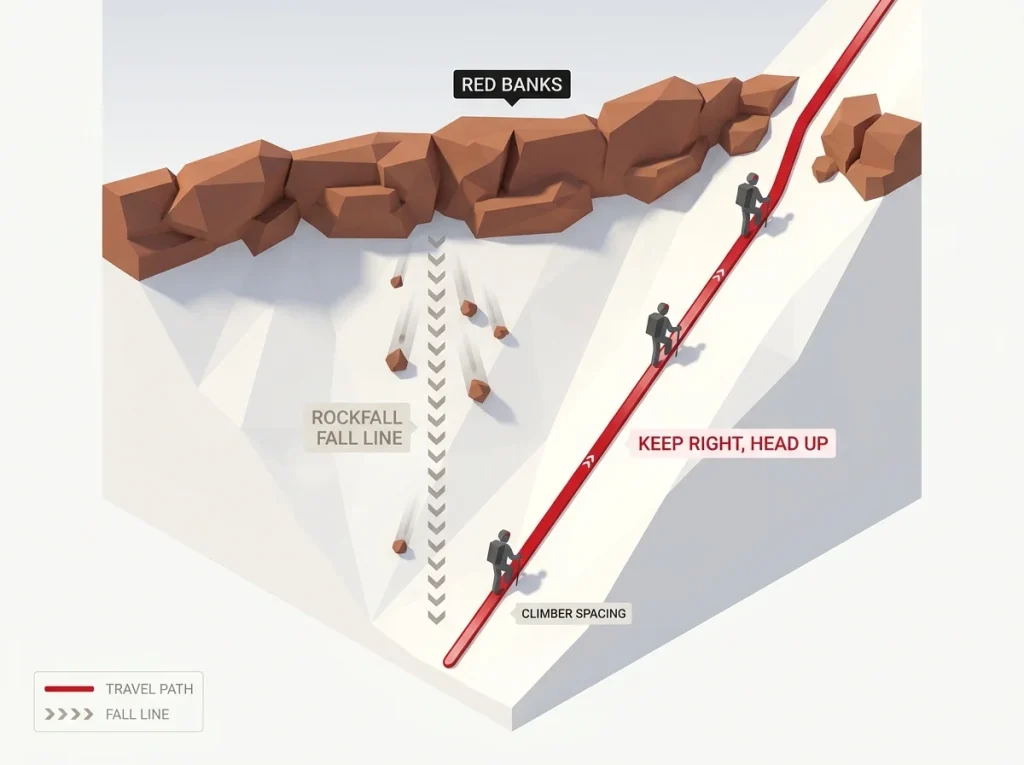
Above Helen Lake the gulch steepens. The standard line heads up and to the right of a rock island called The Heart, then aims for a chute on the right side of the rust-colored Red Banks, or skirts around the right end near a feature called The Thumb. This is the steepest, most committing stretch of the day, firm snow at 35 degrees with rock above you. Keep moving steadily, keep your spacing so you’re not directly below another climber, and keep glancing up at the Red Banks, because that’s where the rock comes from. A printed companion helps here; the most thorough route reference is The Mt. Shasta Book by Andy Selters and Michael Zanger, which maps every landmark in detail.
Misery Hill and the summit plateau (the false summit)
After the Red Banks you hit Misery Hill, which tops out near 13,800 feet and earns its name twice over: it’s a lung-burning pitch at altitude, and when you crest it you do not see the summit. You see a broad plateau, and the actual summit pinnacle still sitting beyond it. Mentally bank on that now, because the people who melt down up high are the ones who told themselves they were done at the top of Misery Hill. Cross the plateau, scramble the short summit block, and you’re there. The descent often goes faster on the same line, and once the slopes soften you can sometimes glissade sections in control with your axe ready, which brings up the one thing that decides how your descent goes: timing. That rhythm of firm-snow mornings and a hard turnaround is the same one that defines a Rainier-in-July push.
When to Climb Mount Shasta (and the Snow Timing That Hurts People)
This is the section that separates a good day from a trip to the clinic, so read it twice. The season window matters, but the timing within a single day matters more, and it’s the part almost every evergreen guide mentions in passing instead of putting in bold. Two parties can climb the same route on the same date and have completely different days based on nothing but what time they turned around.
The season window (mid-May to mid-July, and what each end costs you)
The sweet spot is mid-May to mid-July. In that window the snowpack is firm and continuous from high camp to the summit, and the weather is at its most stable. Go too early and you’re walking into avalanche and storm terrain on a big open slope, the kind of conditions where you’d want an avalanche beacon, probe, and shovel plus the training to use them. Go too late, and by July the continuous snow doesn’t start until around 9,200 feet, so you grind up loose, ankle-rolling scree for hours before you even reach the snow, with rockfall waking up as the season warms. Late season isn’t impossible, it’s just slower, more miserable, and more exposed.
Firm AM vs slush PM (the mechanism that gets people hurt)
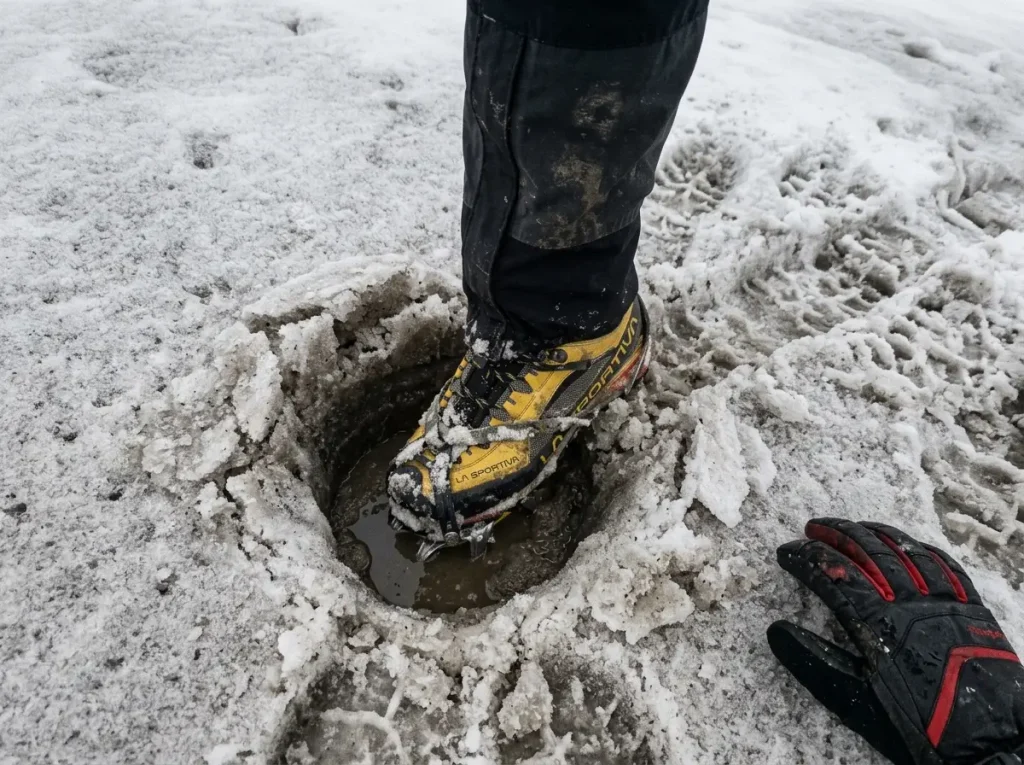
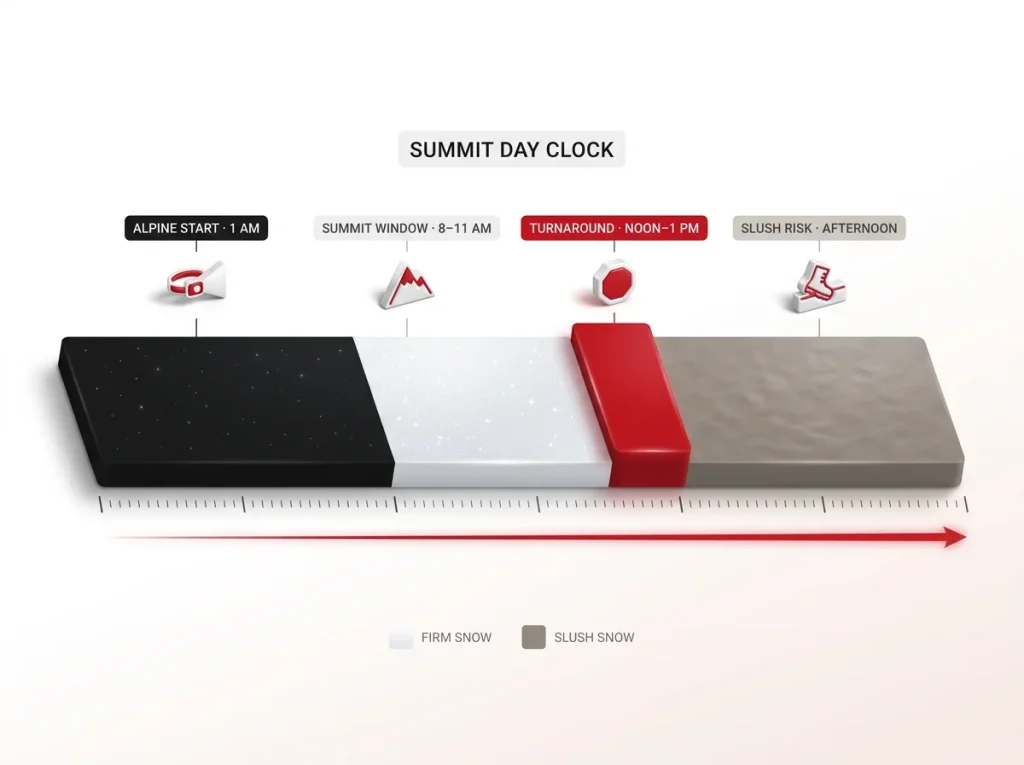
Here’s the failure mode nobody frames clearly enough. Snow that is firm and supportive at 6 a.m. turns into deep, wet “mashed potato” snow by early afternoon once the sun has been on it for hours. On firm morning snow you walk off the mountain efficiently with your crampons biting. On afternoon slush you’re postholing to your thighs every other step, your knees are taking a beating, a glissade can run away from you, and you’re re-entering the rockfall zone right as the warming slope above starts letting go. The climbers who get hurt on Shasta are overwhelmingly the ones still high on the mountain in the afternoon. It is not the climbing that gets them. It’s the clock.
You can feel the transition coming if you pay attention. Early on, your crampons make a clean crunch and leave shallow, crisp prints. As the sun works on the slope, the snow starts to ball up under your boots, you sink an inch deeper with each step, and the surface goes from bright white to a grayer, wetter sheen. That’s your cue to be heading down, not pushing up. By the time you’re punching through to your knees, the window closed an hour ago. The mountain gives you plenty of warning, so the whole skill is respecting it instead of chasing a summit that’s only thirty more minutes away.
Practice your self-arrest and a controlled glissade on a low-angle, run-out-safe slope near Helen Lake the afternoon you arrive, not for the first time mid-fall at 13,000 feet. Ten minutes of sliding around on purpose tells you exactly how your axe bites and how fast firm snow moves.
The alpine start and the hard turnaround time
The fix is an alpine start and a turnaround time you actually honor. Leave high camp somewhere between 12:30 and 2:00 a.m. so you’re climbing firm snow through the dark and summiting mid-morning. Then set a hard turnaround of noon to 1 p.m. and stick to it no matter how close the top looks, because the summit will still be there next weekend and the slush won’t wait for you. The “glissade” descent that feels like a fun bonus on firm afternoon corn becomes a punishing posthole slog if you blow the clock by two hours.
Permits, the Summit Pass, and Wag Bags
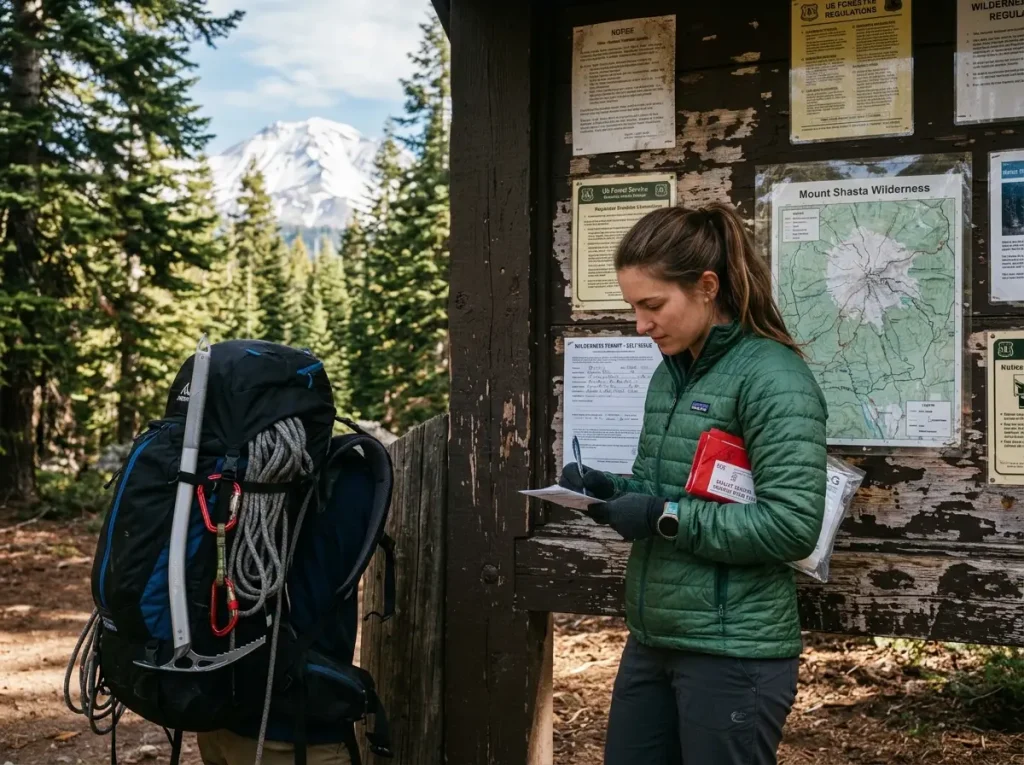
The permit system on Shasta is refreshingly simple, which is good, because half the people who ask about it assume there’s a lottery like Whitney or Half Dome. There isn’t. The whole thing takes five minutes at the trailhead, and the only piece people actually forget is the one you have to carry back down full.
The free wilderness permit and the $25 summit pass
Every climber needs a free Wilderness Permit, which you self-issue at the trailhead kiosk, no reservation and no quota. On top of that, anyone traveling above 10,000 feet needs a Summit Pass, which runs $25 for three days or $30 for an annual, and Avalanche Gulch crosses 10,000 feet well below the summit, so yes, you need it. You can grab both at the Bunny Flat kiosk the day before or the morning of. The Forest Service’s Mount Shasta climbing regulations spell out exactly what’s required so there’s no guessing.
Wag bags and Leave No Trace (the part people forget)
A wag bag, the human-waste pack-out kit, is mandatory, and this is the rule that catches casual climbers off guard. There are no facilities above the trailhead, the snow you’re melting for water is the same snowpack everyone is camped on, and Leave No Trace here isn’t a slogan, it’s how the mountain stays drinkable. Carry the wag bag, use it, pack it out. It’s a small thing that keeps Helen Lake from turning into a health hazard by August.
Group-size and camping limits
Groups are capped at 10 people, and camping is limited to 7 nights within a 30-day window, so a big party has to split and nobody gets to post up at Helen Lake for a week waiting on a weather window. The Shasta-Trinity National Forest wilderness page lists the current group-size and camping limits if you’re organizing a larger trip. For a standard two-day climb with a normal-size crew, none of this will pinch you.
The Mountaineering Kit, Buy It or Rent It in Town
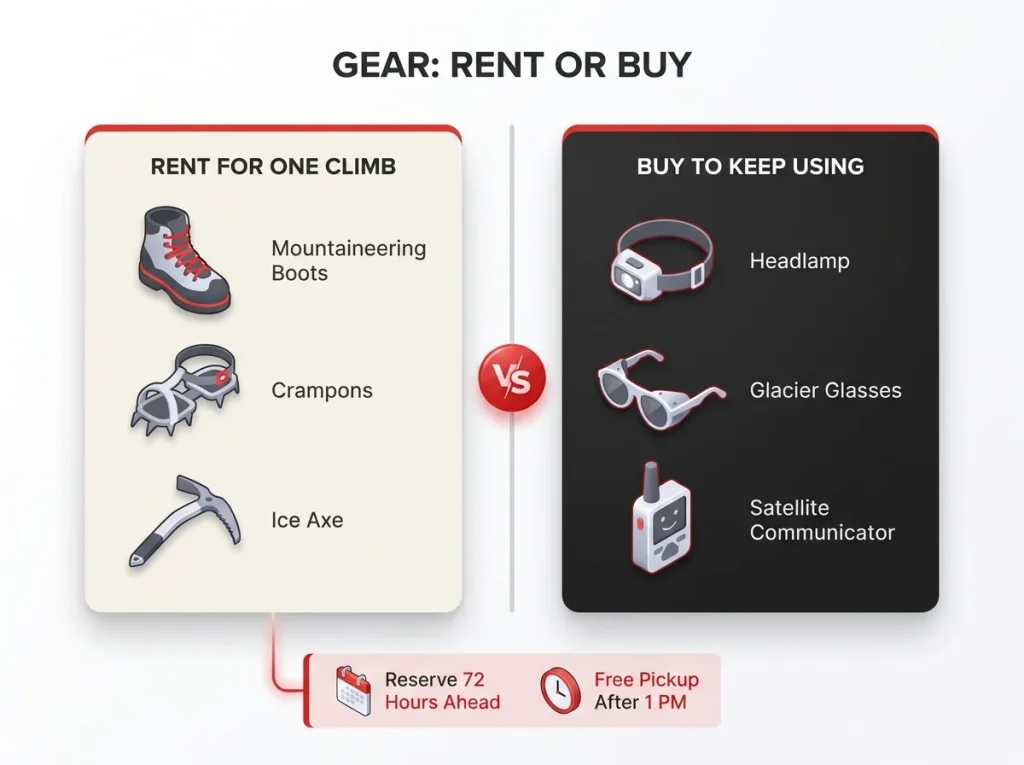
Before you put a four-figure gear order in your cart for a one-time climb, hear this out, because it’s the single most useful thing in this guide for a budget climber. The trust-your-life items, boots, crampons, and an axe, all rent for a fraction of their purchase price right in Mount Shasta City, three blocks from the road up. The Fifth Season at 300 N Mt Shasta Blvd rents the full mountaineering kit; reserve at least 72 hours ahead and pick up after 1 p.m. the day before, which is free. If this is a one-and-done summit, renting is the move, and it’s the move almost no evergreen gear guide states plainly. If you’re building toward more peaks, buy, and the full list of what’s worth owning lives in our breakdown of the alpinism kit you actually need. The mirror image of this same rent-versus-buy math pays off on a non-technical giant like Aconcagua, where people also overspend for a single trip.
Boots, crampons, and an axe (the trust-your-life three)
These three are the heart of the kit, and they’re exactly what The Fifth Season rents, so they’re the easiest to borrow and the hardest to fake with substitutes. For boots, you want a stiff, crampon-compatible mountaineering boot. The forgiving all-around pick for a summer snow climb is the La Sportiva Trango Tech, light enough that you’re not fighting it on the long approach and stiff enough to hold a crampon on firm snow.
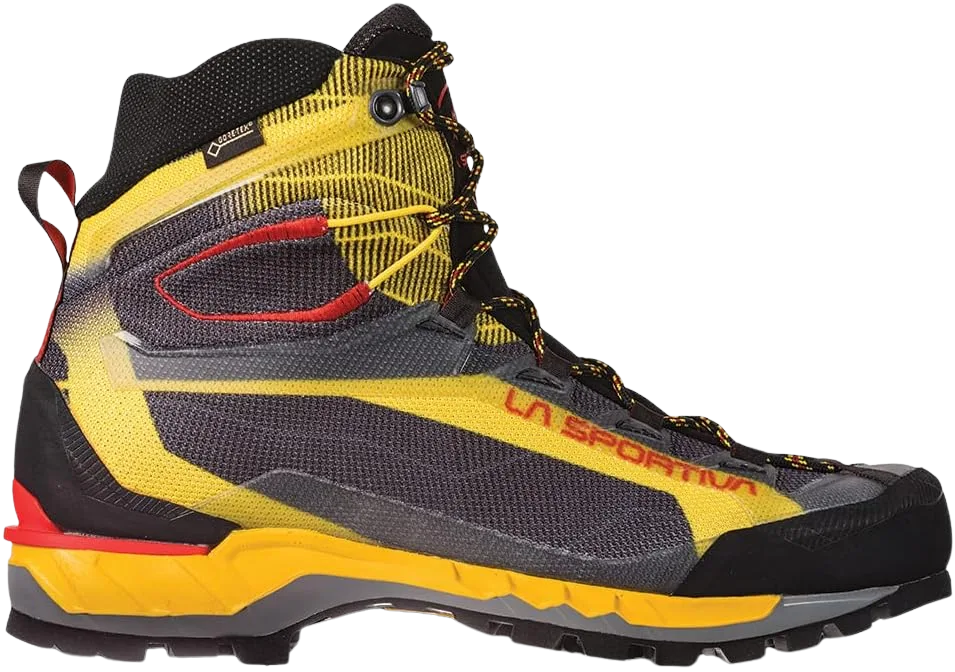
If you climb often and want a warmer, stiffer boot for cold or early-season conditions, the fully rigid B3 La Sportiva Nepal Evo GTX (men’s · women’s) is the step up, though it’s honestly overkill for a single mid-summer climb. For crampons, you want a 12-point steel model, and the one competitors name again and again for Shasta is the Black Diamond Sabretooth.
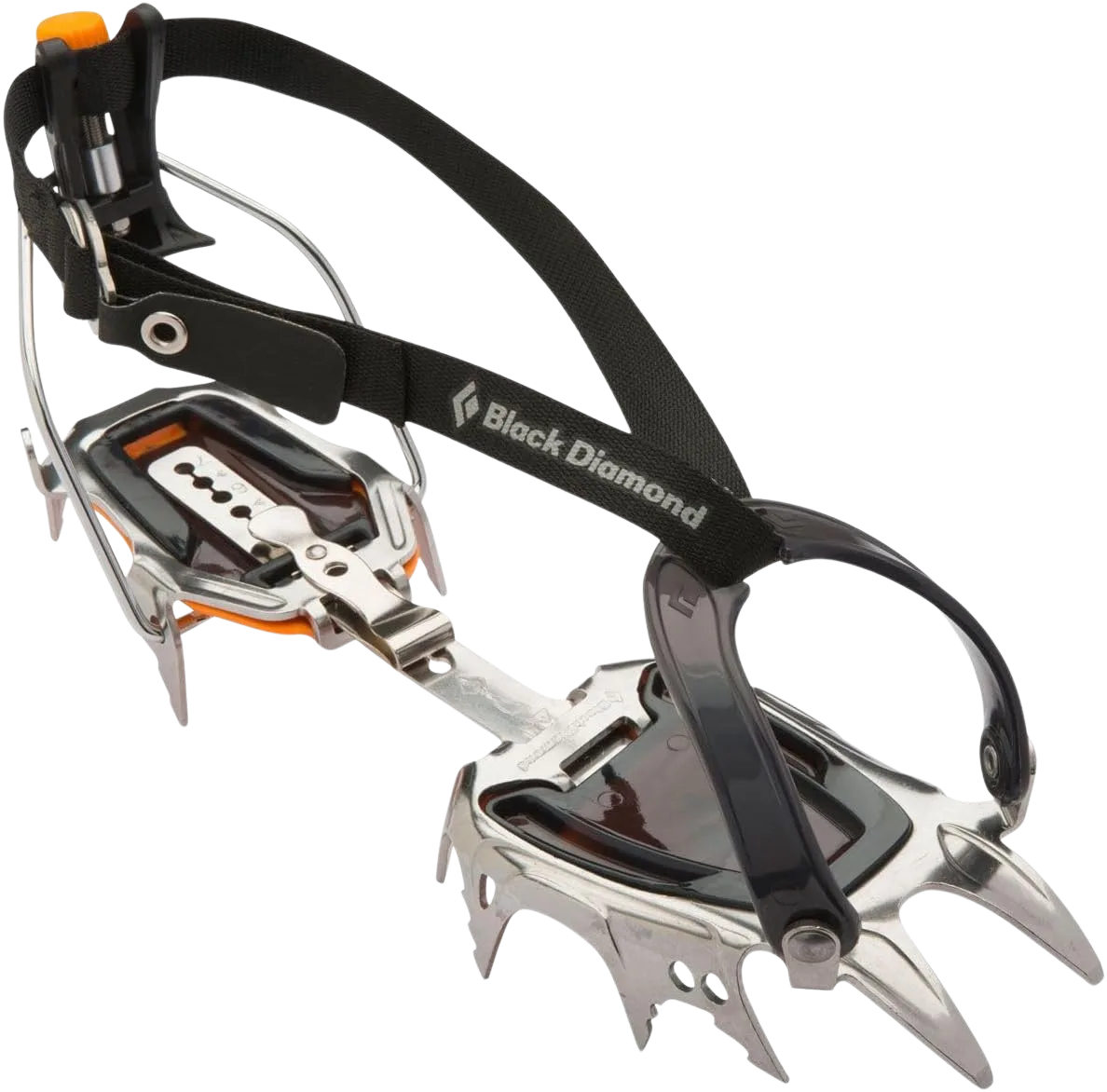
A slightly cheaper 12-point option that does the same job is the Grivel G12 New Matic, with the same confident bite on firm snow. For the axe, keep it simple. A snow slog like Avalanche Gulch asks for a basic straight-shaft mountaineering axe for self-arrest and balance, nothing technical or curved.
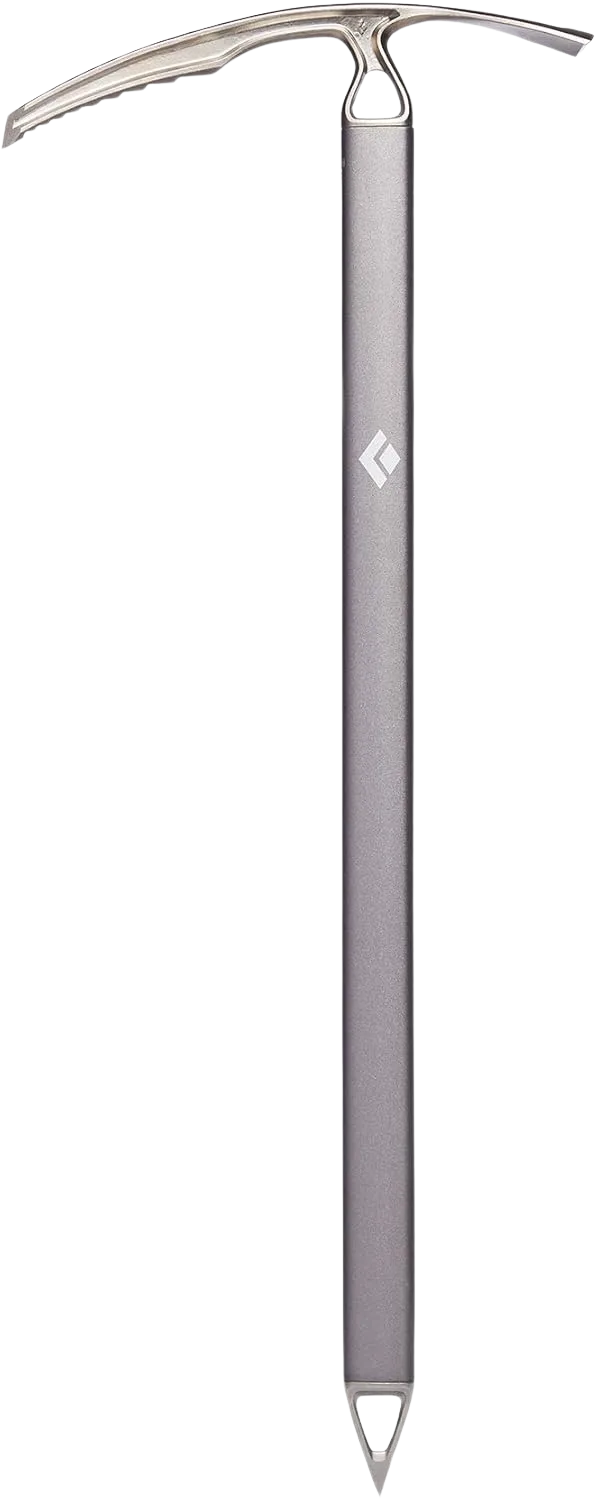
If you’re buying for a quiver of peaks rather than one climb, a slightly lighter alloy axe like the Grivel Air Tech Evo is a reasonable upgrade. For a single Shasta summit, the Raven is plenty.
The helmet, satellite communicator, and the rest
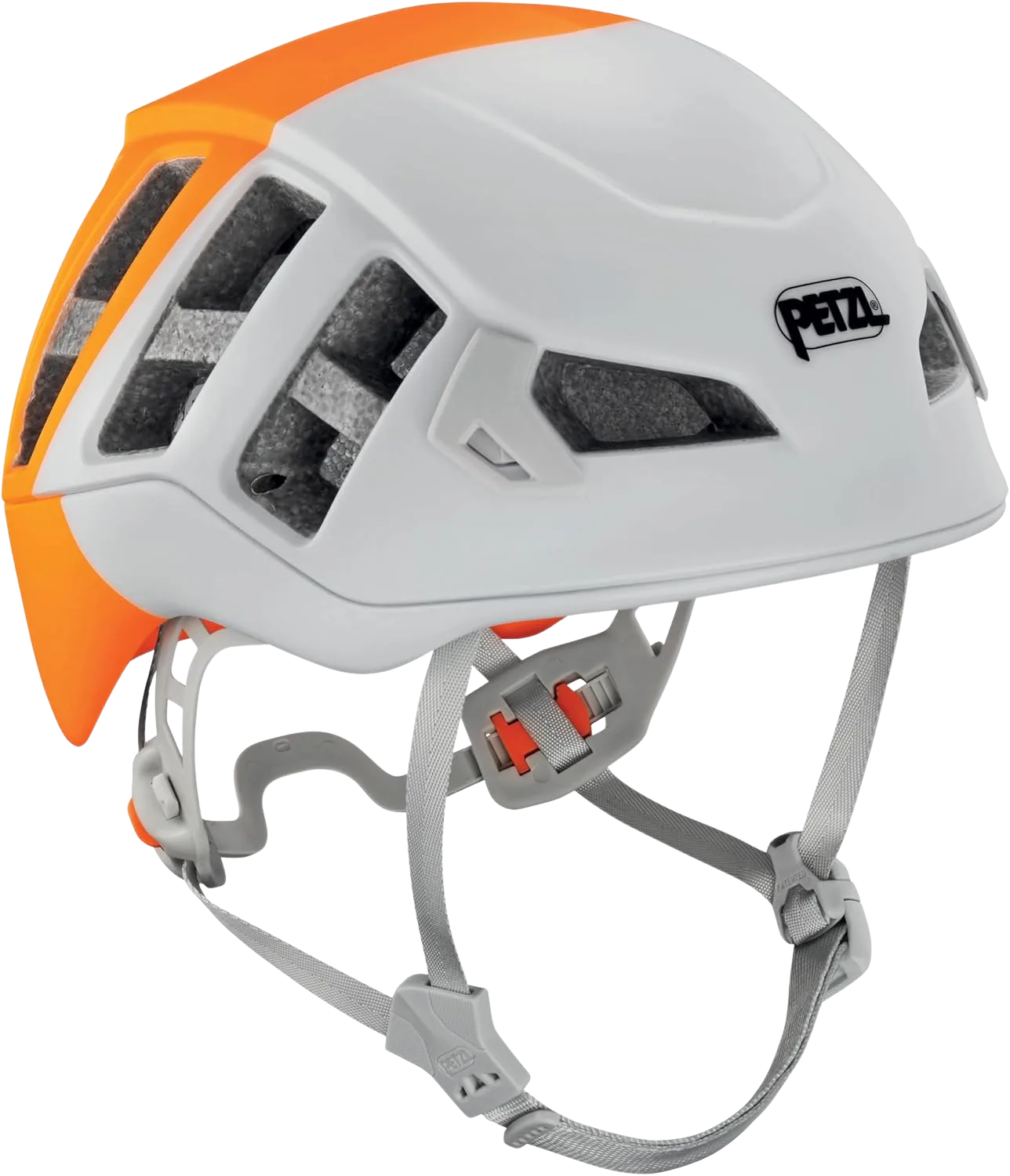
The helmet on Shasta isn’t for falling, it’s for the rock coming down at you from the Red Banks, so it has to be light enough that you’ll actually keep it on for the whole climb. A heavy helmet you take off to cool down protects nothing.
The rest of the kit rounds out a safe, comfortable day. You climb the first four to six hours in the dark on a 1 a.m. start, so a reliable headlamp like the Black Diamond Spot 400 is non-optional, not a nice-to-have. All that reflective snow at 14,000 feet is a sunburn for your eyeballs, so category-4 Julbo Camino glacier glasses keep snow-blindness off the table. Full-height gaiters like the Outdoor Research Crocodile (men’s · women’s) keep snow out of your boots on the slog and during glissade descents, and one warm, blister-resistant merino sock like the Darn Tough Hiker (men’s · women’s) handles the long day. Folding Black Diamond Distance Z trekking poles save your knees on the descent and stow on your pack when the slope steepens and the axe takes over. Layer with merino base layers, a hardshell, and an insulated puffy, and you’ve covered the temperature swings without overpacking.
So what should you actually rent versus buy? The expensive, climb-specific hardware is the rental sweet spot: boots, crampons, and an axe cost real money, you may never use them again, and a one-time climber gets the whole set at The Fifth Season for a fraction of buying new. The personal items are the ones worth owning, because they pull double duty on other trips and because fit matters: your base layers, socks, glacier glasses, headlamp, and a satellite communicator if you spend real time in the backcountry. Reserve the rental kit at least 72 hours out, especially on summer weekends when the shop runs low, and pick it up after 1 p.m. the day before so you’re not scrambling on climb morning.
Camps and Water on the Mountain
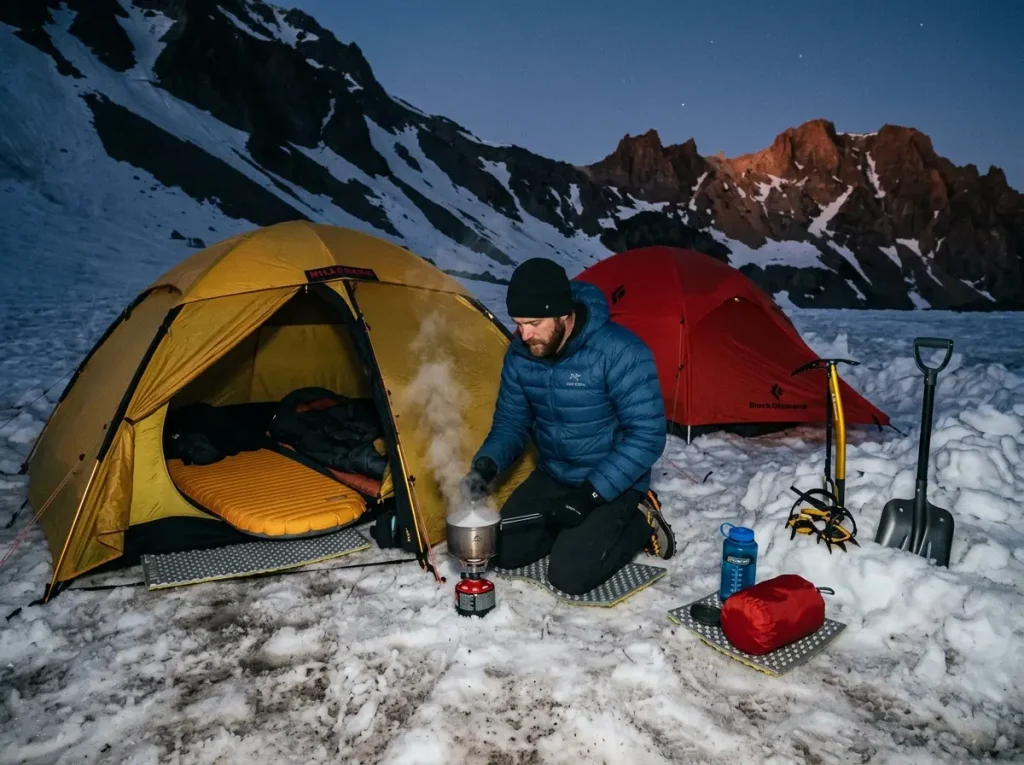
A two-day climb means you’re sleeping on the mountain, and where you camp shapes how hard your summit day feels. The math is simple: the higher you sleep, the less you climb in the dark, but the colder and more exposed your night gets. For most people, one camp is the sweet spot.
Horse Camp vs Helen Lake (where to base)
Horse Camp at 7,900 feet is the lower option, with the Sierra Club’s Shasta Alpine Lodge, a caretaker in season, and a dependable spring, but camping there leaves you 6,300 feet to climb on summit day. Helen Lake at 10,400 feet is the standard high camp because it splits the climb cleanly: a manageable carry up day one, then a 3,800-foot summit push on day two. Most parties choose Helen Lake for exactly that reason, trading a colder, more exposed night for a much shorter summit day. Pitch your tent on an existing snow platform, build a low wind wall if the forecast is breezy, and mark your tent with a wand so you can find it in the dark on the descent.
Water and snowmelt (don’t count on running water up high)
The spring at Horse Camp is reliable, but above it you’re melting snow, full stop. Bring a stove and enough fuel to melt water for the evening, the morning, and what you’ll carry on summit day, which is more fuel than first-timers expect. Melt from clean snow away from camp traffic, and remember the wag-bag rule is what keeps that snow clean in the first place.
Sleeping warm on snow
Sleeping directly on snow pulls heat out of you all night, and a thin three-season pad won’t cut it at Helen Lake. You want an insulated pad with real R-value so the cold doesn’t seep up through your bag.
Boil extra water at night and pour it into your hard bottle, then sleep with it in your bag. You get warmth for the cold hours and unfrozen, ready-to-drink water for the alpine start instead of fighting a slushy bottle at 1 a.m.
A four-season-friendly insulated pad like the Therm-a-Rest NeoAir XLite NXT keeps the snow chill off your back without weighing down the carry. Pair it with a warm bag and you’ll actually sleep before the alarm goes off.
Hazards and How to Read the Live Advisory
The hazards on Shasta aren’t mysterious, and they aren’t random. They follow the sun and the season in patterns you can learn to read, which is exactly why the most useful safety skill isn’t a technique, it’s the habit of checking live conditions before you commit instead of trusting a guide that was written three years ago.
Rockfall from Red Banks (the number one objective hazard)
The biggest objective hazard on Avalanche Gulch is rockfall off the Red Banks around 12,800 feet. The mechanism is gravity plus sun: as the rock warms through the day, it lets go, and it tumbles straight down onto the route below where everyone is climbing. This is why the morning timing isn’t just about snow softness, it’s about being below the Red Banks before they wake up. Keep your spacing, keep your helmet on, and keep your head up through that zone, because the helmet only helps if you see the rock coming and can move.
The pattern is predictable enough to plan around. Rockfall off the Red Banks is worst on warm afternoons and on sun-baked rock, and it’s quietest in the cold pre-dawn hours when everything is still locked in place. That’s another reason the alpine start isn’t only about snow texture: it gets you up through the Red Banks while the rock is still frozen and back below them before the afternoon thaw turns the gully into a shooting gallery. If you do see or hear rock coming, watch it rather than bolting blindly, because most of it tracks down the fall line of the gully, and a single step left or right at the right moment does more for you than panic ever will.
Avalanche, weather, and altitude
Early in the season the open slope is avalanche terrain, which is why the firm mid-summer window is the sweet spot. Bergschrund and thin snow bridges can open up as the season melts out, though the standard route has no real crevasse navigation, unlike the glacier lines on the mountain’s north side. Weather can swing from calm to whiteout in an hour on a peak this size, and at 14,000 feet the altitude saps your legs and judgment whether you’ve had time to acclimatize or not. None of these are exotic, and the objective hazards every alpine climber learns to weigh are the same ones in play here, just stacked on one big snow slope.
Reading the live advisory before you commit
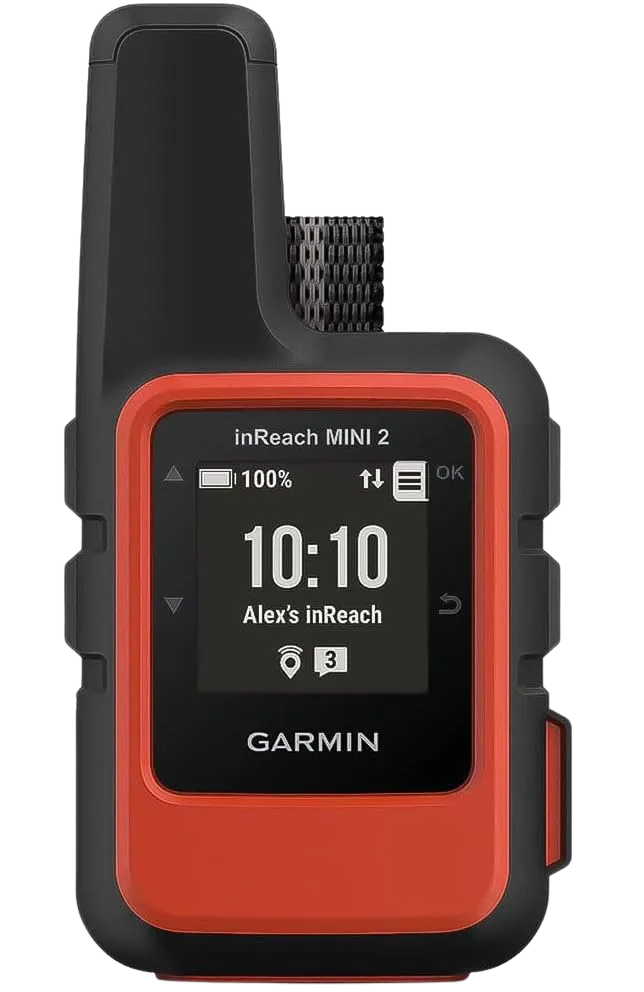
Here’s the habit that matters most: the Mount Shasta Avalanche Center posts a climbing advisory and an observations page, and you should read it yourself rather than taking any guide’s word, including this one, for what the mountain is doing this week. Check the Mount Shasta Avalanche Center’s live climbing advisory for current rockfall and snow conditions before you lock in a date. And because there’s no cell service on the mountain, a two-way satellite communicator is your only real link to help if a whiteout or a rockfall injury turns your day into a rescue.
Can You Climb It Right Now? Reading Conditions and the Route Pivot
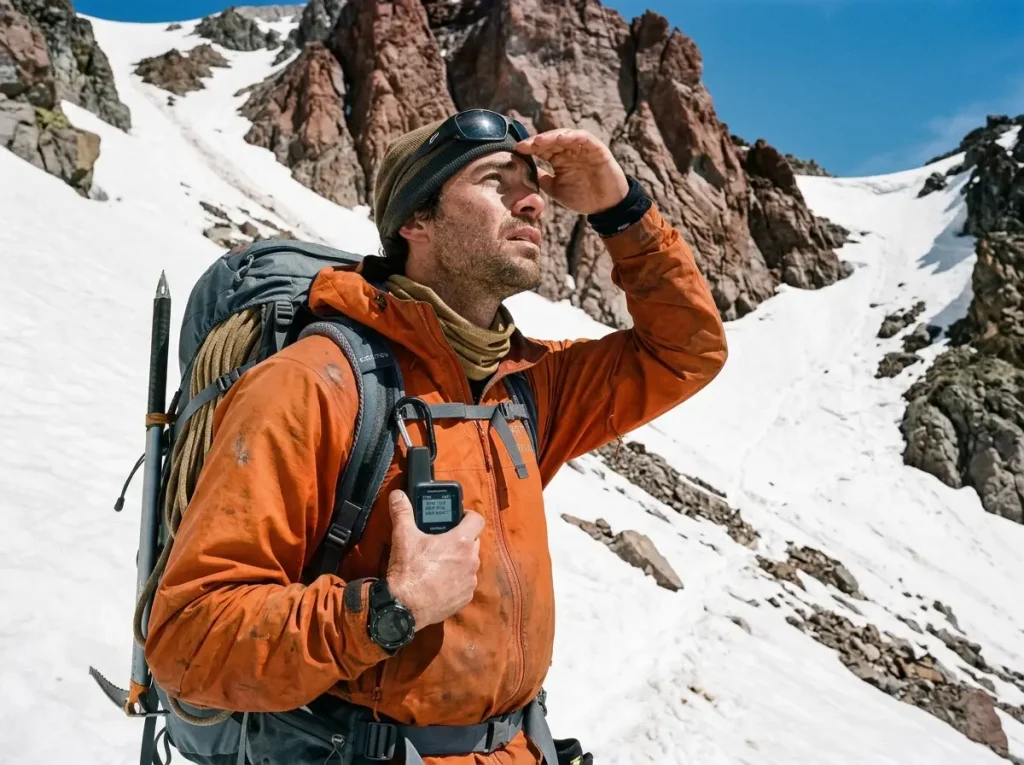
All the data in the world is useless until you turn it into a go, pivot, or bail decision, so let’s make this concrete. The honest version of “can you climb Shasta right now” changes week to week, and the climbers who do this well treat every trip as a fresh call rather than assuming last month’s conditions still hold.
The live go/no-go call (what to check this week)
As of the most recent advisory window, the Avalanche Center has been flagging elevated rockfall on Avalanche Gulch, and there’s a report of a climber taking a roughly 1,500-foot fall on the route. That’s exactly the kind of live detail that should move your plans, and it’s exactly what an evergreen guide can’t tell you. Your go/no-go heuristic is straightforward: firm overnight snow, a clear forecast, an early start, and a reliable self-arrest mean go; warm temps, a late start, loose afternoon conditions, or an active rockfall advisory mean you pivot or stand down. Running that call through a simple risk-assessment matrix keeps ego out of the decision.
When to pivot off Avalanche Gulch (West Face, Casaval, earlier season)
When the gulch is actively shedding rock, the smart move isn’t to force it in the heat, it’s to pivot. Colder, earlier-season conditions change the calculus, and other lines off the same Bunny Flat approach, like the West Face or Casaval Ridge in the right conditions, can be better choices when Avalanche Gulch is baking. The summer trail from Bunny Flat through Horse Camp serves Avalanche Gulch, Casaval Ridge, and the West Face, so a pivot doesn’t always mean a whole new trailhead. The tradeoff is that those lines aren’t beginner terrain the way the gulch is: the West Face is a longer, more committing snow climb, and Casaval Ridge asks for real route-finding and steeper steps. Pivoting usually means climbing earlier in the day, climbing earlier in the season, or stepping up your skill level, and sometimes the honest pivot is simply waiting for a better week. It’s the same warm-afternoon rockfall calculus that catches climbers on Mount Hood, another Cascade volcano where the standard route can turn hazardous in the heat.
Beating summit fever (the bail decision)
The hardest skill on this whole mountain isn’t cramponing or self-arrest, it’s turning around. Summit fever is real, and it’s strongest right when you’re tired, close to the top, and behind schedule, which is exactly when bailing matters most. Set your turnaround time the night before, say it out loud to your partner, and honor it. A mountain you bail off in good order is a mountain you get to come back and finish. A summit you grab two hours late is the one that hurts you on the way down.
Guide vs Self-Guided, The Self-Arrest Skill Gate
So, back to the title question. Do you need a guide for Mount Shasta? Maybe not, but the answer hinges on one honest self-assessment, and it has nothing to do with how fit you are or how many gym sessions you’ve logged. It comes down to a single skill.
The self-arrest gate (the one skill that decides)
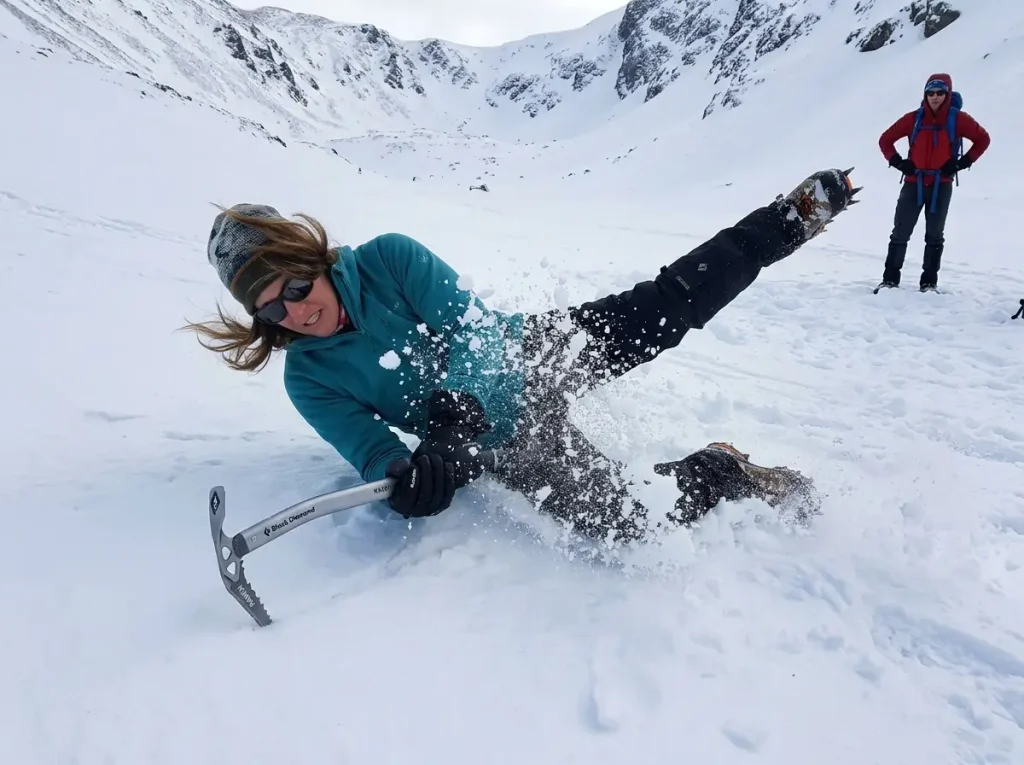
Here’s the gate, plainly: if you cannot reliably stop yourself with an ice axe from all four fall positions on a 30-to-35-degree slope, you are not ready to climb Avalanche Gulch unguided. Self-arrest is the skill that stands between a slip and a long slide on firm snow, and it has to be automatic, not something you half-remember from a video. Practicing it on a low-consequence slope with a safe run-out is the precondition for the climb, not part of the climb itself. The Mount Shasta Avalanche Center’s own demonstration is the best place to see exactly what “reliable” looks like.
Drilling the four-step ice-axe self-arrest until it’s automatic is the single highest-value thing you can do before this climb, more than any fitness plan.
The reason it has to cover all four positions is that you don’t get to pick how you fall. You might slide feet-first on your back, head-first on your back, feet-first on your stomach, or the ugly one, head-first on your stomach with the axe out ahead of you. Each starts differently, and each has to finish the same way: roll toward the pick, get your chest over the shaft, drive the pick in, and lift your feet so your crampon points don’t catch the snow and flip you. If the only version you’ve ever practiced is the easy feet-first-on-your-back slide, you’ve rehearsed the fall you’re least likely to actually take.
Test yourself honestly on the practice slope: roll into a head-first, on-your-back fall on purpose and see if you can flip and stop without thinking. If you have to talk yourself through the steps, you’re not at the gate yet, and that’s a hire-a-guide answer, not a failure.
What hiring a guide actually buys you
A guide isn’t a luxury for everyone who hires one. What you’re really paying for is judgment on conditions, the discipline to enforce a turnaround time when you don’t want to, and rescue capacity if something goes wrong, all of which are exactly the things a first-timer is worst at. Shasta Mountain Guides and International Alpine Guides both run the standard route, and for a lot of people a guided first ascent of a big snow peak is money well spent. There’s no ego cost to it.
Choosing self-guided responsibly
Going self-guided is completely legitimate if you clear the skill gate and you’ve got the conditions sense to make the go/no-go call yourself. That means you can self-arrest cold, you can read the advisory and the weather, and you can hold a turnaround time without summit fever overriding you. It’s the same honest skill-versus-objective call any experienced climber makes before committing to a big peak, just on snow instead of rock. If you can answer those honestly and the answers are yes, you don’t need a guide. If any of them is a maybe, the smart, experienced move is to hire one for this round and learn.
Conclusion
Mount Shasta rewards patience over bravado, and the three things that matter most are simple to say and hard to honor. Time the snow: start in the dark, climb on firm morning snow, and turn around on schedule before the slush and the rockfall wake up. Rent the trust-your-life kit in town if this is a one-time climb, because there’s no sense dropping a fortune on boots, crampons, and an axe you can borrow three blocks from the trailhead. And clear the self-arrest gate or hire a guide, with zero ego about which side of that line you’re on.
Before you commit to a date, pull up the Mount Shasta Avalanche Center advisory, check what the mountain is actually doing this week, and pick your window instead of forcing the heat. Do that, and Avalanche Gulch becomes exactly what it should be: a big, honest, beautiful snow climb that a prepared person can summit on their own terms.
Frequently Asked Questions
01How hard is it to climb Mount Shasta, and do you need experience?
Avalanche Gulch is non-technical but physically demanding, with about 7,300 feet of snow climbing, and the key skill you need is reliable ice-axe self-arrest. You don’t need rock-climbing experience, but you do need snow-travel fitness and the ability to stop a fall.
02What is the best time of year to climb Mount Shasta?
Mid-May to mid-July is the prime window, when the snowpack is firm and continuous and the weather is most stable. Go earlier and you face avalanche risk; go later and the lower route melts to loose scree with rising rockfall.
03Do you need a permit to climb Mount Shasta?
Yes. You need a free, self-issued wilderness permit, plus a $25 summit pass for travel above 10,000 feet. There’s no quota or reservation, so you self-issue both at the Bunny Flat trailhead, and a wag bag is mandatory.
04How long does it take to climb Mount Shasta?
Most climbers do it in two days, carrying to a high camp at Helen Lake on day one and making an alpine-start summit push on day two. Very fit parties climb it in a single long day, but the two-day plan is far more common and forgiving.
05Can you climb Mount Shasta without a guide?
Yes, many people climb it self-guided, but only if you can reliably self-arrest and read changing conditions. If you can’t stop a fall on firm 35-degree snow without thinking, hire a guide for this climb and learn the skill first.
Safety Notice: Rock climbing and mountaineering are inherently high-risk
activities that can involve physical trauma or fatal incidents. The information on Rock Climbing Realms is for
educational and informational purposes only. Techniques and advice presented here are not a substitute
for professional, hands-on instruction. Conditions and risks vary by location. Always seek guidance
from a qualified instructor before attempting new techniques. By using this website, you agree that you
are solely responsible for your own safety. Any reliance you place on this information is strictly
at your own risk, and you assume all liability for your actions. Rock Climbing Realms and its authors
will not be held liable for any harm, damage, or loss sustained in connection with the use of this information.
Affiliate Disclosure: We are a participant in the Amazon Services LLC Associates Program, an
affiliate advertising program designed to provide a means for us to earn advertising fees by advertising and linking
to Amazon.com. As an Amazon Associate, we earn from qualifying purchases. We are also an official affiliate partner
of Black Diamond Equipment via the AvantLink network. If you click on a Black Diamond affiliate link and make a
purchase, we may earn a commission at no additional cost to you. We also participate in other affiliate programs.
Additional terms are found in the terms of service.