
In this article
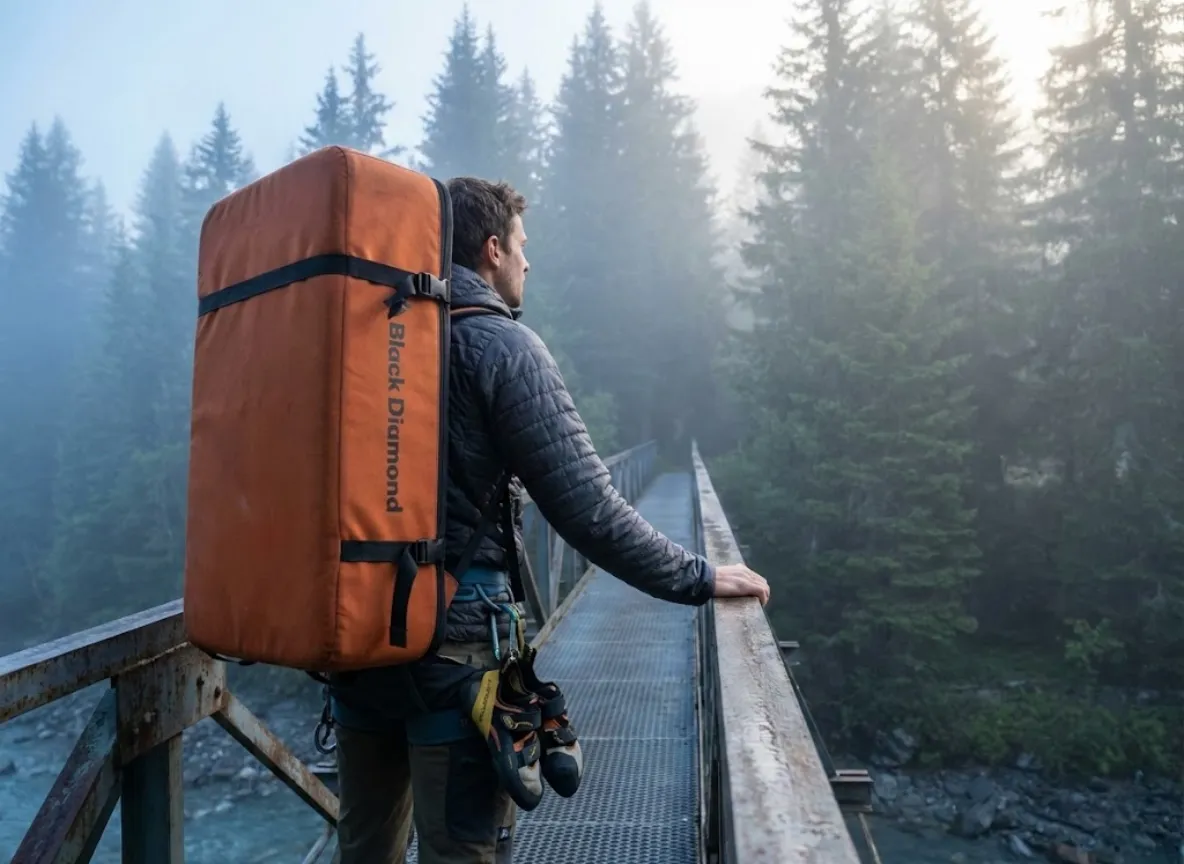
The fog still clung to the Avers Valley as I hauled my fifth crash pad across the steel footbridge, the Avers Rhine roaring below like a warning. Somewhere in that dense spruce forest ahead lay over 1,400 boulder problems—and the alpine gneiss crystals that would shred my fingertips within three days if I hadn’t prepared properly. This wasn’t a vacation. This was an expedition to one of the world’s most concentrated bouldering destinations, and everything—my skin conditioning, my sector timing, my logistics—had to be dialed.
After six trips to this Swiss bouldering mecca, I’ve seen climbers arrive unprepared and leave with torn tips, parking fines, and a list of projects they never touched. I’ve also watched the ones who came with a plan crush problems they’d been training for all year. The difference? Execution. This guide gives you the complete tactical playbook for planning a Magic Wood bouldering trip that ends in sends, not regrets.
⚡ Quick Answer: Magic Wood requires serious pre-trip preparation: condition your skin 4 weeks out using Rhino Skin products, plan your arrival through Zurich (public transport) or Milan (rental car), budget CHF 17-25/night at Bodhi Camping, and check FOEN river data daily before sessions. The best season is May-June and September-October when temperatures stay below 20°C for optimal friction on the sharp gneiss.
Decoding Magic Wood: Geography, Geology, and What Makes It Different
The Avers Valley Environment: Where the Forest Earns Its Name
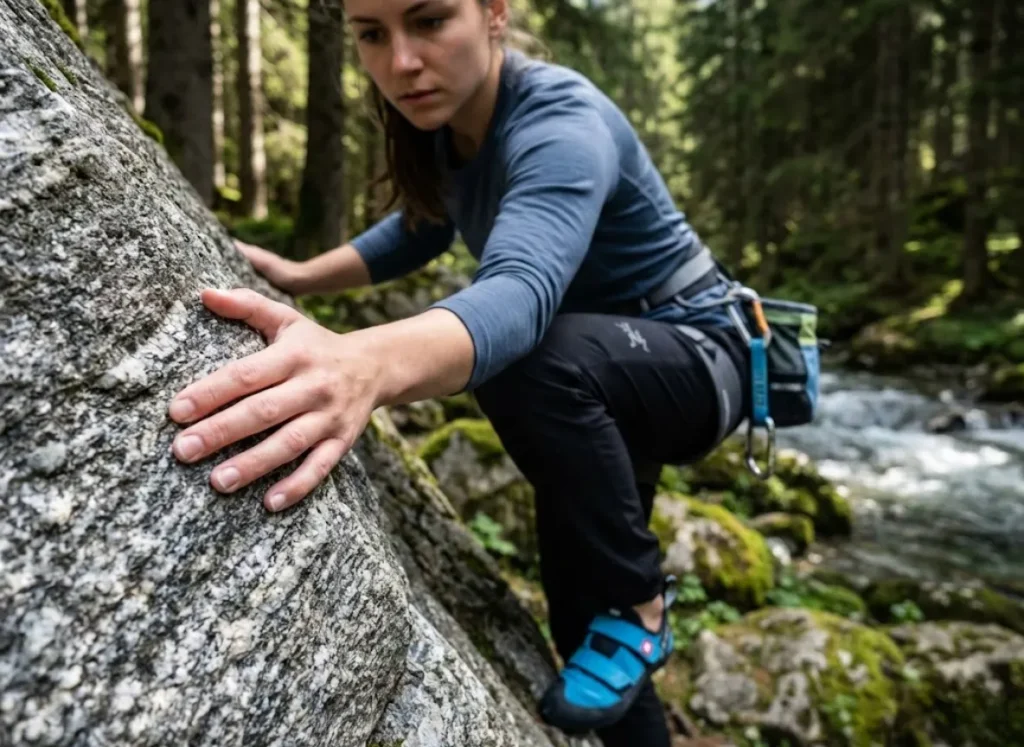
Magic Wood sits at approximately 1,250 meters altitude in Graubünden, Switzerland, where the narrow valley walls create a microclimate of perpetual twilight beneath the spruce canopy. The boulder field itself is the remnant of a prehistoric rockfall—not orderly slabs, but a chaotic three-dimensional maze of caves, overhangs, suspended blocks, and moss-covered talus.
The Avers Rhine river bisects the climbing area, creating sectors with dramatically different conditions. Its glacial-fed, hydroelectric-controlled flow affects everything from access to drying times. One moment the stepping stones to Beach sector are dry; hours later, a dam release upstream can submerge them completely.
Navigation here requires constant vigilance. The paths between sectors are loose trails over shifting rocks where a misstep can roll an ankle before you’ve even touched the rock. If you’ve climbed at other world-class bouldering destinations that demand specific preparation, Magic Wood operates on a different level of logistical intensity.
Pro tip: Pick one sector per day. Moving pads from Beach to Haupt 1 burns as much energy as a gym session—save that effort for actual climbing.
Alpine Gneiss: The Rock That Demands Respect
The rock here is frequently misidentified as granite. It’s actually high-grade metamorphic gneiss, formed by intense heat and pressure deep in the earth’s crust. This distinction matters because it defines everything about the climbing style and skin management.
The metamorphic process creates foliation—a planar arrangement of mineral grains that produces razor-sharp edges, incut crimps, and directional holds. You’ll find sidepulls, gastons, and underclings everywhere. The climbing rewards body tension and shoulder power rather than pure finger strength.
Texture varies dramatically by sector. Upper forest blocks feature sharp crystals that bite into your tips. Riverbed sectors like Beach and Bach show water-polished holds from millennia of erosion—classic problems like Grit de Luxe (7B) have footholds that feel like glass after thousands of ascents.
The Conditions Game: When Humidity Wins and Loses
Temperature directly impacts your session quality. Below 15°C, skin stays hard and friction conditions peak. Above 20°C, soft skin tears faster, rubber shears on polished footholds, and holds feel greasy from sweat. The difference between sending your project and sliding off the crux often comes down to picking the right day—or the right hour.
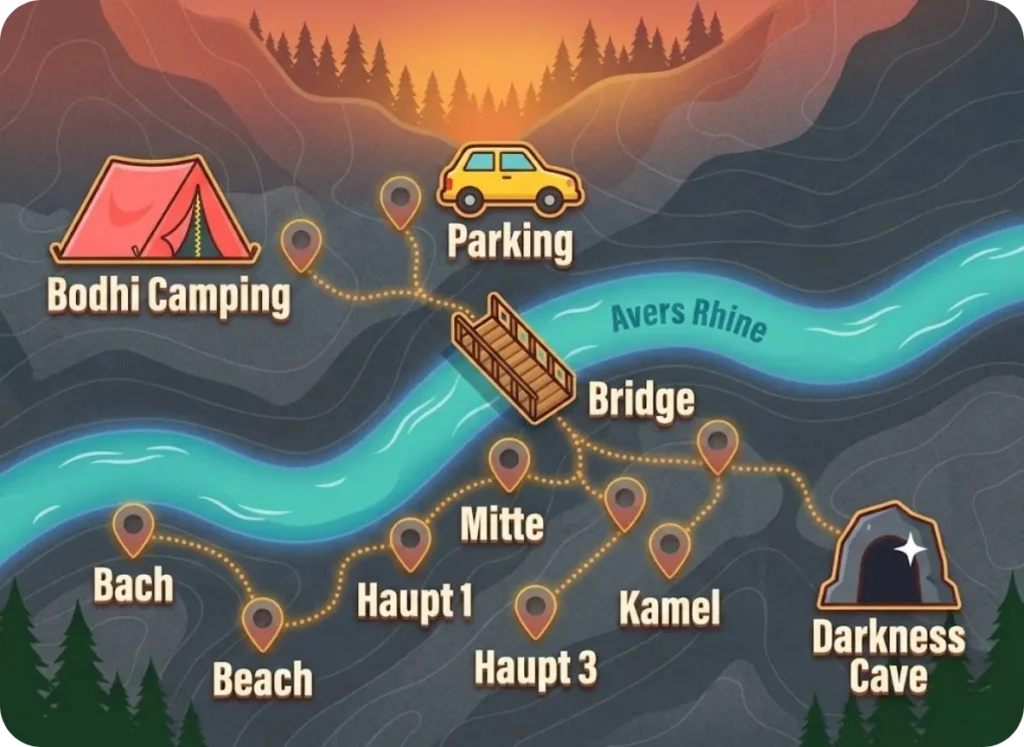
Forest sectors (Mitte, Haupt) trap moisture under the canopy; expect 24-72 hour dry times after rain. Riverbed sectors (Beach, Bach) dry faster due to sun exposure but require checking water levels first. For accurate weather forecasting, MeteoSwiss provides hyperlocal alpine predictions. The infamous Darkness Cave, home to elite testpieces like In Search of Time Lost (8C), seeps for days and often requires battery fans to dry the holds.
The 8-Week Countdown: Physical and Skin Preparation
Weeks 8-5: Building the Strength Foundation
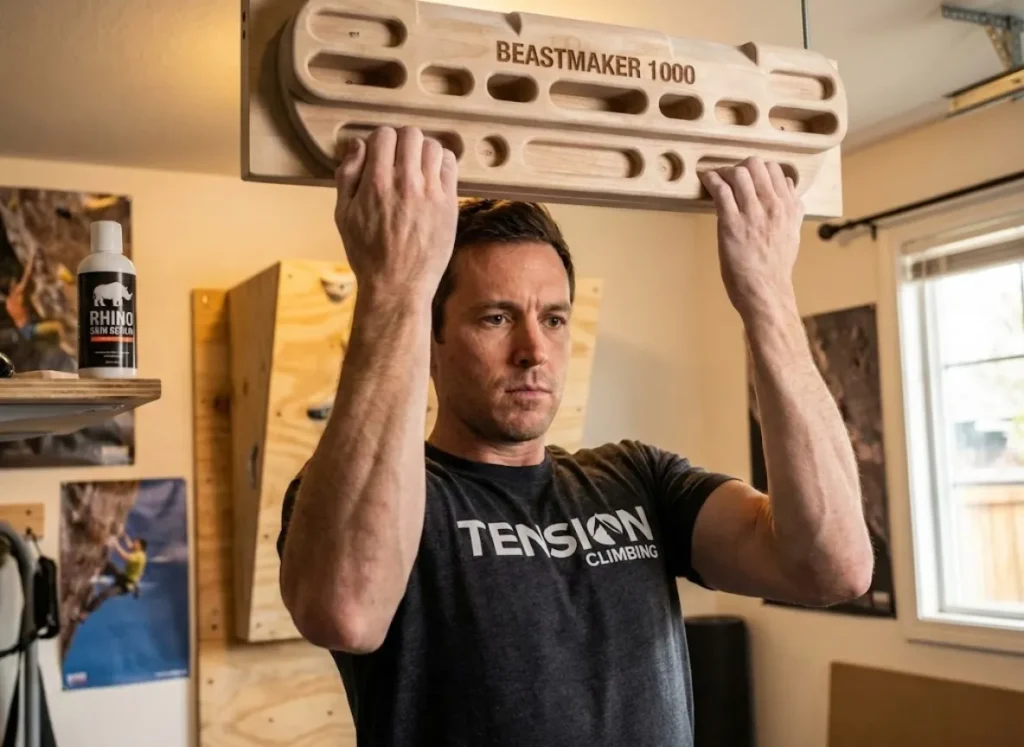
Magic Wood is a crimp paradise. Unlike Fontainebleau’s open-hand slopers, you’ll encounter small, sharp edges on 45-60 degree overhangs that punish weak fingers and reward climbers who’ve trained specifically for this athletic style.
Prioritize half-crimp grip hangs on 15-20mm edges—10-second hangs at 90% max effort build the contact strength you need. The steep terrain demands posterior chain work too: weighted deadlifts, front lever progressions, and suspended core exercises prepare your body for the compression moves that dominate many testpieces.
MoonBoard or Kilter Board sessions replicate the steep, single-move intensity you’ll face. Focus on wide moves and maintaining tension through the core. If you’re running structured finger training protocols, now is the time to peak that training block.
Weeks 4-3: Skin Conditioning Protocol (The Rhino Method)
Here’s where most climbers fail before they even arrive. The gneiss crystals don’t just wear skin—they cut and tear it. Damp, soft fingertips will be destroyed by Day 3.
Begin applying Rhino Performance or Tip Juice (Methenamine-based products) 3-4 weeks before departure. Methenamine acts as an antiperspirant, reducing sweating and creating harder, more durable skin that resists the gouging effect of sharp crystals.
Continue light climbing to maintain calluses while avoiding fresh injuries that won’t heal before the trip. Test Methenamine products before committing—some climbers experience sensitivity.
Pro tip: Start the skin management protocol earlier rather than later. You can’t rush this process, and arriving with soft tips is the fastest way to end your trip early.
Weeks 2-1: Power Endurance and Taper
The final phase focuses on power endurance—4×4 intervals on steep terrain build the anaerobic capacity for longer roof problems requiring 10-15 moves of sustained effort. Reduce total climbing volume by 40-50% in the final week. Arrive fresh, not fatigued.
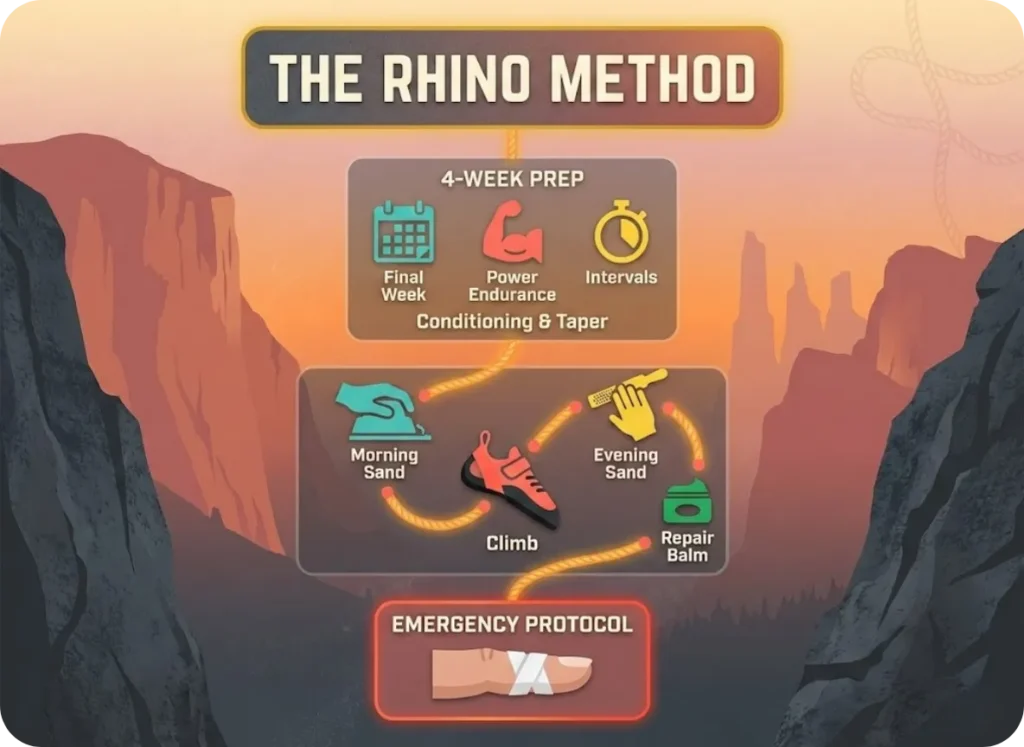
Pack sanding tools and Rhino Repair balm. Daily skin maintenance begins immediately upon arrival. Review beta videos for your target problems on YouTube and visualize sequences before you touch the rock.
Logistics Decoded: Getting There Without the Headaches
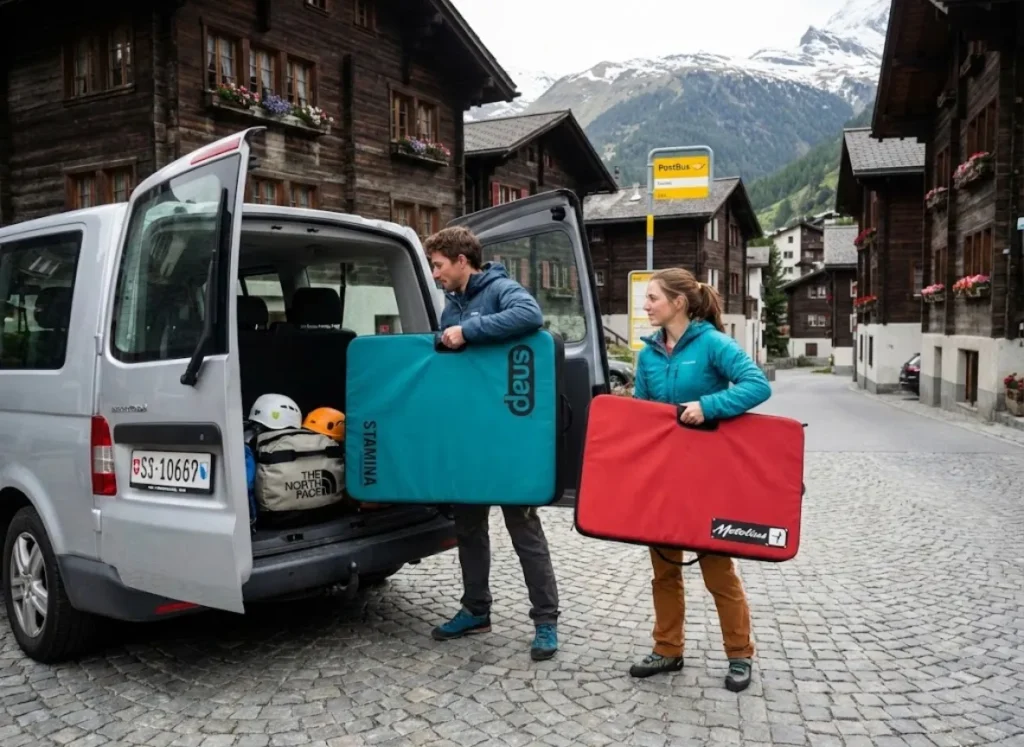
Zurich vs. Milan: Choosing Your Entry Point
Two airports serve Magic Wood, and your choice depends on whether you’re renting a car or using public transport.
Zurich (ZRH): 170km, approximately 2 hours by car. The clear winner for public transport—seamless integration with Swiss Federal Railways (SBB) and PostBus. Higher flight and car rental costs, but logistically cleaner.
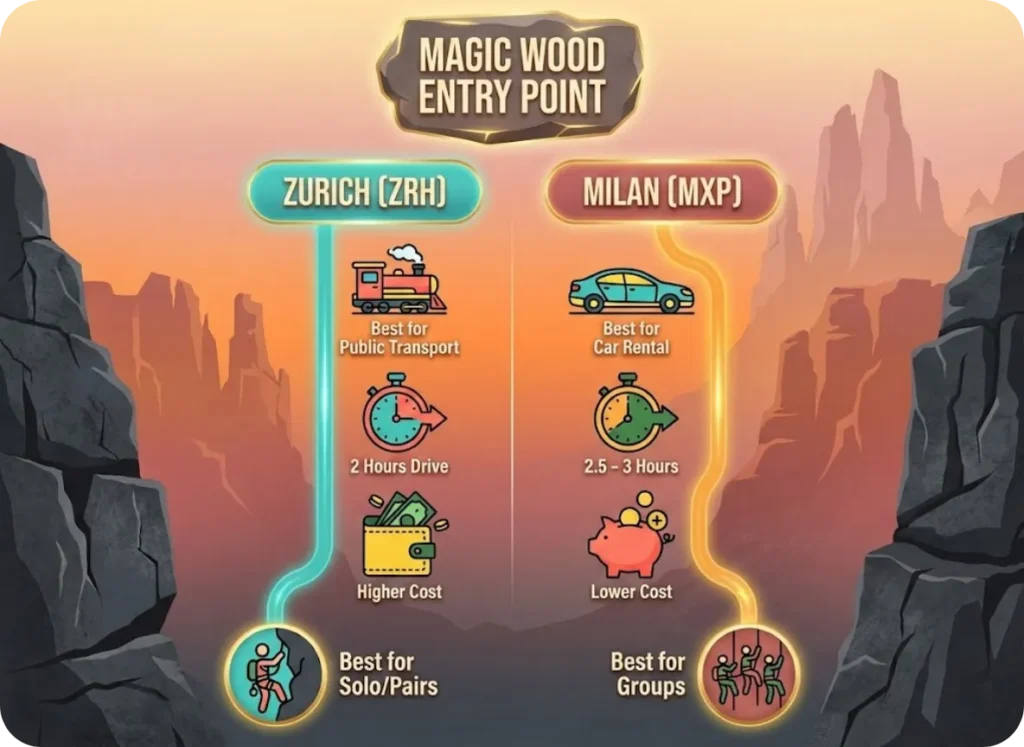
Milan (MXP): 180km, 2.5-3 hours by car. Significantly cheaper flights and car rentals, but requires navigating the Italian-Swiss border crossing and San Bernardino Tunnel. Difficult for public transport users due to slow cross-border train connections.
For groups of three or more splitting costs, a rental car from Milan often beats aggregated train tickets. Solo travelers or pairs benefit from the Zurich public transport option.
The Car-Free Option: Swiss Public Transport
Switzerland’s public transport makes a car-free trip genuinely viable—rare for any bouldering destination.
The route breaks into three legs: Zurich HB to Chur via InterCity train (1 hour 15 minutes), Chur to Andeer via PostBus Route 171 (40-50 minutes), and Andeer to Ausserferrera via Alpine PostBus. The stop “Ausserferrera, Post” places you five minutes from Bodhi Camping.
Full fare runs up to CHF 40 one way. The Saver Day Pass or Half Fare Card cuts this significantly. Major advantages: no parking stress, no CHF 100 fines, no vehicle responsibility. You’ll need to understand what gear you’ll need before arriving since hauling pads from public transport requires efficiency.
The Parking Reality: Fines, Fees, and Enforcement
Wild parking is not tolerated. The era of leaving vans in laybys for a week is over.
Official parking at Bodhi Camping or municipal lots costs CHF 10.00 per day. Parking in unassigned spaces, passing bays, or private land results in a CHF 100.00 fine—strictly enforced. The valley’s geography offers no hidden spots; the single road is highly visible to regular patrols.
During peak season overflow, climbers are directed to distant lots. Sleeping in vehicles is prohibited unless explicitly designated as a “Park and Sleep” zone.
Accommodation Strategy: Bodhi, Guesthouses, and the Wild Camping Warning
Bodhi Camping: The Social Hub (2025 Pricing)
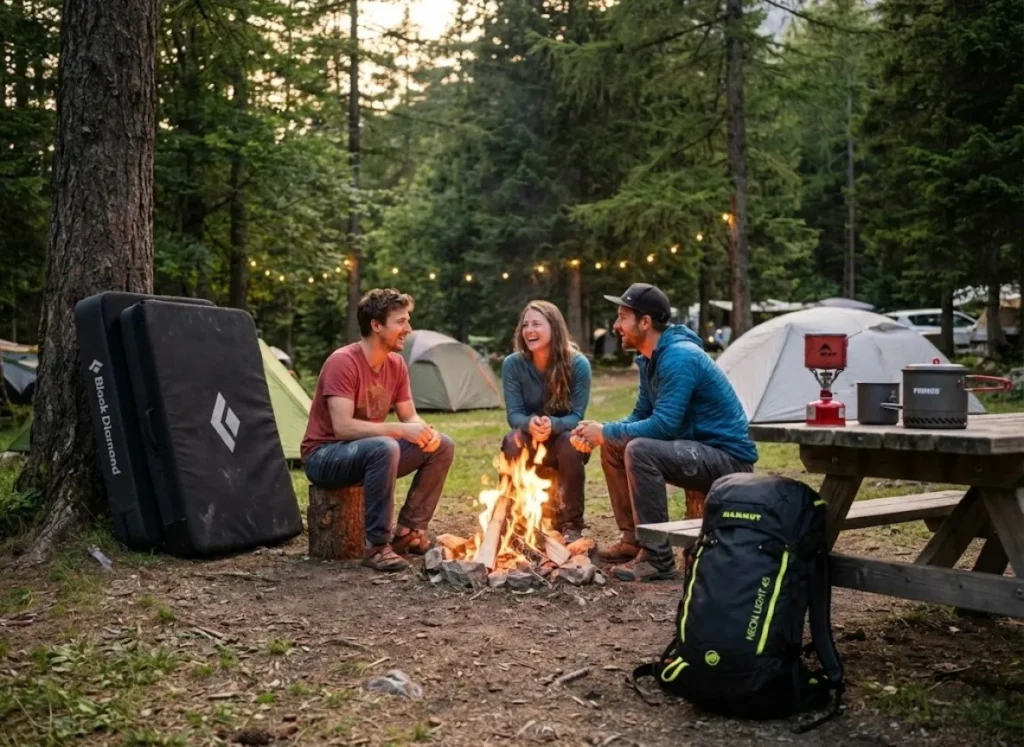
Bodhi Camping is more than a place to sleep—it’s the nerve center of the Magic Wood experience. Located just outside Ausserferrera, it offers direct access to the approach bridge and a built-in community of international climbers sharing beta around firepits.
Current 2025 pricing: small tent (under 3 people) starts at CHF 17.50 plus CHF 11.50 per extra person. Sleep-in-car/van (under 4.5m) runs the same. Larger campers or buses pay CHF 23.50 base. Add mandatory daily parking (CHF 10), tourist tax (CHF 1/person/night), and coin-operated showers (CHF 1 for 4 minutes).
No reservations—first-come, first-served. During peak season (July/August), arrive mid-week or early morning for a prime spot. Noise discipline after 22:00 is expected and enforced.
Pro tip: If you’re traveling solo, connect with other climbers at the firepit on your first night. Pad sharing isn’t just social—it’s essential for the sketchy landing zones.
Gasthaus Edelweiss: The Comfort Option
For climbers seeking a bed, hot meals, and Wi-Fi, Gasthaus Edelweiss is the primary option. Single rooms start around CHF 116/night; doubles run CHF 160+ depending on season.
The restaurant serves Swiss and German alpine fare—Wienerschnitzel, pizza, local game. Book ahead for weekends and peak season. It also functions as a rainy-day sanctuary for campers escaping damp tents.
The Wild Camping Prohibition: This Is Not Optional
Make no mistake: wild camping is illegal in the municipality of Ferrera and the canton of Graubünden. Police perform regular sweeps, and locals know every pullout in this small valley.
Fines start at CHF 100+ and escalate if environmental damage is assessed. Historically, closure threats have occurred due to human waste and trash from illegal campers. Adhering to the rules isn’t just legal compliance—it’s essential for access to Magic Wood in the future.
When selecting gear that survives extended trips, consider crash pads built for durability since you’ll haul them daily through rough terrain.
The Trip Budget: Two Scenarios for 7 Days
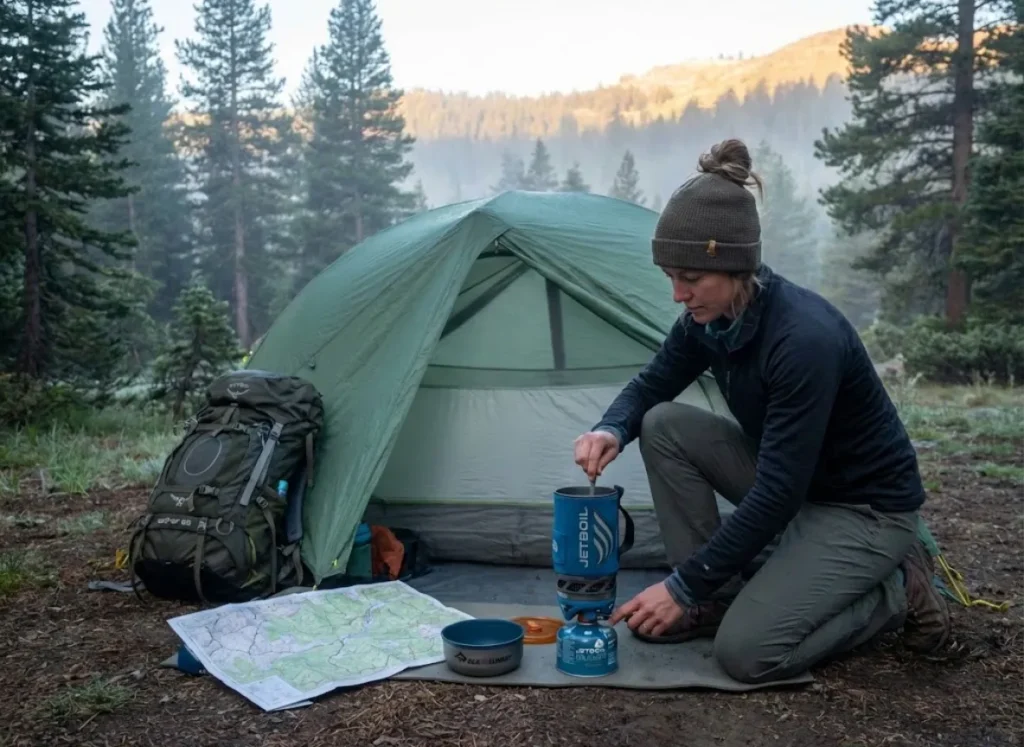
Scenario A: The Dirtbag Approach (~CHF 305/person)
It’s absolutely possible to climb Magic Wood on a tight budget. Seven nights camping with a shared car or tent setup plus tourist tax runs approximately CHF 130. Split parking two ways and you’re at CHF 35. Cook on a camp stove with groceries from Volg or Aldi for about CHF 140.
The total—roughly CHF 305 per person—is achievable with discipline and meal prep. Switzerland’s camping infrastructure enables budget travel despite the country’s reputation for expense.
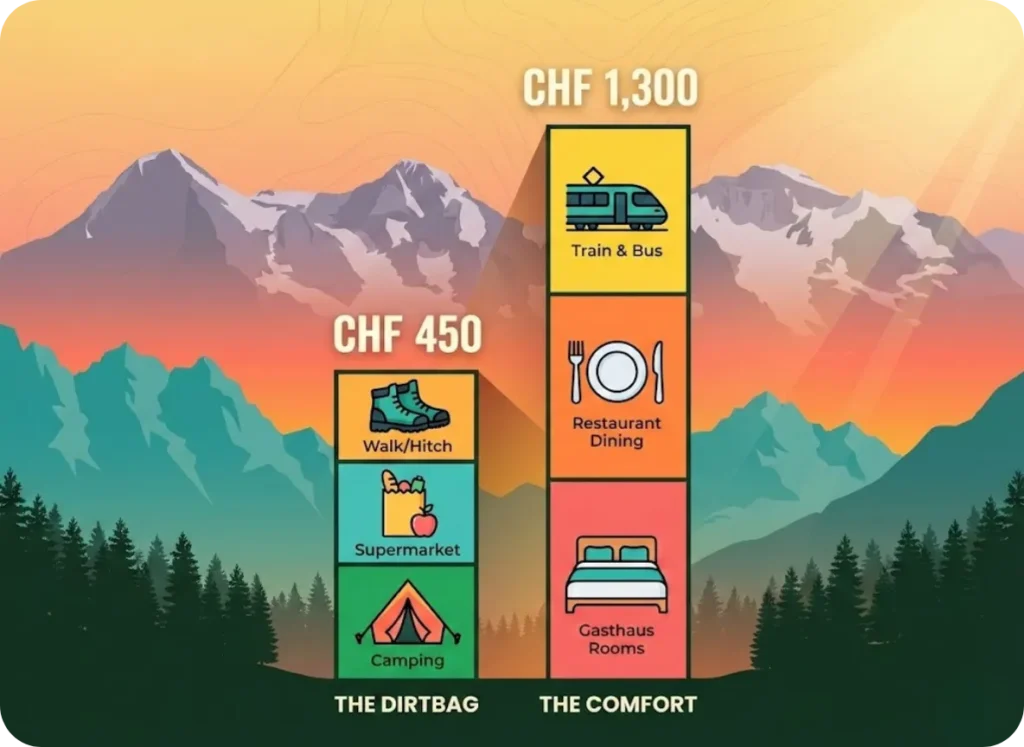
Scenario B: The Comfort Approach (~CHF 1,300/person)
The other end of the spectrum involves Gasthaus rooms (CHF 850 for the week), bakery lunches and restaurant dinners (CHF 350), plus train/bus transport (CHF 100).
The price disparity between these accommodation tiers is massive—Switzerland is expensive for services but surprisingly manageable if you commit to the supermarket-and-camping model. Italian supermarkets near Chiavenna offer 20-30% savings on groceries if you make the drive.
Sector Navigation: Planning Your Sessions Strategically
River Sectors (Bach, Beach): Sun, Polish, and Water Levels
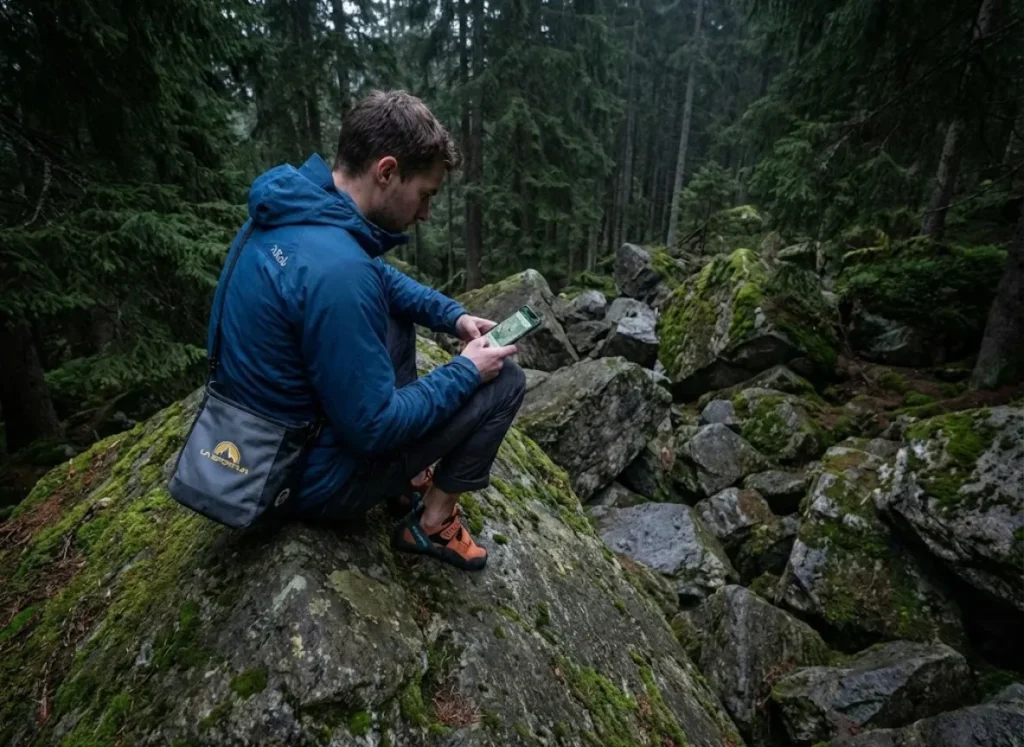
Bach sector hugs the riverbank with high humidity and slower morning dry times due to valley inversion. Beach hosts iconic lines like Grit de Luxe and Intermezzo but requires low water levels and dry weather.
Sun exposure makes these sectors tolerable on cold days but brutal in risky summer heat. The polished holds demand low humidity for usable friction. Before committing to a river session, check the FOEN hydrodata portal for real-time Avers Rhine discharge levels. If the stepping stones are submerged, abort the session.
Forest Sectors (Mitte, Haupt): Shade and Sharp Edges
Mitte sector is the central band with high density of hard boulder problems—dense canopy keeps it shady all day, making it ideal for hot summer sessions when river sectors become ovens.
Haupt 1-3 are upper tiers requiring steep hikes but offering slightly breezier conditions and sharper, less-polished holds. Landings are steep and uneven; pad positioning here requires genuine engineering.
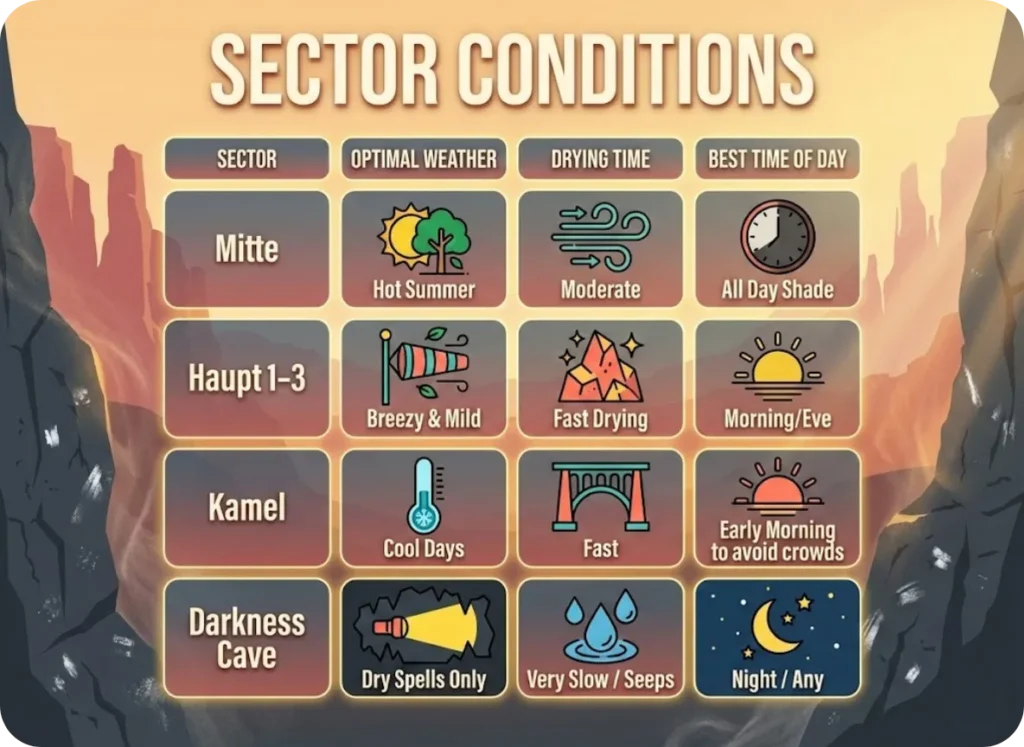
Kamel sector near the entrance bridge serves as warm-up territory but sees high traffic during peak hours. The Darkness Cave hosting elite testpieces stays in permanent shade and seeps heavily after rain—bring headlamps and battery fans if you’re projecting at the 8A+ level.
Execution Mode: Daily Skin Care and Risk Management
Daily Skin Maintenance Protocol
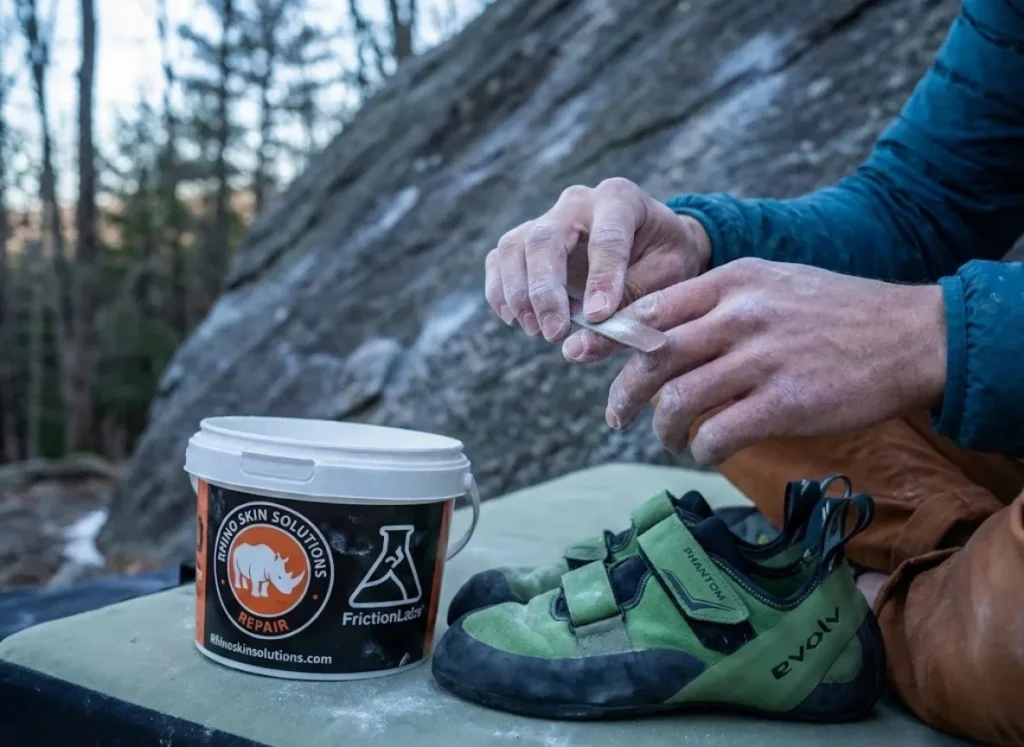
Sand your fingertips every morning and evening—no exceptions. The sharp edges create callus ridges that catch and rip if you don’t keep them flush with proper filing strategy. A skin file is as essential as your chalk bag.
Apply Rhino Repair balm immediately after each session. Its non-wax formula with menthol, magnesium, and salicylic acid spurs cell regeneration overnight without softening the skin. If splits occur, use Split+ balm and tape. Superglue provides temporary field repair for “one more go.”
For extended protection during sessions, understand proper finger taping for protection—it can extend your climbing days when skin starts to fail.
Pro tip: Climbing every day is rarely optimal in Magic Wood. Two days on, one day off preserves skin for the full trip and lets you send fresh on project days.
Medical Infrastructure and Emergency Protocols
Magic Wood is alpine terrain, not an outdoor gym. Dial 144 for ambulance or 1414 for Rega Swiss Air Rescue. A Rega patronage membership (approximately CHF 30-40/year) covers rescue costs and is strongly recommended for any serious climber in Switzerland.
Spital Thusis is the nearest hospital (25 minutes by car) for basic trauma. Kantonsspital Graubünden in Chur (45 minutes) is a Level 1 trauma center for severe injuries. Local GP Dr. Spada in Andeer handles non-emergency issues during weekdays.
Hydrological Hazards: The River Is Not Your Friend
The Avers Rhine is glacial-fed and hydroelectric-controlled. Water levels can rise rapidly without warning due to dam releases upstream or heavy melt. This weather volatility creates real danger.
Beach sector requires navigating stones near the water. A slip can be fatal—the cold water temperature and swift current are unforgiving. Check FOEN hydrodata before every river session. If stepping stones are submerged, the send isn’t worth the risk.
Conclusion
Magic Wood isn’t a destination—it’s an operation. The climbers who thrive here arrive with skin already conditioned, a sector plan based on weather, and the discipline to respect the access rules that keep this place open.
Three things separate success from frustration: start skin prep 4 weeks out because the gneiss doesn’t care about your strength if your tips are shredded by Day 3; check conditions before every session because humidity, river levels, and sector dry times determine your tick list; and respect the access because wild camping, loud screaming, and tick-mark graffiti threaten this place. Your behavior writes the future.
Now pack your fan, download FOEN, and go crush something in the twilight of the Wood.
FAQ
Is Magic Wood good for beginners?
No. Magic Wood is explicitly not suitable for beginners. The recommended minimum skill level is outdoor bouldering ability around 7a+. Below that level, the steep terrain, sharp rock, and challenging landings create frustration rather than progression.
How many crash pads do I need for Magic Wood?
Plan for 4-5 pads minimum on popular boulders with complex landing zone requirements. Pad rental is available at Bodhi Camping, but availability varies. Groups typically pool resources; solo travelers should connect with others to share.
Can you climb at Magic Wood in October?
October is prime season. Friction peaks in cooler temperatures (10-15°C), skin stays harder, and crowds thin after European summer holidays. Late October risks early snow, but conditions can be exceptional for the fall season.
What is the best guidebook for Magic Wood?
The Gebro Verlag guidebook (third edition) remains the physical standard. Digital options include TopoGuru app (GPS-enabled, offline capable) and 27Crags for community beta. Using multiple sources is recommended for complete topo coverage.
How do I get to Magic Wood without a car?
Take the train from Zurich HB to Chur (1 hour 15 minutes), then PostBus Route 171 to Andeer (45 minutes), then Alpine PostBus to Ausserferrera. The stop Ausserferrera, Post is a 5-minute walk from Bodhi Camping. Total journey: approximately 3 hours.
Safety Notice: Rock climbing and mountaineering are inherently high-risk
activities that can involve physical trauma or fatal incidents. The information on Rock Climbing Realms is for
educational and informational purposes only. Techniques and advice presented here are not a substitute
for professional, hands-on instruction. Conditions and risks vary by location. Always seek guidance
from a qualified instructor before attempting new techniques. By using this website, you agree that you
are solely responsible for your own safety. Any reliance you place on this information is strictly
at your own risk, and you assume all liability for your actions. Rock Climbing Realms and its authors
will not be held liable for any harm, damage, or loss sustained in connection with the use of this information.
Affiliate Disclosure: We are a participant in the Amazon Services LLC Associates Program, an
affiliate advertising program designed to provide a means for us to earn advertising fees by advertising and linking
to Amazon.com. As an Amazon Associate, we earn from qualifying purchases. We are also an official affiliate partner
of Black Diamond Equipment via the AvantLink network. If you click on a Black Diamond affiliate link and make a
purchase, we may earn a commission at no additional cost to you. We also participate in other affiliate programs.
Additional terms are found in the terms of service.