
In this article
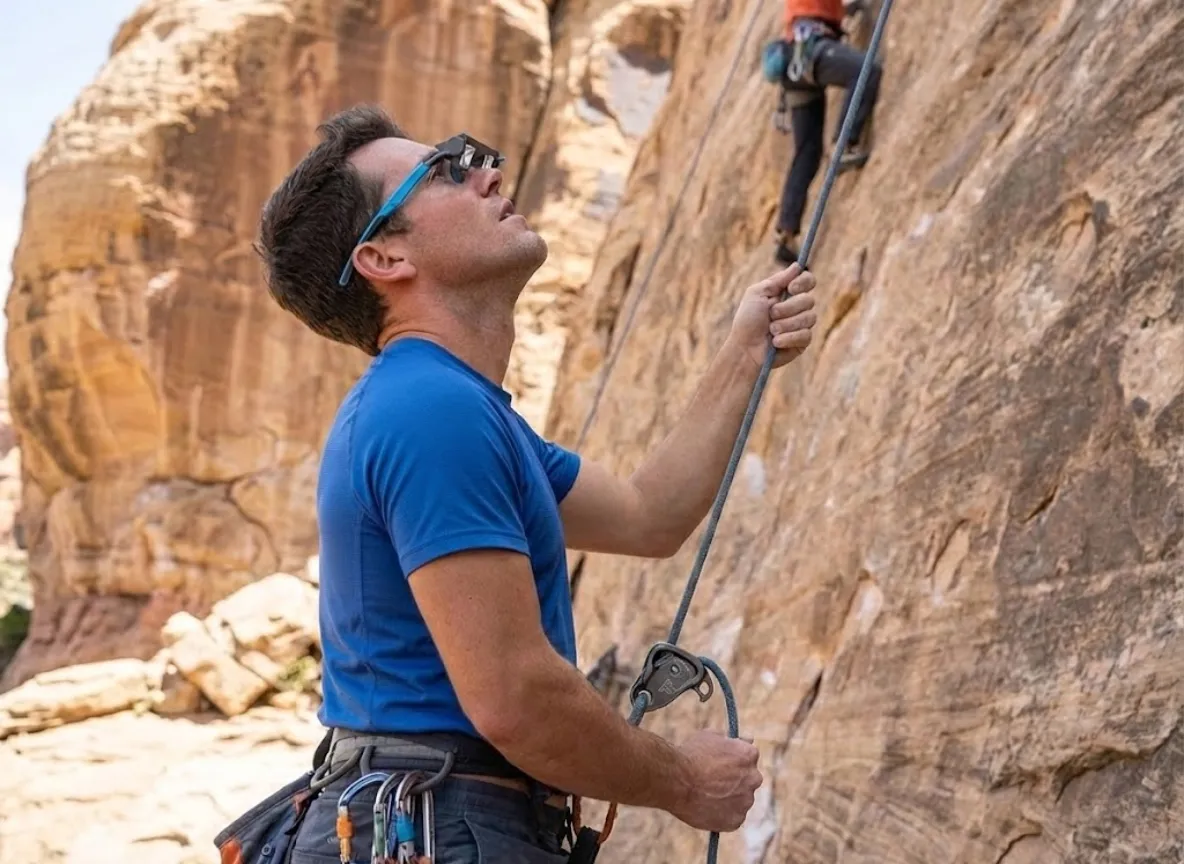
Ten minutes into a birthday party at the indoor climbing gym, your neck starts to burn. By hour three of team practice, that dull ache turns into a sharp throb. For gym parents, this isn’t just annoying—it’s “Belayer’s Neck” or serious cervical strain. Looking up at a 90-degree angle for hours hurts.
To keep your child safe during youth climbing programs, you need to take care of yourself first. If you are in chronic neck pain, your focus drifts. I have spent thousands of hours on gym floors, both as a guide and a mentor. I’ve tested climbing gear that promises to fix this strain. The solution isn’t just toughing it out. It’s using the right optics.
This guide covers the best belay glasses for gym parents. We need to treat these belay specs as essential safety gear, not just a fancy accessory.
How to Choose the Right Belay Glasses for Parenting
Picking the right belay system isn’t about price. It’s about safety. Poor quality glass can actually make you feel sick. Here is what you need to look for in popular belay glasses.
Prism Quality: Why Glass Type Matters (BK7 vs. K9)
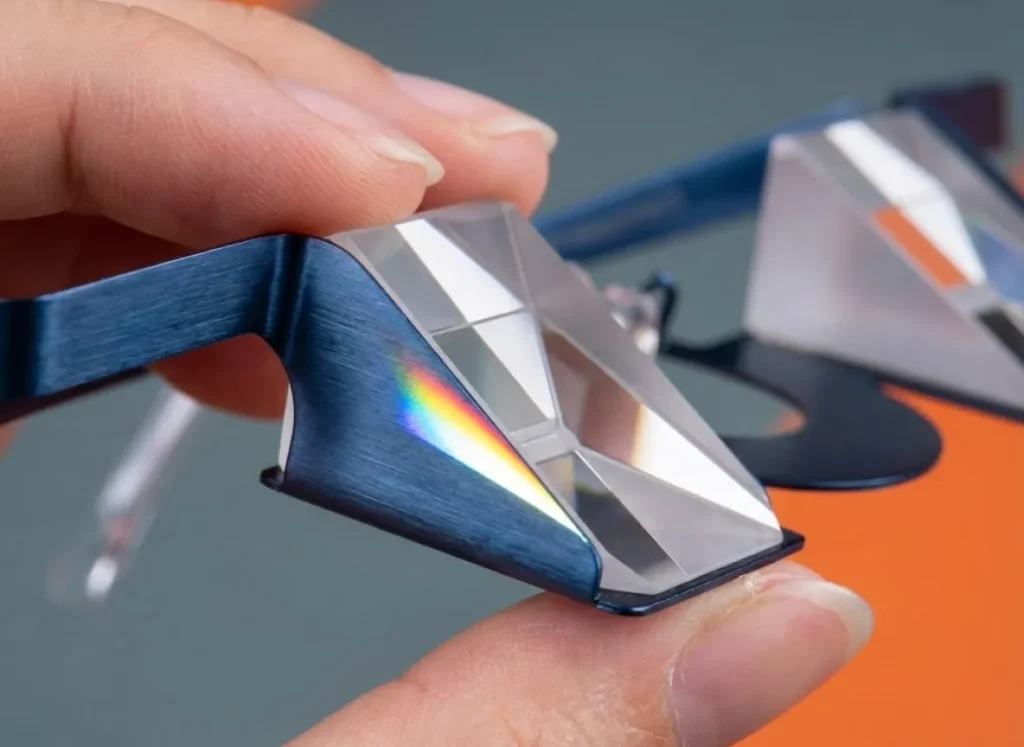
Belay glasses use prisms to bend light. This lets you look straight ahead while seeing the wall above. The key is the material. You want high-quality BK7 glass for superior prism clarity. It gives you a clear, crisp picture of your climber.
Cheap knock-offs often use lower-grade K9 glass or plastic. These might have tiny waves in the material that you can’t see, but your brain feels them. This forces your eyes to work harder to blend the image. That leads to headaches and nausea during long belay sessions.
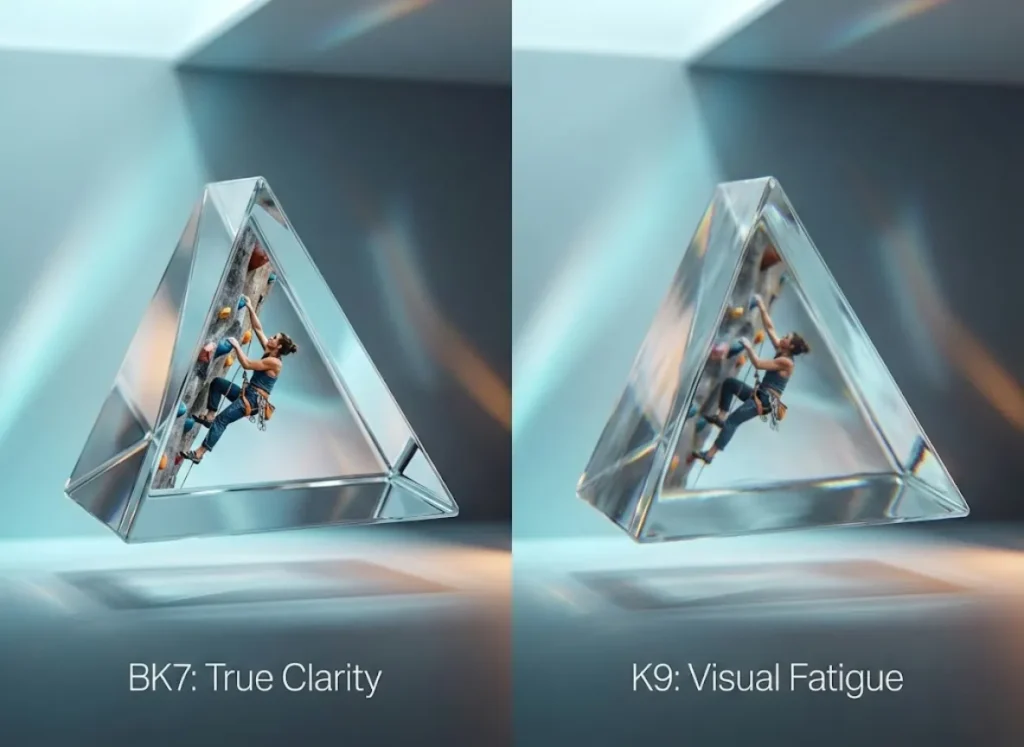
Also, climbing gyms have bright, harsh overhead lights. Good BK7 prisms usually have coatings to handle this glare. Understanding the technical differences between BK7 and K9 glass shows why spending a little more prevents eye fatigue. This clarity makes high-quality specs one of the most practical rock climbing gifts you can buy.
Field of View and Situational Awareness
Prisms naturally narrow your focused vision to just the climber. That’s fine for climbing partners, but gym parents have a harder job. You have to watch your child on the wall and the chaos on the ground to maintain situational awareness.
You need to spot siblings running under ropes or loose gear. The shape of the frame matters here. Thin frames (like the Y&Y Classic) let you see “past” the glasses to scan the floor. Thick, goggle-style frames (like older Belaggles) block your peripheral vision, leaving you blind to what’s happening around your feet.
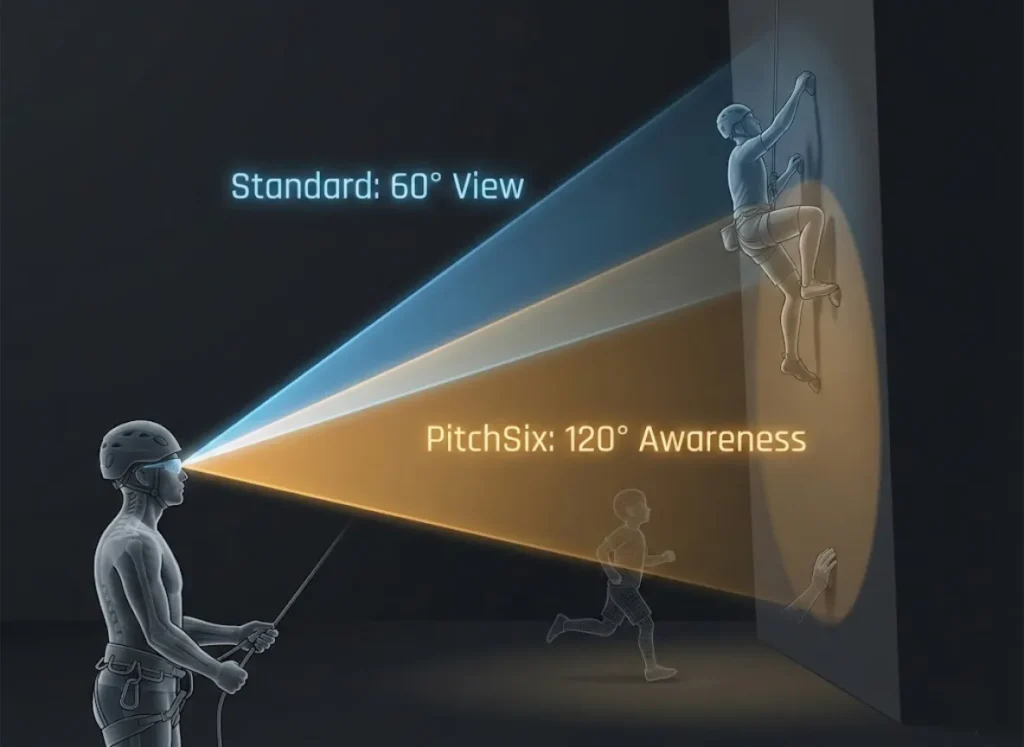
Pro-Tip: When testing frames, look at your feet without moving your head. If the frame blocks your view of your brake hand, it isn’t safe for a busy gym.
Dr. Jared Vagy notes that keeping your head neutral helps prevent chronic neck issues. But you have to balance that with seeing your surroundings. Mastering this is a huge part of how you perfect your belay technique. It ensures you catch a fall without tripping over a gym bag.
Our Selection Process: How We Built This Guide
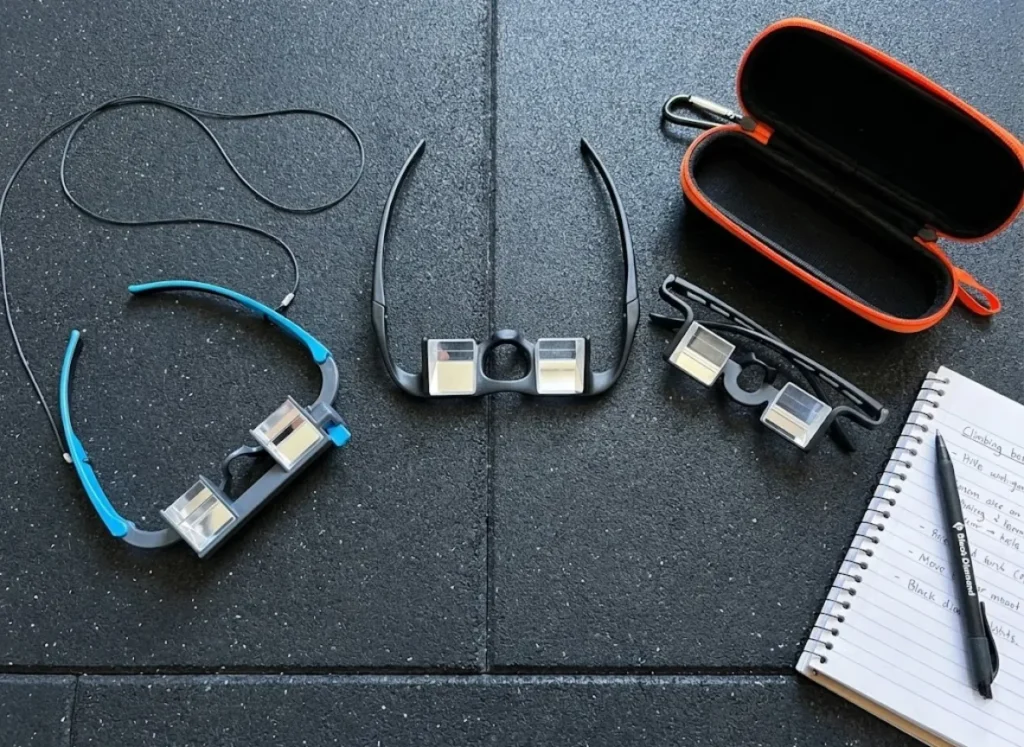
We didn’t just pick the most popular glasses. We looked for gear that actually works for parents. We skipped the cheap Amazon imports and Chinese belay glasses—brands like Jinjuli, Calces365, or generic BG Climbing models—that break easily. Instead, we focused on trusted names like PitchSix, Y&Y Vertical, and Metolius.
- The Test: We looked at Optical Clarity, Parent Utility (can you see the floor?), and Comfort. We compared frame material options, from polycarbonate to stainless steel or UCraft Titanium Alloy.
- The Filter: We discarded models with brittle hinges or smelly plastics. We also skipped generic Decathlon Simond models if they lacked the specific features parents need.
- Trust: Whether looking for the best overall, best value, or best for glasses wearers, we applied the rigor of AMGA-certified guides. We only recommend gear that passes the “Third Bolt” safety standard.
The Best Belay Glasses of 2026: Our Top Recommendations for Every Need
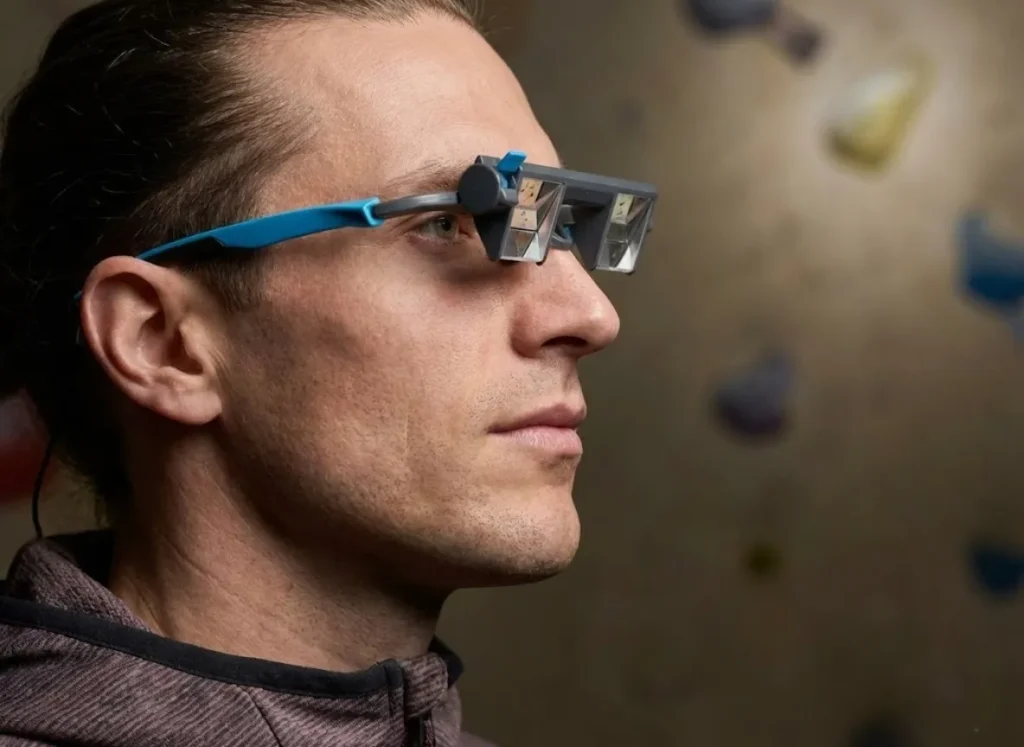
Our Top Picks for The “Versatile” Parent (Performance & Adjustability)
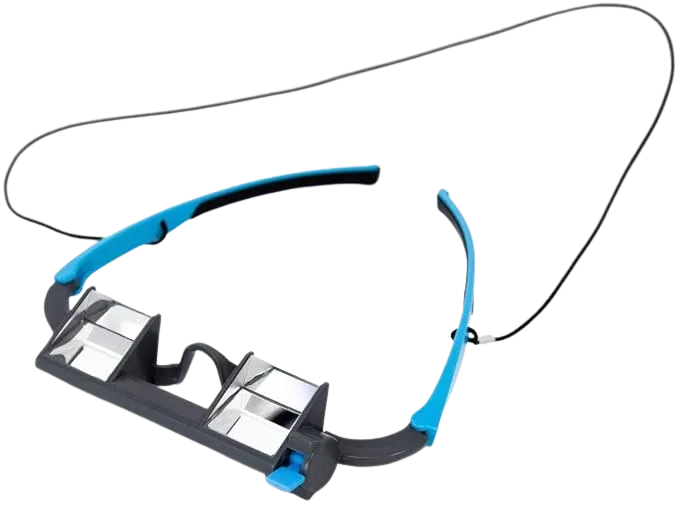
Our Top Picks for The “Daily Driver” Parent (Durability & Value)
Final Thoughts
Stopping chronic neck pain helps you stay focused. If looking up hurts, you start to zone out. That is dangerous. By fixing the pain, you stay alert for your climber.
Stick to BK7 glass for clarity to avoid the headaches caused by cheap plastic knock-offs. And remember the “Third Bolt Rule”. Always spot your child naturally for the first 10-15 feet before putting the glasses on. This keeps you from getting dizzy near the ground.
Protect your neck so you can protect your climber. Invest in the PitchSix EyeSend for the best features, or the Y&Y Plasfun Evo for great value.
FAQ – Frequently Asked Questions
Do belay glasses cause dizziness during the adjustment period?
Yes, they can at first. Your inner ear and eyes get confused. We recommend waiting until the climber is about 15 feet up (the 3rd bolt) before putting them on. This delay helps your brain adjust to the distance.
Can I wear belay glasses over my eyeglasses?
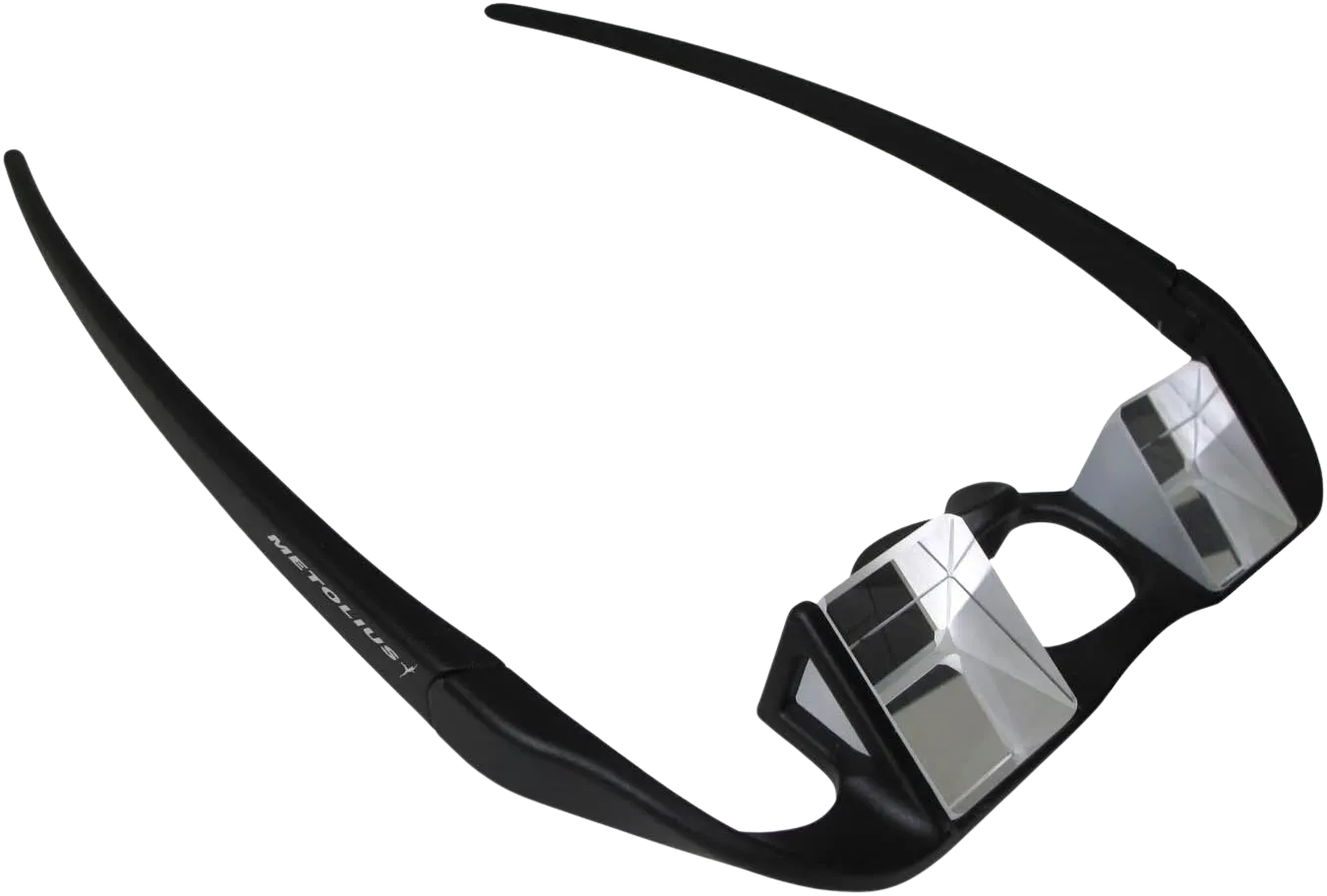
Yes, most normal belay glasses work well by stacking them over your regular glasses. The Metolius Upshot is designed to sit further off the face, making it a comfortable fit for glasses wearers.
Are clip-on glasses like the Y&Y Clip-Up safe?
We generally recommend against clip-on glasses (like the Y&Y Clip-Up) if you have expensive lenses. The clamp can scratch delicate coatings. Stacking a separate pair is usually safer and more stable.
Why not just buy the cheapest $20 pair on Amazon?
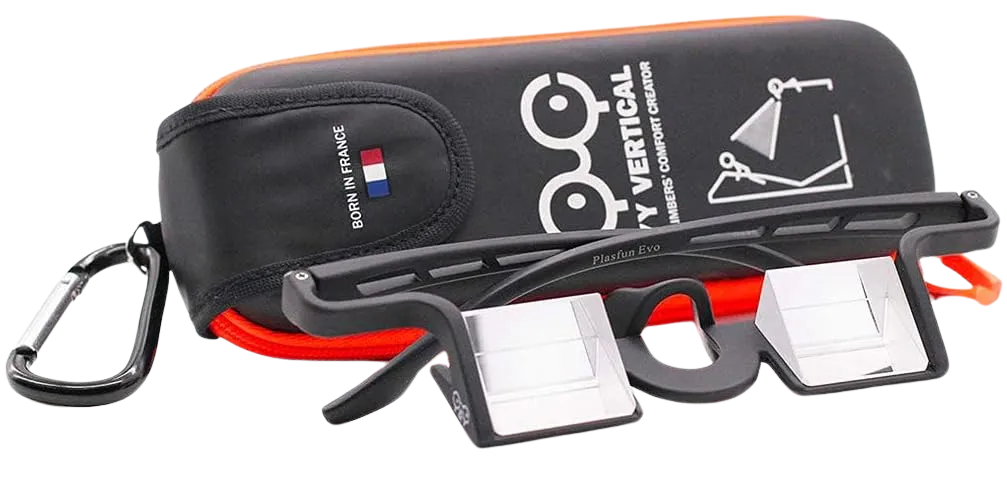
Cheap knock-offs often use bad glass with bubbles or waves. This causes headaches. They also use cheap plastic that snaps easily. Spending a little more on the Y&Y Plasfun Evo gets you safe optics and climbing gear that won’t break in a month.
Safety Notice: Rock climbing and mountaineering are inherently high-risk
activities that can involve physical trauma or fatal incidents. The information on Rock Climbing Realms is for
educational and informational purposes only. Techniques and advice presented here are not a substitute
for professional, hands-on instruction. Conditions and risks vary by location. Always seek guidance
from a qualified instructor before attempting new techniques. By using this website, you agree that you
are solely responsible for your own safety. Any reliance you place on this information is strictly
at your own risk, and you assume all liability for your actions. Rock Climbing Realms and its authors
will not be held liable for any harm, damage, or loss sustained in connection with the use of this information.
Affiliate Disclosure: We are a participant in the Amazon Services LLC Associates Program, an
affiliate advertising program designed to provide a means for us to earn advertising fees by advertising and linking
to Amazon.com. As an Amazon Associate, we earn from qualifying purchases. We are also an official affiliate partner
of Black Diamond Equipment via the AvantLink network. If you click on a Black Diamond affiliate link and make a
purchase, we may earn a commission at no additional cost to you. We also participate in other affiliate programs.
Additional terms are found in the terms of service.