In this article
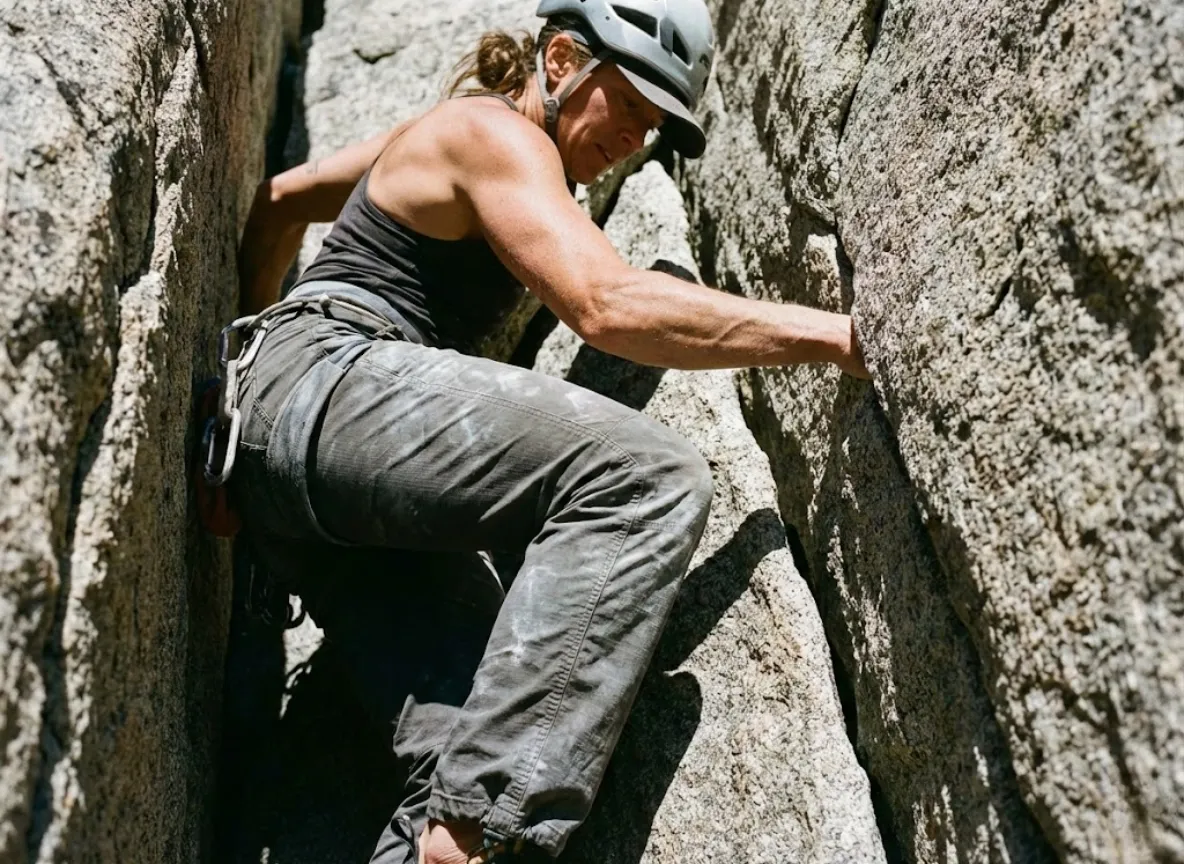
Granite does not care about your comfort. A single off-width knee scum on Joshua Tree monzonite will shred standard yoga leggings instantly, leaving you with skin abrasions and a ruined garment. Ladies climbing pants are not just activewear; they are a piece of safety equipment designed to mitigate environmental hazards while allowing for extreme biomechanical range.
I have spent the last decade guiding on everything from abrasive desert towers to slick limestone sport routes, and I’ve seen enough gear failures to know what holds up. The 2025 market has finally moved past the era of ill-fitting adaptations. We now have specific tools—from heavy cotton workhorses to ultralight technical fabrics—that balance the physics of abrasion resistance with the non-negotiable requirement for sustainable production. Whether you are looking for leggings for rock climbing or dedicated off-width pants, the goal is finding the right tool for the job.
How to Choose the Right Ladies Climbing Pants: An Expert’s Framework

You need to dismantle marketing jargon and look at the physics of the material. The right choice for the best women’s climbing pants depends entirely on where you climb and how much rock contact your legs endure.
Abrasion Resistance Index (ARI) vs. Breathability
There is often a frustrating trade-off between armor and airflow. A heavy canvas pant protects you from sharp crystals but creates a sweatbox in July, while lightweight polyester hiking pants often shred upon first contact with rough stone. The secret lies in the fabric denier and the Weave.
You want a high-denier Nylon, typically 70D or higher, for serious rock work. Unlike polyester, nylon has a higher tensile strength and abrasion threshold, which is why a pant like the Ferrosi survives years of abuse compared to a standard hiking crossover. Weave matters too; a “Ripstop” grid prevents small tears from becoming catastrophic failures, while double-weave softshell fabric offers the highest protection.
However, we must also consider the microscopic cost of our gear. Recent research from EPFL highlights how chemicals and micro-debris from climbing gear interact with our environment, making durability a sustainability feature in itself. If you want a deeper dive into the specific fabrics used across different brands, check out our comprehensive guide to women’s rock climbing pants.
Pro-Tip: If you can see light through the fabric when holding it up to the sun, it’s likely too thin for chimney climbing or kneebars. Save those for the gym.
Mobility & The “Harness Compatibility Factor”
4-way stretch is useful, but mechanical articulation is mandatory. A pant relies on a gusseted crotch—a diamond-shaped insert of fabric—to prevent the center seam from restricting your legs during a wide stem or high-step. Without this, you are fighting the garment with every move.
The waist is equally critical. Standard buttons often dig into your abdomen when you are hanging in a harness, and many pants lack the specific body inclusion needed for different shapes, gapping at the back for those with a curvy fit. Whether you prefer a high-rise secure feel or a mid-rise cut, the interface matters. This isn’t just about comfort; it’s about safety and focus.
Distraction leads to errors, and gear failure or maladjustment is a documented factor in consumer protection studies regarding outdoor safety. You need a flat knit waistband or low-profile system that sits flush under your harness, allowing you to focus entirely on executing complex drop-knees without readjusting your clothes.
The Sustainability Impact Score (SIS)
Buying better gear is the first step; buying cleaner gear is the second. We are moving past vague “green” claims toward verified sustainability specifics.
Look for the bluesign® certification, which ensures that the chemical inputs used in the fabric are safe for the environment and workers. Fair Trade sewn certification guarantees that the people constructing your garment earned a premium for their labor.
Additionally, the industry is rapidly shifting toward PFC-Free DWR coating to eliminate toxic “forever chemicals” from our waterways. We also prioritize repairability, favoring brands with programs like Patagonia Worn Wear that extend the life of your kit. Adopting these standards is a core component of mastering the art of climbing stewardship, ensuring we protect the spaces we love.
| Sustainability Standards | ||
|---|---|---|
| Logo / Standard | What it Means | Why it Matters |
| bluesign® | Safe Chemistry: Ensures that chemical inputs in the fabric are safe for the environment and workers. | Guarantees that the manufacturing process is free from harmful toxins and safe for the ecosystem. |
| Fair Trade Sewn | Safe People: Guarantees that the people constructing the garment earned a premium for their labor. | Ensures ethical labor practices and that workers are fairly compensated for their time and skill. |
| PFC-Free DWR | Toxic-Free Coating: The elimination of Perfluorocarbons (PFCs) from Durable Water Repellent finishes. | Prevents toxic “forever chemicals” from leaching into and contaminating local waterways. |
| Repairability (e.g., Worn Wear) | Extended Life: Programs designed to repair damaged kit rather than encouraging new purchases. | Drastically reduces the environmental footprint by keeping gear in circulation and out of landfills. |
Our Selection Process: How We Built This Guide
We reject the “pay-to-play” model common in commercial investigation. Our selections are based on physics, material science, and aggregated user sentiment. Every pant in this decision matrix was scored on an internal scale covering Abrasion Resistance (ARI), Mobility (MAS), Harness Compatibility (HCF), and Sustainability (SIS).
We compared market staples like the Patagonia Caliza Rock Pants, Prana Halle II, and the Vuori Ripstop Pant, synthesizing technical specifications with rigorous durability data. We looked at performance against granite abrasion and off-width scumming. We also conducted sentiment analysis across high-density communities to verify our findings against long-term user experiences. While we may earn a commission from links, our recommendations are driven strictly by the data in our research dossier.
The Best Ladies Climbing Pants of 2026: Our Top Recommendations for Every Need
Our Top Picks for The High-Alpine Technical Specialist
For alpine climbing and multi-pitch routes where weather moves fast and rock is sharp, you need reliability. While the Arc’teryx Gamma and Black Diamond Technician are worthy contenders, our top pick balances weight and armor perfectly.

Our Top Picks for The Crag-to-Town Social Climber
If your session ends at a brewery, you want town-to-crag versatility. These pants avoid the loud swish of technical performance gear, favoring a natural look similar to the Prana Avril or Patagonia Chambeau.
Our Top Picks for The Comfort-First Crusher
Sometimes you just want to move without restriction. Whether for hiking crossover or gym training, these options rival the comfort of the Vuori Performance Jogger or Patagonia Happy Hike, but with better packability.
Conclusion
Your choice of climbing pants comes down to a binary decision between sensory comfort and maximum durability. If you live in the gym or prioritize natural fibers, the Prana Kanab or Black Diamond Notion SP offers the relaxed feel of cotton. For those venturing into the high alpine or abrasive trad routes, the Outdoor Research Ferrosi remains the statistical outlier for performance-per-dollar, even against stalwarts like the Patagonia Hampi Rock Pants.
Invest in the gear that respects both the rock you climb on and the people who made it.
FAQ – Frequently Asked Questions
Why can’t I just wear my yoga leggings for outdoor climbing?
Standard yoga leggings lack abrasion resistance. One slip on granite will tear the fabric and likely your skin. You need specialized weaves like the Arc’teryx Essent to withstand rock contact.
What is the most durable fabric for climbing pants?
High-denier Nylon (70D to 90D+) and double-weave softshell fabrics offer the highest resistance. These materials, found in pants like the Outdoor Research Ferrosi, are designed to slide over rock rather than snag.
How do I stop the waist gap in climbing pants?
Look for pants with a dedicated knit waistband or internal drawstring systems designed for curvy fits. Standard button-fly hiking pants often fail here. Options like the Prana Kanab utilize a yoga-style waist to eliminate this issue.
What does bluesign® approved actually mean?
It certifies that the chemical inputs and manufacturing processes used were safe for the environment, workers, and the consumer. It is a rigorous standard that ensures your gear doesn’t contribute to toxic water runoff.
Risk Disclaimer: Rock climbing, mountaineering, and all related activities are inherently dangerous sports that can result in serious injury or death. The information provided on Rock Climbing Realms is for educational and informational purposes only. While we strive for accuracy, the information, techniques, and advice presented on this website are not a substitute for professional, hands-on instruction or your own best judgment. Conditions and risks can vary. Never attempt a new technique based solely on information read here. Always seek guidance from a qualified instructor. By using this website, you agree that you are solely responsible for your own safety. Any reliance you place on this information is therefore strictly at your own risk, and you assume all liability for your actions. Rock Climbing Realms and its authors will not be held liable for any injury, damage, or loss sustained in connection with the use of the information contained herein.
Affiliate Disclosure: We are a participant in the Amazon Services LLC Associates Program, an affiliate advertising program designed to provide a means for us to earn advertising fees by advertising and linking to Amazon.com. As an Amazon Associate, we earn from qualifying purchases. We also participate in other affiliate programs. Additional terms are found in the terms of service.