
In this article
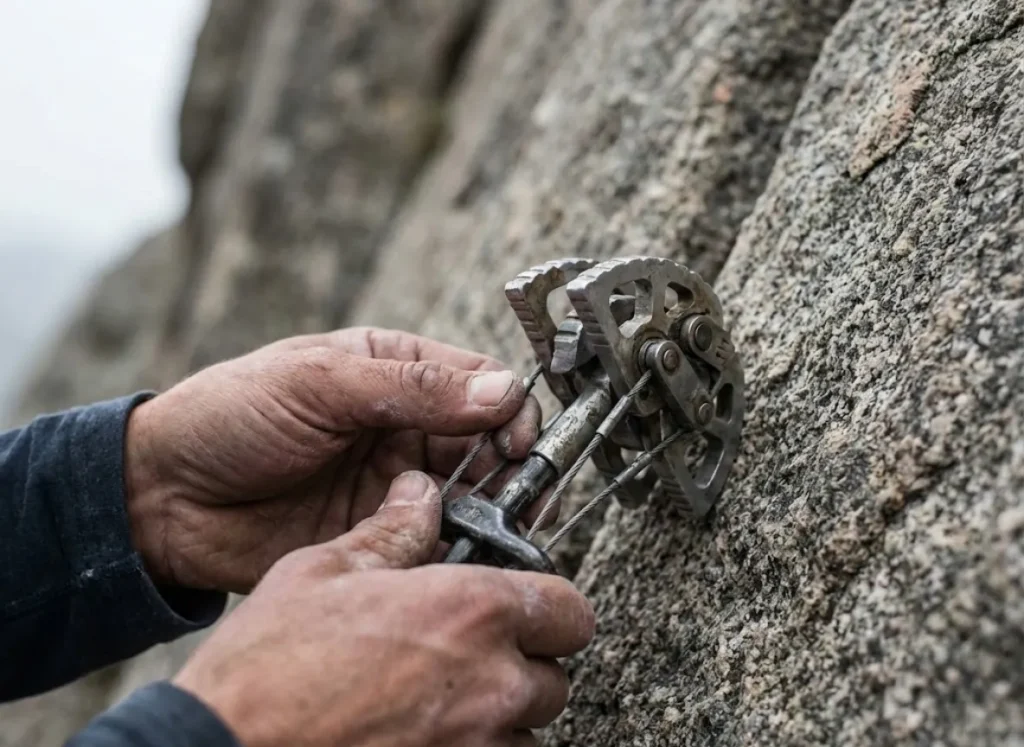
A rock climber’s rack is a life-support system. Whether they are a trad dad placing Black Diamond C4 Camalots or a sport climber working a climbing route, every gram counts. Every carabiner has a specific history etched into its anodization. Handing a beloved climber a generic piece of gear violates the strict curation of their kit.
Most well-intentioned gifts—climbing shoes like the Scarpa Drago that pinch the wrong toe, a Momentum harness that doesn’t fit over winter layers, or an assisted blocking device like the Petzl GriGri+ or Neox that doesn’t match their preference—end up in the return pile. The anxiety of “getting it wrong” is real because climbing hardware is technical and highly personal.
The perfect gift isn’t the most expensive item on the shelf. It is the item that solves a universal problem: skin loss, forearm pump, logistical friction, or cold comfort. This fail-safe gift guide utilizes a Gifter’s Confidence Score to rank practicality lens gifts that transcend discipline and fit, ensuring your contribution makes it to the crag, not the bin.
How to Choose the Right Rock Climber Gift: An Expert’s Framework
You don’t need to know the difference between a Petzl GriGri and a Mega Jul to buy a great gift. You just need to understand the “Fit-Specificity Axis” to avoid the common traps that non-climbers fall into.
The “Fit-Specificity” Trap: Why Shoes are a Gamble
Climbing shoes are precision instruments, not generic footwear. A street shoe size of 10 tells you absolutely nothing about a climber’s size in a performance shoe. Fit is dictated by foot morphology—whether they have a “Greek” or “Egyptian” foot shape—and the shoe’s “last,” which is the 3D mold used to build the shoe.
Sizing issues are chaotic. Performance fit often requires downsizing 1.5 to 2 sizes, a variable that changes drastically between brands. A Scarpa Helix fits differently than a Scarpa Drago XT. Even seasoned gear junkies spend hours testing sizes before buying.
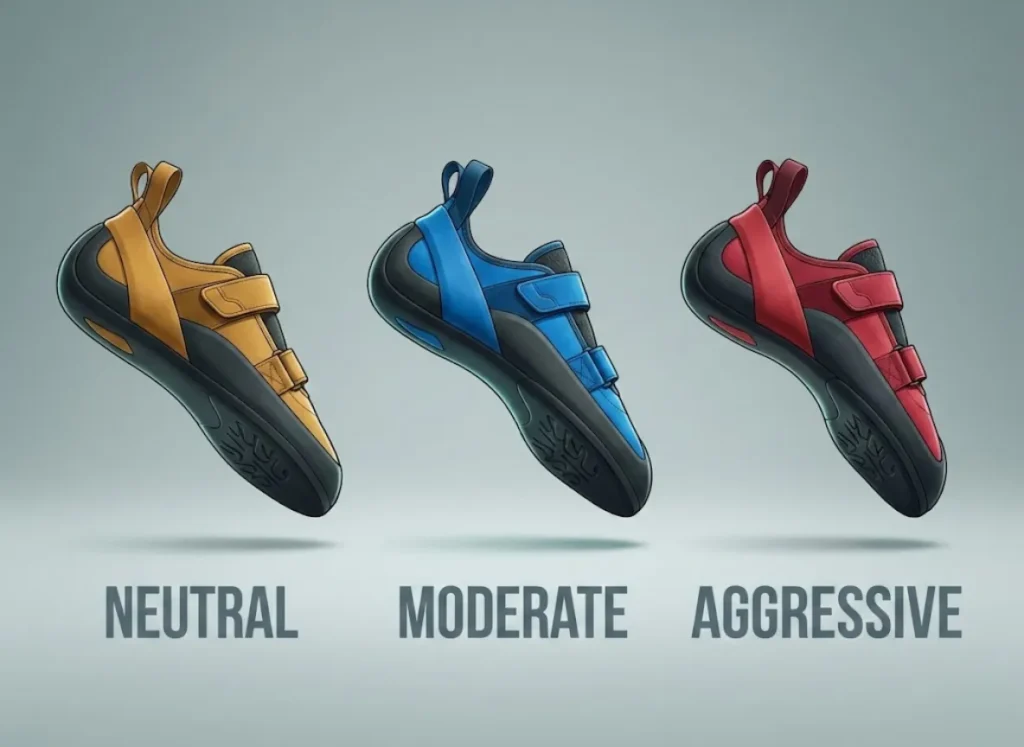
Instead of buying high risk gifts like shoes, focus on the maintenance of the shoe or lifestyle accessories that offer comfort between climbs. If you are struggling to grasp why this is so difficult, our detailed breakdown of climbing shoes fit secrets explains the biomechanical nightmare in detail.
The “Consumable Luxury” Principle
The gym climber and boulderer alike are often frugal with disposable items. They will buy cheap block chalk but secretly covet “boutique” high-purity Magnesium Carbonate.

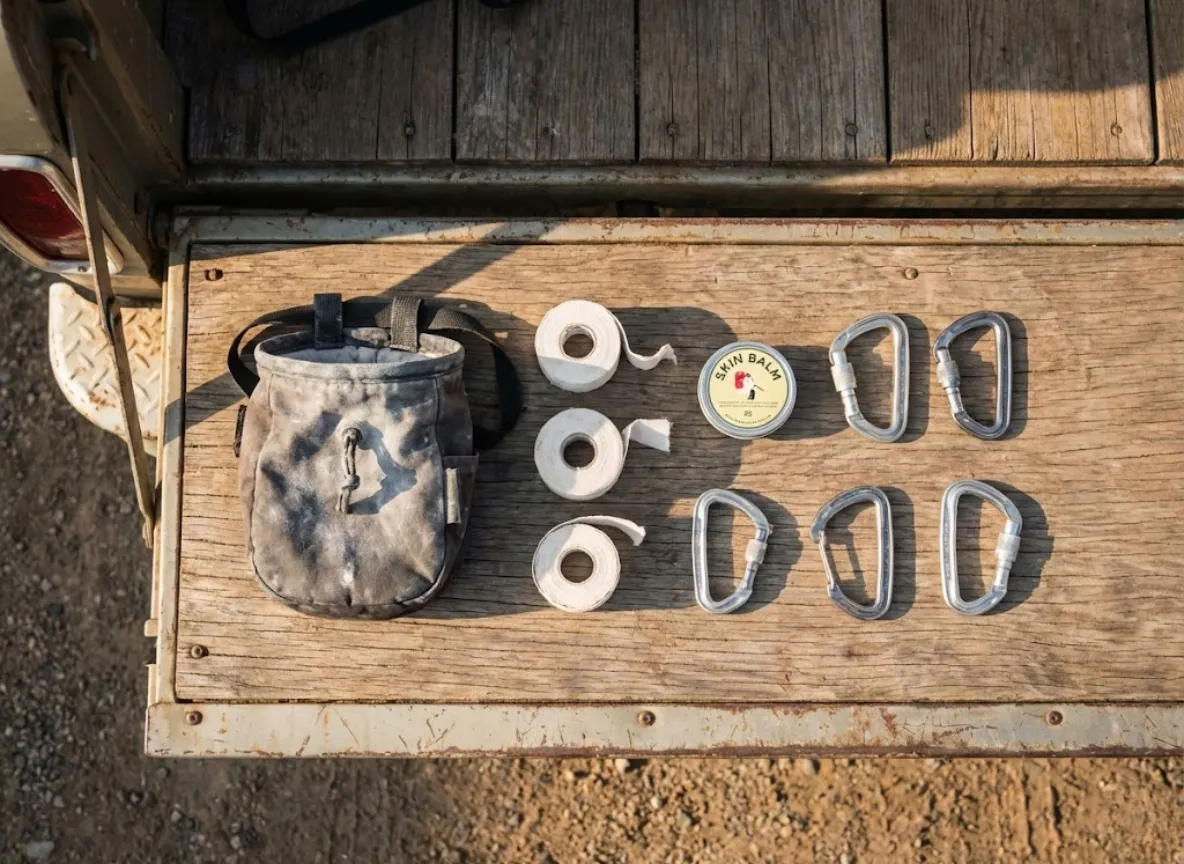
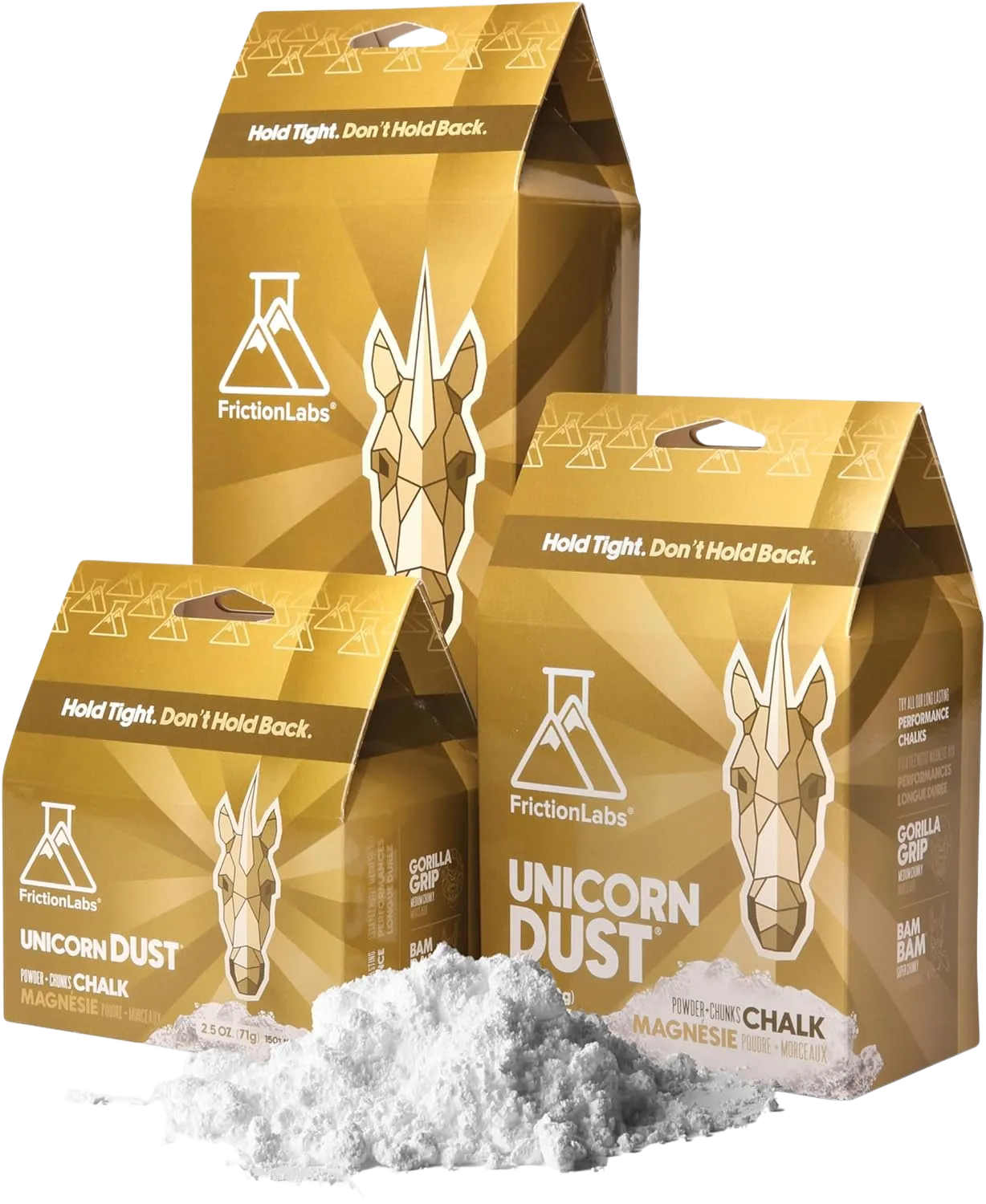
Cheap chalks use Calcium Carbonate fillers and drying agents. These fillers ruin friction and crack skin over time. Premium options offer high purity and texture customization. This is why understanding the science behind climbing chalk purity is essential for buying a gift that feels like an upgrade. Items like chalk, climbing tape, nail clippers, and a skin file are “universal donors.” Whether they need stocking stuffers or a skincare kit, these items work for everyone.
Our Selection Process: How We Built This Guide

This commercial investigation into rock climber gift ideas was built to eliminate the guesswork. We focused exclusively on utility and “Fail-Safe Probability”—the statistical likelihood a gift will be used rather than returned.
Our evaluation framework analyzed gear based on the “Fit-Specificity Axis” (how hard is it to size?) and “Universal Utility” (does every climber need it?). We scrutinized 2026 trend reports, material science reviews on friction agents, and biomechanical data on recovery tools. We explicitly avoided generic suggestions like a gym membership or local climbing guidebooks, which are often too specific. While we may earn a commission if you buy through our links, our recommendations are driven by performance data, not hype.
The Best Rock Climber Gifts of 2026: Our Top Recommendations for Every Need
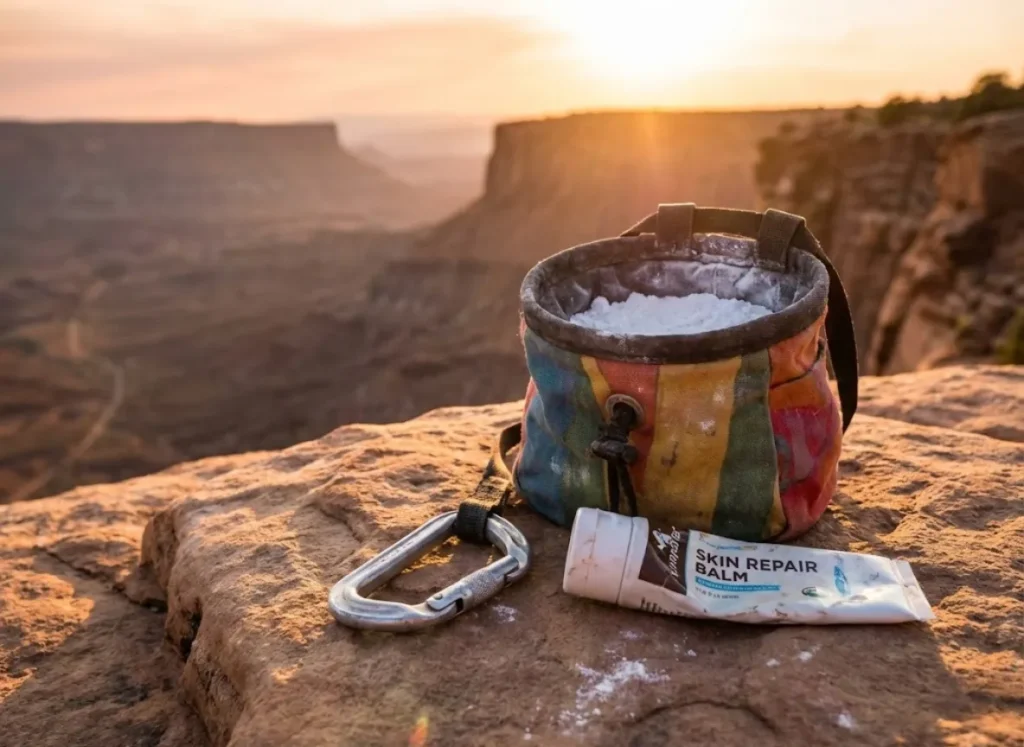
Our Top Picks for The Universal Climber (Recovery & Care)
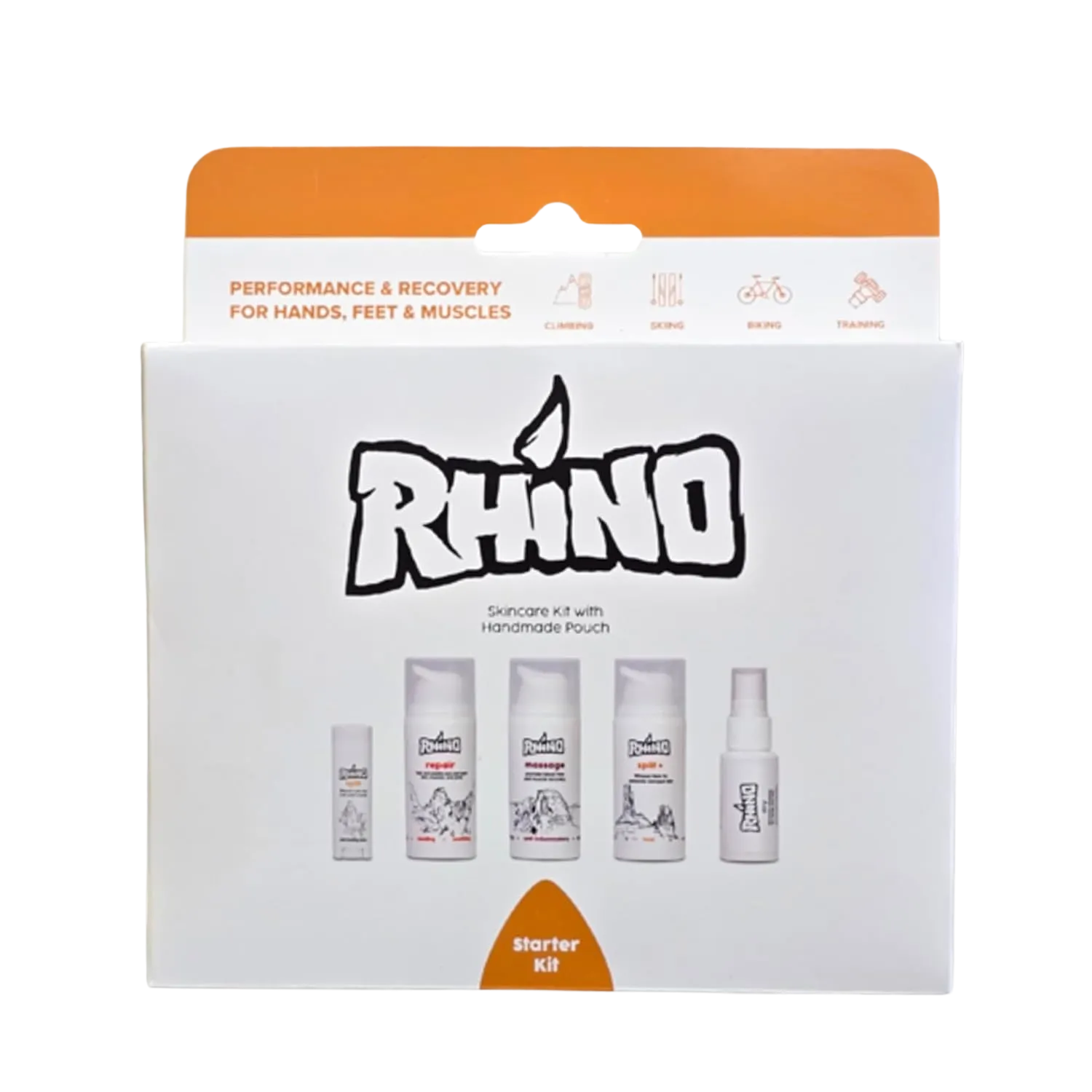
Our Top Picks for The Bouldering Specialist
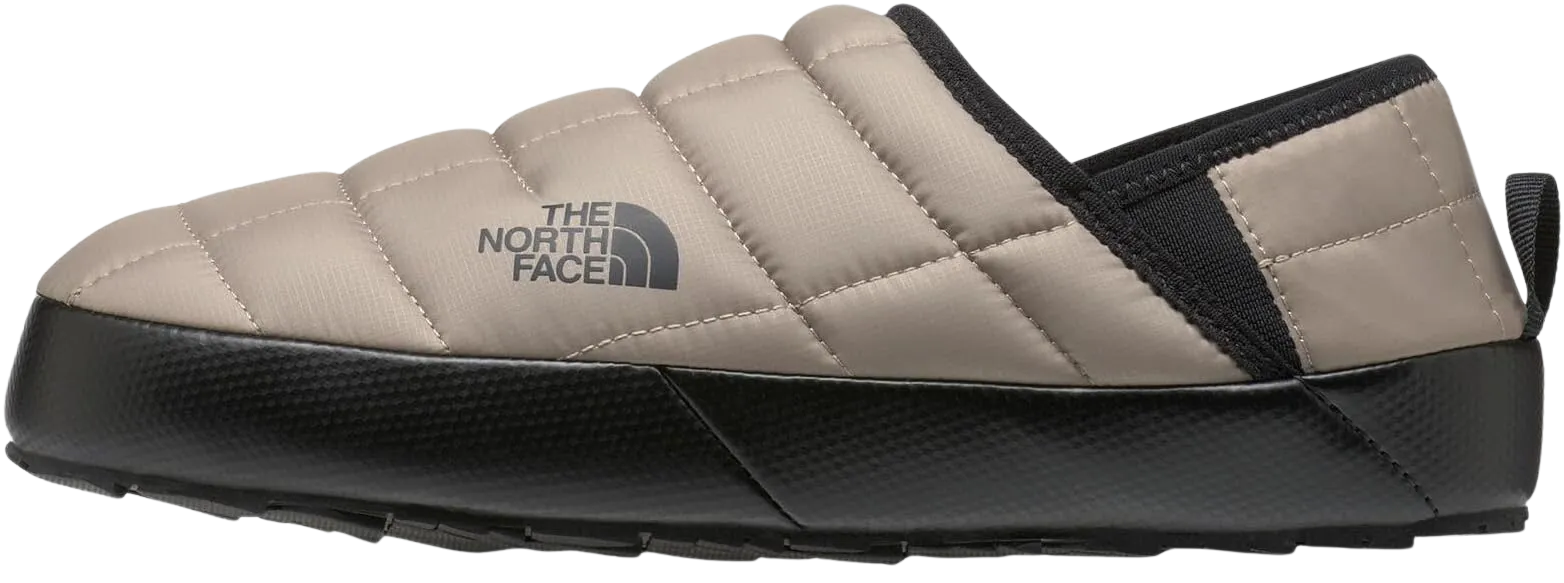
Pro-Tip: If the climber plans to wear these with thick wool socks during winter camping, size up one full size to accommodate the insulation loft.
Our Top Picks for The Trad & Safety Logistician
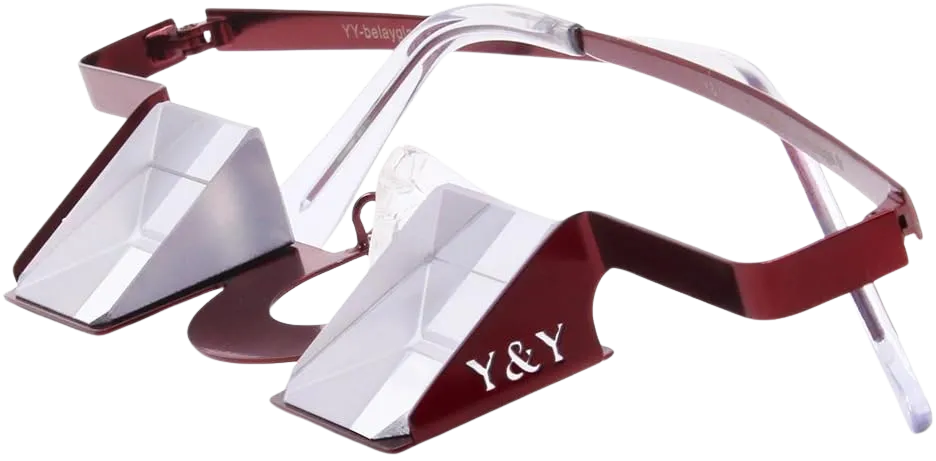
Pro-Tip: Tell the recipient to wear them around the house while watching TV to get their brain used to the refracted image before trying them at the crag.
Conclusion
Finding the right gift doesn’t require a degree in geology. Avoid the “Fit Trap” of shoes, technical harnesses, or a Metolius PAS; the risk of a return is too high. Instead, target consumables like high-quality skin care and premium chalk—items used by everyone that offer 100% utility.
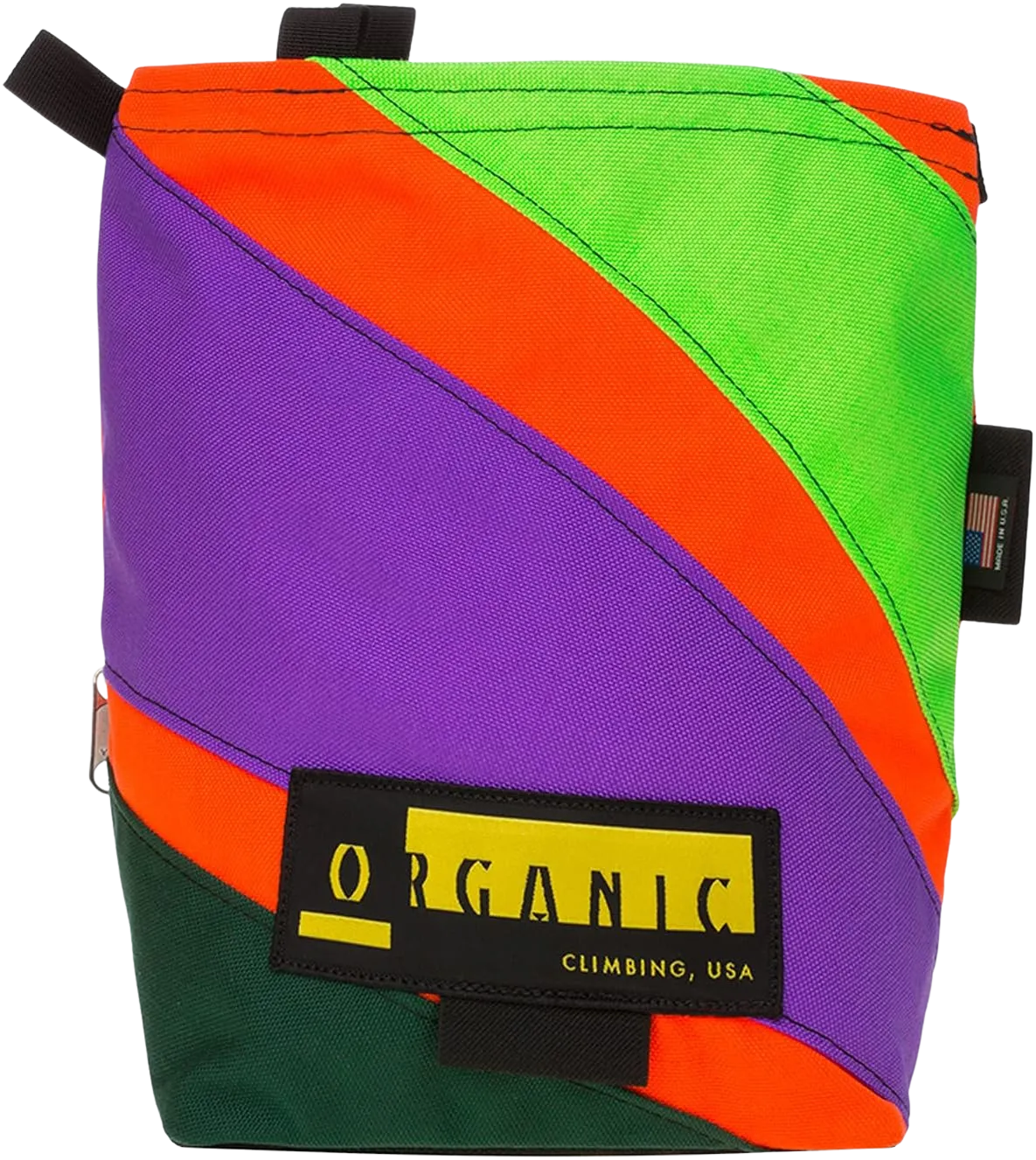
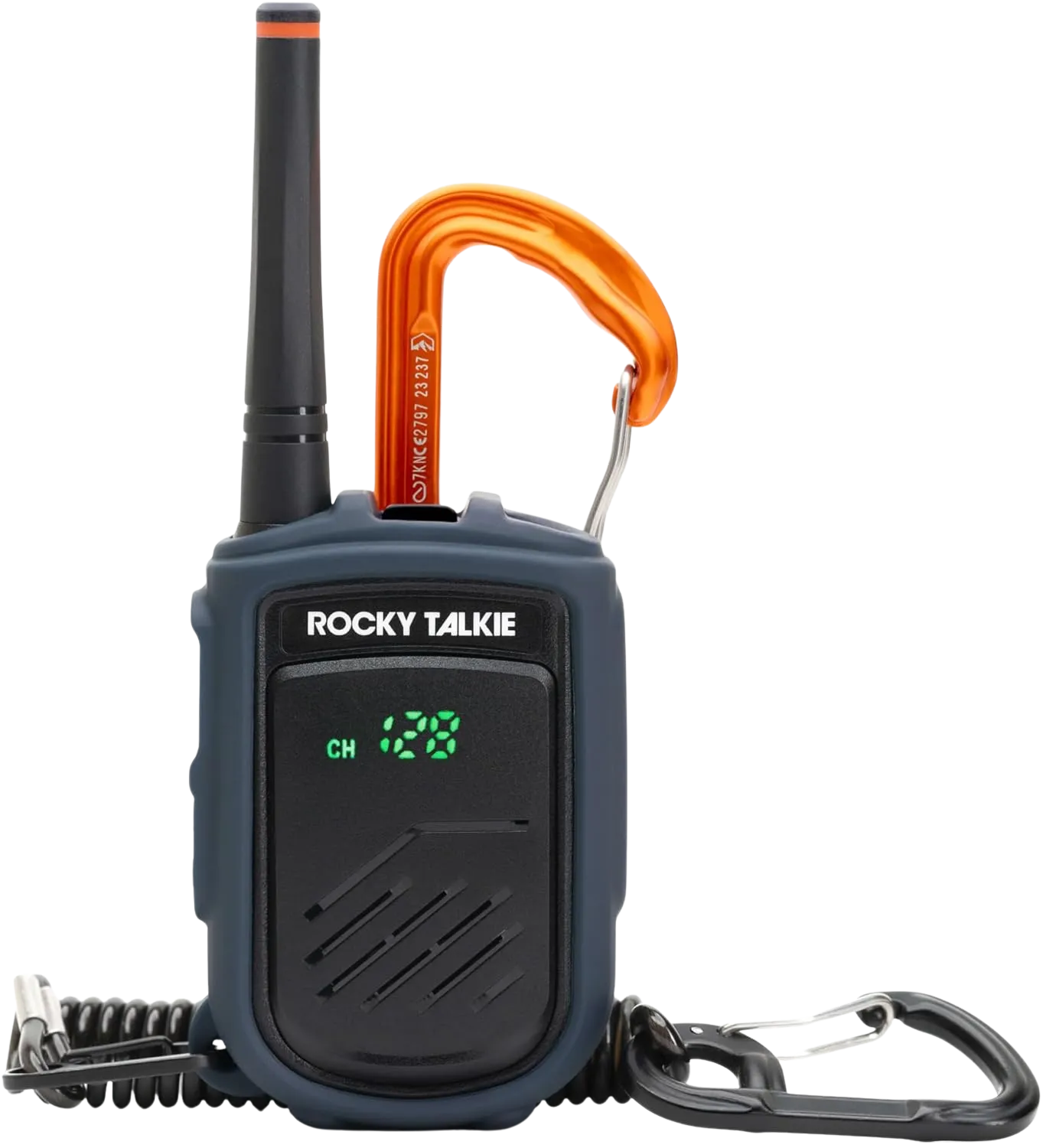
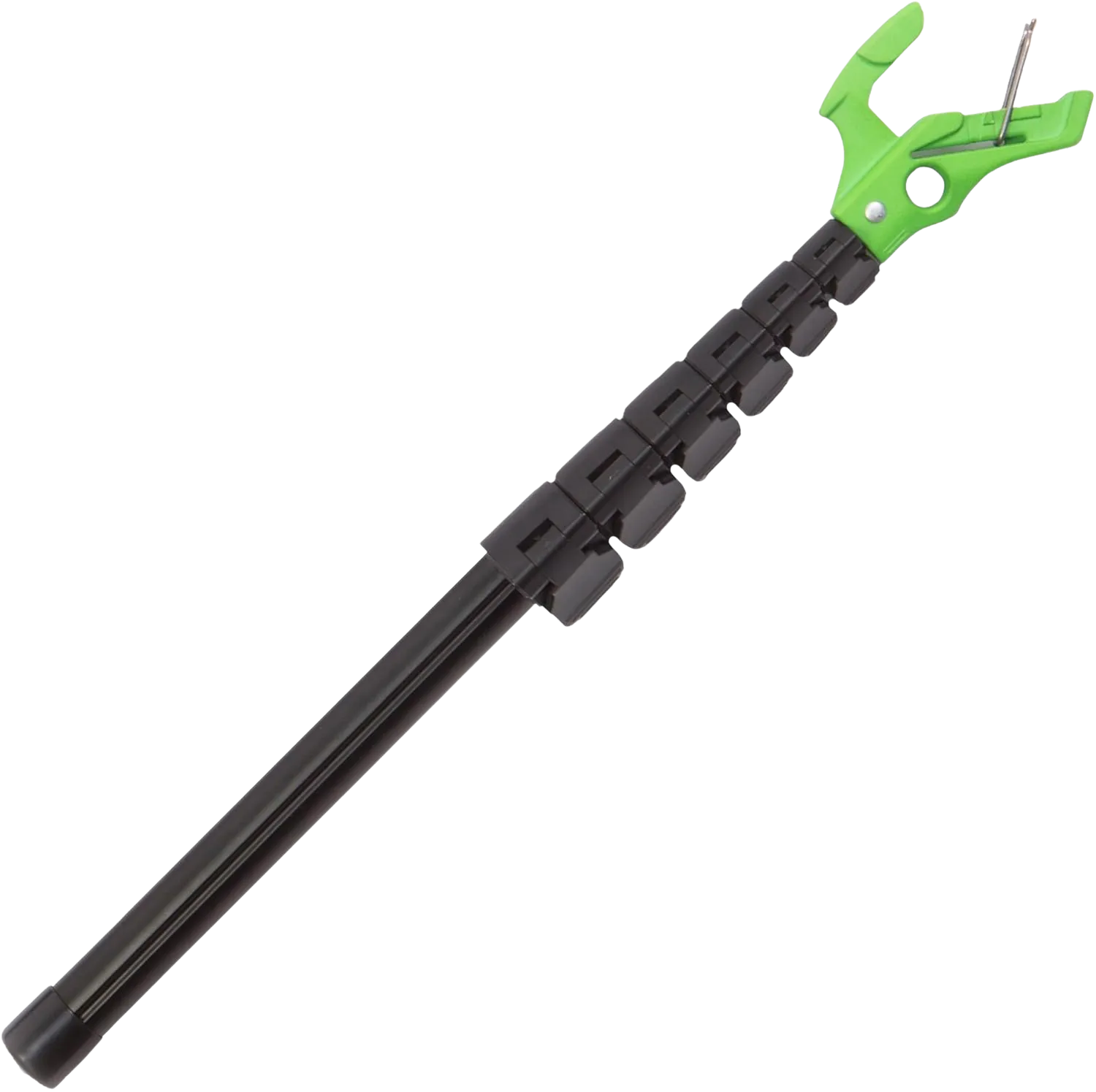
Upgrade their logistics with tools that solve safety or comfort problems, like radios or warm footwear. Know their discipline: a chalk bucket fits a boulderer, while a beta stick evo is gold for a sport climber. If you’re still unsure, start with the Rhino Skin Bundle or FrictionLabs Chalk. They are the universal donors of the climbing world and are guaranteed to be used.
FAQ – Frequently Asked Questions
What is the one gift I should absolutely avoid buying for a climber?
Avoid climbing shoes. They require a precise, painful, performance-oriented fit that varies by brand and foot shape. This makes them nearly impossible to gift successfully without the climber present to try them on.
Is chalk a good gift, or is it too basic?
Premium chalk is an excellent gift. While basic chalk is a commodity, boutique brands like FrictionLabs are considered a luxury upgrade. Climbers love the performance boost but often hesitate to buy it for themselves due to the cost.
What is a good gift for a climber who seems to have everything?
Focus on recovery tools or consumables. Even a climber with a full rack of gear needs skin repair balm, grip savers, or massage guns like Bob and Brad to keep their body functioning.
Do I need to know their clothing size to buy a harness?
Yes, and even then, it’s risky. Harness fit depends on rise (waist-to-leg distance) and layering needs. It is safer to buy accessories like a chalk bucket or belay glasses that are one-size-fits-all.
Safety Notice: Rock climbing and mountaineering are inherently high-risk
activities that can involve physical trauma or fatal incidents. The information on Rock Climbing Realms is for
educational and informational purposes only. Techniques and advice presented here are not a substitute
for professional, hands-on instruction. Conditions and risks vary by location. Always seek guidance
from a qualified instructor before attempting new techniques. By using this website, you agree that you
are solely responsible for your own safety. Any reliance you place on this information is strictly
at your own risk, and you assume all liability for your actions. Rock Climbing Realms and its authors
will not be held liable for any harm, damage, or loss sustained in connection with the use of this information.
Affiliate Disclosure: We are a participant in the Amazon Services LLC Associates Program, an
affiliate advertising program designed to provide a means for us to earn advertising fees by advertising and linking
to Amazon.com. As an Amazon Associate, we earn from qualifying purchases. We are also an official affiliate partner
of Black Diamond Equipment via the AvantLink network. If you click on a Black Diamond affiliate link and make a
purchase, we may earn a commission at no additional cost to you. We also participate in other affiliate programs.
Additional terms are found in the terms of service.