

In this article
Gravity never negotiates with tree climbing gear. A mechanical rope grab or ascender gripping a rope relies on precise friction coefficients and diameter tolerances; a millimeter of variance in rope thickness or a slick cover weave can transform a controlled descent into a freefall.
Safety in professional arboriculture and vertical access does not come from the price tag of a single device but from the verified compatibility of the entire life support system. I’ve spent years suspended in climbing harnesses and saddles, from the dripping humid forests of the Southeast to the abrasive bark of Western conifers. I’ve learned that the most expensive equipment is worthless if it doesn’t integrate seamlessly with your kit.
This guide moves beyond a simple shopping list. We will dismantle the physics of compatibility, explaining why a “13mm compatible” device might still fail on a 13mm rope due to texture or stiffness. We will break down distinct loadouts for three specific personas: the daily Production Arborist, the Budget Beginner looking for a basic gear list, and the SRT Tech Specialist. You will learn to decode critical specs like WLL (Working Load Limit) versus MBS (Minimum Breaking Strength) and how to select modular gear that future-proofs your investment.
How to Choose the Right Tree Climbing Gear: An Expert’s Framework
Selecting equipment is about engineering a life support system based on biomechanics and material science rather than marketing hype found on Sherrilltree or WesSpur.
System Compatibility & Interoperability
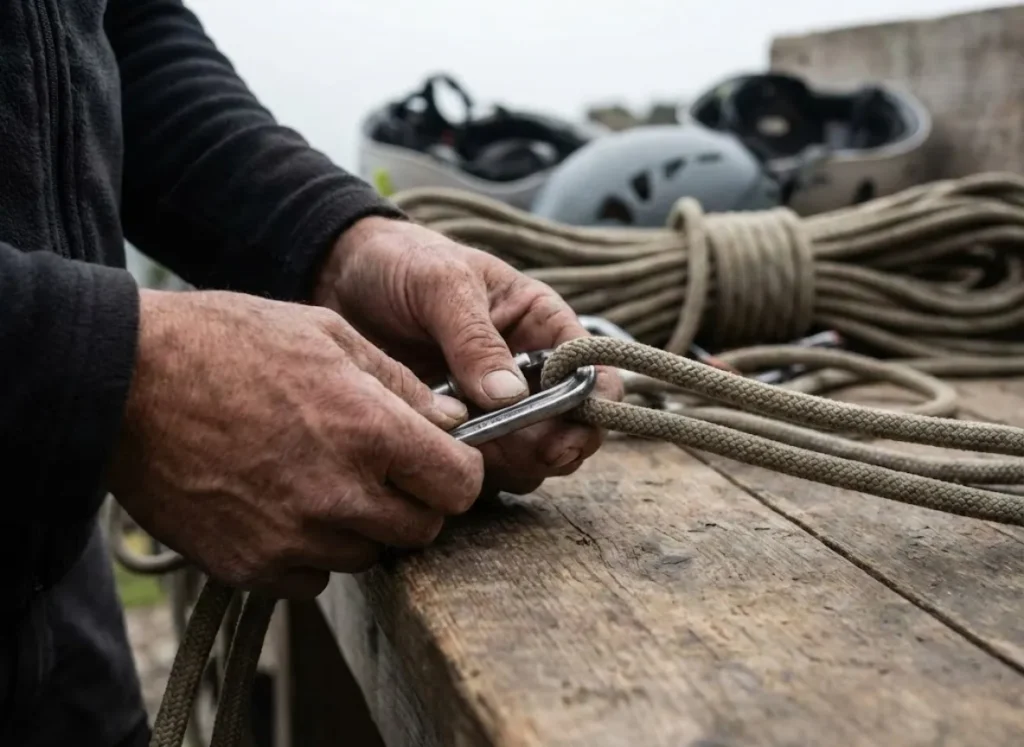
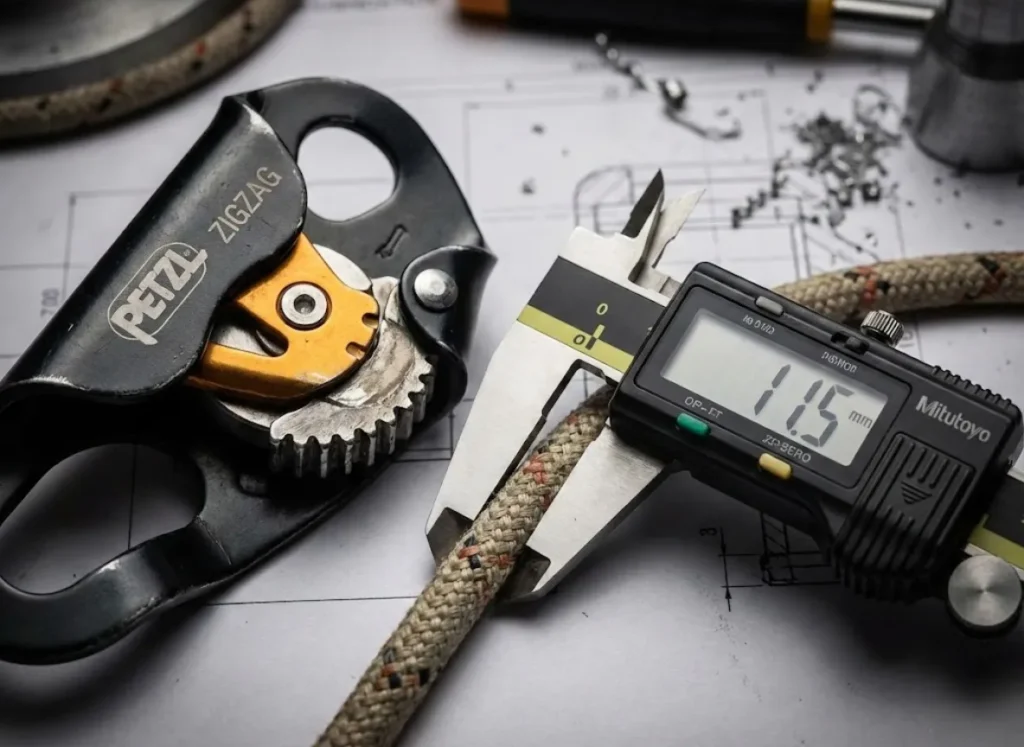
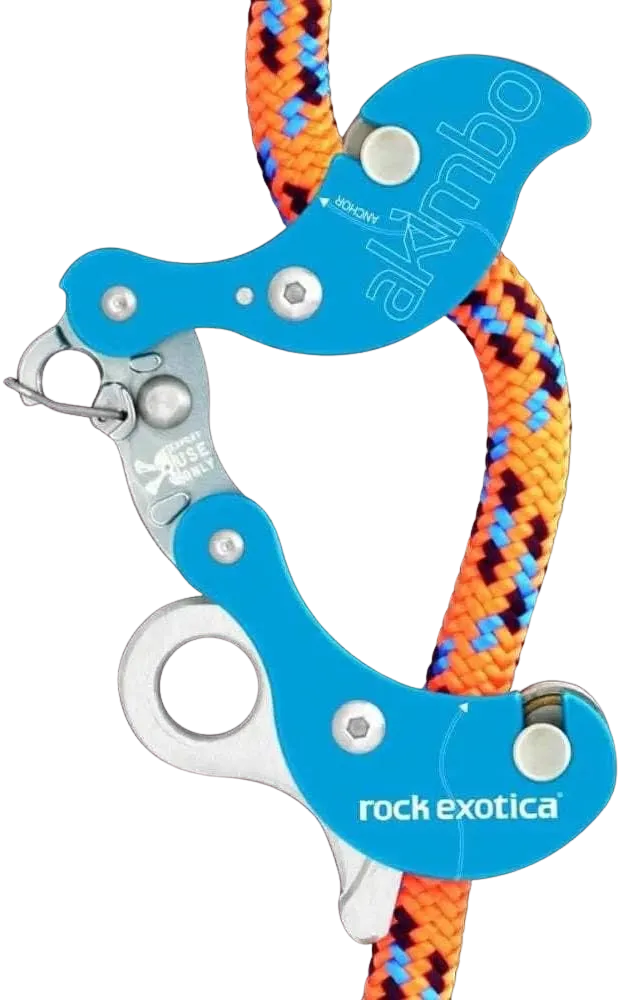
Your climbing gear must operate as a unified system, not a collection of isolated parts. This is the “Chain of Safety” concept. A mismatch, such as using the wrong rope diameters for a specific friction device, creates dangerous slippage or binding. For instance, mechanical devices like the Akimbo or ZigZag have strict diameter ranges (often 11.5mm–12.7mm) and specific fiber requirements.
I have seen new climbers struggle mid-ascent because their rope was too stiff for their device, causing it to slip unexpectedly. Connector geometry is equally critical; attaching a wide-loading HMS carabiner to a narrow device attachment point risks cross-loading, significantly reducing the connector’s kn rating. Instead, an oval carabiner or D-shape carabiner might be required to maintain alignment. Once you understand that your rope and device must “shake hands” perfectly, you must ensure that every triple-lock carabiner meets ANSI Z133 compliance standards outlined in resources like the USDA Forest Service National Tree Climbing Guide.
Pro-Tip: Always test your friction hitch or mechanical device “low and slow” (2 feet off the ground) every time you change a component in your system. A rope that works dry might behave differently when wet or sappy.
Safety Certification & Failure Mode Analysis
Understanding the numbers stamped on your arborist equipment is non-negotiable. The most vital distinction is between Working Load Limit (WLL) and Minimum Breaking Strength (MBS). WLL represents the safe range for daily use, where materials remain elastic and return to their original shape. MBS is the destruction point. You must operate strictly within the WLL to avoid invisible fatigue damage.
Preferred gear fails “gracefully.” A climbing rope should fuzz and gloss before it snaps, giving the climber a visual warning and time to react. This is vastly superior to catastrophic failure modes found in cheaper, uncertified hardware. Regulatory standards like the ANSI Z133 Safety Standard ensure batch-tested reliability, acting as a baseline for your safety audit. This concept connects directly to the practical skill of inspecting your rope for damage, where you learn to spot the early signs of wear before they become critical failures.
Versatility: The MRS/SRS Hybrid Reality
Modern arborists rarely stick to just one climbing technique. The current standard is a hybrid workflow, switching between Stationary Rope Systems (SRS or SRT) for efficient ascent and Moving Rope Systems (MRS or DdRT) for precise positioning while working a limb. The efficiency of your kit depends on the “switching cost”—how quickly you can transition between these modes without stripping down your gear.
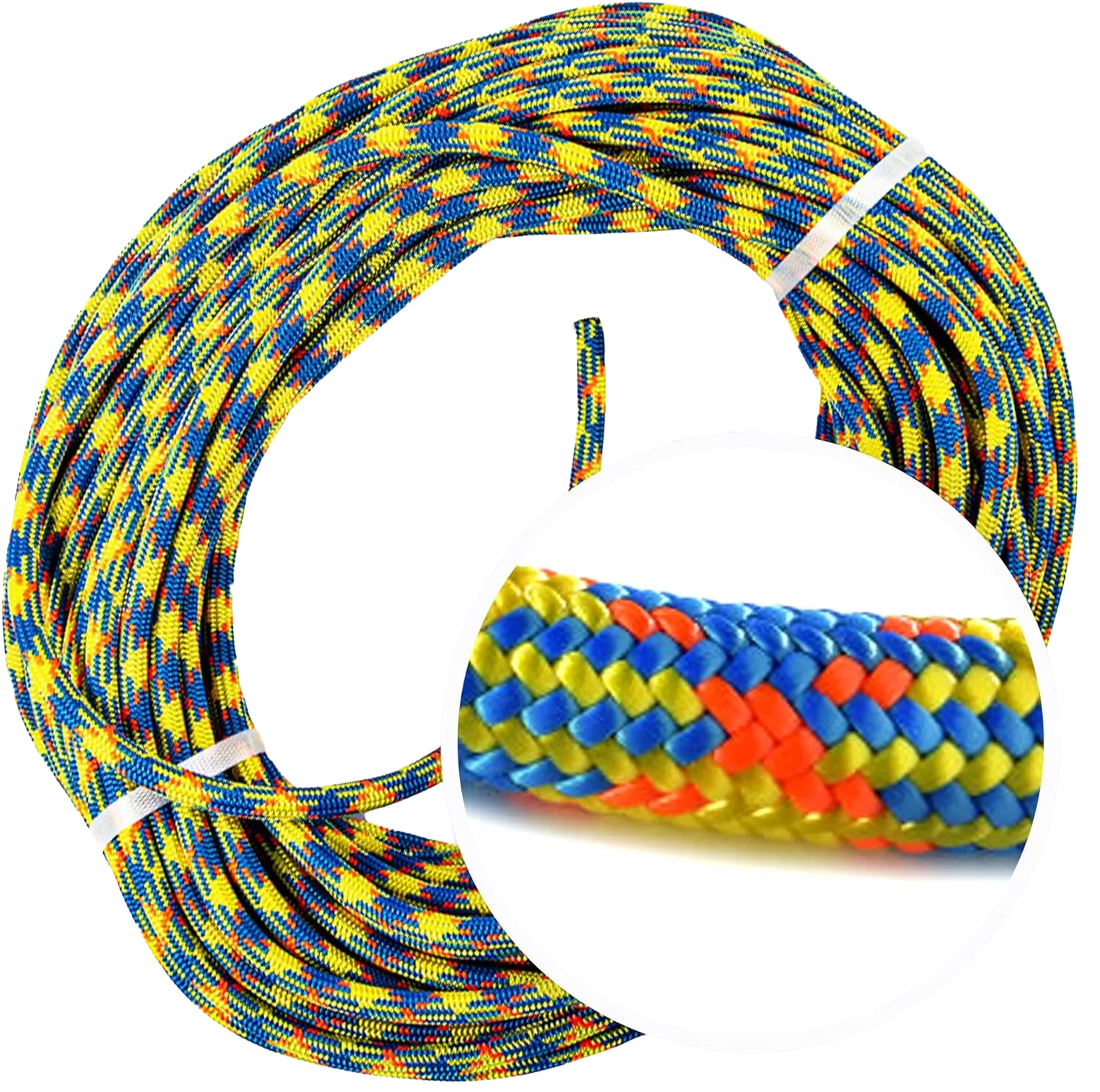
This requires “semi-static” ropes that balance the static efficiency needed for SRS (to prevent bouncing) with the slight cushion desired for MRS. While rock climbing uses dynamic ropes, tree climbing demands static vs dynamic awareness; we need static performance for access but energy absorption for work positioning. Understanding these technical demands allows us to curate specific recreational vs professional tree climbing equipment loadouts that match the climber’s actual daily reality. For a deeper dive into fiber science—comparing kernmantle, 16-strand, and 24-strand construction—Teufelberger’s technical resources offer excellent data on elongation and energy absorption.
Our Selection Process: How We Built This Guide
We prioritized data over marketing, analyzing technical notices and safety manuals rather than ad copy. Every product below was scored against six criteria: System Compatibility, Safety Certification, Ergonomics, Durability/ROI, Versatility, and Field Serviceability.
We identified three distinct user personas (Production, Beginner, Tech Specialist) and matched gear specifically to their unique operational needs and budgets. Note: We may earn a commission if you purchase through our links, but our recommendations are driven strictly by performance data.
The Best Tree Climbing Gear of 2026: Our Top Recommendations for Every Need
Our Top Picks for The Production Arborist (“The Daily Grinder”)
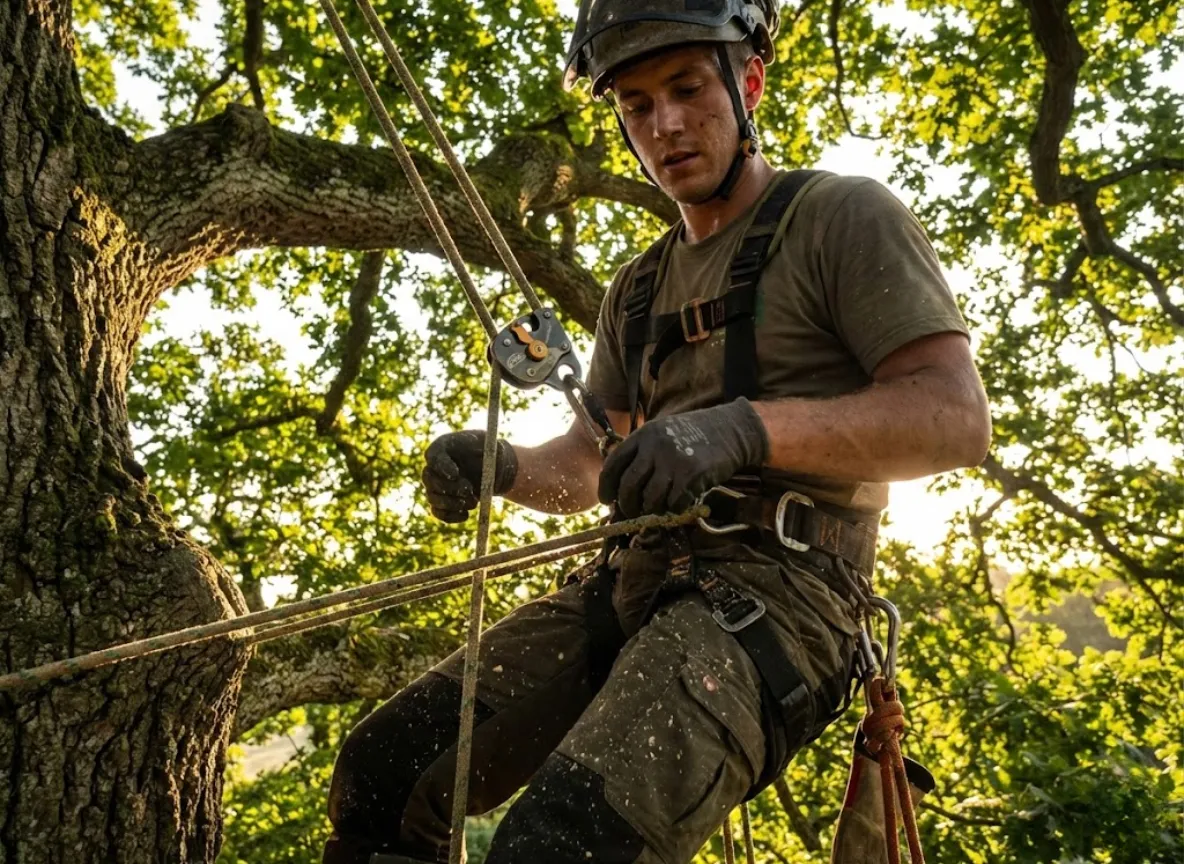
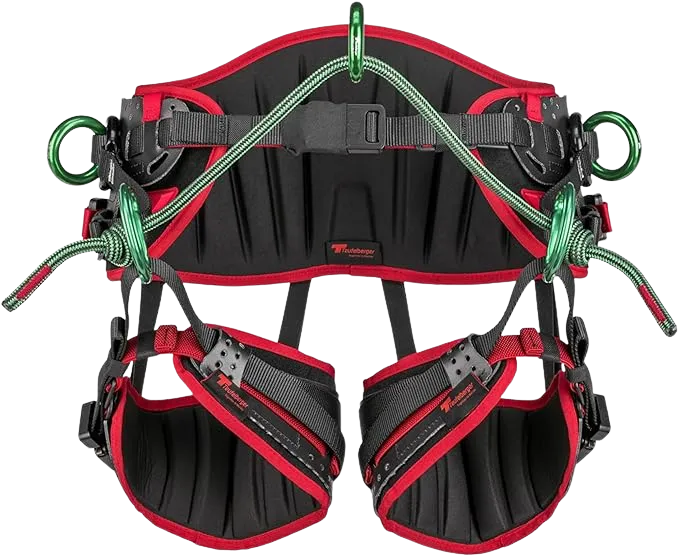
This persona climbs daily for income, requiring maximum efficiency, durability, and hybrid SRS/MRS capability. This setup often pairs with a work positioning lanyard (specifically a wire-core flipline for removals) and robust chainsaw protection.
Our Top Picks for The Budget-Conscious Beginner (“The Apprentice”)
Focus on safety, simplicity, and forgiveness. These users need gradual failure modes and high durability while learning basic knots. A beginner tree climbing kit should also include a throw line (like Zing-it), throw weights, storage cubes, and a friction saver or cambium saver to protect the tree. For tree removals, consider spurs, climbers, or gaffs (spikes), but only for dead wood.
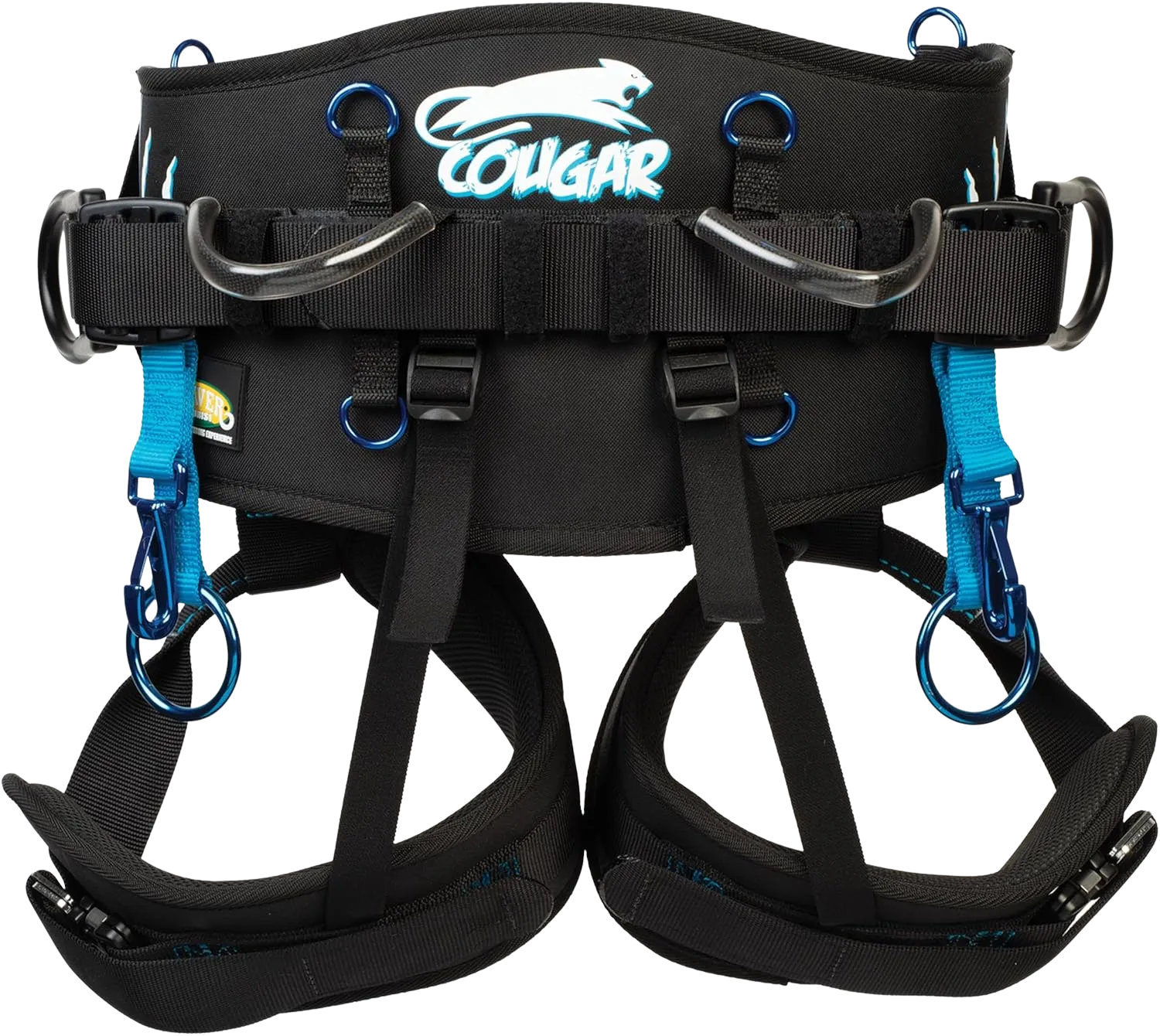

Our Top Picks for The Technical Canopy Specialist (“The SRT Tech”)
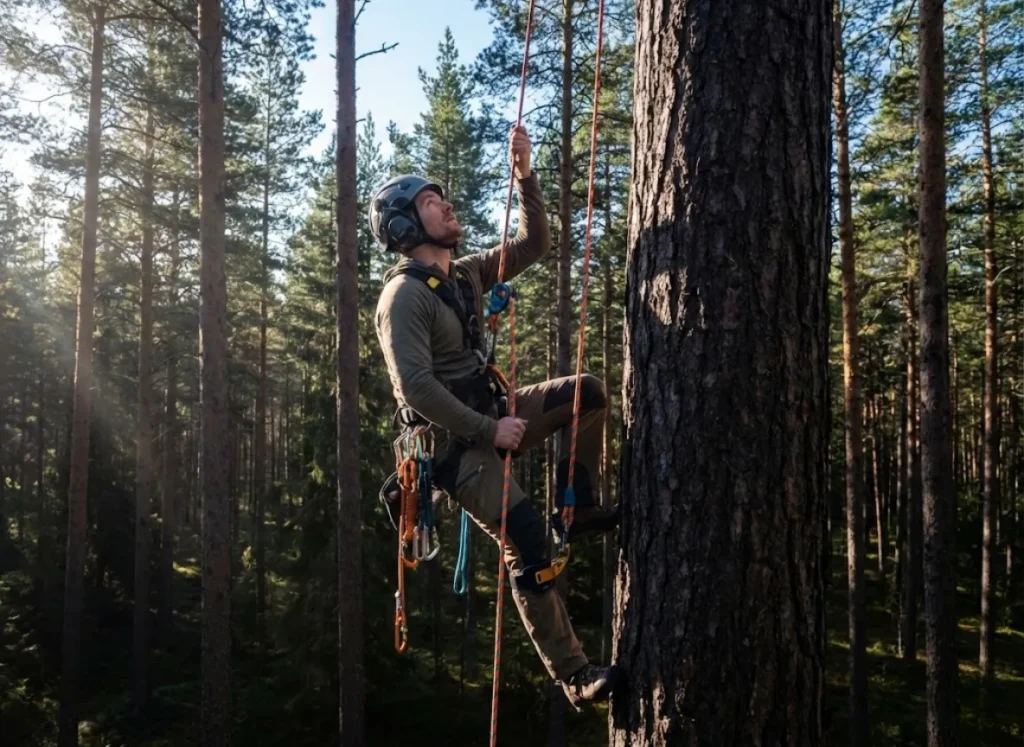
For the climber obsessed with efficiency, speed, and low-friction ascent. Focus on static performance and customizability, often utilizing basal anchor systems and advanced ascenders.
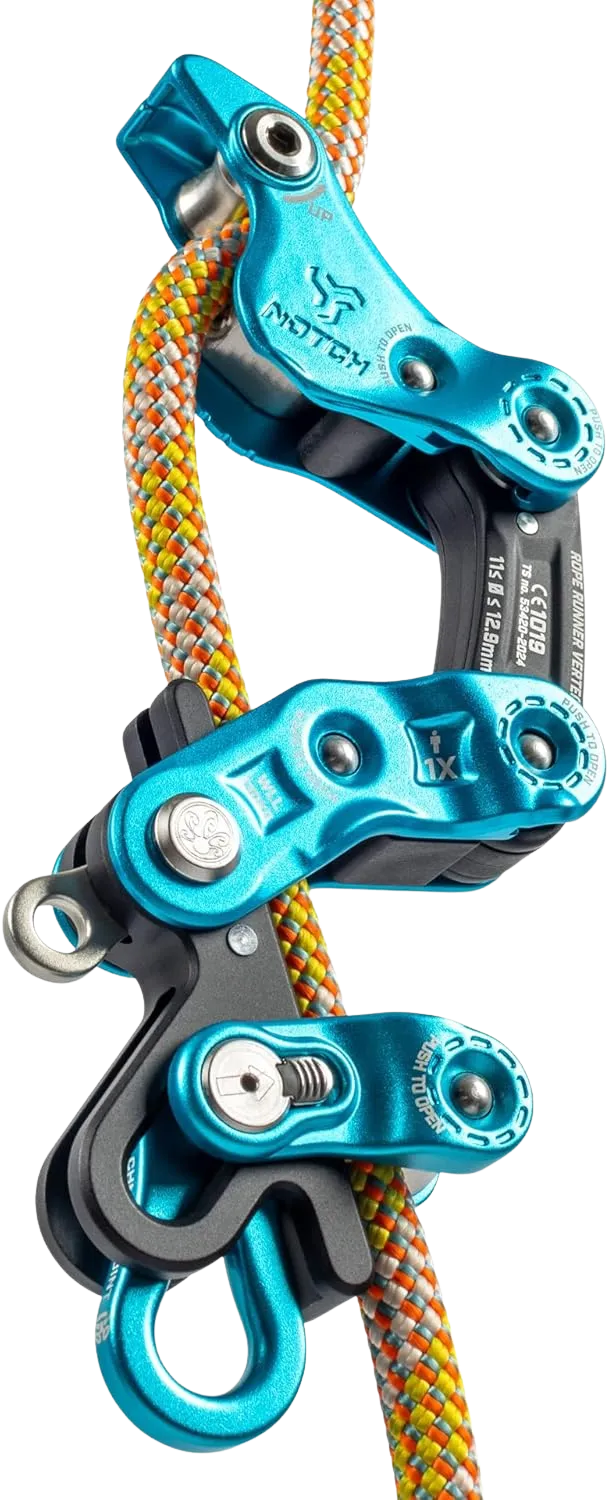
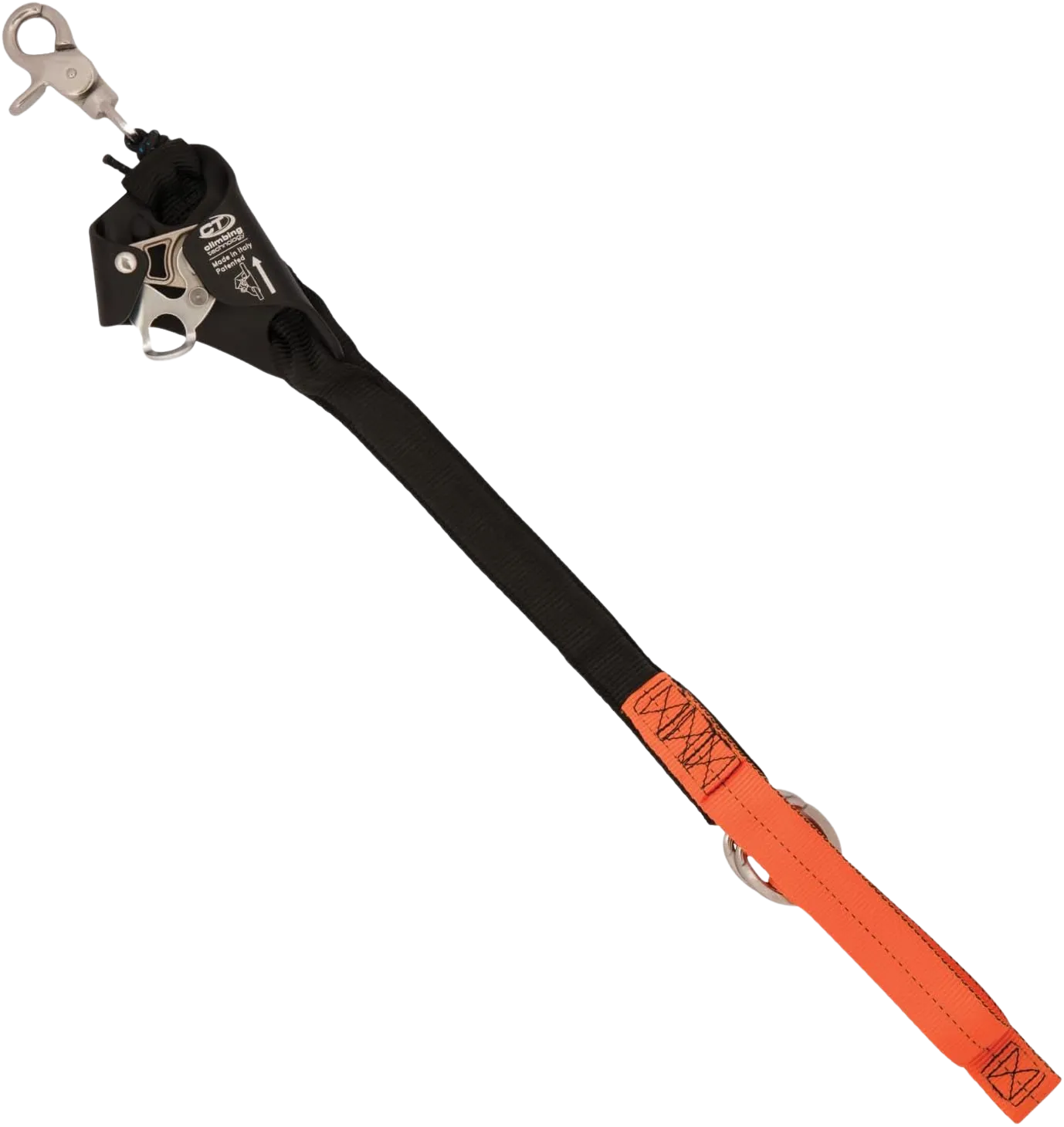
Final Thoughts on System Safety
Your life support system is not a place for guesswork or mismatched bargains. The system is key—no device works in isolation, and rope diameter, texture, and device tolerance must match perfectly. Safety is specific; knowing the difference between WLL and MBS is what keeps you alive when forces multiply during a fall or rigorous work in forestry.
Build your kit based on your persona. Buy the heavy durability for removals or the lightweight speed for pruning, but don’t mix them blindly. Whether you are using Petzl, DMM, or Rock Exotica, remember that ROI matters; selecting gear with replaceable parts like cams and bridges makes expensive investments cheaper over five years.
Audit your current climbing system for compatibility gaps today, upgrade the weakest link, and ensure your boots (like Arbortec) are secure before your next ascent.
FAQ – Frequently Asked Questions
What is the difference between MRS and SRS climbing systems?
MRS (Moving Rope System) uses a doubled rope over a branch, offering a 2:1 mechanical advantage but more friction. SRS (Stationary Rope System) uses a single fixed line, offering 1:1 efficiency and faster ascent. The Teufelberger drenaLINE is an excellent rope for hybrids.
Can I use rock climbing ropes for tree climbing?
No. Rock climbing ropes are dynamic (stretchy) to catch falls, while tree climbing ropes are semi-static (low stretch) to minimize bouncing during ascent and prevent energy loss. Using a dynamic rope for SRS is inefficient and frustrating.
How often should I replace my climbing rope and harness?
Most manufacturers recommend a maximum lifespan of 5-10 years from the date of manufacture. However, gear must be retired immediately if it shows core damage, heavy glazing, or fails a tactile inspection. Learn more in our Rope Safety Guide.
Do I really need a dedicated tree climbing helmet?
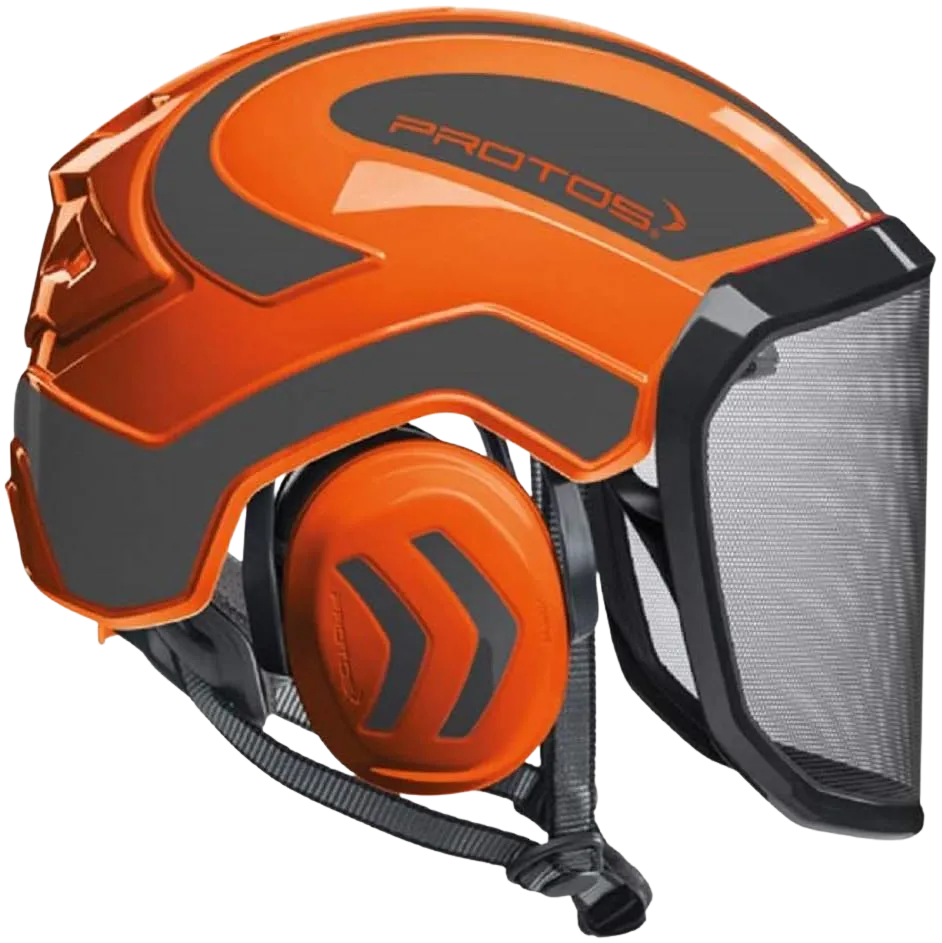
Yes. Unlike construction helmets, tree climbing helmets like the Protos Integral Arborist have chinstraps to stay on during a fall and offer side-impact protection for swinging into branches.
Safety Notice: Rock climbing and mountaineering are inherently high-risk
activities that can involve physical trauma or fatal incidents. The information on Rock Climbing Realms is for
educational and informational purposes only. Techniques and advice presented here are not a substitute
for professional, hands-on instruction. Conditions and risks vary by location. Always seek guidance
from a qualified instructor before attempting new techniques. By using this website, you agree that you
are solely responsible for your own safety. Any reliance you place on this information is strictly
at your own risk, and you assume all liability for your actions. Rock Climbing Realms and its authors
will not be held liable for any harm, damage, or loss sustained in connection with the use of this information.
Affiliate Disclosure: We are a participant in the Amazon Services LLC Associates Program, an
affiliate advertising program designed to provide a means for us to earn advertising fees by advertising and linking
to Amazon.com. As an Amazon Associate, we earn from qualifying purchases. We are also an official affiliate partner
of Black Diamond Equipment via the AvantLink network. If you click on a Black Diamond affiliate link and make a
purchase, we may earn a commission at no additional cost to you. We also participate in other affiliate programs.
Additional terms are found in the terms of service.