
In this article
Blood flow cuts off at the femoral artery after six minutes of hanging in cheap foam. The numbness creeping down your legs at a hanging belay isn’t a badge of honor; it’s a failure of engineering. A climbing harness determines whether you are fighting your gear or focusing on the rock. It is the critical interface between human ambition and gravity, serving as your primary climbing protection.
The “best” Petzl climbing harness does not exist in a vacuum. It exists only in relation to your objective—whether that is a multi-pitch granite spire, a limestone sport project, or a glacial traverse.
We tested these rigs on everything from greasy gym climbing holds to sharp alpine granite to guide your active research. We focus on precision over padding because a harness that feels soft in the store often transforms into a torture device ten pitches up.
How to Choose the Right Petzl Harness: An Expert’s Framework
You don’t need marketing jargon; you need biomechanical support. Understanding how a harness manages load is the difference between a painful siege and a successful send. This framework will help you navigate the massive Petzl brand ecosystem.
Load Distribution vs. Perceived Softness: The “Belay Test”
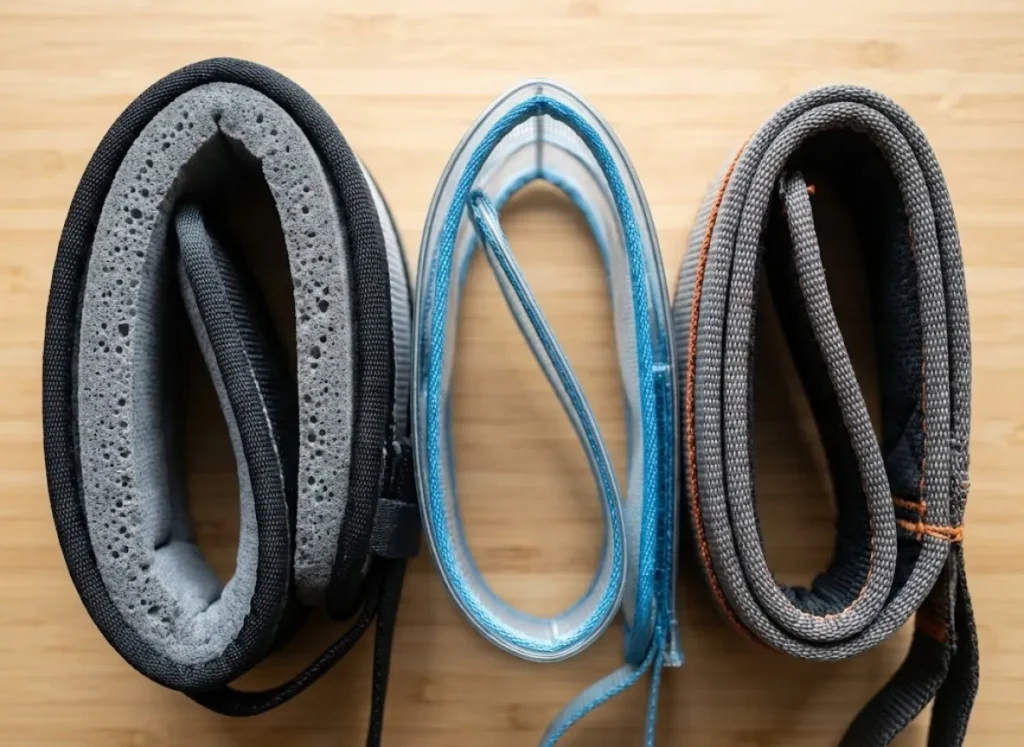
Thick, open-cell foam feels luxurious when you are standing in a gear shop (standing comfort). But under the full weight of a climber, that soft foam collapses. This creates pressure points that pinch the sciatic nerve and cut circulation, destroying hanging comfort.
True comfort comes from load distribution, not thickness. Petzl employs three distinct architectures to solve this. Frame Technology (found in the Corax) uses webbing over closed-cell foam. Fuseframe (Hirundos) thermoforms the foam for a lower profile.
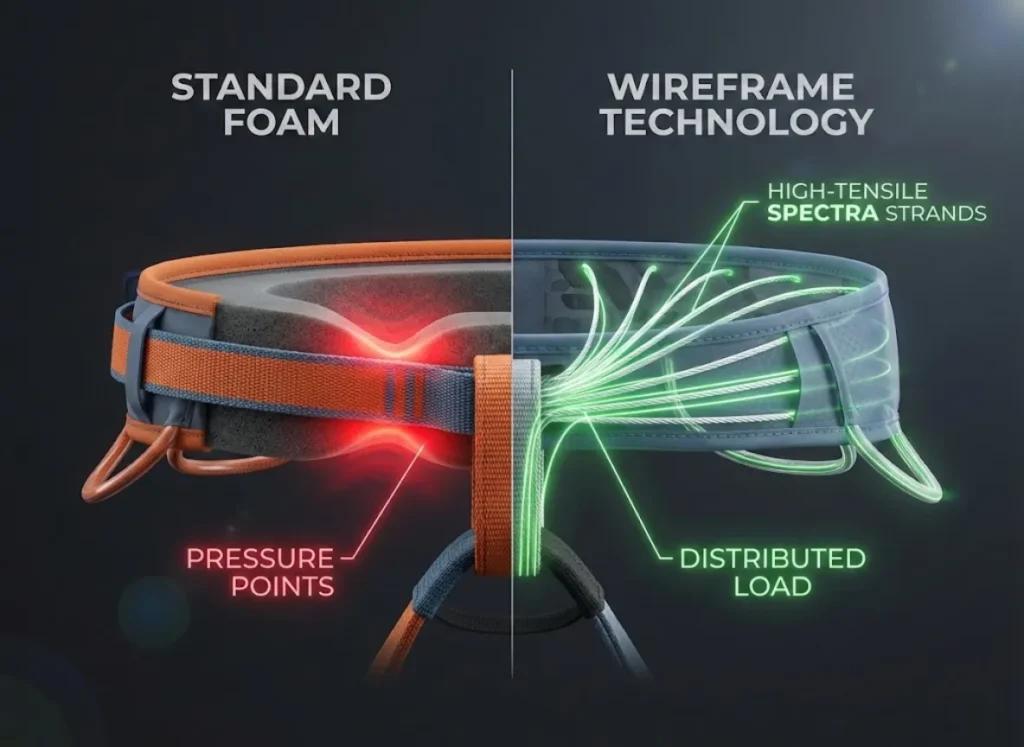
Wireframe Technology (found in the Petzl Sitta and Petzl Fly) uses load-bearing Spectra strands to distribute force across the entire surface area of the iliac crest and thigh.
When testing, ignore the “squish” factor. Hang in the harness and monitor for hot spots. This biomechanical reality is detailed in Petzl’s technical guide, which explains the physics of suspension. It is also critical to avoid common sizing mistakes that place the load on your lower back instead of your hips.
Racking Efficiency: Why Loop Layout Matters More Than Quantity
A harness isn’t just for safety; it’s a tool belt. The orientation of your gear storage dictates your flow on the wall. Sport climbers benefit from sleek profiles, but trad climbers need specific architecture.
Rigid front gear loops that angle gear forward allow for blind retrieval during desperate clips. However, the “5th gear loop” is the deciding factor for multi-pitch efficiency. Models like the Adjama feature a dedicated rear loop for tag lines, descent shoes, and anchor kits. This keeps your main racking space clear.
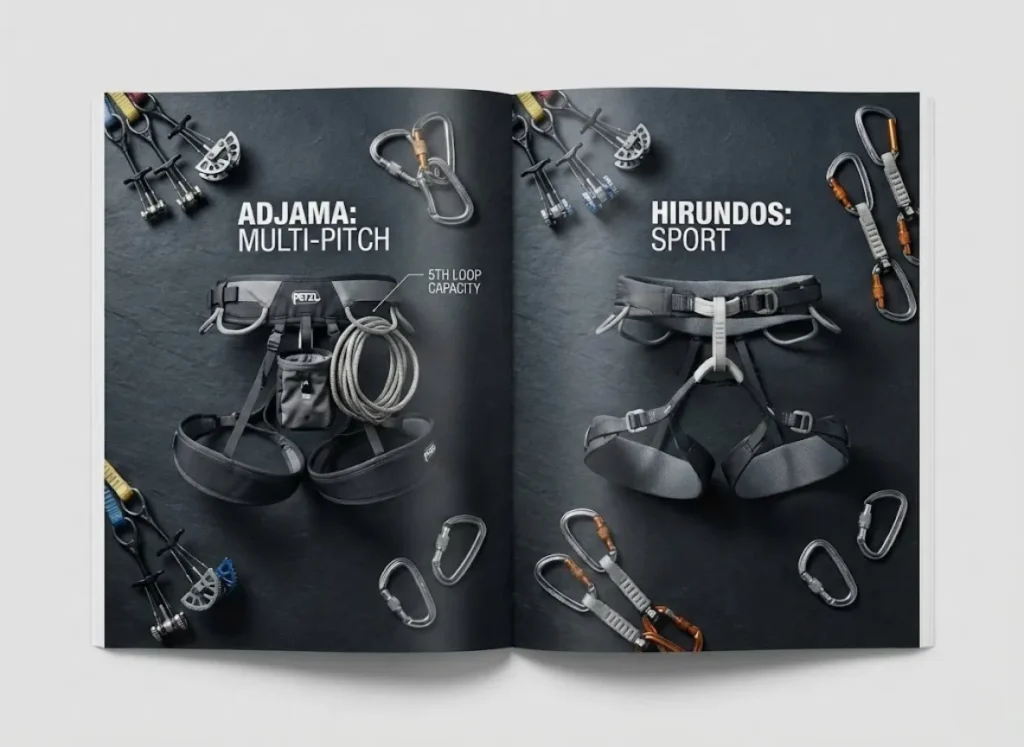
Most Petzl models also offer Caritool compatibility via dedicated ice clipper slots, allowing you to expand your racking for winter ascents.
Pro-Tip: If you climb with a pack, ensure the soft rear gear loops are flexible and lie flat. Rigid rear loops will dig into your kidneys under a hip belt.
Proper loop design is essential for organizing your trad rack so you aren’t fumbling for a cam when your forearms are pumping out.
Lifespan & Durability: When to Retire Your Rig
Textiles degrade. While metal hardware lasts ages, the nylon and Dyneema reinforcement in your harness have a clock on them. The tie-in points and leg loop connectors are the primary abrasion zones.
High-end Petzl models reinforce these high-friction areas with HMPE (High-Modulus Polyethylene) to extend service life. However, even with reinforcements, safety protocols are non-negotiable. Petzl mandates a maximum 10-year plastic lifespan, but daily use shortens this drastically.
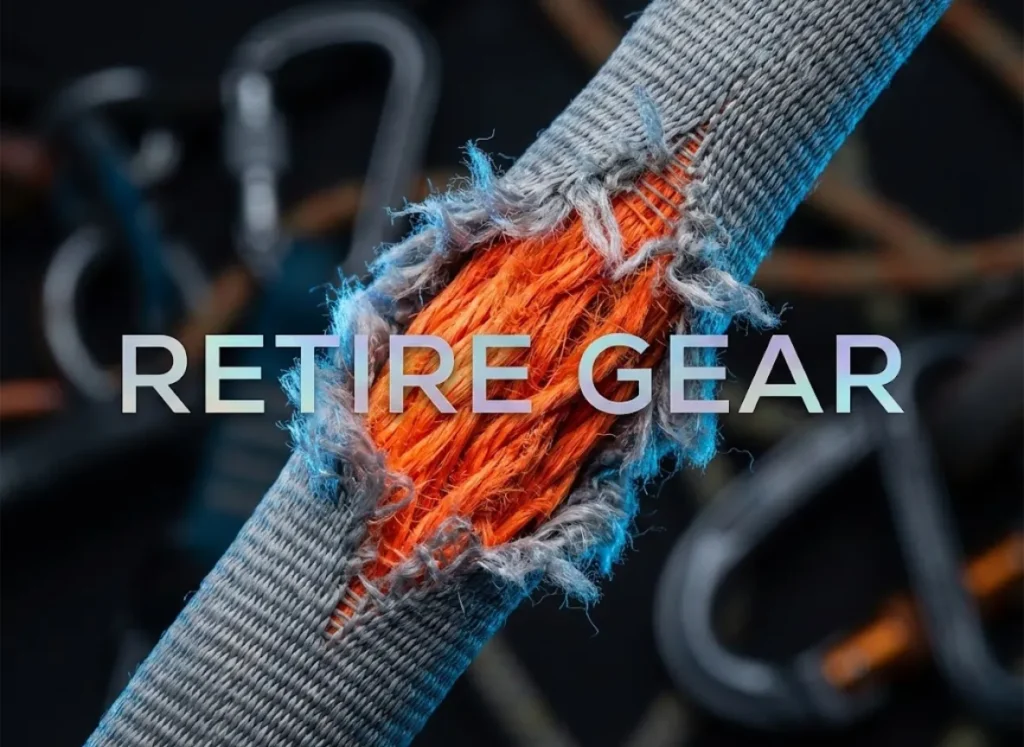
You must inspect your gear regularly. Follow the official inspection protocol to identify structural damage. Understanding the true harness lifespan ensures you retire your rig before it becomes a liability.
Our Selection Process: How We Built This Guide
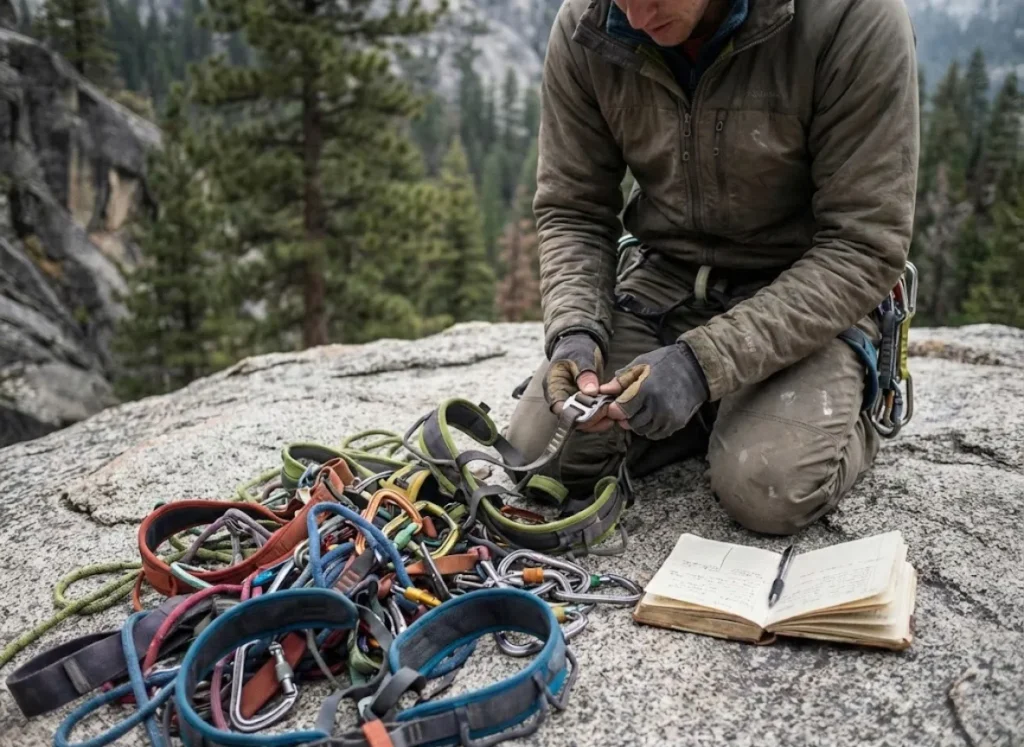
We do not accept sponsored placements for safety equipment. In vertical environments, gear failure is a catastrophe, not an inconvenience. Every harness here was analyzed against six criteria: Hanging Comfort, Mobility, Racking Efficiency, Adjustability, Durability, and Weight-to-Performance Ratio.
We cross-referenced technical specifications from the Petzl 2025/2026 workbook with a meta-analysis of field reviews from outlets like OutdoorGearLab, Switchback Travel, and EpicTV. We looked for models that consistently outperform their specs in real-world scenarios. While we may earn a commission if you purchase through our links, this funds our research and never influences our safety recommendations.
The Best Petzl Climbing Harnesses of 2026: Our Top Recommendations
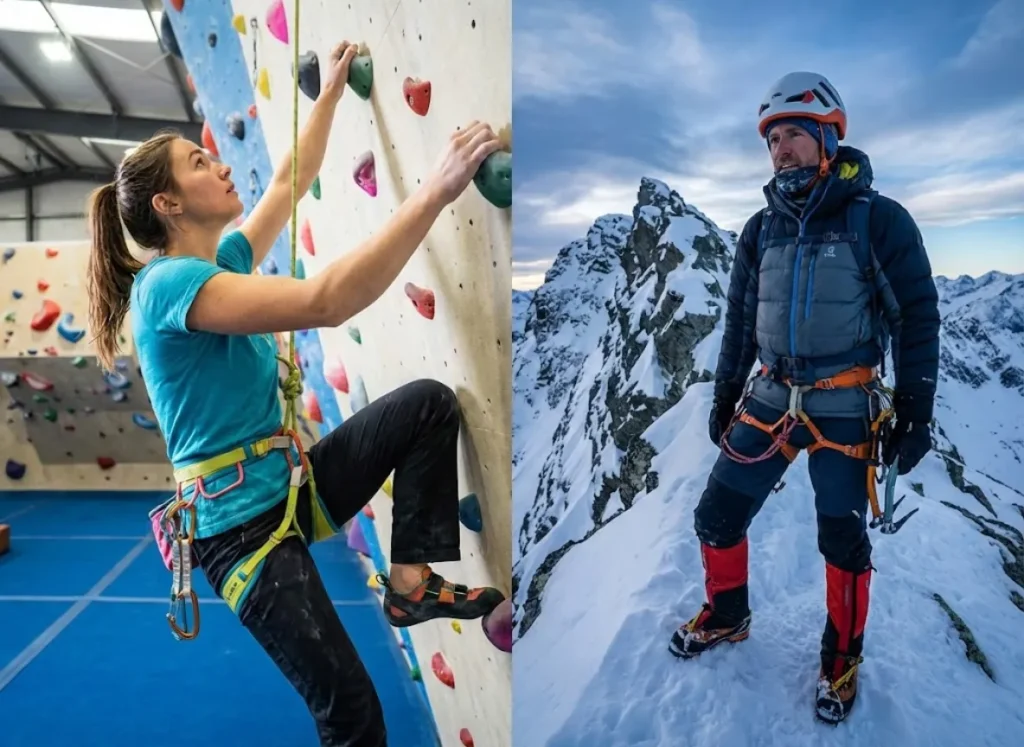
Our Top Picks for The Multi-Disciplinary Trad Leader (“The Weekend Warrior”)
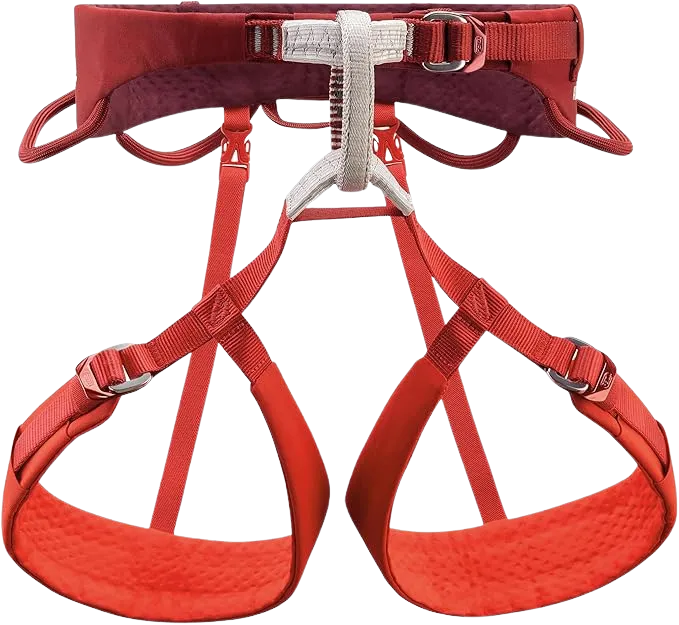
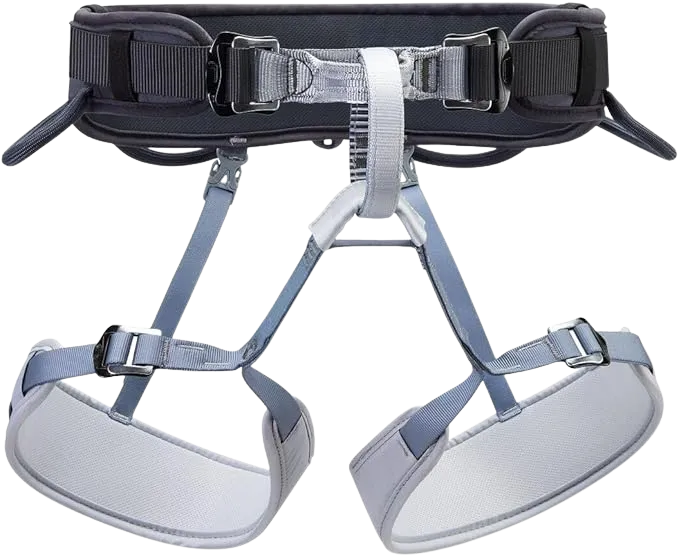
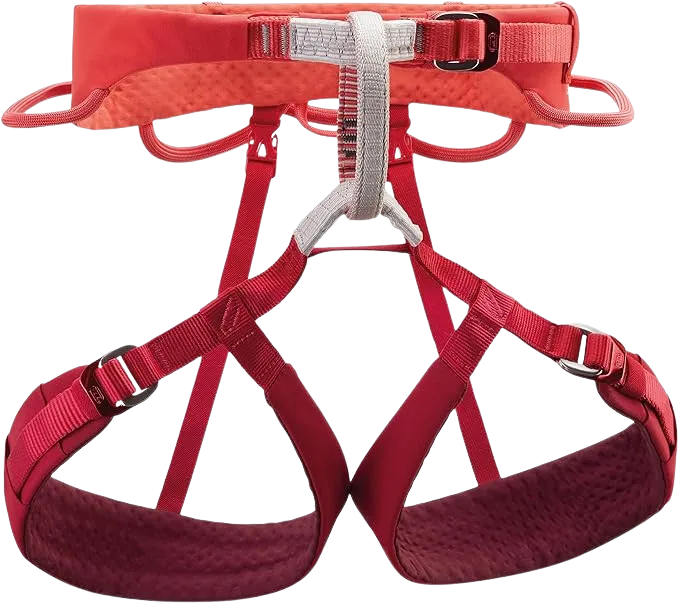
Our Top Picks for The Vertical Athlete (Sport/Gym)
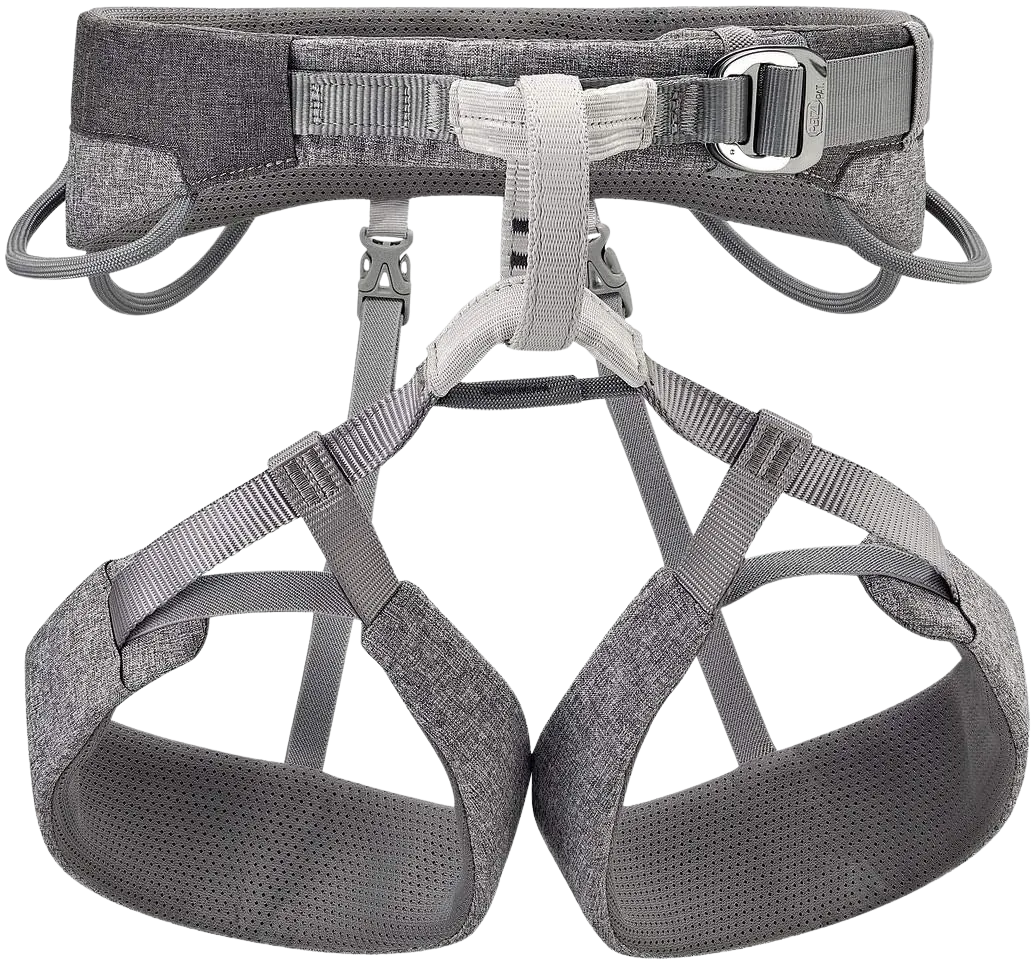
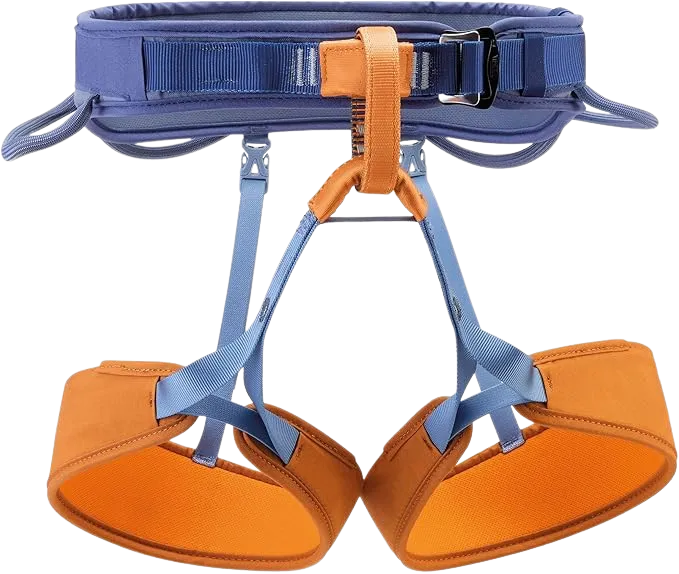
Our Top Picks for The High-Alpine Minimalist
However, do not buy this for rock climbing; the lack of padding makes taking a lead fall jarring, and the lightweight materials are not designed for repeated abrasion against rock.
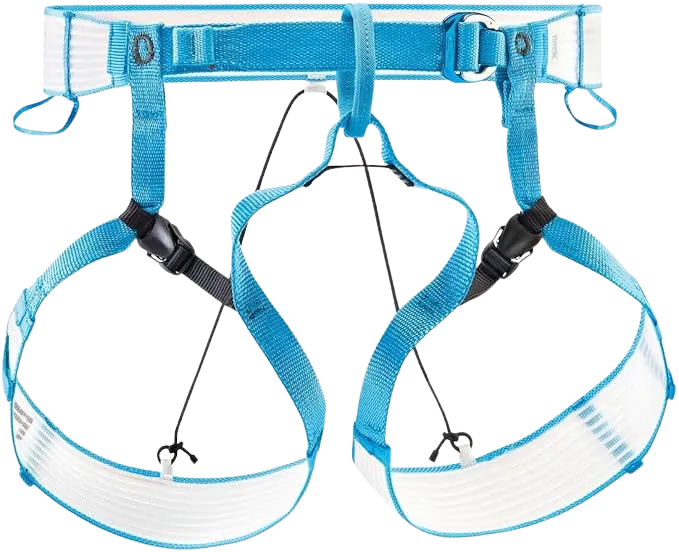
Conclusion
A Wireframe harness is wasted in the gym, and a foam frame is a burden in the alpine. Context is everything. Match the technology to your terrain using this Petzl decision tree, not the marketing hype.
If you are building a trad rack, the 5-loop layout of the Adjama is a non-negotiable upgrade for gear management. For gym climbers, comfort reigns supreme, but fit is the final arbiter. No amount of technology fixes a harness that pinches your waist or restricts your thighs.
Check the specific sizing charts for your thigh circumference—Petzl’s fixed leg loops run tight on athletic builds—and invest in the harness that fits your goals for the next three years.
FAQ – Frequently Asked Questions
How long does a Petzl climbing harness actually last?
Petzl mandates retirement 10 years after the date of manufacture. However, for daily users, expect a service life of 1-3 years before abrasion on tie-in points becomes a safety concern.
Why do my legs go numb in the Hirundos or Sama?
These models feature fixed leg loops with elastic. If your thigh circumference is at the upper limit of the size range, the elastic constricts blood flow. Consider the Adjama or Aquila for adjustable buckles.
Can I wash my climbing harness?
Yes. Hand wash in lukewarm water (max 30°C) with mild, pH-neutral soap. Air dry away from UV light. See our full guide on how to clean climbing gear for details.
What is the difference between EndoFrame and Fuseframe?
EndoFrame (Adjama or Sama) uses split webbing encased in foam padding for a traditional cushioned feel. Fuseframe (Hirundos or Aquila) fuses the webbing directly into thin thermoformed foam for a slimmer, lighter, and firmer profile.
Safety Notice: Rock climbing and mountaineering are inherently high-risk
activities that can involve physical trauma or fatal incidents. The information on Rock Climbing Realms is for
educational and informational purposes only. Techniques and advice presented here are not a substitute
for professional, hands-on instruction. Conditions and risks vary by location. Always seek guidance
from a qualified instructor before attempting new techniques. By using this website, you agree that you
are solely responsible for your own safety. Any reliance you place on this information is strictly
at your own risk, and you assume all liability for your actions. Rock Climbing Realms and its authors
will not be held liable for any harm, damage, or loss sustained in connection with the use of this information.
Affiliate Disclosure: We are a participant in the Amazon Services LLC Associates Program, an
affiliate advertising program designed to provide a means for us to earn advertising fees by advertising and linking
to Amazon.com. As an Amazon Associate, we earn from qualifying purchases. We are also an official affiliate partner
of Black Diamond Equipment via the AvantLink network. If you click on a Black Diamond affiliate link and make a
purchase, we may earn a commission at no additional cost to you. We also participate in other affiliate programs.
Additional terms are found in the terms of service.