Home Climbing Media and Publications Best Climbing Books: The Ultimate Climber’s Library

Best Climbing Books: The Ultimate Climber’s Library

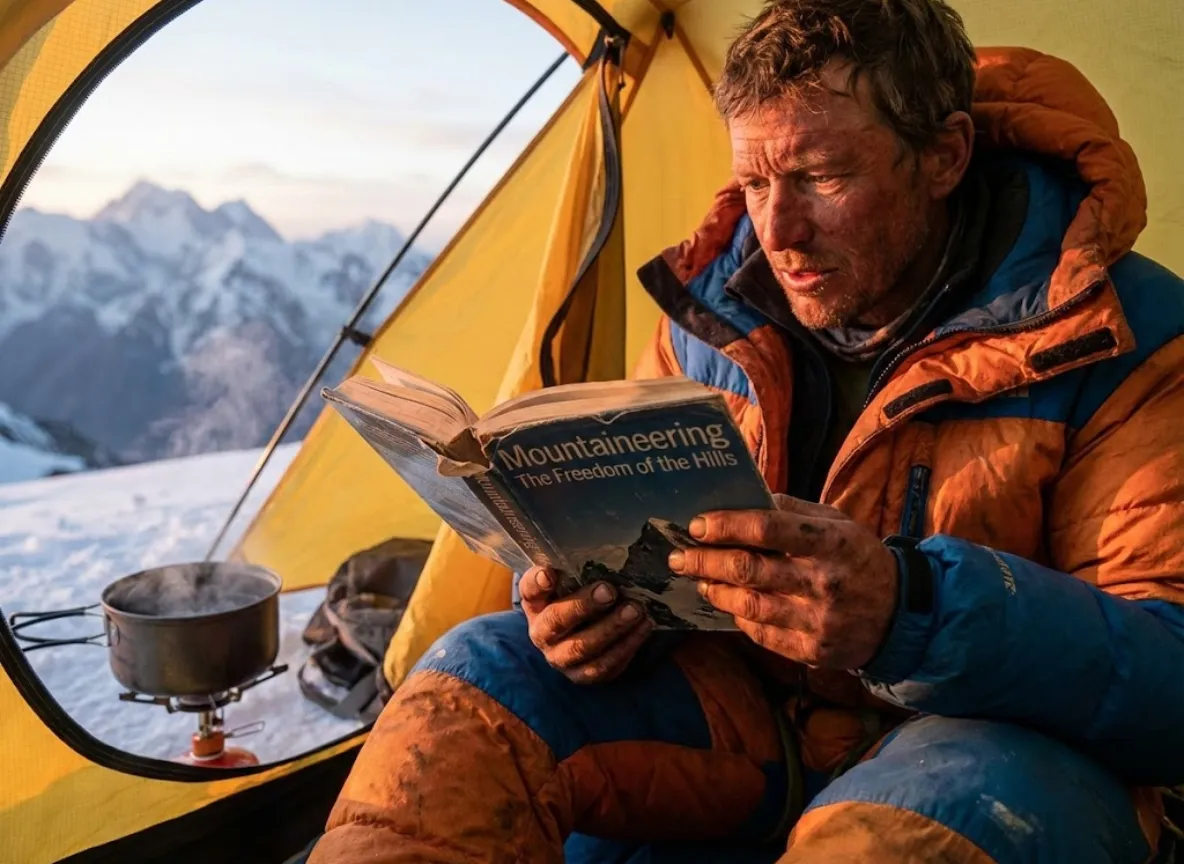
An alpine climber reading a mountaineering book inside a tent high in the mountains during sunset.

Gravity is the ultimate arbiter, but ignorance is the silent killer. A frayed rope is visible; a flaw in your anchor system or a gap in your historical understanding of the terrain is not. I’ve spent two decades guiding clients through high-consequence terrain, from the granite spires of the Bugaboos to the chossy gullies of the Rockies, and I’ve learned that the modern climber does not survive on physical strength alone. You need a “mind palace” constructed from the collective wisdom of those who came before.

This library is not just a collection of paper; it is a curriculum for survival, a roadmap for athletic progression, and a mirror for the ethical soul of the sport. We will dismantle the “conquest” myths of old, prioritize texts that align with current AMGA/UIAA safety standards, and separate rigorous sports science from “old school” tribal knowledge. This is the hardware for your head.

How to Choose the Right Climbing Literature
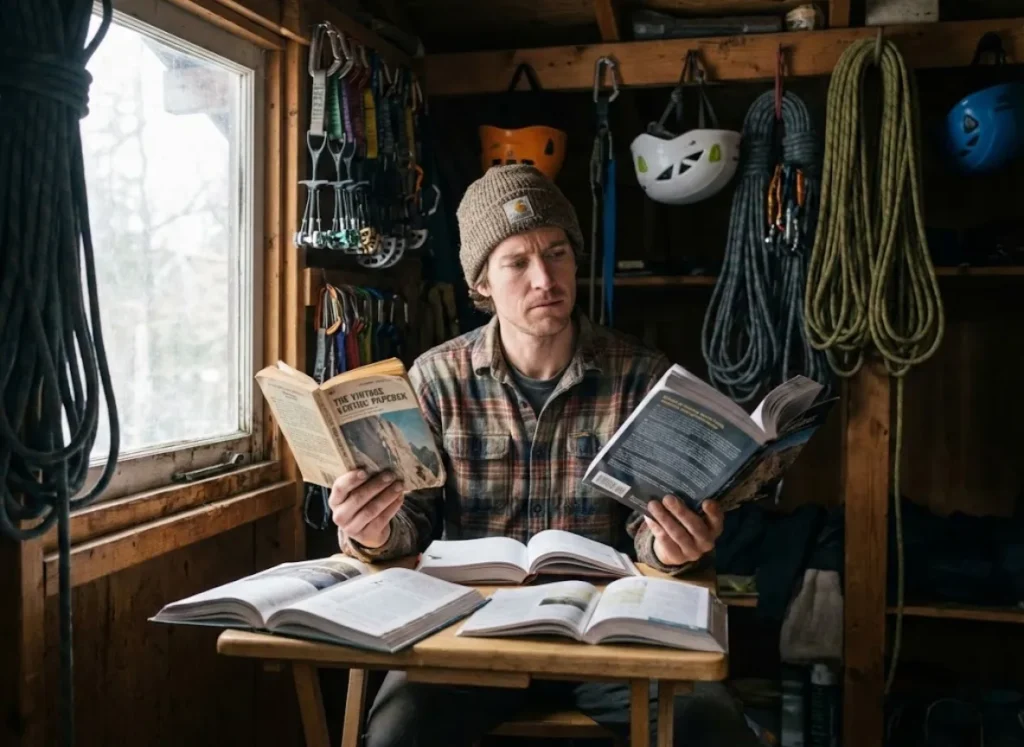
A climber inside a van comparing an old climbing book with a new guidebook at a wooden table.

You wouldn’t buy a used rope from the 1980s, yet many climbers rely on outdated instruction manuals that preach techniques we stopped using decades ago. To build a library that actually protects you, you must distinguish between nostalgic value and operational utility.

Accuracy and Standards Compliance

The “currency” of safety in climbing literature is the publication date. Techniques for belaying, anchor building, and self-rescue evolve rapidly based on accident analysis and gear innovation. A book published in 1995 might recommend a hip belay or a static tether system that we now know can generate catastrophic forces on the spine. Institutional vetting is your first filter; look for texts endorsed by the American Mountain Guides Association (AMGA) or The Mountaineers.

While technical accuracy keeps you safe, understanding the physiology of movement is what allows you to progress. Your library must serve as the theoretical backbone for building a foundation in safe rock climbing techniques, bridging the gap between reading about a figure-eight knot and trusting your life to one at the crag.

Narrative Authenticity & “Revisionist” Value

Authentic stories inspire us to climb, but the best modern literature does more than recount summits; it corrects the historical record. We are moving away from the colonial “Sahib” narratives of the 20th century toward stories that honor indigenous contributions, such as the Sherpa and Balti high-altitude workers.

Modern “Anti-Hero” narratives are equally vital. Instead of stoic bravado, we now look for authors who discuss fear, trauma, and failure openly. This vulnerability is not weakness; it is a tool for developing the mental resilience for climbing required when you are ten feet above your last bolt. Authentic stories inspire us to climb, but rigorous science ensures we are physically capable of the ascent.

Pro-Tip: Check the bibliography of any instructional book. If the majority of references are older than ten years, the author may be recycling outdated methodologies rather than engaging with current sports science.

Our Selection Process: How We Built This Guide
Close up of a climber's hands taking notes from climbing books and maps on a wooden table.

We do not rely on Amazon bestseller lists; we rely on the canon of the sport and peer-reviewed standards. Every book in this guide was scored on a 10-point scale across four pillars: Technical Depth, Narrative Quality, Historical Significance, and Authority (E-E-A-T).

Our commitment to objectivity means we scrutinized award winners from the Boardman Tasker and Banff festivals, consulted curriculum lists for professional guide certifications, and evaluated the specific utility for modern climbers. While we may earn a commission if you purchase through our links, our primary currency is your trust; we only recommend books that belong in a serious climber’s library.

The Best Climbing Books of 2026: Our Top Recommendations for Every Need
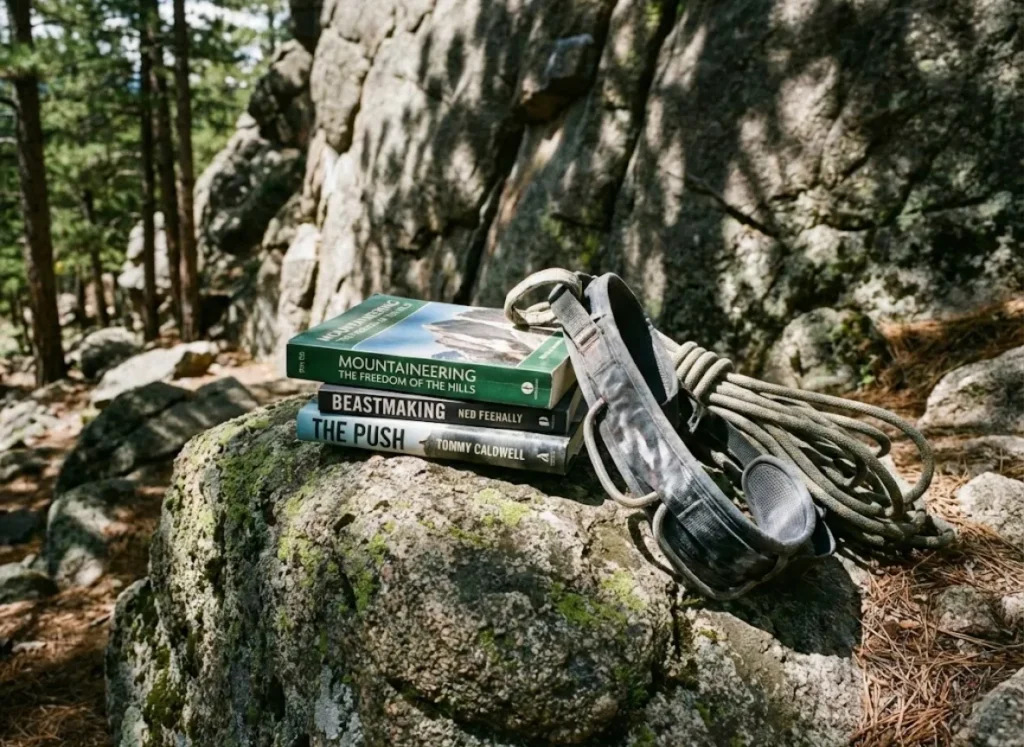
A stack of top-rated climbing books resting on a mossy boulder next to climbing gear in a forest.

We’ve structured this curated listicle into two distinct pillars: the “Technician’s Shelf” for instructional climbing books and manuals, and the “Dreamer’s Shelf” for adventure memoirs and mountaineering history. Whether you are an armchair mountaineer looking for epic tales or a student of the sport seeking technical mastery, this climber’s ultimate library has been filtered for accuracy and readability.

Our Top Picks for The Technical Practitioner (Instruction & Safety)

For the climber focused on safety systems, self-rescue, and technical climbing instruction, these books are non-negotiable. They prioritize technical density over narrative flair, serving as the operational manuals for your vertical life.
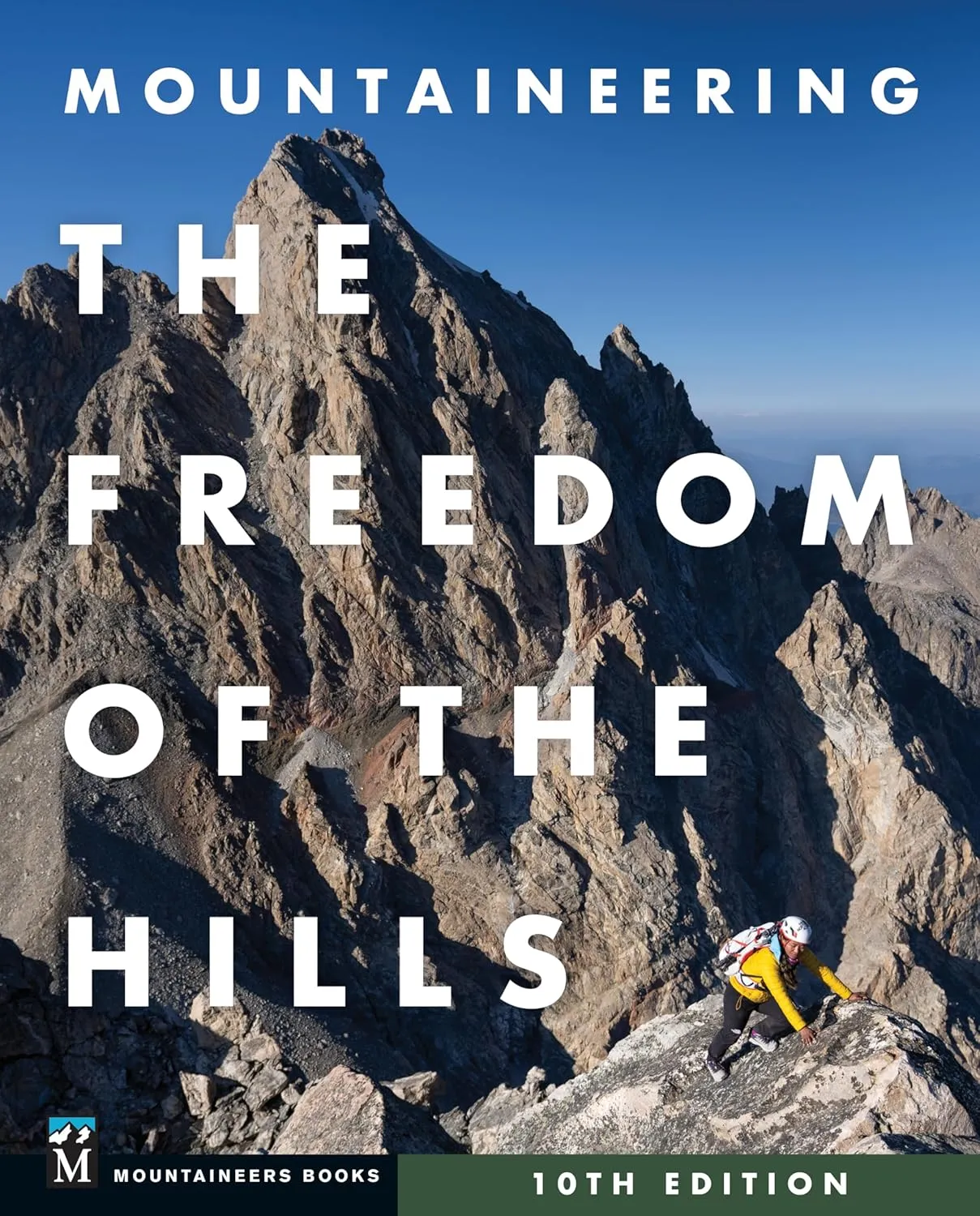
Mountaineering: The Freedom of the Hills (10th Ed)

$ $ $ $
Mountaineering: The Freedom of the Hills (10th Ed)

Often called the ‘Bible of Mountaineering,’ this massive text is the undisputed cornerstone of any outdoor library. The 10th edition, released in late 2024, is a critical update that revises safety protocols for glacier travel and anchor systems to match modern AMGA standards. It covers absolutely everything, from basic knot tying to complex crevasse rescue. However, be warned: it is incredibly dense and heavy. It functions strictly as a reference manual or textbook, not a casual read, and the sheer volume of information can be overwhelming for a complete novice without an instructor to guide them through the chapters.

Overall
Technical Depth
Narrative Quality
Historical Significance
Authority (E-E-A-T)
Instructional Value
Focus

Generalist Mountaineering & Technical Skills

Publisher

The Mountaineers Books

Key Feature

Comprehensive Encyclopedia Format

Target Audience

All Climbers (Beginner to Expert)

You Should Buy This If…

  • You need the single most comprehensive reference book for outdoor climbing and mountaineering.
  • You require up-to-date protocols on glacier travel, crevasse rescue, and anchor building.
  • You are taking or teaching a basic mountaineering course (often the required text).

You Should Reconsider If…

  • You are looking for a gripping narrative or memoir; this is a textbook.
  • You only climb indoors and have no interest in outdoor systems.

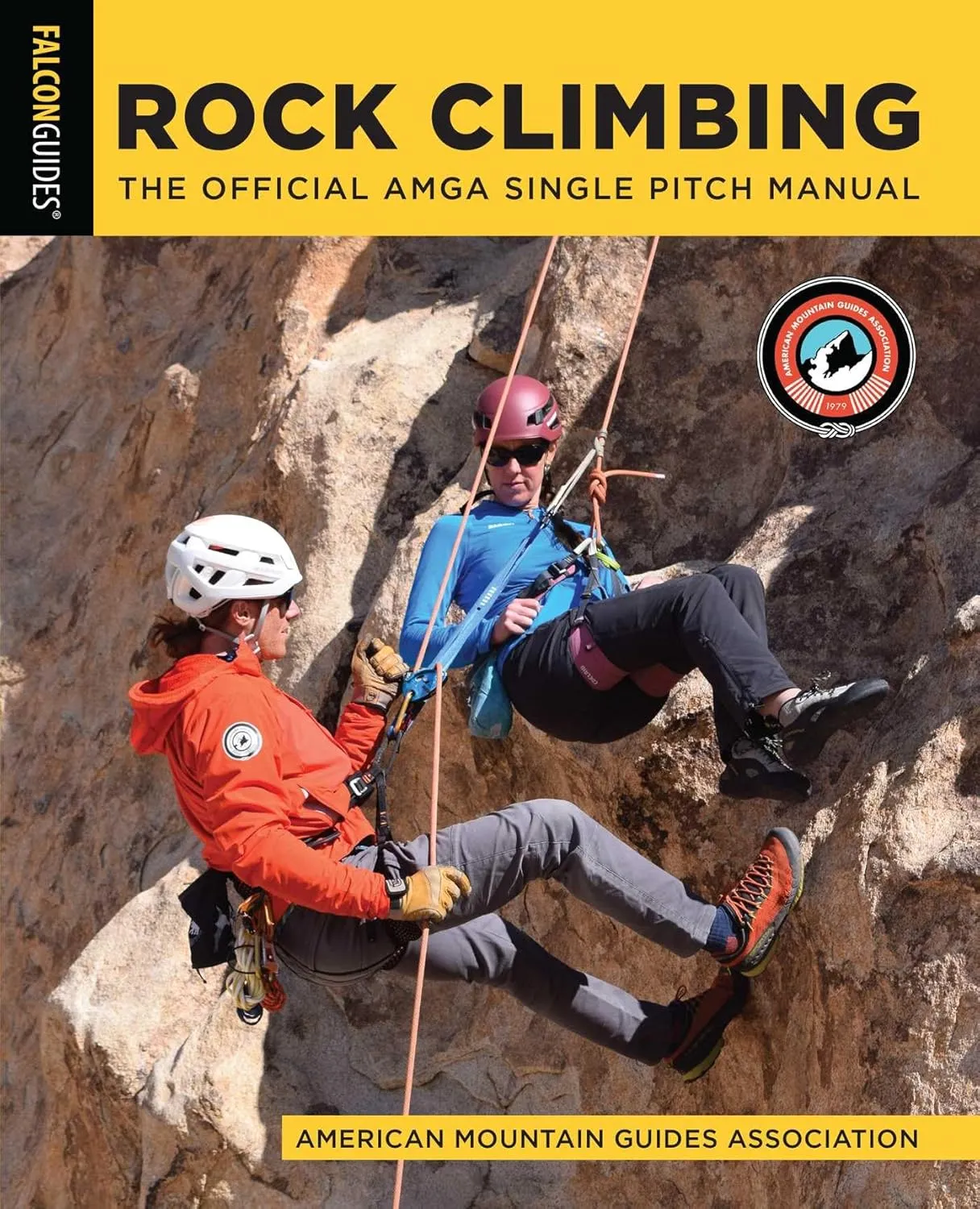
The AMGA Single Pitch Manual

$ $ $ $
The AMGA Single Pitch Manual

While Freedom of the Hills is the generalist’s bible, this manual is the specialist’s scalpel. Written by Bob Gaines and Jason Martin, it serves as the curriculum for the AMGA Single Pitch Instructor course, prioritizing standardized risk management and site organization. It excels at teaching you how to manage groups and build institutional-grade anchors. The downside is its dryness; it reads exactly like a technical manual and lacks the broader context of alpine travel. It is also quite expensive for its slender size, but for aspiring guides or mentors, the standardized clarity is worth the premium.

Overall
Technical Depth
Narrative Quality
Historical Significance
Authority (E-E-A-T)
Professional Utility
Focus

Professional Instruction & Risk Management

Authors

Bob Gaines and Jason Martin

Key Feature

Standardized Instructor Protocols

Target Audience

Aspiring Guides & Mentors

You Should Buy This If…

  • You are preparing for the AMGA Single Pitch Instructor (SPI) assessment.
  • You frequently take beginners climbing and want to manage group risk professionally.
  • You value standardized, visually clear systems for anchoring and client assistance.

You Should Reconsider If…

  • You are looking for a general ‘how-to-climb’ book; this is specific to instruction.
  • You are primarily an alpinist; this focuses on single-pitch terrain.

Honorable Mentions for Technical Mastery:
For those diving deeper into specialized disciplines, consider adding Alpine Climbing: Techniques to Take You Higher for intermediate mountaineers, or Mark Twight’s controversial yet seminal Extreme Alpinism for a look at the “fast and light” philosophy. If you want to avoid common pitfalls, Dave MacLeod’s 9 Out of 10 Climbers Make the Same Mistakes is a cult classic for the self-coached climber.

Our Top Picks for The Performance Athlete (Training & Psychology)

Training your body is only half the battle; the mind must follow. These selections balance mental training with physical conditioning, ranging from the scientific validity of Eric Hörst to the practical grit of the UK bouldering scene.
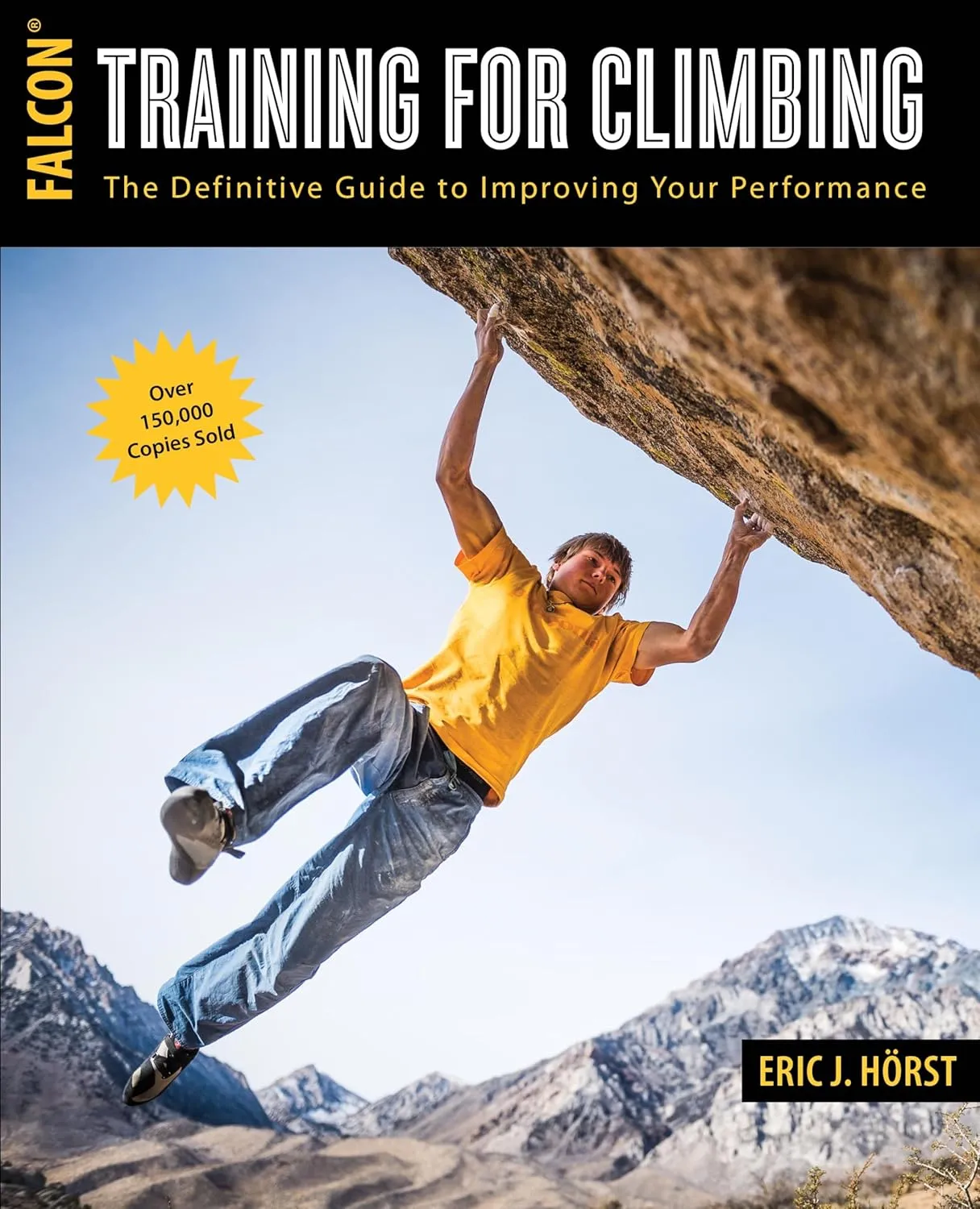
Training for Climbing (Eric Hörst)

$ $ $ $
Training for Climbing (Eric Hörst)

Eric Hörst treats climbing not just as a lifestyle, but as a rigorous branch of sports science. This book is the academic heavyweight of the genre, offering deep dives into metabolic energy systems, periodization cycles, and biomechanics. If you want to understand the why behind your pump, this is the resource. However, its strength is also its weakness: the scientific density can be paralyzing. It is text-heavy and requires a commitment to study; climbers looking for a simple ‘do this workout’ list might find the intricate physiology discussions tedious or overwhelming.

Overall
Technical Depth
Narrative Quality
Historical Significance
Authority (E-E-A-T)
Scientific Validity
Focus

Physiology, Metabolic Systems, Periodization

Author

Eric Hörst

Key Feature

Evidence-Based Training Protocols

Target Audience

Data-Driven Climbers & Coaches

You Should Buy This If…

  • You want to understand the why behind training (energy systems, physiology).
  • You enjoy structured, periodized training plans and tracking data.
  • You have hit a performance plateau and need a scientific approach to break it.

You Should Reconsider If…

  • You get ‘paralysis by analysis’ and prefer simple, actionable workouts.
  • You are looking for technique drills over strength protocols.

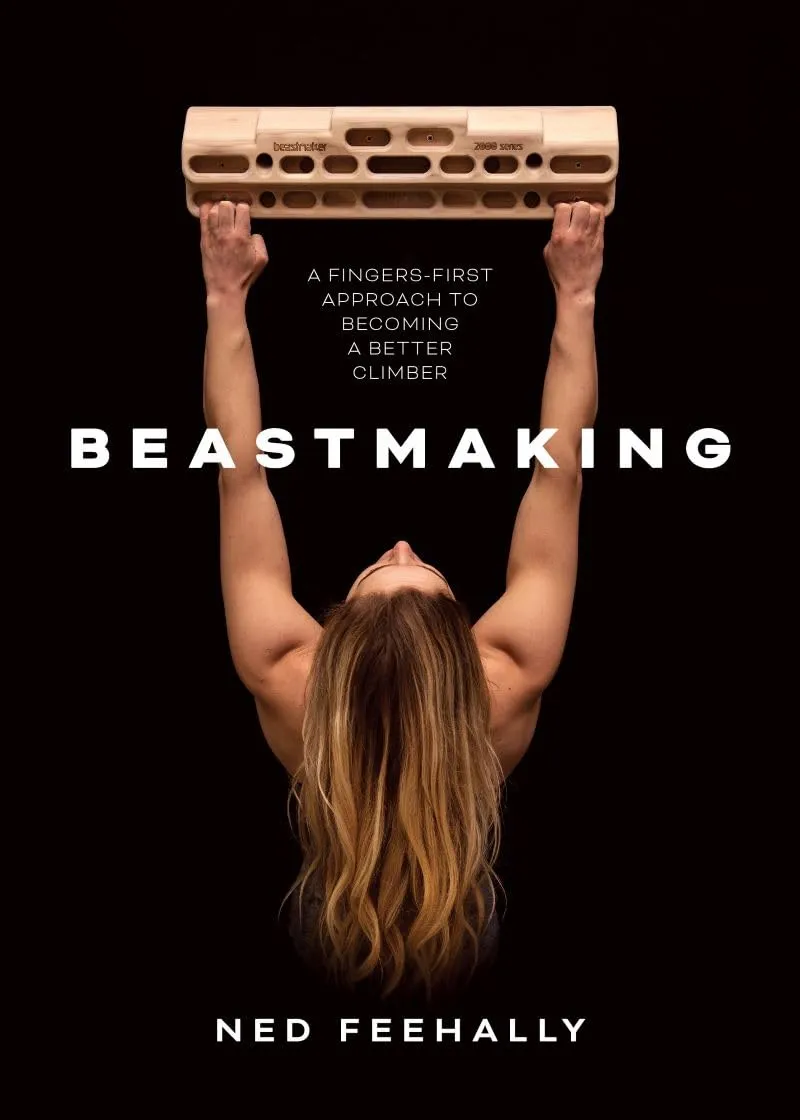
Beastmaking

$ $ $ $
Beastmaking

If Hörst is the scientist, Ned Feehally is the blacksmith. Beastmaking cuts through the academic noise with a practical, ‘fingers-first’ approach tailored for the modern boulderer. It demystifies hangboarding with clear, jargon-free instructions and focuses on raw recruitment. The advice is actionable immediately. The primary drawback is its specificity and intensity; the protocols are designed for intermediate to advanced climbers. Beginners or those recovering from tendon injuries may find the ‘recruit or die’ philosophy too aggressive, and it offers very little guidance on route climbing or aerobic endurance.

Overall
Technical Depth
Narrative Quality
Historical Significance
Authority (E-E-A-T)
Practicality
Focus

Finger Strength, Bouldering, Board Training

Author

Ned Feehally

Key Feature

Accessible, Jargon-Free Approach

Target Audience

Boulderers & Gym Climbers

You Should Buy This If…

  • You prioritize finger strength and bouldering performance.
  • You want a straightforward guide to hangboarding without excessive science.
  • You appreciate a practical, ‘no-nonsense’ tone from a world-class practitioner.

You Should Reconsider If…

  • You are looking for a comprehensive guide to aerobic endurance or route climbing strategy.
  • You need a detailed rehabilitation manual for injuries.

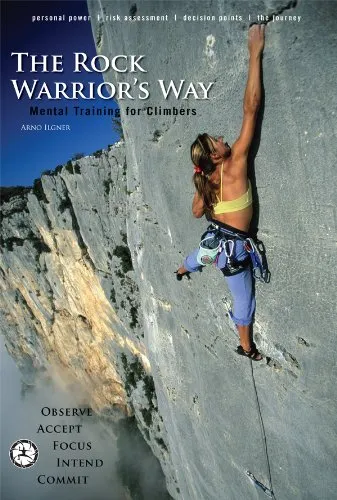
The Rock Warrior’s Way

$ $ $ $
The Rock Warrior's Way

Arno Ilgner’s classic addresses the software of the climber, reframing fear and failure through a lens of ‘unbending intent.’ It is the definitive text on the head game, teaching you to separate your self-worth from your sends. It is essential for anyone leading trad or sport. However, the tone can be polarizing; it relies heavily on quasi-philosophical and warrior-mystic language that some pragmatic climbers find a bit ‘woo-woo’ or abstract. You have to be willing to engage with the philosophy to get to the practical drills.

Overall
Technical Depth
Narrative Quality
Historical Significance
Authority (E-E-A-T)
Psychological Insight
Focus

Mental Training, Fear Management, Attention

Author

Arno Ilgner

Key Feature

Philosophy of ‘Unbending Intent’

Target Audience

Lead Climbers & Trad Climbers

You Should Buy This If…

  • Fear of falling is holding back your physical potential.
  • You want a holistic, slightly philosophical approach to mental training.
  • You struggle with performance anxiety or negative self-talk.

You Should Reconsider If…

  • You prefer a purely clinical/scientific approach (try Vertical Mind instead).
  • You are looking for physical training drills.

Our Top Picks for The Soul Searcher (Narrative & History)

The “Dreamer’s Shelf” holds the stories that fuel our obsession. From the Golden Age of Alpinism to modern survival narratives, these books explore the human condition at altitude. Whether it’s a pioneering climb or a tragic expedition, these titles have earned classic status.
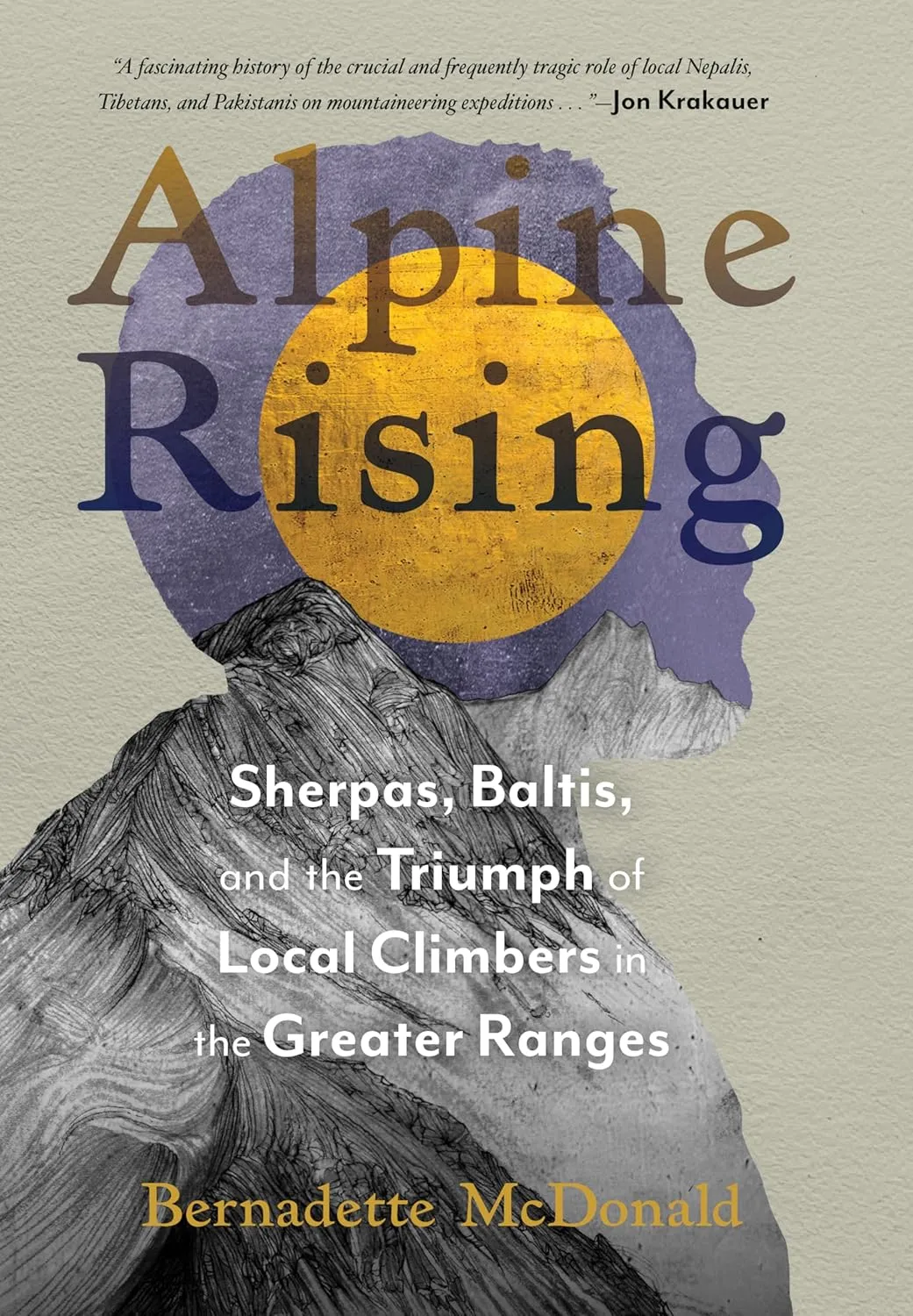

Alpine Rising

$ $ $ $
Alpine Rising

Bernadette McDonald has written a landmark work of revisionist history that is mandatory for the modern library. Alpine Rising dismantles the colonial narratives of the past, finally centering the Sherpa, Balti, and Pakistani climbers who were once relegated to the footnotes. It documents their transition from exploited laborers to elite alpinists. It is meticulously researched and deeply respectful. The only ‘downside’ is the weight of the subject matter; it is a dense historical account filled with the tragedy and geopolitical strife inherent to the region, making it a heavier read than a typical adventure thriller.

Overall
Technical Depth
Narrative Quality
Historical Significance
Authority (E-E-A-T)
Revisionist Value
Focus

Indigenous History, Himalayan Mountaineering

Author

Bernadette McDonald

Key Feature

2024 Banff Award Winner

Target Audience

History Buffs & Alpinists

You Should Buy This If…

  • You want a modern, corrective history of Himalayan climbing.
  • You are interested in the lives of the Sherpa and Balti climbers beyond their service roles.
  • You value meticulously researched, award-winning journalism.

You Should Reconsider If…

  • You are looking for a technical ‘how-to’ manual.
  • You prefer fast-paced, singular survival thrillers over broad historical context.

Touching the Void

$ $ $ $
Touching the Void

Joe Simpson’s memoir is arguably the most famous survival story in mountaineering history, and for good reason. It transcends the genre, reading like a psychological horror thriller as it recounts a disastrous climb in the Peruvian Andes. It is a profound treatise on ethical decision-making and the will to survive. However, it is not for the faint of heart. The descriptions of injury, delirium, and physical decay are graphic and disturbing. It can be a terrifying introduction to alpinism for friends or family members who don’t understand why we climb.

Overall
Technical Depth
Narrative Quality
Historical Significance
Authority (E-E-A-T)
Cultural Impact
Focus

Survival, Ethics, Alpine Climbing

Author

Joe Simpson

Key Feature

The Definitive Survival Narrative

Target Audience

General Readers & Climbers

You Should Buy This If…

  • You want to read the single most famous survival story in climbing history.
  • You are interested in the ethics of partnership and decision-making under duress.
  • You want a book that transcends the genre and reads like a psychological thriller.

You Should Reconsider If…

  • You are looking for instructional advice on climbing technique.
  • You are sensitive to graphic descriptions of injury and suffering.

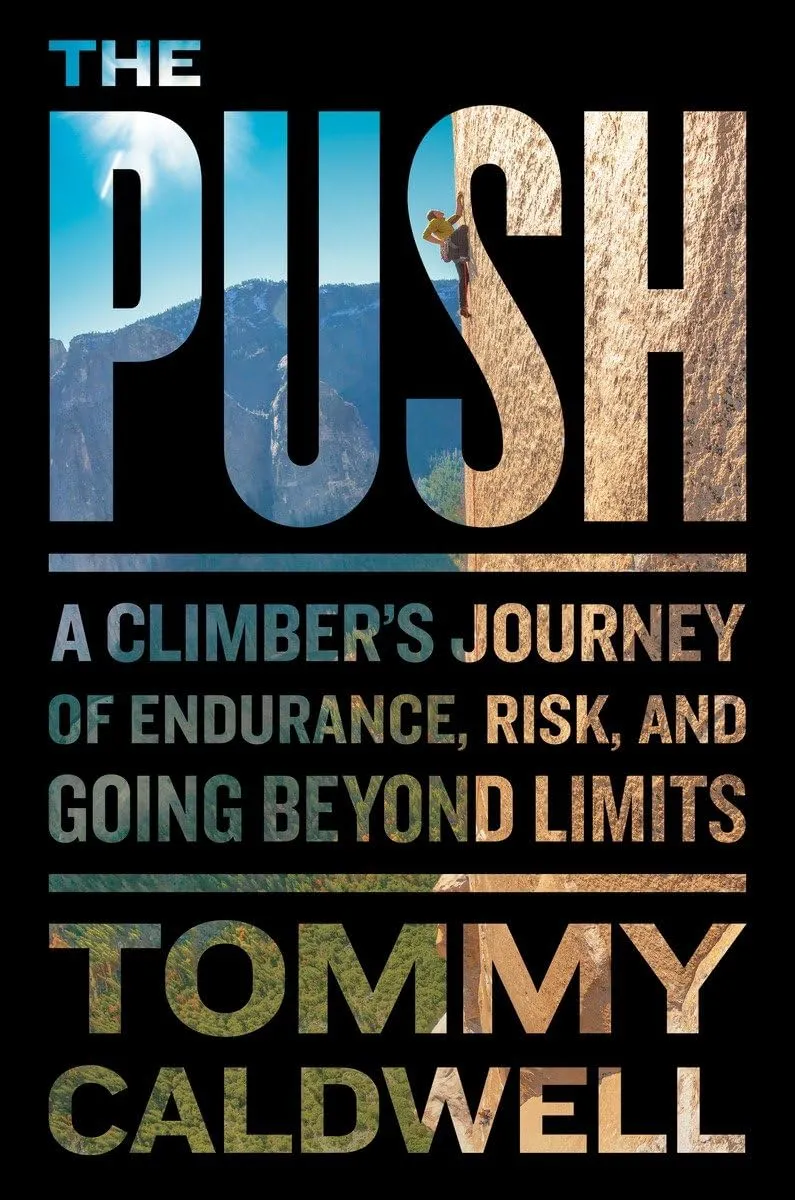
The Push

$ $ $ $
The Push

Tommy Caldwell’s memoir represents the maturation of climbing literature. It goes far beyond the technical details of the Dawn Wall ascent to explore deep emotional vulnerability, kidnapping trauma, and divorce. It is a study in post-traumatic growth that deconstructs the ‘superman’ myth. While inspirational, some readers hoping for a pure climbing logbook may find the extensive focus on his failed marriage and personal relationships to be a distraction from the vertical action. It is a long, introspective read rather than a fast-paced adrenaline rush.

Overall
Technical Depth
Narrative Quality
Historical Significance
Authority (E-E-A-T)
Psychological Depth
Focus

Big Wall Free Climbing, Memoir, Resilience

Author

Tommy Caldwell

Key Feature

Vulnerability & ‘Anti-Heroism’

Target Audience

Modern Climbers & General Readers

You Should Buy This If…

  • You are interested in the psychology of obsession and resilience.
  • You want a behind-the-scenes look at the Dawn Wall and modern big wall climbing.
  • You appreciate memoirs that discuss relationships and trauma alongside athletic feats.

You Should Reconsider If…

  • You are looking for a purely technical guide to big wall systems.
  • You prefer the stoic, unemotional style of older expedition journals.

Other Essential Classics for Your Shelf:
A complete library isn’t finished with just the titles above. For high-altitude drama, Into Thin Air by Jon Krakauer and Annapurna by Maurice Herzog remain requisite reading, though they should be balanced with Ed Viesturs’ No Shortcuts to the Top for a modern perspective on risk. For those fascinated by the Eiger, The White Spider is the definitive account of the North Face. Alex Honnold’s Alone on the Wall captures the cutting edge of soloing, while The Shining Mountain by Peter Boardman offers a quieter, more introspective look at a pioneering climb on Changabang.

Conclusion

A library is useless if the reader is unsafe. Mountaineering: The Freedom of the Hills and the AMGA Single Pitch Manual are mandatory foundational blocks for any serious practitioner. Yet, technical safety is only one leg of the tripod. Understanding the history—especially the reclaimed indigenous narratives in Alpine Rising—transforms climbing from a sport into an act of stewardship.

Finally, remember that the body follows the mind. Physical training texts like Beastmaking must be balanced with the mental fortification found in The Rock Warrior’s Way to reach your true potential. Don’t just read these books—study them. Select the one that addresses your biggest current deficit, whether it’s technical mastery, physical strength, or historical context, and add it to your pack today.

FAQ – Frequently Asked Questions

What is the single most important book for a beginner climber?

Mountaineering: The Freedom of the Hills (10th Edition) is the undisputed industry standard. It covers everything from knot tying and belaying to navigation and weather, serving as a lifelong reference that grows with your skills.

Are old climbing books like Annapurna still worth reading?

Yes, for their literary power and historical context, but they should be read with a critical eye toward accuracy and colonial bias. Modern corrective histories or companion books (like True Summit) provide necessary context to these older classics.

Which training book is best for someone who climbs in a gym?

Beastmaking by Ned Feehally is excellent for gym climbers, particularly boulderers, due to its practical, fingers-first approach. It avoids excessive jargon and focuses on actionable exercises for plastic and board climbing.

Do I really need a book on mental training for climbing?

If you experience fear of falling or performance anxiety, a mental training book is often more valuable than physical training. The Rock Warrior’s Way provides a comprehensive framework for managing fear and improving focus on the wall.

Risk Disclaimer: Rock climbing, mountaineering, and all related activities are inherently dangerous sports that can result in serious injury or death. The information provided on Rock Climbing Realms is for educational and informational purposes only. While we strive for accuracy, the information, techniques, and advice presented on this website are not a substitute for professional, hands-on instruction or your own best judgment. Conditions and risks can vary. Never attempt a new technique based solely on information read here. Always seek guidance from a qualified instructor. By using this website, you agree that you are solely responsible for your own safety. Any reliance you place on this information is therefore strictly at your own risk, and you assume all liability for your actions. Rock Climbing Realms and its authors will not be held liable for any injury, damage, or loss sustained in connection with the use of the information contained herein.

Affiliate Disclosure: We are a participant in the Amazon Services LLC Associates Program, an affiliate advertising program designed to provide a means for us to earn advertising fees by advertising and linking to Amazon.com. As an Amazon Associate, we earn from qualifying purchases. We also participate in other affiliate programs. Additional terms are found in the terms of service.