
In this article
The red dust coating your shoes at Indian Creek isn’t just dirt; it is a living biological crust that took fifty years to grow and one second to destroy. Modern climbing demands more than technical proficiency—it requires an operational understanding of the environment we traverse. The transition from the gym to the crag is not just a change of venue, but a shift in responsibility where ignorance creates irreversible damage.
As a guide, I often tell clients that your knots keep you safe, but your ethics keep the crags open. This guide operationalizes the Climber’s Pact, moving beyond abstract pledges to provide the specific field skills necessary to protect the vertical wilderness. We will cover the science of rock porosity, the biology of cliff-dwelling raptors, and the logistics of waste management in sensitive biomes.
What is the Climber’s Pact and Why Does It Matter?
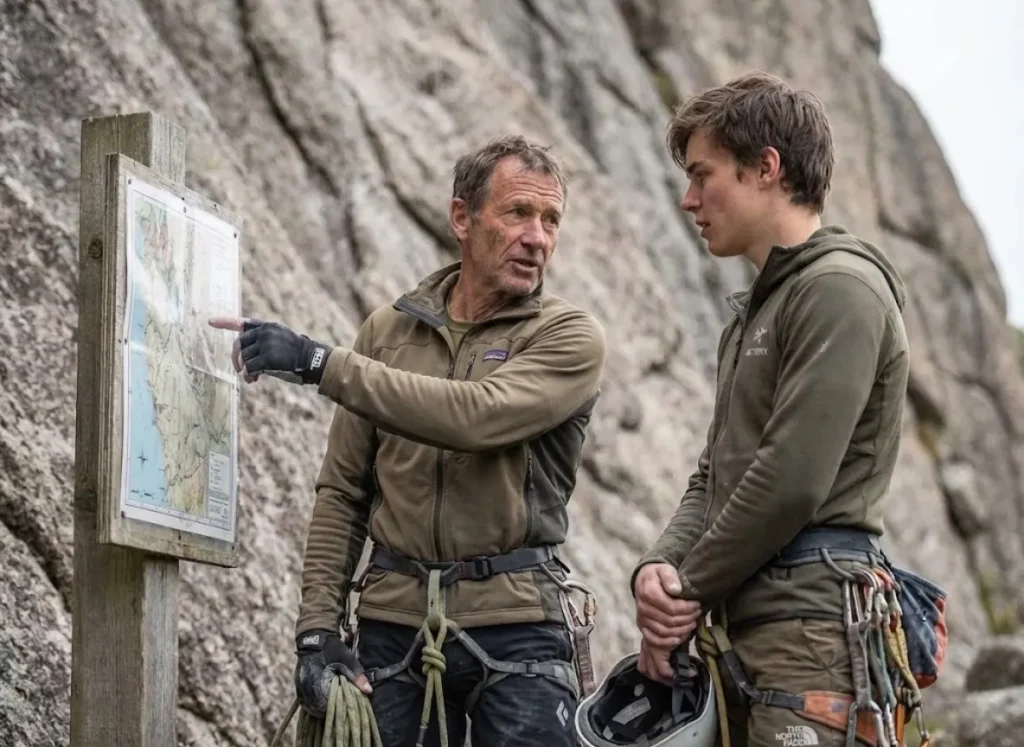
The Climber’s Pact is a specific commitment to stewardship that addresses the unique impacts of our sport. It defines the “stewardship gap” that exists between general outdoor recreation and the technical demands of vertical ascent. It is more than a list of rules; it is a promise—a covenant among climbers to preserve the rock we rely on.
How does the Pact differ from Leave No Trace?
Leave No Trace (LNT) provides a broad framework for outdoor travel, such as hiking and camping. However, the Climber’s Pact addresses the unique three-dimensional impacts of climbing, such as vertical erosion, chalk pollution, and fixed anchor management. It targets the “gym-to-crag” demographic shift, providing a codified substitute for the traditional mentorship that historically passed down rock climbing ethics alongside technical skills. Unlike LNT’s focus on passive impact reduction, the Pact encourages “Upstander” behavior—actively maintaining access trails, replacing bad bolts, and educating fellow climbers.
The Pact explicitly links climber behavior to land access. Bad ethics—such as aggressive parking or excessive noise—are the primary drivers of climbing area closures by private and public land managers. The Access Fund’s strategic initiative to protect climbing areas breaks this down into commitments tailored for the high-density usage seen at modern sport crags. It serves as a living document that evolves with the sport, addressing modern technological intrusions like drones and boomboxes that were not relevant in previous decades. By choosing to sign the pledge, you become an effective climbing advocate rather than a passive user.
How Do We Protect the Rock’s Geological Integrity?
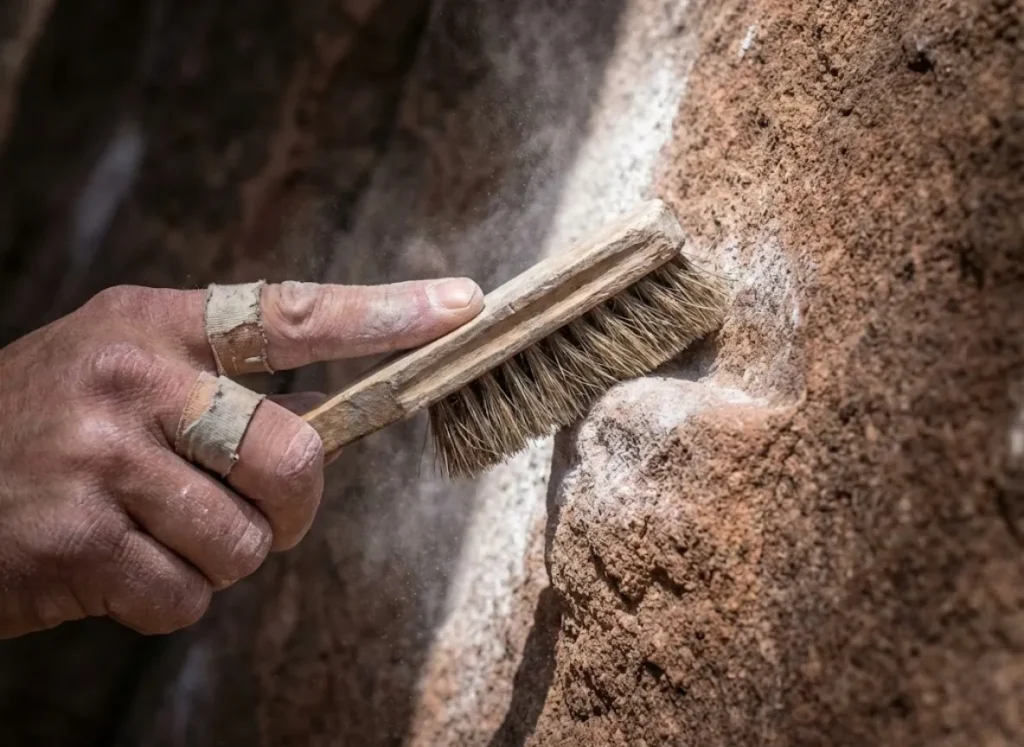
Understanding the medium we climb on is the first step in preservation. Different rock types require different protocols to prevent permanent damage and erosion.
Why is climbing on wet sandstone dangerous?
Unlike crystalline granite, sandstone is held together by cementing agents like calcite and silica. These agents are highly porous and susceptible to water absorption. When wetted, the cementing agents soften, leading to a reduction in tensile strength of up to 75%. This makes holds prone to snapping under body weight.
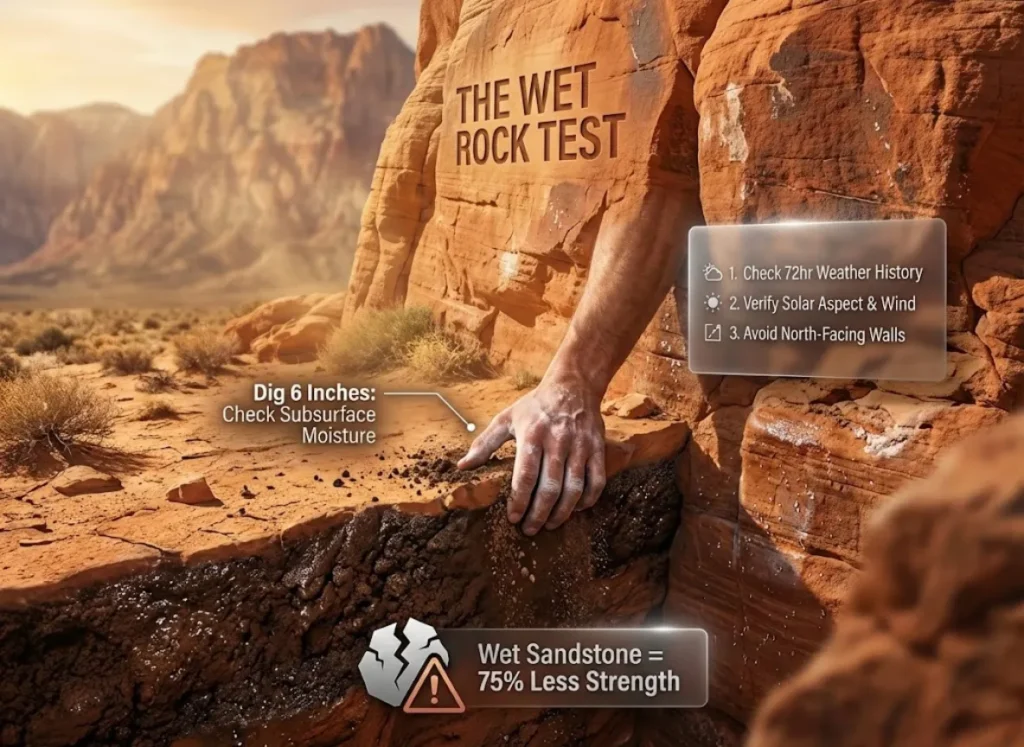
A critical field assessment involves the “Soil Test”: dig 6 inches into the base soil. If the subsurface sand is moist, the rock’s internal matrix likely retains water even if the surface feels dry.
Pro-Tip: Always check the weather history for the past 72 hours, not just the current forecast. If you are planning a trip to Red Rock Canyon, remember that north-facing walls may hold moisture for days after a storm.
Climbers must account for variables such as solar aspect, wind, and humidity. Shaded routes may require significantly longer than the standard 24-72 hour waiting period. Breaking a hold on wet rock is not just a safety hazard; it permanently alters the route for future generations. This protocol is critical in arid environments where the sandstone fragility is high. Studies on interactions between rock climbers and state park staff show that resource damage from climbing on wet rock is a primary source of friction with land managers.
Which brushing tools preserve rock texture?
Boar’s hair is the industry standard for soft rock because its natural keratin fibers are softer than the rock matrix but dense enough to remove chalk. Synthetic nylon bristles are often harder than the cementing agents in sandstone, leading to “polishing.” This is where the rock texture is worn smooth, reducing friction over time. Wire brushes are universally condemned for established routes as they aggressively strip natural patina and desert varnish, physically reshaping the holds.
Tick marks should be used sparingly and removed immediately after the attempt. Use a dry brush rather than water to avoid hydrologic weakening. Whether you use liquid chalk or standard powder chalk, buildup creates aesthetic blight and alters the chemical surface of the stone. Effective cleaning involves gentle, circular motions to lift dust out of pores rather than aggressive scrubbing that abrades the surface. When selecting the best rock climbing brushes, prioritize softness to protect the rock’s surface pH and micro-flora. Recent research on the impact of climbing chalk on rock-dwelling species indicates that chemical changes from chalk can harm cliff ecology.
How Do We Navigate Biological and Environmental Sensitivity?
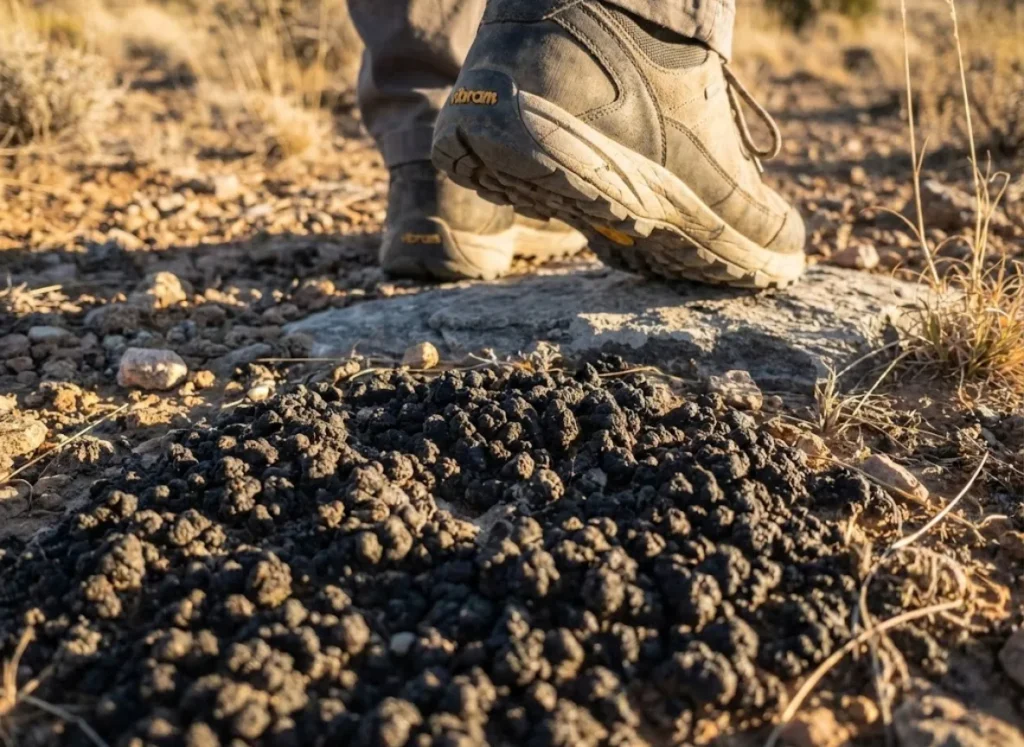
Raptors guard the vertical world, but the ground beneath our feet in arid environments is equally alive and defenseless.
How do raptor closures work and why are they critical?
Closures are based on Flight Initiation Distance (FID), the proximity at which a nesting bird perceives a climber as a threat and flushes from the nest. This leaves eggs vulnerable to fatal thermal stress or predation. Before flushing, raptors exhibit “alert” behaviors such as head bobbing or vocalizing. If you observe this, you have already encroached too close and must retreat. Closures are typically defined by a specific radius or a “line-of-sight” rule.
Closures generally span from late winter through mid-summer to protect courtship and fledging. Climbers must check local land management websites (Bureau of Land Management/National Park Service) before every trip. Species like Peregrine Falcons and Golden Eagles have made remarkable recoveries due partly to climber cooperation. A thorough literature review of disturbance distances of selected bird species highlights how specific these zones must be. Following the desert climber’s ethics codex involves respectfully informing fellow climbers who may be unknowingly climbing in a closed area.
What is cryptobiotic soil and how do we avoid damaging it?
Often mistaken for dirty sand, cryptobiotic soil (also known as desert crust) is a complex biological community of Cyanobacteria, lichens, and mosses that forms a “living skin” on desert surfaces. This crust is vital for preventing wind erosion and fixing nitrogen in the soil, allowing plant life to survive in arid environments. It is incredibly fragile; a single footstep can shatter the silica sheath of the bacteria, destroying decades of growth instantly. Recovery can take 50 to 250 years.
Unlike in temperate forests where hikers might disperse to prevent trail widening, in crypto-heavy terrain, climbers must walk single file to concentrate impact on designated trails. It appears as a knobby, black, or dark grey crust. Keep your eyes on the ground during approaches to avoid stepping off established durable surfaces. When off-trail travel is unavoidable, navigate via “islands” of rock or sandy washes. Mastering the art of climbing stewardship requires recognizing these surfaces and adhering to the Boy Scouts of America’s guidance to travel and camp on durable surfaces.
What Are the Protocols for Human Waste and Trash?
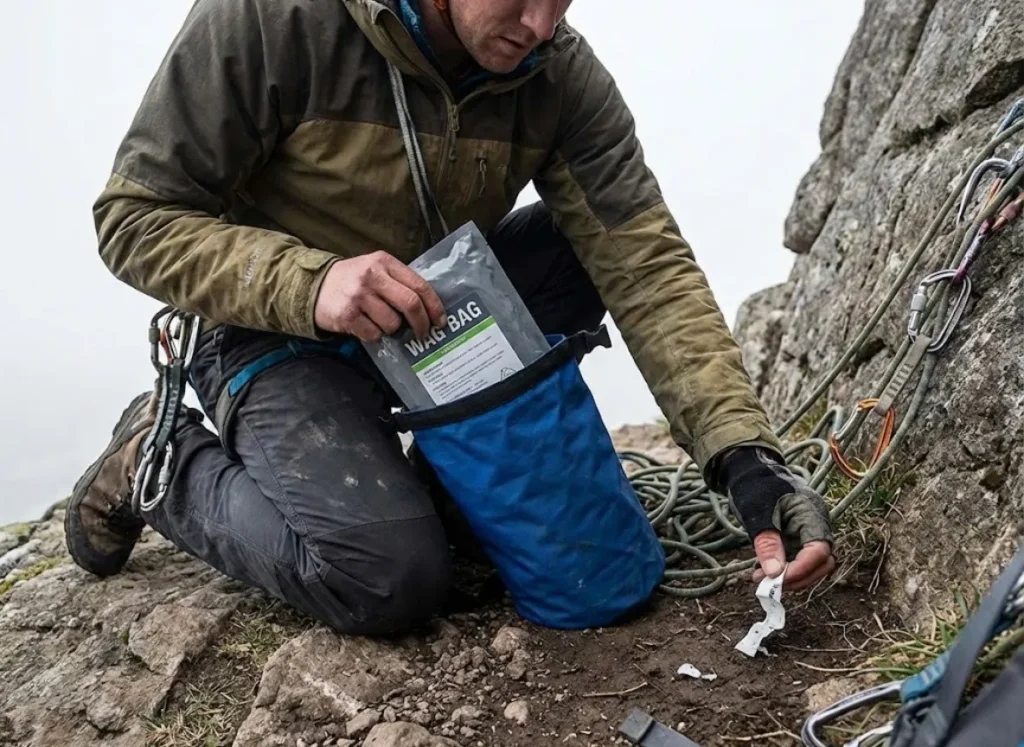
Managing what we leave behind—specifically our own waste—is a logistical challenge that varies by biome.
When should you use a WAG bag versus a cathole?
Human waste disposal methods are dictated by soil biology. Catholes (6-8 inches deep) rely on soil microbes and moisture found in temperate forests to break down pathogens. However, in arid deserts or freezing alpine zones, waste buried in catholes “mummifies” rather than decomposes. These areas require a strict “pack-it-out” protocol. WAG bags (like those from Restop or Cleanwaste) contain a specialized polymer powder that gels liquid and encapsulates solids, neutralizing odors for municipal disposal.
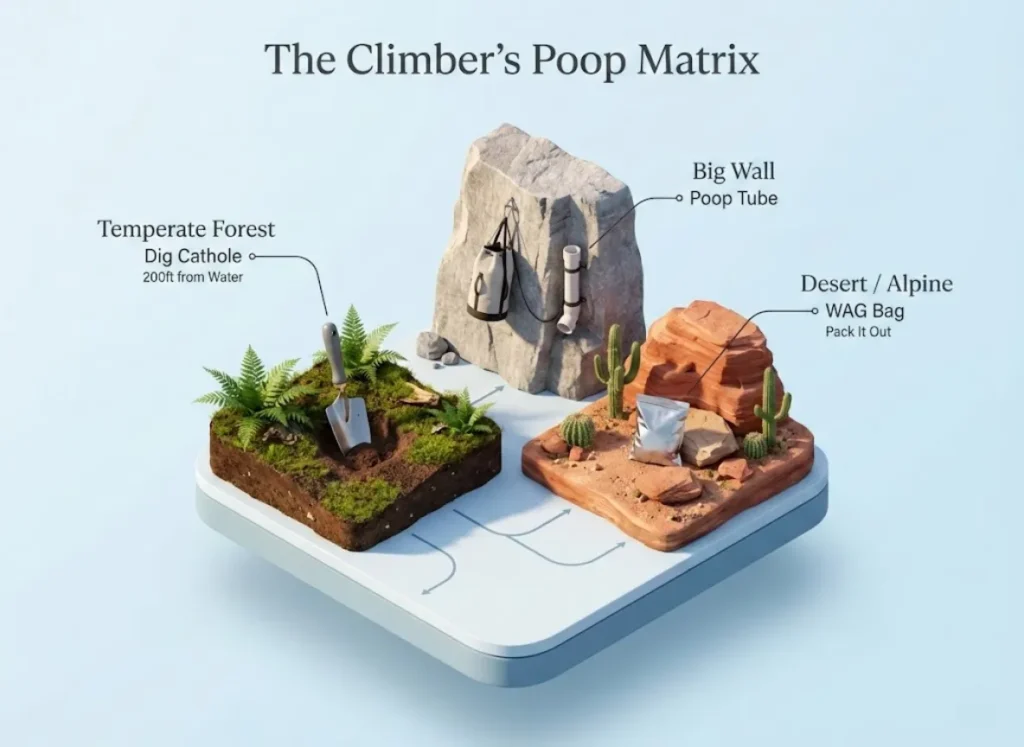
For multi-day big wall climbs, climbers use a PVC pipe known as a “poop tube” to store used WAG bags externally on the haul bag. If using a cathole in an appropriate zone, you must carry a sturdy trowel and dig at least 200ft from water sources, riparian areas, trails, and the base of the crag. You can find detailed instructions in our climber’s waste guide. Even where catholes are permitted, toilet paper should always be packed out. The BLM explicitly advises recreationists to properly dispose of human waste to prevent biological hazards and water contamination in high-use areas.
How does micro-trash impact the crag environment?
Micro-trash includes small items like climbing tape scraps, fruit stickers, and energy gel tabs that accumulate at belay bases. The idea that items like orange peels are harmless is a myth; in dry climates, they do not decompose effectively and attract wildlife. This alters animal behavior and habituates them to human presence. Spilled powder chalk buckets also act as chemical pollutants. Climbers should use a mat or bag to catch spills and disperse significant piles.
Pro-Tip: Perform a “Corner Sweep” before hiking out. Spend 30 seconds scanning the belay area for micro-trash—yours or anyone else’s.
Leaving tick marks is a form of visual pollution and they must be brushed off before leaving. In historic climbing areas, old rusted pitons or glass shards may surface. While some are historical artifacts, dangerous modern debris should be packed out. Acting as guardians of the rock means adhering to the core principle to travel and camp on durable surfaces and leaving the area cleaner than you found it.
How Do We Manage Social Impact and Shared Spaces?
Our physical footprint is one thing, but our acoustic and aerial footprint creates a different kind of disturbance that requires modern etiquette.
What are the rules regarding drones and amplified music?
Under the Wilderness Act of 1964, “motorized equipment” is prohibited in federally designated Wilderness areas. This constitutes a blanket ban on drone usage in many premier climbing zones. The National Park Service generally prohibits drone launching without a special permit. While BLM land is more permissive, drones: do and don’t regulations strictly prohibit harassment of wildlife or interference with emergency operations.
“Natural quiet” is considered a protected resource. Amplified music from boomboxes and Bluetooth speakers disrupts the wilderness character and can mask safety communication between climber and belayer. Climbers who need music for motivation should utilize bone-conduction headphones. This technology allows you to hear ambient noise and partner commands while keeping the crag quiet. Noise levels are a leading cause of conflict between climbers and other user groups, a topic covered extensively in climbing etiquette around the world.
How can climbers respect cultural and archaeological resources?
Many climbing areas, such as the Hueco Tanks bouldering guide area, are located on ancestral Indigenous lands containing rock art, petroglyphs, and dwellings. Oils from human skin can chemically degrade ancient pigments, so climbers must never touch, chalk, or climb near rock art panels. Access paths often traverse archaeological sites; staying on established trails avoids trampling artifacts like pottery shards.
Developing new routes near cultural resources on tribal lands is strictly prohibited. Modern ethics require a substantial buffer zone to preserve the visual and spiritual integrity of the site. Sprawling staging areas full of crash pads and hammocks can also damage the context of these sites. When posting photos, avoid geotagging specific locations to prevent looting or overcrowding. The Access Fund’s climbers for conservation program highlights that stewardship involves educating oneself on the specific history of the land, fostering respect that goes beyond recreational utility.
Closing Thoughts
The transition from a gym climber to an outdoor steward requires treating environmental ethics with the same rigor as safety knots. Adapting protocols based on the specific biome—whether desert or alpine—is critical for effective conservation. By moving from passive observance to active advocacy and intervention, we normalize “Upstander” behavior within the community.
Before your next trip, research the specific local regulations of your destination and consider joining your Local Climbing Organizations (LCOs) to support ongoing stewardship efforts.
FAQ – Frequently Asked Questions
Is climbing chalk bad for the environment?
Yes, excessive chalk can alter soil chemistry and visual aesthetics. Use earth-colored chalk where required, minimize usage, and brush off tick marks to reduce impact.
Can I use a wire brush to clean climbing holds?
No, wire brushes damage the rock surface, destroying natural texture. Always use a soft boar’s hair or nylon brush to clean holds without causing erosion.
What is the rule for climbing on wet sandstone?
Wait at least 24 to 72 hours after rain before climbing on sandstone. Wet sandstone loses significant strength and holds can break easily, permanently damaging routes.
Why are drones banned in some climbing areas?
Drones can disturb nesting raptors and detract from the wilderness experience. They are banned in all designated Wilderness areas and many National Parks to protect wildlife and natural quiet.
Safety Notice: Rock climbing and mountaineering are inherently high-risk
activities that can involve physical trauma or fatal incidents. The information on Rock Climbing Realms is for
educational and informational purposes only. Techniques and advice presented here are not a substitute
for professional, hands-on instruction. Conditions and risks vary by location. Always seek guidance
from a qualified instructor before attempting new techniques. By using this website, you agree that you
are solely responsible for your own safety. Any reliance you place on this information is strictly
at your own risk, and you assume all liability for your actions. Rock Climbing Realms and its authors
will not be held liable for any harm, damage, or loss sustained in connection with the use of this information.
Affiliate Disclosure: We are a participant in the Amazon Services LLC Associates Program, an
affiliate advertising program designed to provide a means for us to earn advertising fees by advertising and linking
to Amazon.com. As an Amazon Associate, we earn from qualifying purchases. We are also an official affiliate partner
of Black Diamond Equipment via the AvantLink network. If you click on a Black Diamond affiliate link and make a
purchase, we may earn a commission at no additional cost to you. We also participate in other affiliate programs.
Additional terms are found in the terms of service.